

Trending
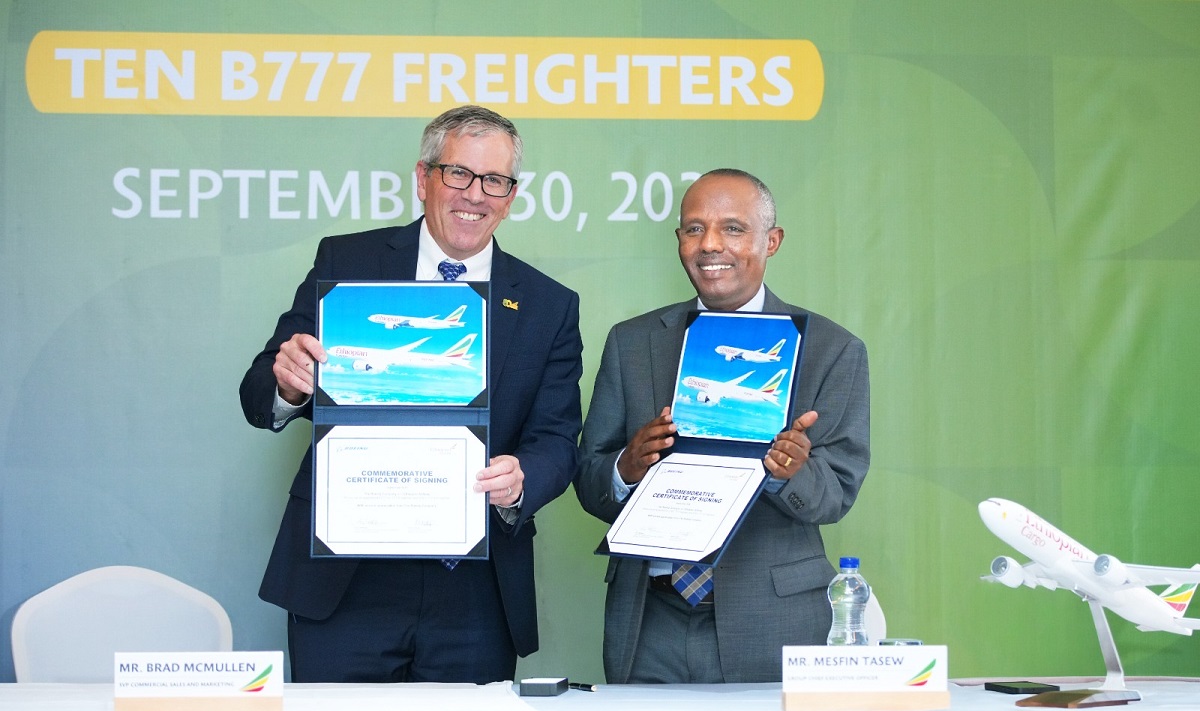
- Ethiopian Airlines bets big on Boeing freighters in $5 billion cargo fleet expansion
- Silicon Valley’s Tim Draper backs Nairobi blockchain festival, sees Africa as next digital frontier
- Dangote breaks ground on $16bn Lamu refinery as East Africa seeks fuel independence
- Gulf and African states meet in Dar to rewrite rules of labour migration
- African governments drive new forest finance progress as global report warns funding globally must scale faster
- Fine Spinners eyes Kenya’s Agoa-backed apparel supply chain with $5m plant
- Why young Kenyan investors need to stop treating the stock market like a betting slip
- Tanzania tax reforms mandate VAT refunds to under 30 days


Browsing: East Africa

South Sudan and Djibouti have signed an MoU to lay fibre optic cable from Djibouti to South Sudan’s capital, Juba, via Ethiopia. Djibouti’s fibre optic is not the first telecommunications infrastructure that South Sudan is connecting to. In January 2020, Liquid Intelligent Technologies (LIT) announced the installation of a 200km fibre backbone to connect the Uganda border to Juba.
Authorities believe additional data capacity will enable the country to successfully implement its digital transformation strategy by making broadband internet connectivity more affordable. South Sudanese officials said the agreement would ensure that region is connected to the international community and reduce the high cost of the internet.
South Sudan’s Ministry of Information, Communication Technology and Postal Services said South Sudanese and Djibouti government officials would establish a technical committee to oversee the project.
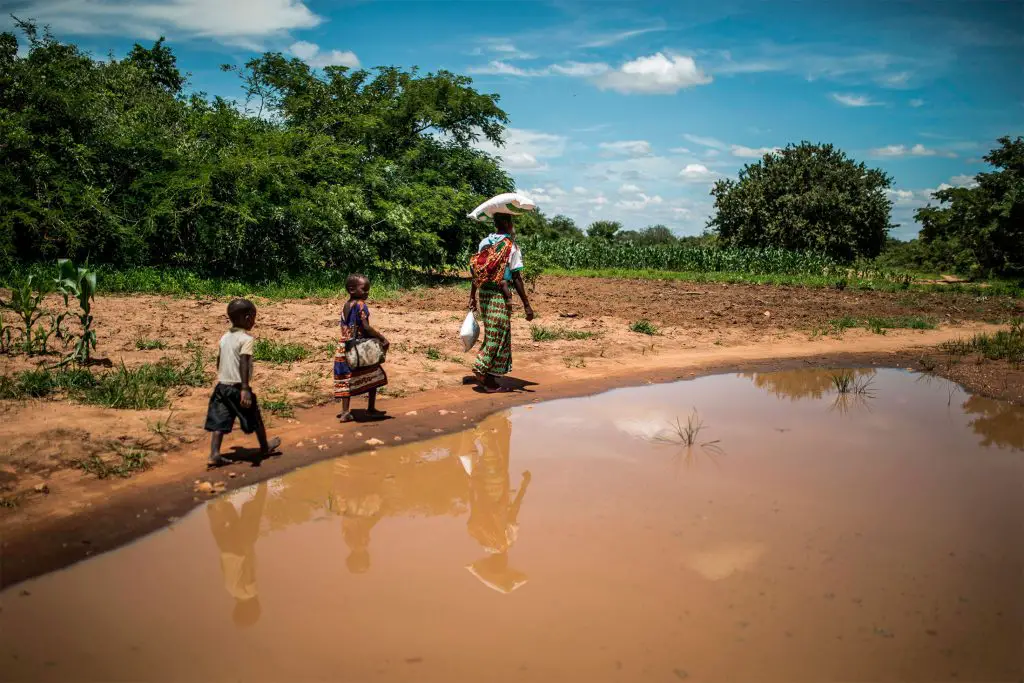
Africa’s fast population growth exacerbates the issue. According to most estimates, Africa’s population will double by 2050 and then double again by 2100, finally reaching over 4 billion by the end of the century. Feeding Africa’s rising population will need considerable breakthroughs in the continent’s food systems.
However, agricultural progress may be difficult if African farmers are subjected to more severe climatic effects. To prepare for these future difficulties, one must understand how climate change will materialize in Africa and its impact on the continent’s agricultural systems.

On the backdrop of increasing global demand for cashew nuts, the government of Tanzania is now subsidizing agro-inputs for farmers…
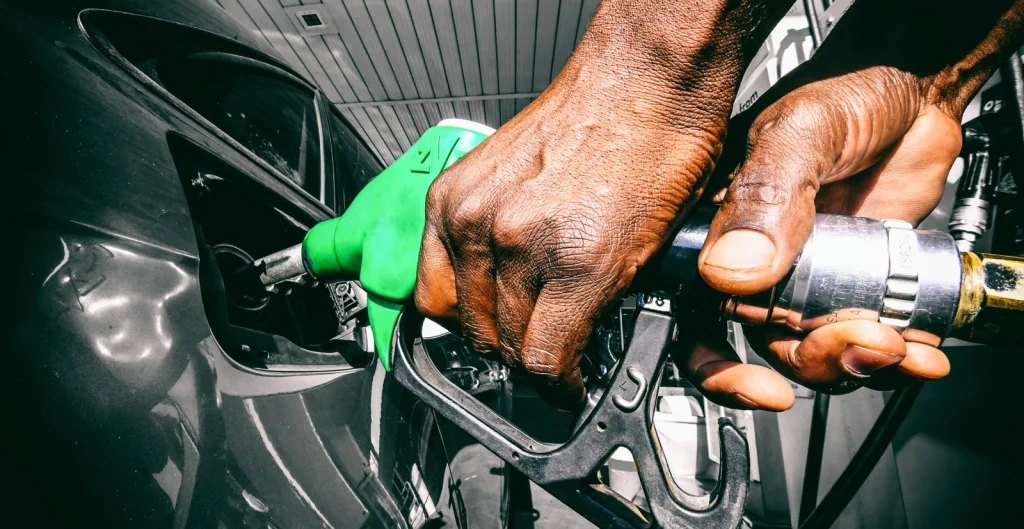
Fuel price rise across EAC National Assembly hears public outcry on the rising cost of living Governments working on solutions…
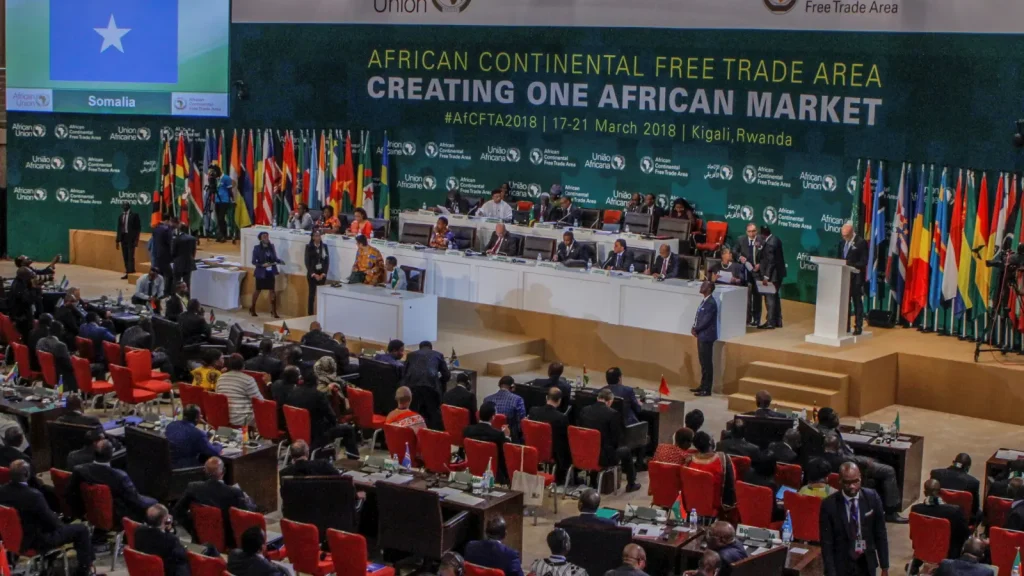
AfCFTA testing new tool to measure ease of trade among African countries Early test results indicate major gender parity issues…

Despite poor irrigation systems, extreme weather conditions and soil quality becoming the case for wheat importation instead of farming it, countries such as Tanzania and Kenya are amping up their farming systems.
Tanzania’s irrigation area has risen to more than 727,000 hectares from around 625,000 in 2021. The nation has built silos in Burundi, Kenya and Congo, easing up supply and trade of crops across the regions. Kenya, East Africa’s leading economy and among Africa’s top four in fintech is leveraging modern financial technology to enhance commercial agriculture practices.
Utiliser application is a challenge, and the nation is striving to assist farmers in adapting to new tech by offering subsidies to ensure productivity is restored, while Uganda is striving to level up the playing field for farmers to access and adopt low-cost irrigation and climate-smart agriculture systems. On the same note, it also intensifies the functions of the entire agriculture value chain by empowering small and medium agri-businesses with capital.
Though not an overnight project, Africa can realise the sustainable and relevant adoption of low-cost irrigation and climate-smart agriculture systems, which will arguably transform food production systems and farmers’ economies.
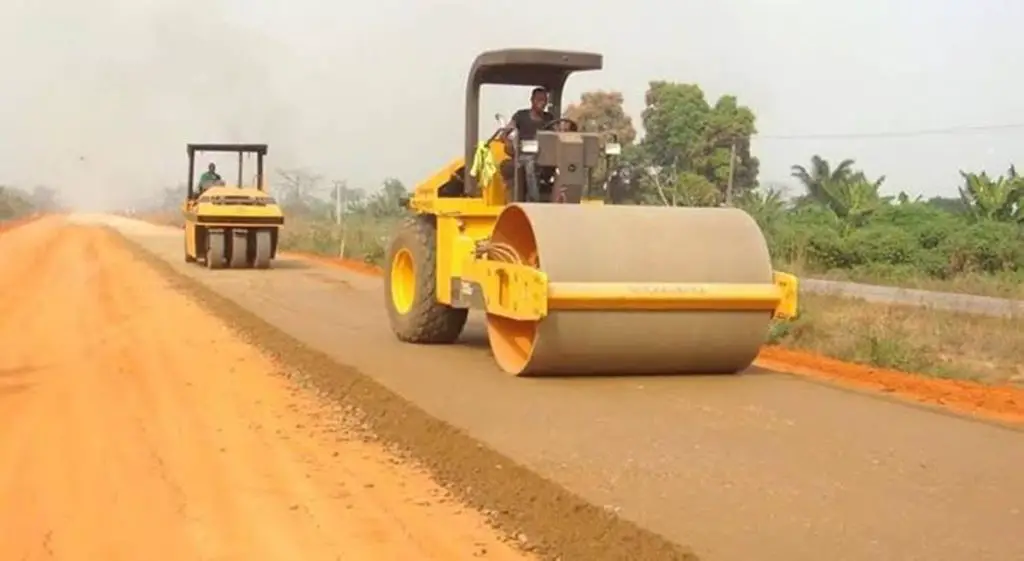
Infrastructure development continues to be a vital driver of foreign direct investment (FDI) since logistics are so necessary for global business development, mainly e-commerce, which is now a significant generator of income and jobs at home and abroad.

Most Kenyans, 83 per cent, indicated a willingness to increase the amount of money they allocate to savings and investments, but the inability to save due to insufficient funds after fulfilling their obligations that require regular funding and the availability of quick digital loans.
Among their obligations which contribute to Kenyans’ financial strain is supporting their extended family which considerably bites into their savings. 84 per cent of people indicated that they regularly provide some income to their extended family, mostly in case of emergencies, because they feel a sense of obligation to send their extended families money and because their extended family members treat them better when they are sent money.
On their part, the extended family members mostly use the money to cater to recurring expenses like food & transport, school fees and medical expenses at 23 per cent, 19 per cent and 18 per cent respectively. Farm-related expenses like purchase of fertiliser ranked fourth at 14 per cent, phone and home upgrades came in fifth at 7 per cent while entertainment like Christmas celebration was sixth.

Africans and African diaspora across the world commemorated Africa Day on May 25, 2022. The day truly serves to integrate…

Tanzania’s Government is scheduled to open the 2022 Tanzania Energy Congress (TEC) this August in the country’s commercial port city…