

Trending
- VALR sets sights on East Africa as blockchain moves deeper into Africa’s financial system
- The cost of the data gap: Why Kenya’s lenders can’t afford to miss the full picture
- Tanzania takes EAC labour migration helm as regional rules face overhaul
- 2026 is turning out as a defining year in geopolitics, but for whom?
- Saudi Arabia and Tanzania pledge to deepen bilateral trade ties
- Tanzania rewrites its digital investment playbook
- Ethical sourcing boosting demand for Tanzania organic cotton
- DRC deploys 70,000 Ebola vaccine doses in high-stakes trial against deadly Bundibugyo strain


Browsing: EU
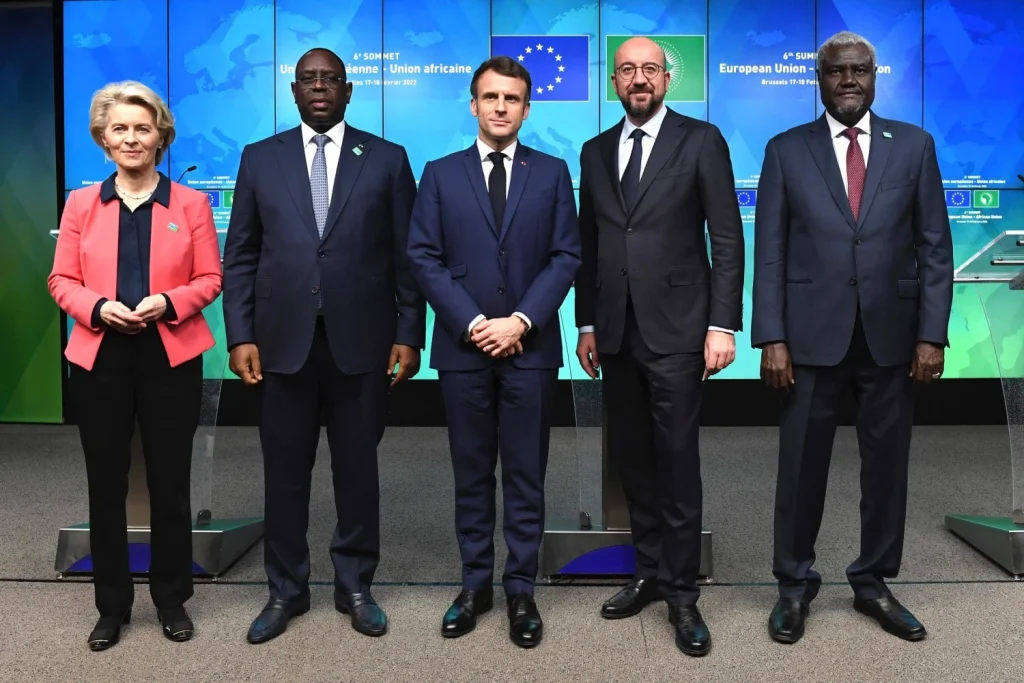
Over the past years, Ethiopia has become one of the primary beneficiaries of the EU Trust Fund for Africa.
According to information from European Commission, in total, the value of EU development assistance to Ethiopia has averaged an estimated 214 Euro ($225 million) per year.
However, when Ethiopia was dragged down through the most gruesome internal political turmoil – the Tigray War – relations between the Horn of Africa and the EU was at an all-time low.
The EU followed close on the heels of Ethiopia’s close development partner, the United States, and threatened sanctions on the Ethiopian government in a deliberate attempt to quench the conflict.
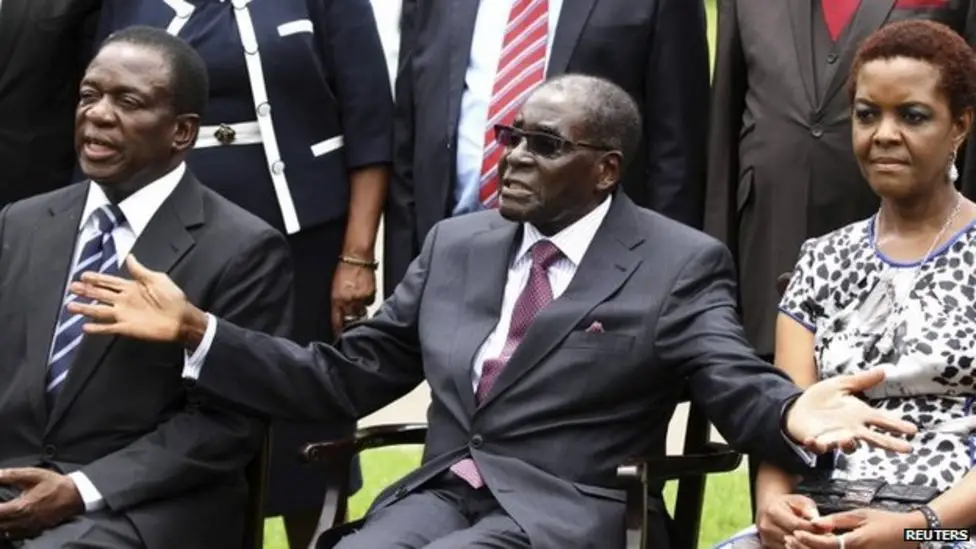
At the dawn of his administration, President Mnangagwa promised to address the country’s record on human rights, targeting those that oppress political activists and opposition, political party supporters, during elections. He also said his government would introduce economic policies favouring foreign investment. His mantra was ‘Zimbabwe is Open for Business. In its quest to kick-start itself to its former glory, the Zimbabwean government came up with economic policies such as the Look East Policy, and Indigenization, but they failed to yield results.
Mnangagwa’s administration has been rallying anti-sanctions sentiments, embarking on a re-engagement policy and the ‘Zimbabwe is Open for Business mantra. But, the sanctions have remained in place.
According to Afrobarometer, Mnangagwa has managed to mobilize support against the sanctions. In October 2019, leaders of the Southern African Development Community (SADC) agreed to campaign for the removal of the sanctions, arguing that they destabilize Zimbabwe’s economy and adversely affect the region. ZimEye reported a group of ZANU-PF supporters who camped near the U.S. Embassy in Harare on March 29, 2019, and vowed to stay put until the sanctions were lifted.
The company was struggling following a significant decline in the late 90s. In a related article published by ZBC News at its utmost, the giant used to employ over 4,500 people thereby making it one of the country’s biggest employers.
Further, in addition to beef production, the company also produced a large variety of by-products such as hides, neat’s foot oil, ox gall, edible offal’s, tallow and dripping, canned meats, ham, blood meal, meat and bone meal and pork sausages among others. The institution is the lifeblood of livestock farmers and the leather value chain.
The government is targeting the revitalization of the institution under the National Development Strategy One (NDS1). The government in May 2019, signed a US$400 million joint venture farming Concession Agreement with Boustead Beef Zimbabwe, a United Kingdom-based investor. The venture was reportedly based on a Concession Agreement under Rehabilitation, Operate and Transfer (ROT) Terms.
The fund was allocated for capital expenditures and as working capital for the business. Apart from that, it will be used to pay in full CSC’s financial debts of US$43 million. Rentals of US$100,000 per year will also be paid during the first five years of the concession agreement.
Zimbabwe chastised the West for averting Harare’s breakdown by denying “access to markets for Zimbabwe’s diamonds sector” and causing “disinvestment, corporate closures, and a currency collapse” in a document titled “Economic Impact of Sanctions on Zimbabwe.”
Zimbabwe, which is thought to hold 25% of the world’s diamond reserves, has sunk deeper into international turmoil following revelations that over USUS$14 billion had been taken by oligarchs in the Marange highlands, where the US has expressed concerns about forced labour and human rights abuses.
Security forces mercilessly attacked illegal miners around the end of 2008 to gain sole ownership of the mines for the state, prompting the West to label Harare’s jewels “blood diamonds.”
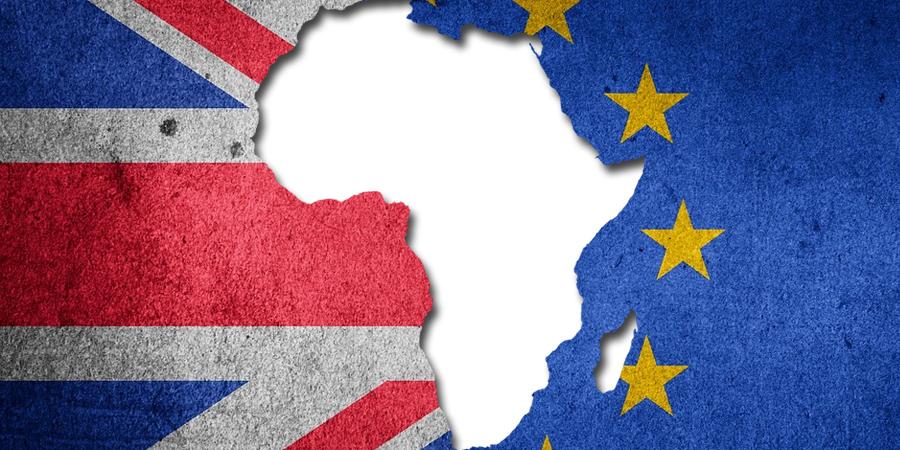
The UK and European Union are currently in the final stages of negotiation on the terms of their ‘divorce’. The…
BREXIT trade impacts in Southern Africa If everything goes according to plan (and that’s a big statement), January 1st shall…
Mozambique, Angola, Namibia, Ethiopia, Zambia, Rwanda, Uganda, Egypt, Tunisia, Algeria and Morocco. These are the African countries set to be allowed to enter the…
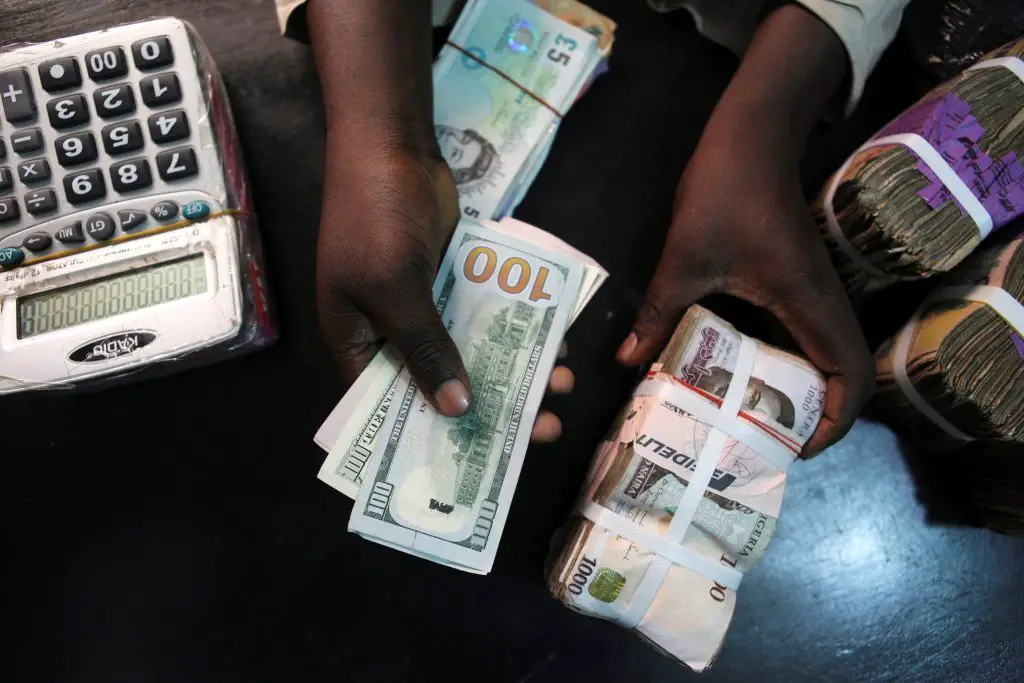
African nations (via their ministers) have agreed to call a debt relief support from bilateral, multilateral and commercial partners with…
The state of data privacy is a widely discussed topic of conversation. The new EU data protection law is setting…
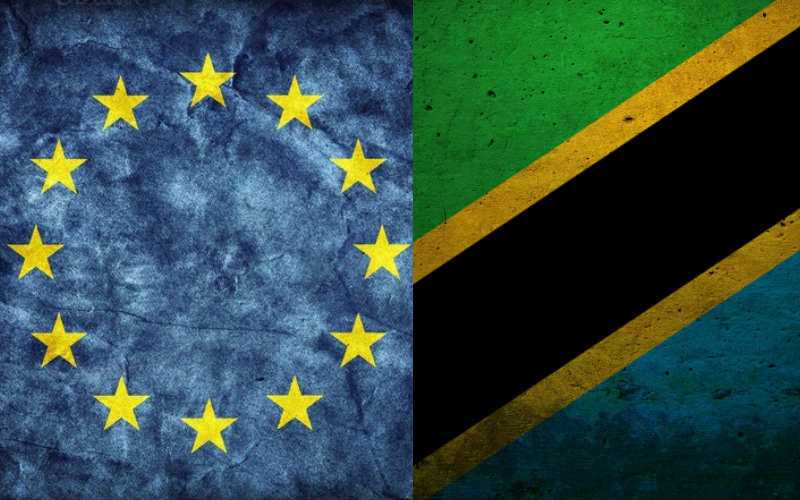
The European Union (EU) is set to provide over $57 million as development aid to Tanzania, marking a return of…