

Trending
- VALR sets sights on East Africa as blockchain moves deeper into Africa’s financial system
- The cost of the data gap: Why Kenya’s lenders can’t afford to miss the full picture
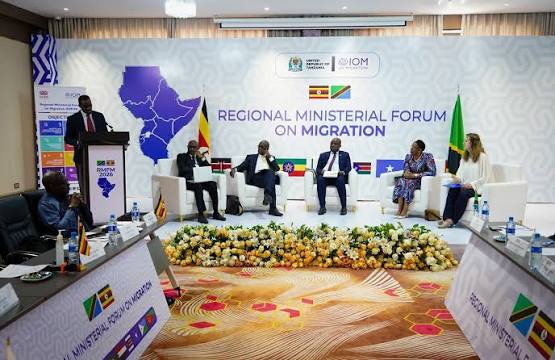
- Tanzania takes EAC labour migration helm as regional rules face overhaul
- 2026 is turning out as a defining year in geopolitics, but for whom?
- Saudi Arabia and Tanzania pledge to deepen bilateral trade ties
- Tanzania rewrites its digital investment playbook
- Ethical sourcing boosting demand for Tanzania organic cotton
- DRC deploys 70,000 Ebola vaccine doses in high-stakes trial against deadly Bundibugyo strain


Browsing: Exports

Uganda coffee business is experiencing a surge in both production and value of exports. The country’s coffee export revenue rose…

Until the Biden Administration, US-Africa trade relations had remained remarkably consistent. Africa Growth and Opportunities Act (AGOA), in place since October 2000 through five separate US administrations, has been the ‘centrepiece’ of this consistency.

A recent report has revealed that the ban on second-hand clothing, also known as mitumba, might not enhance Kenya’s textile industry as previously anticipated. The report commissioned by the Mitumba Consortium Association of Kenya (MCAS) on the Second-Hand Clothing Industry in the East Africa Community has cautioned against protectionism towards importing second-hand clothing.
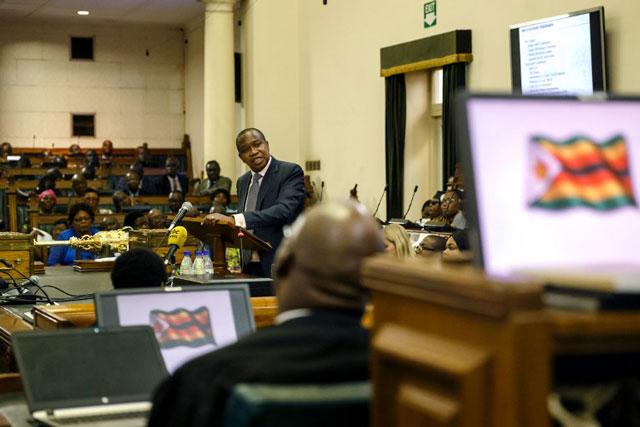
The economy is now projected to grow by 4.6% during 2022, a downward revision from the original 5.5% projection Reserve…
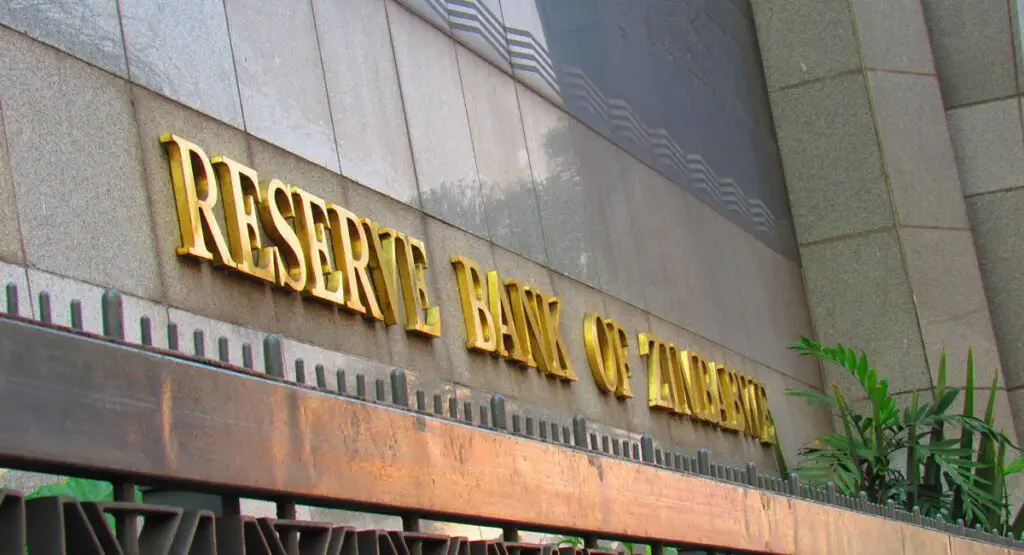
Among Zimbabweans, there is a clear preference for the use of the United States dollar over the local currency. This is to the extent that there are some government services which cannot be accessed without United States dollars.
There are also some basic household commodities and goods that one will need to pay for using hard currency and will not be able to purchase if they have the local currency. Following on the issue of the currency crisis is the fact that exporters are already heavily burdened with operating costs in United States dollars.
Regardless of whether it is an exporter or partial exporter, 40 per cent of all export proceeds generated by Zimbabwean-based exporters must be surrendered to the central bank. This is how the central bank has been funding its auction system to allocate foreign exchange to importers.
To be fair, the surrender requirements are not uniformly or universally applied. The central bank has introduced some concessionary measures. For instance, the tourism and agricultural sectors have been exempted from all foreign exchange surrender requirements. In the mining sector, players are allowed to retain up to eighty per cent of their export proceeds and only must surrender twenty per cent of their export proceeds.

The distinctive Zimbabwe Granite is a much sought-after dimension stone in the world. The resource is considerable and there is potential for investment by both local and foreign companies.
Reports indicate that the Royal Library in Copenhagen, Denmark was built with black granite from Zimbabwe. It’s just one of many examples of how the prized stone is used around the world.
Currently, 75% of the country’s black granite is produced in Mutoko, Mashonaland East Province. Companies such as Southern Granite, Dingmao Mining, Quarrying Enterprises, Zimbabwe International Quarries, and Natural Stone Exports are in the business of Granite Value Addition.
The AfCFTA agreement will boost East Africa’s manufactured exports to the rest of Africa Textiles & clothing exports will increase…
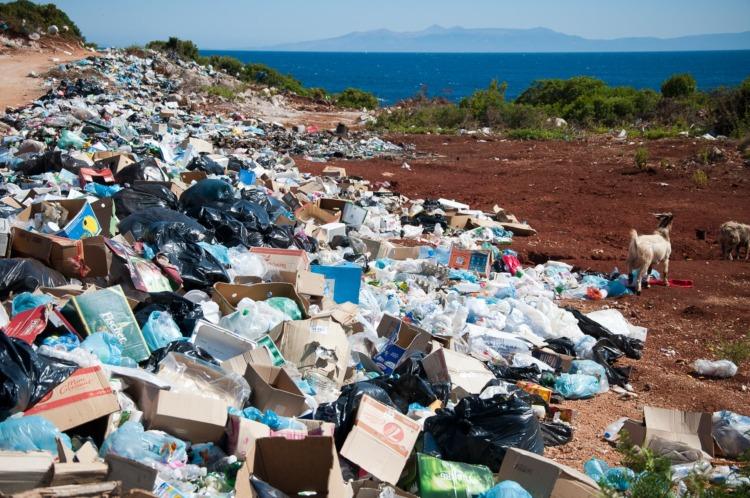
A new report has found that toxic chemicals in plastic waste exports from wealthy countries are contaminating food in developing…
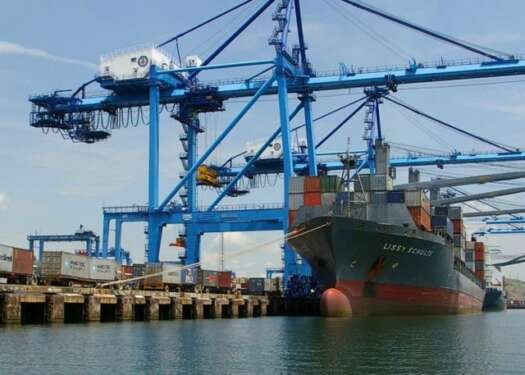
Tanzania—East Africa’s host of the most strategic port (Dar es Salaam Port), anticipates garnering more cargo in the next four…
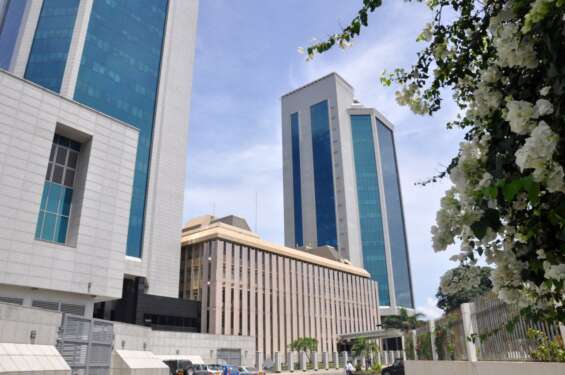
The central bank of Tanzania (BoT) published its January 2021 monthly economic review report, breaking down several performance aspects of…