

Trending
- Minisend grows Kenya presence as official payment partner of Africa Blockchain Festival 2026
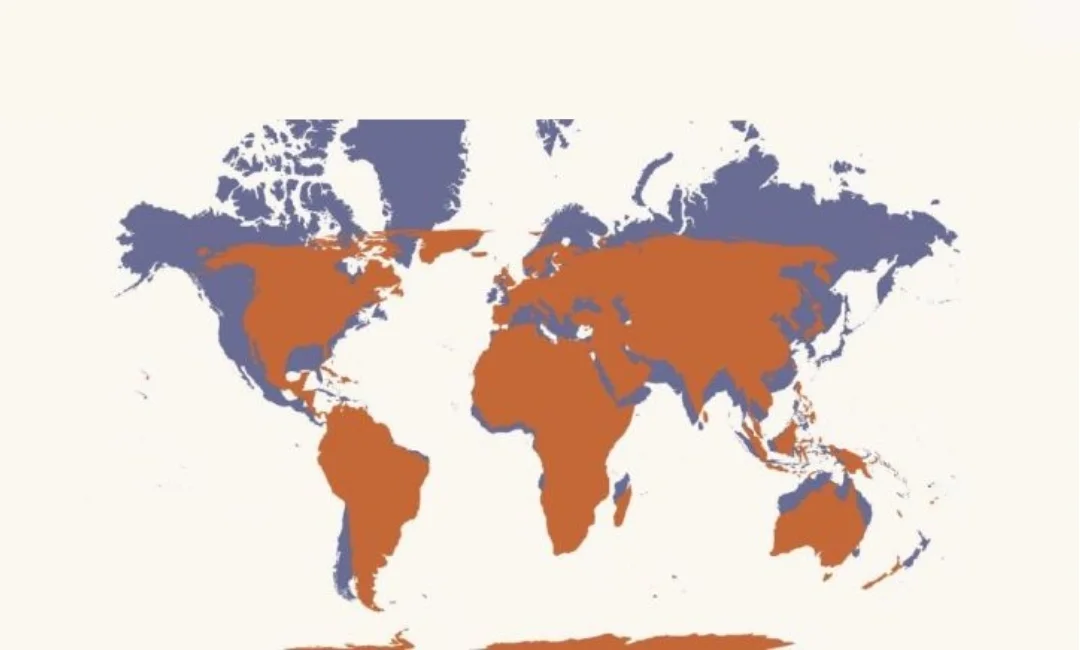
- UN resolution challenges world maps that make Africa look smaller
- Zimbabwe edges closer to arrears payment, debt restructuring and reset of ties with IMF
- Tanzania coffee industry mulls commercializing wastes to spur fresh revenue streams
- Reasons for African Currencies Growing in Significance for Business Decisions
- Nairobi forum launches push to close Africa’s climate protection gap
- East Africa’s lessons from India’s economic growth playbook
- Tanzania and Serbia to revive falling trade relations


Browsing: Kenya
It is important to take a clear view of the past to understand the complexities of the future. In this case, the trade relations issues of the past between Kenya and Tanzania showcase how these nations have much work to do.
In June 2022, Kenya pointed out that its trading partner—Tanzania doubled the cost of export permits by almost 93 per cent, which could spark another set of disputes with the Kenyan government.
This scenario impacted trucks transiting into Kenya with precious and expensive cargo—amid the new requirement demand. Hundreds of trucks were left stranded at the border.
In 2020, Tanzania brought another set of issues, arguing that its trade partner Kenya used zero-rated industrial sugar imports to produce various products. Hence, concerning this, Tanzania imposed a 25 per cent import duty on Kenyan confectionery, including chocolate, chewing gums, sweets, ice cream and juice.
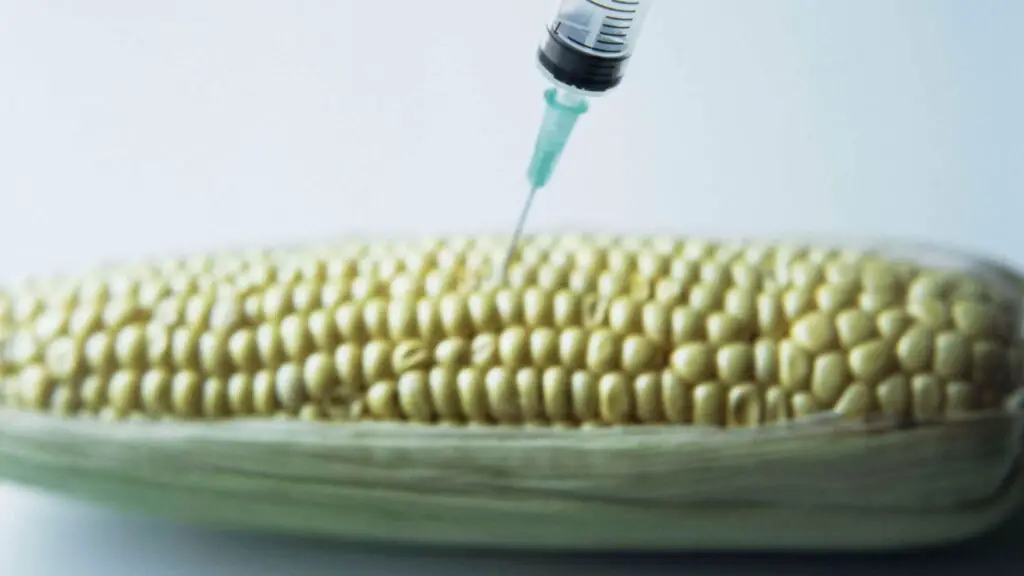
Certain GMOs have modifications that render them resistant to specific antibiotics. Theoretically, when people or animals eat these plants, their genes may be ingested. As a result, the individual or animal may also get resistant to antibiotics.
There have been worries that food DNA could damage the immune system ever since some food scientists discovered in 2009 that food DNA can survive as far as the gut.
Additionally, some people have expressed concern that consuming GMO food can alter human genetics. But whether a food is genetically modified or not, the majority of its DNA is either eliminated by cooking or degrades before it reaches the large intestine.
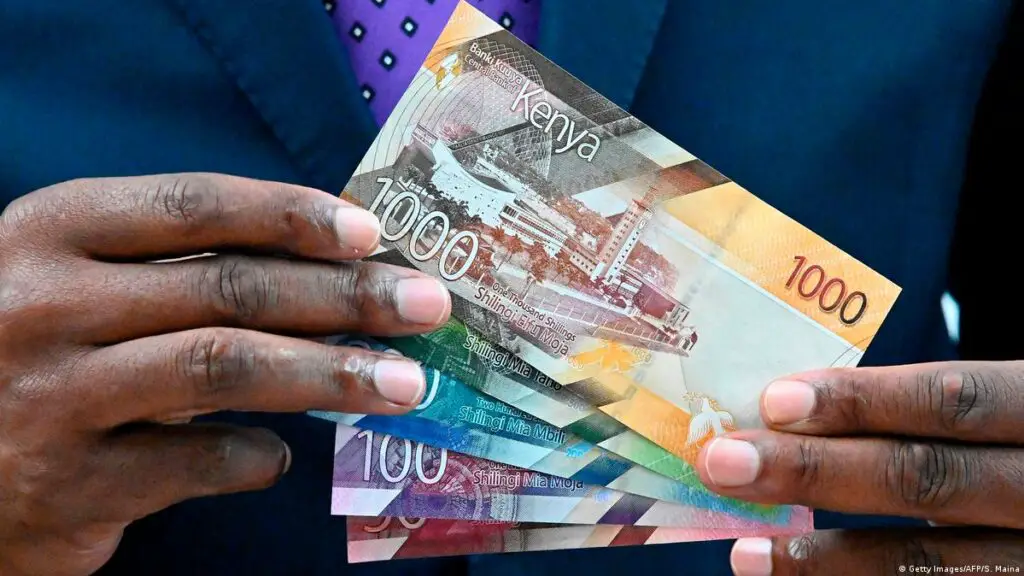
Kenya is one of 23 African nations at risk of debt distress. The major causes of debt distress include poor fiscal management and macroeconomic frameworks to sustain growth, a shift in debt structure toward more costly financing sources, and excessive government expenditure levels.
Kenya’s debt was at about 70 per cent of GDP in 2021, up from 50 per cent in 2015. China is Kenya’s biggest bilateral creditor. It accounts for 67 per cent of the bilateral debt (primarily for infrastructure projects), an increase from 13 per cent in 2011.

KCB Bank Kenya has set aside KSh 250 billion to fund women entrepreneurs in the next five years, cementing the…
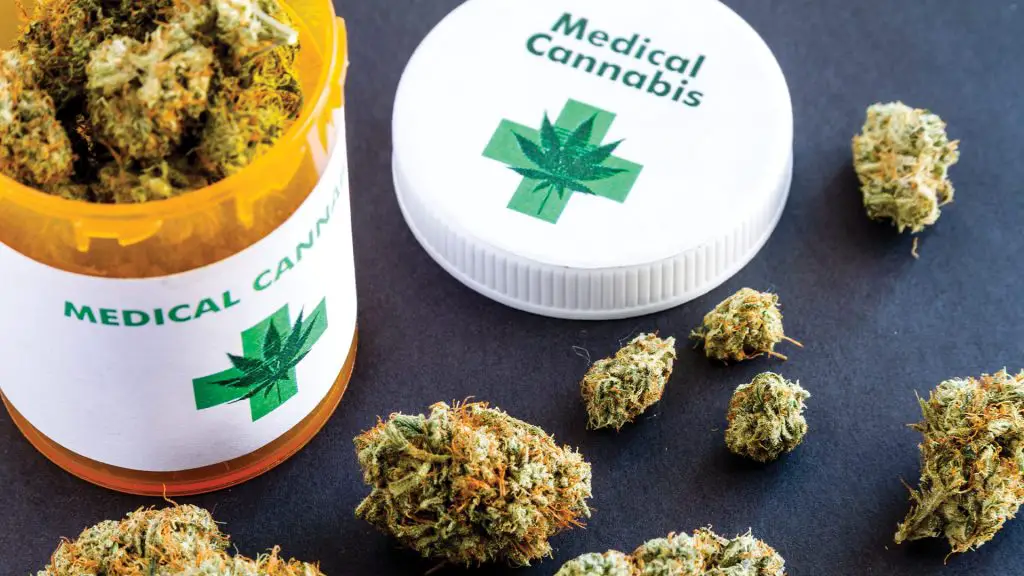
Medical marijuana may very well be the agri-business that Africa needs to get its economies high in the global multi-billion…

Why does this happen? Is it governance? Is it the CEO? Is it the CEO’s relationship with the Board of Directors? Or is it something else?
High CEO turnover may boil down to an individual problem, but before pointing too many fingers, organizations may want to turn inward and seek any possible problems occurring in the history of the role as well.
Now, let us look at Kenya’s top four CEO changes in 2022.

Kenya’s Safaricom has launched 5G Wi-fi, more than a year after it announced it was conducting trials for the world’s…
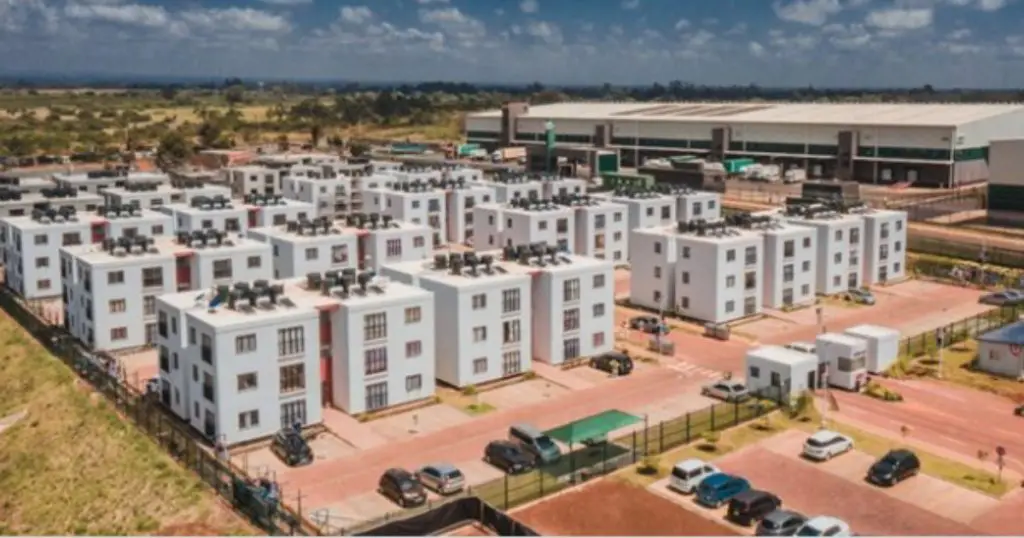
Unity Homes has completed 10.0 per cent of its KSh 5.4 billion housing project dubbed Unity East Unity East sits…

Peter Ndegwa has mobilised his Kenyan counterparts to join the Africa Business Leaders Coalition The Safaricom chief executive urged CEOs…
This year’s progress has been threatened by Russia’s invasion of Ukraine, which has caused a global economic shock that has hit Africa at a time when the government’s policy space to respond to it is small to nonexistent.