

Trending
- Minisend grows Kenya presence as official payment partner of Africa Blockchain Festival 2026
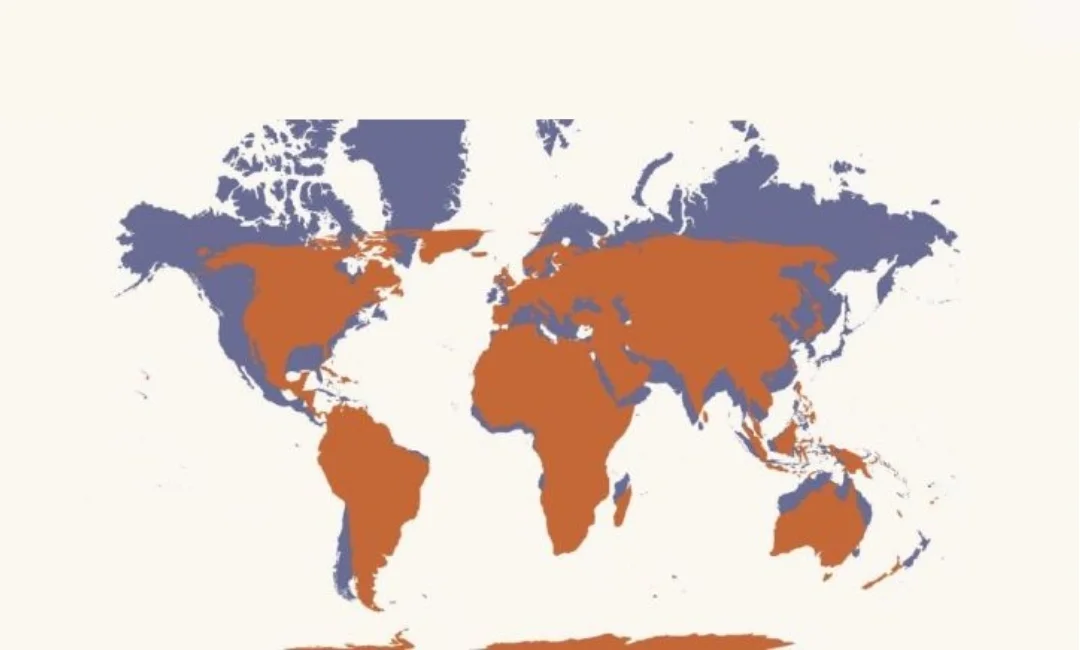
- UN resolution challenges world maps that make Africa look smaller
- Zimbabwe edges closer to arrears payment, debt restructuring and reset of ties with IMF
- Tanzania coffee industry mulls commercializing wastes to spur fresh revenue streams
- Reasons for African Currencies Growing in Significance for Business Decisions
- Nairobi forum launches push to close Africa’s climate protection gap
- East Africa’s lessons from India’s economic growth playbook
- Tanzania and Serbia to revive falling trade relations


Browsing: Kenya
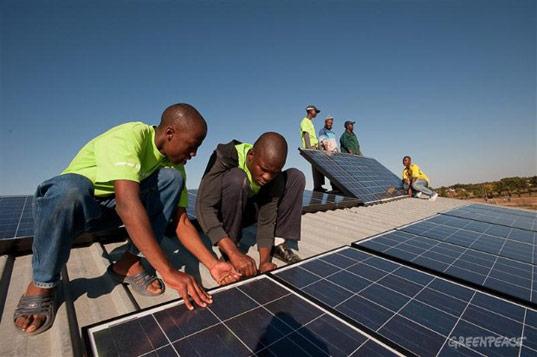
However, all efforts have been directed in that sector to try and make it greener and cleaner. Among consumers, a major shift is now being witnessed with most of the industries investing in clean energy sources that are both affordable and sustainable.
Such initiatives have made Kenya be rated among the top countries that are implementing their nationally determined contributions that seek to cut greenhouse gas emissions in the country by 32 per cent by 2030.
The latest industry to have made noted efforts to transit to clean Energy is Bamburi Cement Factory situated in Bamburi Mombasa.
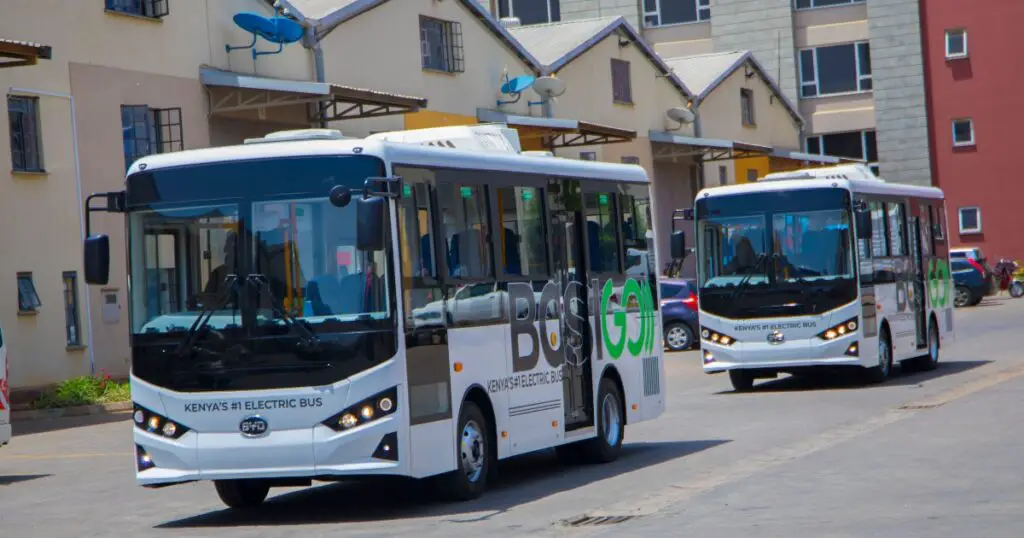
BasiGo has received a $4.3 million Seed funding round, led by Novastar Ventures, to commercialise its electric bus business model…
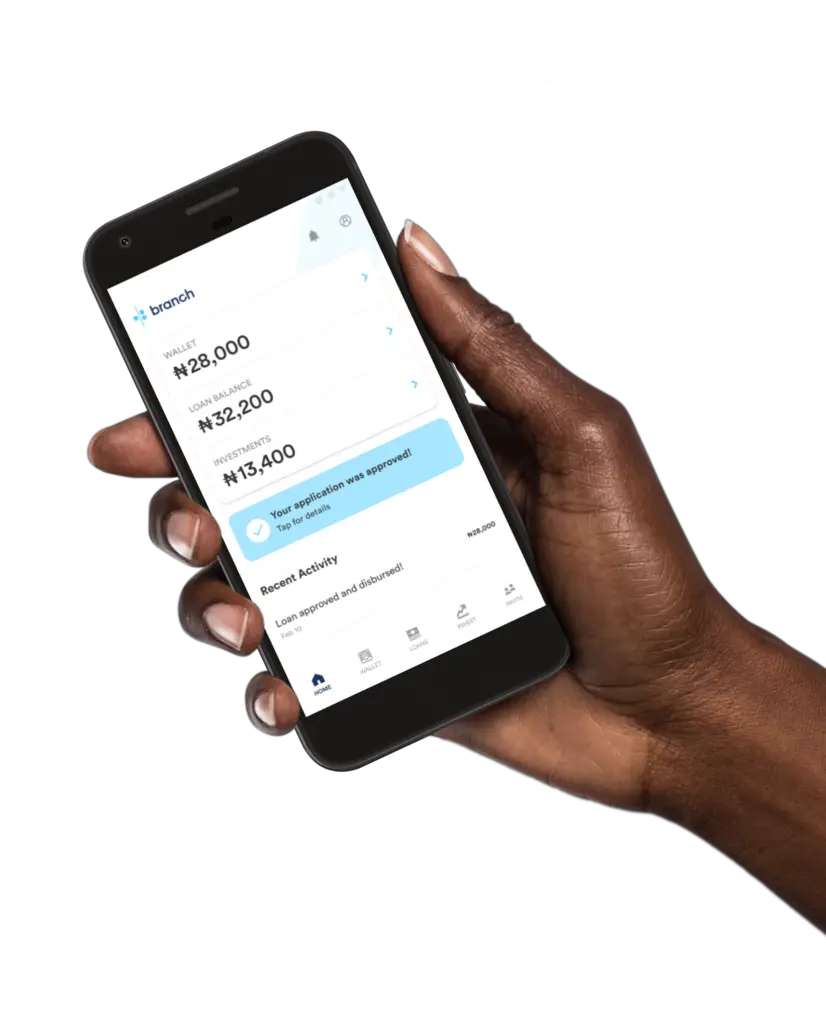
This comes after the National Treasury exempted the digital lender from a law limiting individual shareholding in microfinance to 25 per cent.
In a gazette notice signed by the Cabinet Secretary National Treasury, Ukur Yatani, the San-Francisco based fintech has been exempted from Section 19 of the Microfinance Act (for 4 years through 2025).
Currently, individuals or single entities are barred from holding more than a 25 per cent stake in a microfinance institution.

However, economic growth and the rapid expansion of digital and mobile services are set to change this.
With the African middle class growing across many African nations, the target market for insurance products is growing.
The report highlighted that there has been a significant rise in demand for digital solutions, as smartphone and affordable internet penetration deepens across the continent, providing opportunities for InsureTechs to step in and offer innovative products.
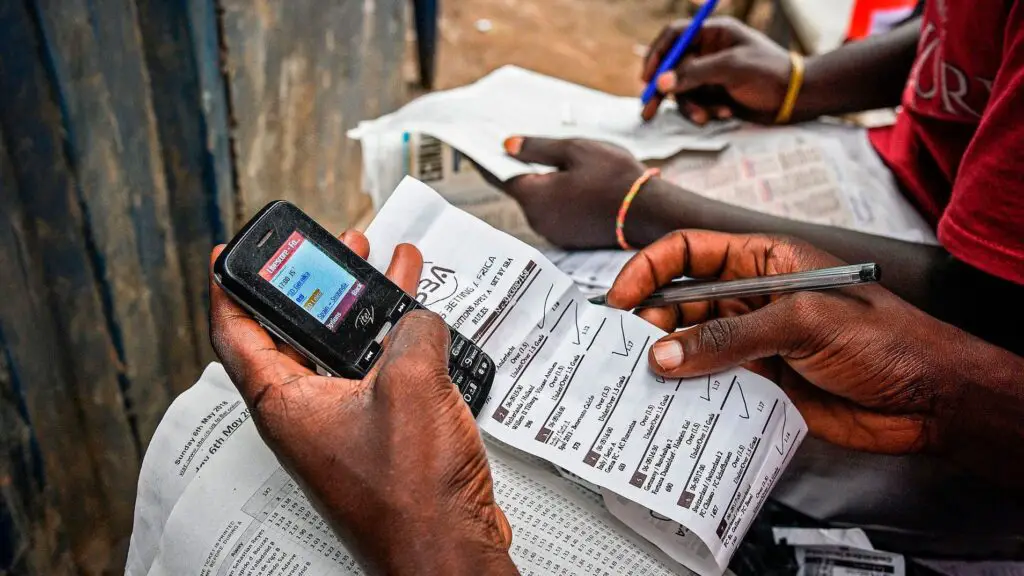
Sixty-nine per cent of Kenyan businesspeople said that digital payments have positively impacted their businesses as they can easily track expenses and income returns, which reduces errors and enables faster transactions.
The Central Bank of Kenya (CBK) has been pushing mobile money payments recently. Last year, following the outbreak of the COVID-19 pandemic, the Kenyan government released a directive through CBK, instructing commercial banks and payment service providers to halt charges on all transfers from mobile money wallets and bank accounts.
Despite the positive trajectory in digital payments adoption in Africa, Visa says there still is room for improvement.
Findings show that increasing costs in every market due to a year of supply disruption did not deter data centre demand in most markets including Nairobi and Johanessburg.
The two African capitals were among 44 other locations that were surveyed.
According to the study, despite the negative impact of the coronavirus pandemic, demand remained relatively steady when compared to other industries owing to governments’ decisions to make working and schooling from home mandatory.
Data by the World Bank Group reveals that Kenya’s electrification rate currently stands at 70 per cent Easing the financial…
Norrsken22 plans on capitalizing on its general partners’ years of experience and investment philosophies to back startups in fintech, MedTech, Edtech, and market-enabling solutions such as B2B marketplaces and inventory management businesses.
Kolbe, whose previous firm Actis backed Egyptian fintech giant Fawry in 2019 as it prepared to go public, said Norrsken would look at Egypt ‘opportunistically.’
Deals from the country that may be of interest to the firm will be those planning an expansion into the four markets Norrsken22 is currently keen on, including Nigeria, Ghana, Kenya and South Africa.
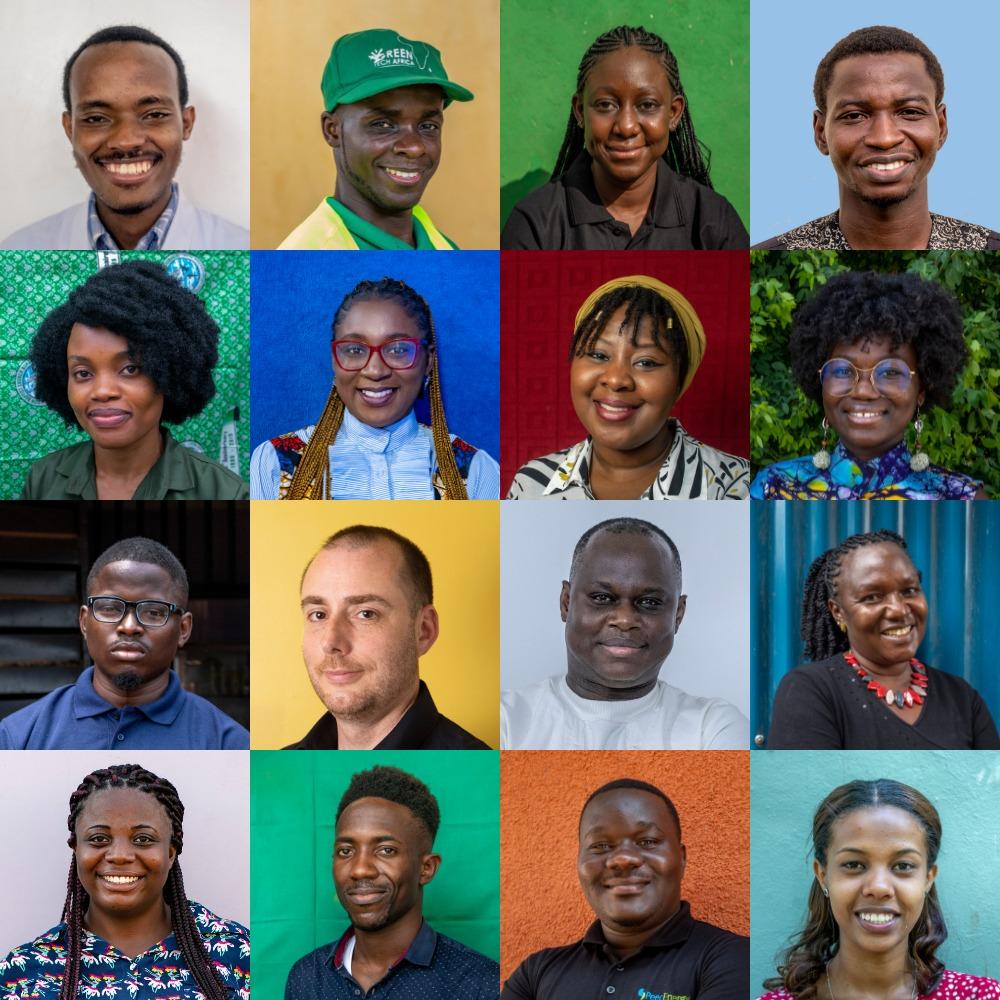
The programme will facilitate access to the Royal Academy’s global network of experienced, high-profile and business experts, in addition to access to the alumni network upon completion of the programme.
Moreover, 2022 is the programme’s second consecutive year to render a digital experience, with rigorous support provided through person-to-person and group discussions.
Four finalists will pitch their revised and improved innovations and business plans to the judges in the presence of a live audience.
While tech has presented an avenue to create jobs, supply isn’t catching up with demand. Additionally, the continent’s best talents are leaving in droves to foreign companies in the U.S, Canada, the U.K., and Germany.
AltShcool Africa founded by Adewale Yusuf, Akintunde Sultan and Opeyemi Awoyemi last October in Nigeria, has already received more than 8,000 applications for its software engineering program which starts in April.
These applications come from 19 countries (including 14 African countries) and Yusuf said the company received the most entries from Nigeria, Ghana, Uganda, Kenya and Botswana.