

Trending
- Minisend grows Kenya presence as official payment partner of Africa Blockchain Festival 2026
- UN resolution challenges world maps that make Africa look smaller
- Zimbabwe edges closer to arrears payment, debt restructuring and reset of ties with IMF
- Tanzania coffee industry mulls commercializing wastes to spur fresh revenue streams
- Reasons for African Currencies Growing in Significance for Business Decisions
- Nairobi forum launches push to close Africa’s climate protection gap
- East Africa’s lessons from India’s economic growth playbook
- Tanzania and Serbia to revive falling trade relations


Browsing: Kenya

A new finding now shows that women are now taking the lead in the transformation of Africa as the continent…
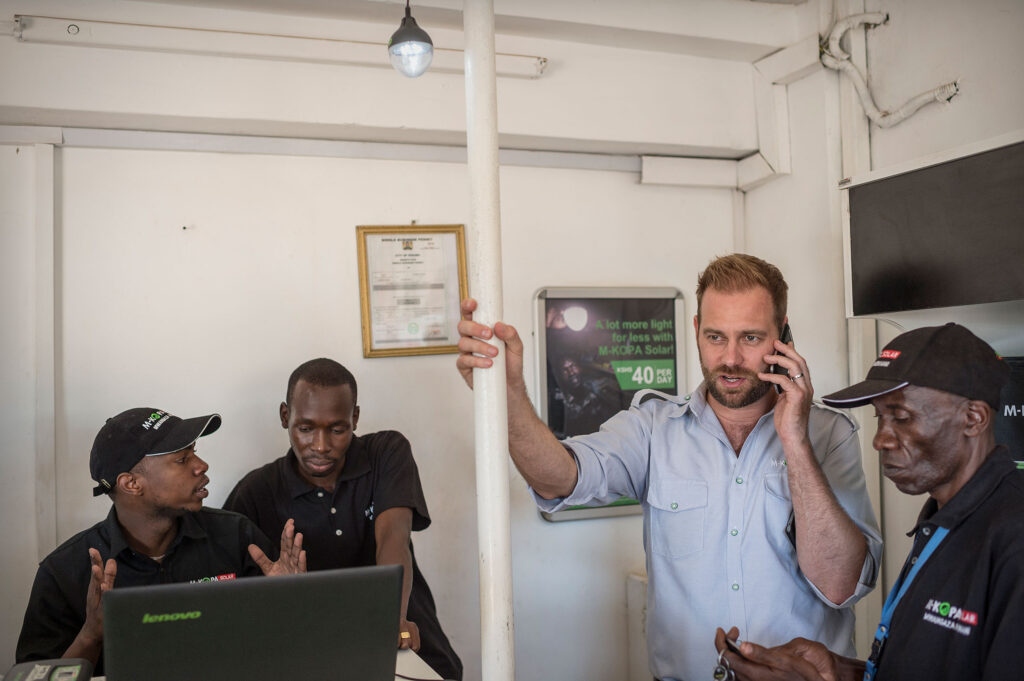
M-KOPA enables underbanked customers in select African markets to access a broad range of products and services without collateral or…
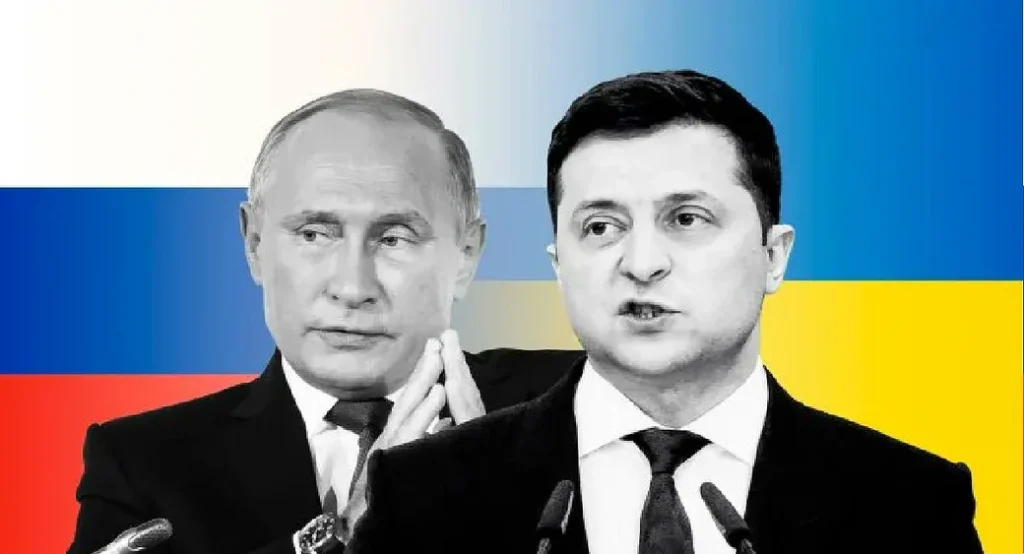
Ethiopia is the biggest Wheat producer in Africa, producing about 5.1 million tonnes in the 2020/2021 financial year. Russia’s restriction on the importation of Wheat has created a business gap in the African market and all over the globe.
Russia and Ukraine account for more than 70 per cent of Egypt’s imported wheat demand. In 2019, wheat imports from Russia to Egypt were worth US$2.55 billion, and Nigeria’s imports amounted to US$394 million. Other countries that import Russian Wheat include Sudan, Senegal, Tunisia and Morocco. Ethiopia will hold talks with Egypt and Sudan in March 2022 over the Nile waters’ use. Both countries are importers of Wheat, and production in Ethiopia could fulfil the demand from these two countries without exerting pressure on their production.
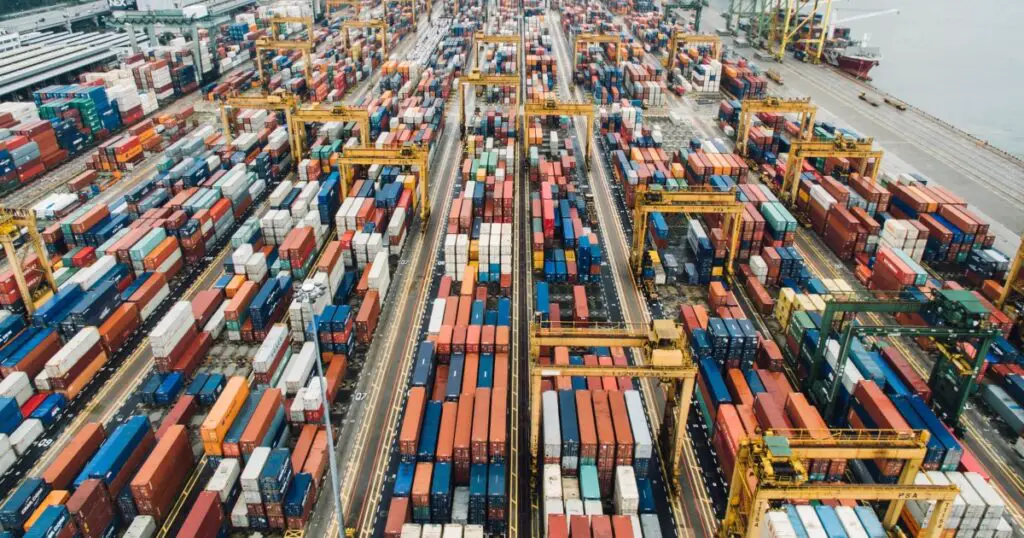
Global trade will grow by 70 per cent from USD17.4 trillion to USD29.7 trillion by 2030, data by Standard Chartered…

The CET maximum rate was a realization by the EAC Secretariat on the proposed Common External Tariff (CET) rates of 30 per cent, 33 per cent and 35 per cent classified under the fourth (maximum) band, which include textiles, iron, steel and motor vehicles.
The East African Business Council (EABC) urges the partner states- Kenya, Uganda, Tanzania, Burundi, Rwanda and South Sudan- to adopt the maximum CET tariff trade to spur industrialization and strengthen the regional value chain.
In 2020, the total intra-EAC trade stood at 11.8 per cent, amounting to US$6.39 billion. The proposed 35 per cent tariff is set to boost the trade between EAC member states to US$6.4 billion.
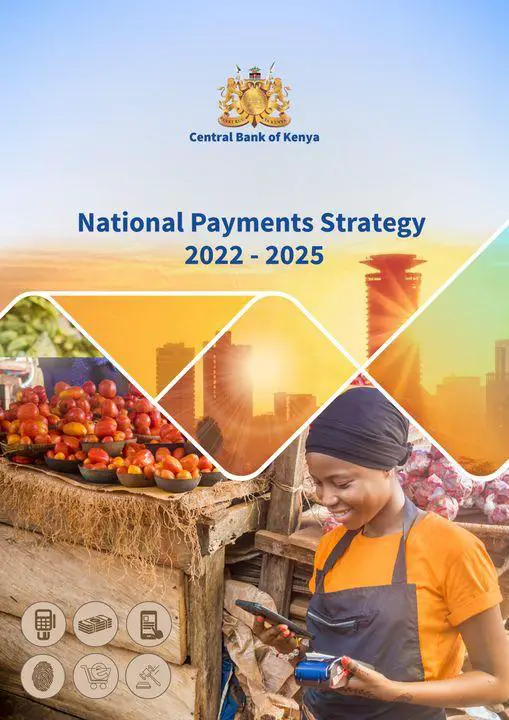
The first National Payments Strategy implemented in 2004 through to 2008, was aimed at addressing challenges across risks due to the absence of a real-time settlement system, limited trust in payment instruments such as high-value cheques and an under-developed policy, legal and regulatory framework.
The NPS is motivated by a desire to meet the diverse needs of the Kenyan people and its economy and support our nation’s ambition for a digital, inclusive and 24/7 economy. The Strategy will also be the basis for consolidating and extending Kenya’s global leadership in digital payments and innovation. Finally, the Strategy will provide the overarching policy framework that will guide the work to strengthen the NPS legal and regulatory framework.
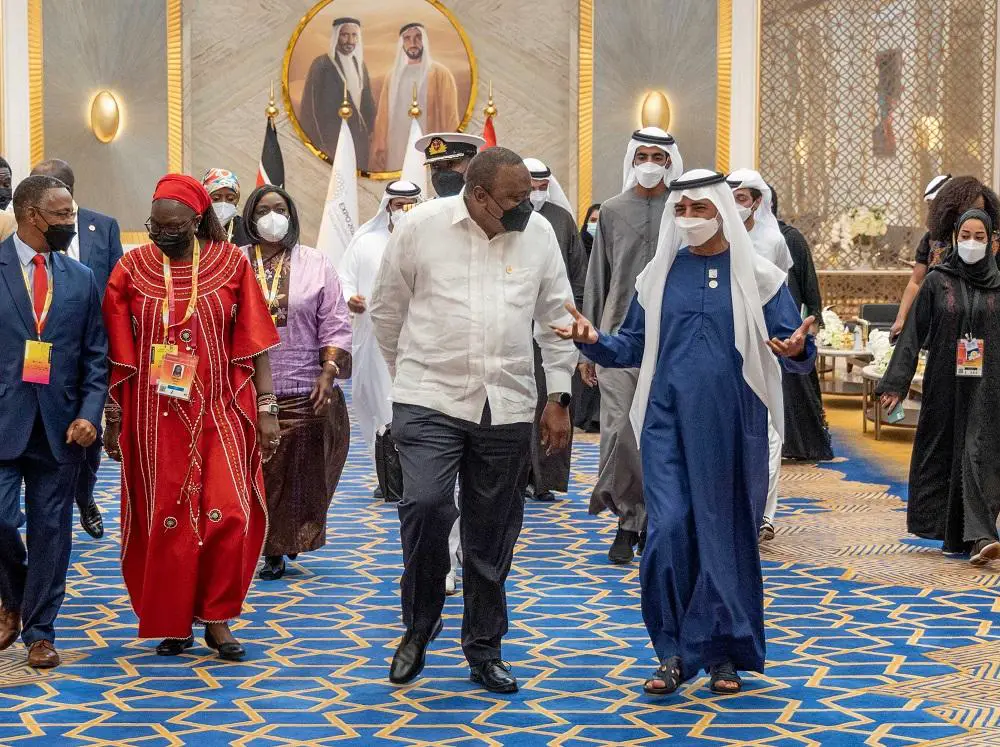
According to the Mohamed Ali Al Shorafa Al Hammadi, Khalifa Fund, and the Abu Dhabi Department of Economic Development Chairman, the directive of Sheikh Mohamed bin Zayed Al Nahyan to establish a centre for innovation and tech-focused entrepreneurship in Kenya comes as part of the UAE’s ongoing commitment to contribute towards empowering talented innovators and entrepreneurs globally.
“With centres such as these, we provide entrepreneurs with resources, support and guidance to contribute to their local and global economy, bringing about positive economic implications and security,” Al Shorafa said.
He added that the collaboration between the United Arab Emirates and Kenya through the Khalifa Fund would see Kenya having the same levels of achievement as has been experienced in the United Arb Emirates.
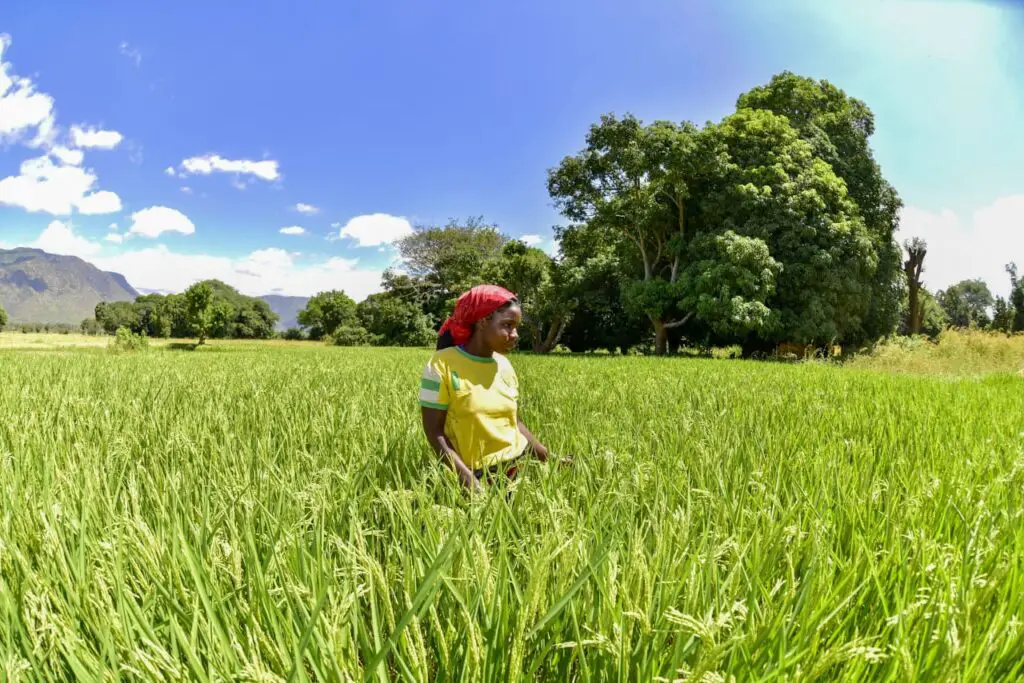
With so many more mouths to feed every year, the World’s ambitious Sustainable Development Goals, particularly on poverty eradication and ending hunger, seem further away than ever before.
The trend is global, and on October 16, 2021, the UN admitted and warned that the global fight against hunger is being lost.
With the warning, the UN called for action to improve food security for the world’s most vulnerable people, African coming on top of that list. For a place that relies so heavily on substantial farming for a livelihood, Africa faces a most daunting reality, clear forests to farm, lose potential output.

In Tanzania, the Fair Competition Commission (FCC) is responsible for promoting and protecting effective competition in trade and commerce as well as protecting consumers from unfair and misleading market conduct.
Without such an entity, companies use false advertising to capture markets, mergers of large firms occur undermining smaller businesses unfairly and the end-user, the consumer, is put at threat.
It is for this reason that Tanzania has recently passed the Fair Competition Order which sets out the thresholds for mergers that should be reported to the Fair Competition Commission (the FCC). In this most recent Order, Tanzania moved the merger notification threshold from USD 360,000 to USD 1.6 million.

Protectionism and non-tariff barriers persist between the two countries countries have varying processes which seriously delays the movement of goods…