Trending
- Minisend grows Kenya presence as official payment partner of Africa Blockchain Festival 2026
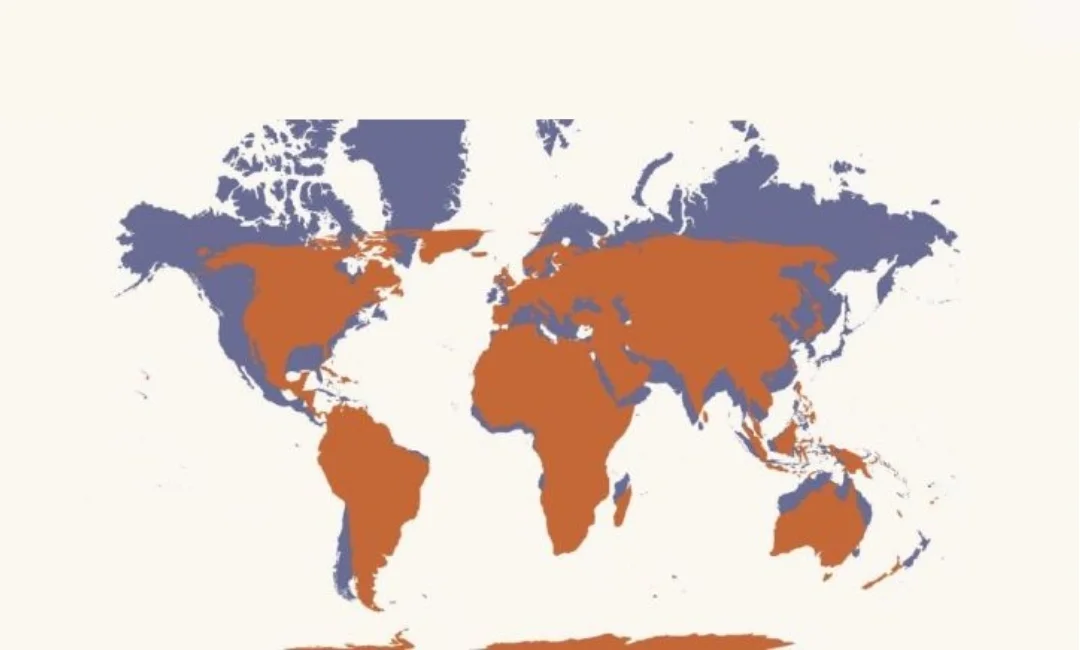
- UN resolution challenges world maps that make Africa look smaller
- Zimbabwe edges closer to arrears payment, debt restructuring and reset of ties with IMF
- Tanzania coffee industry mulls commercializing wastes to spur fresh revenue streams
- Reasons for African Currencies Growing in Significance for Business Decisions
- Nairobi forum launches push to close Africa’s climate protection gap
- East Africa’s lessons from India’s economic growth playbook
- Tanzania and Serbia to revive falling trade relations


Browsing: Kenya

The trio bought bitcoins worth KSh5 billion (US$43 million) in the UAE, the United States and several other European countries,…

This comes after a few weeks ago, a law firm threatened to sue Meta (formerly Facebook) and Sama over the alleged unsafe and unfair work conditions dolled on its content moderators.
Nzili and Sumbi Advocates alleged that Sama had breached a number of rights including the health and privacy of its Kenyan and international staff.
The law firm demanded that both Meta and Sama adhere to Kenya’s labour, privacy and health laws, including that it provides its content moderators with adequate mental health insurance and better compensation.
Additionally, the law firm demanded that the two firms recruit qualified and experienced health professionals for the content moderators.
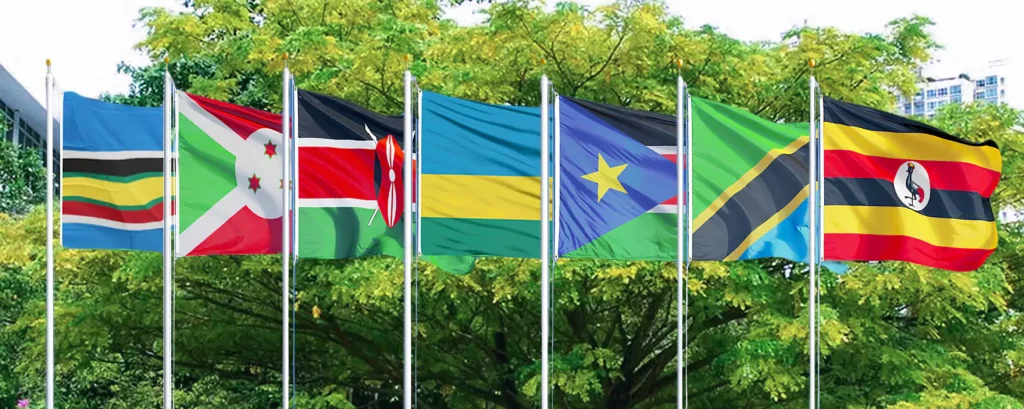
With the recent addition of the DRC to the East African region, landlocked countries have found an alternative port of entry in the Atlantic Ocean. The swiftness of trade with two ports of entry and the region’s strategic location will be incomparable to any other region on the continent.
The East African Federation would be the fourth largest country in both population and landmass, trailing after China, India and the United States. President Uhuru Kenyatta says that the federation would have over 300 million people.
The gross domestic product for the region will sum up to US$250 billion, the fourth-largest in Africa and the 34th biggest globally. Since the beginning of the last decade, East Africa has had the fastest growing economy globally. In 2019, the region’s economy grew by about 5 per cent. If the federation continues with this growth rate, the new country would quickly become the biggest superpower in Africa.
The EAF would become Africa’s largest superpower precisely because of the weaker nations surrounding the region. Among the languages official languages suggested in the region will be English and Swahili.
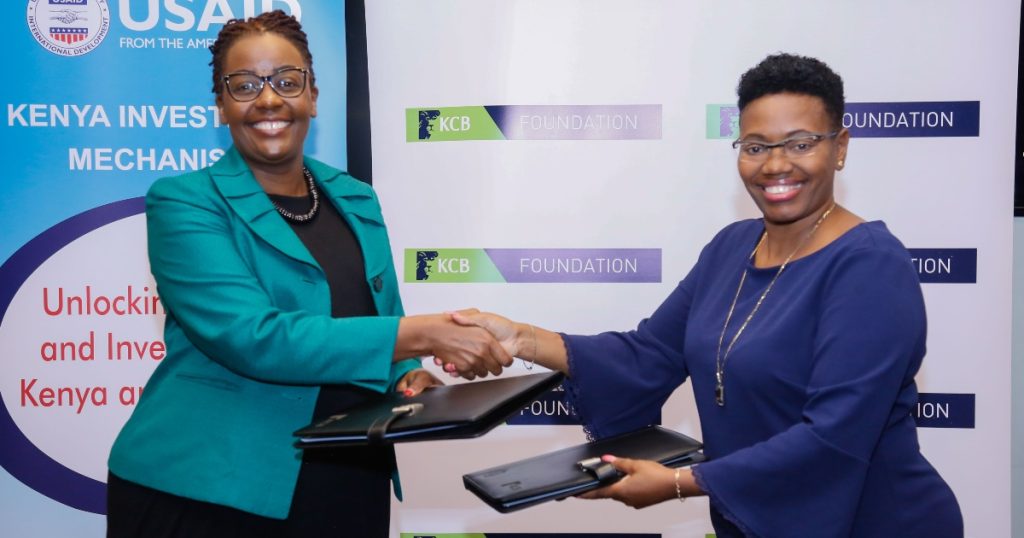
Livestock farmers in Kenya’s arid and semi-arid lands (ASALs) will receive training and financing from KCB Foundation The partnership will…

Equity Group grew the volume of diaspora remittances it processed by 39 per cent in 2021 compared to the corresponding…

Kenya’s PesaLink payments ecosystem has signed a Memorandum of Understanding (MoU) with Mastercard to create innovative, digital-first payment solutions PesaLink…
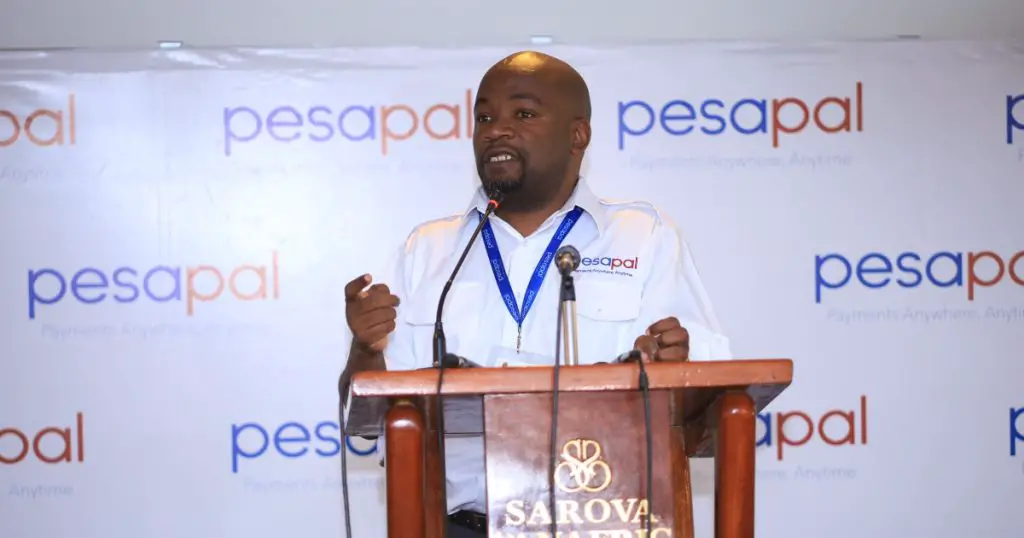
The hospitality sector has been challenged to adopt innovative tech-based solutions to grow and survive the adverse impact of Covid-19…
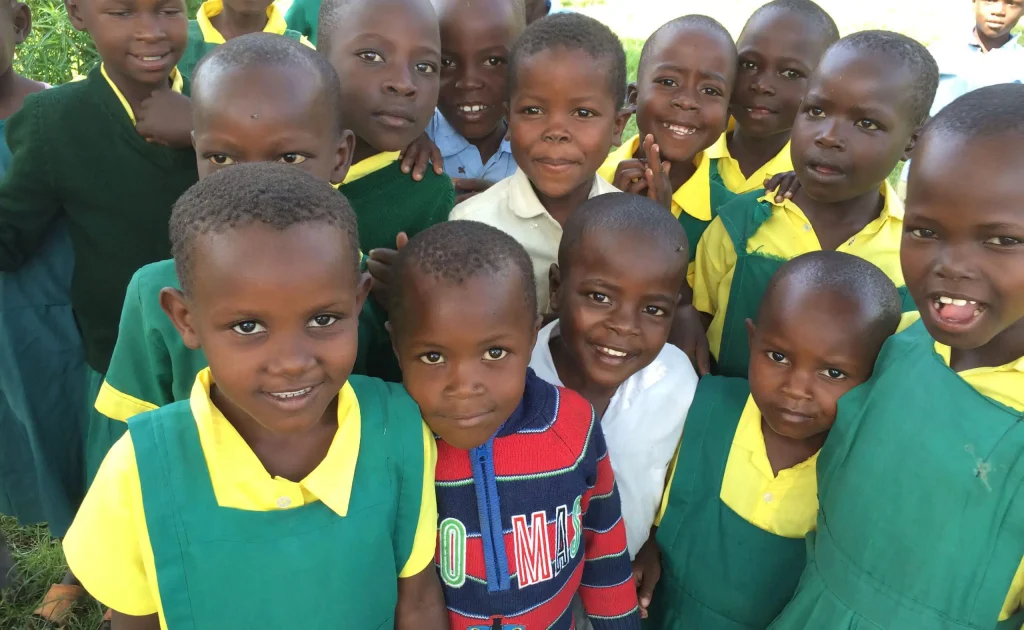
AKF has a very deep-rooted history of funding education initiatives in Africa. This effort is one of many funding partnerships that give life to education programs in the region and eliminate illiteracy within communities.
Gone are the days of education being an overlooked sector. Over the past decade, funding for education has assumed a critical shape.
Aga Khan Development Network (AKDN) has been investing in education in Africa for several decades, from the early stages of learning to the university level.
AKDN has contributed to enhancing education systems in Uganda, Tanzania and Kenya with the support of partners—the network has reached 1,300 public schools, trained 6,00 teachers, and reached 500,000 students.

Stanbic Bank Kenya and the African Guarantee Fund for Small & Medium-sized Enterprises (AGF) have signed a Loan Portfolio Guarantee…

Social commerce may seem like a more foreign concept but it is widely used across Africa Online shopping has gained…