
Trending
- Minisend grows Kenya presence as official payment partner of Africa Blockchain Festival 2026
- UN resolution challenges world maps that make Africa look smaller
- Zimbabwe edges closer to arrears payment, debt restructuring and reset of ties with IMF
- Tanzania coffee industry mulls commercializing wastes to spur fresh revenue streams
- Reasons for African Currencies Growing in Significance for Business Decisions
- Nairobi forum launches push to close Africa’s climate protection gap
- East Africa’s lessons from India’s economic growth playbook
- Tanzania and Serbia to revive falling trade relations


Browsing: Kenya
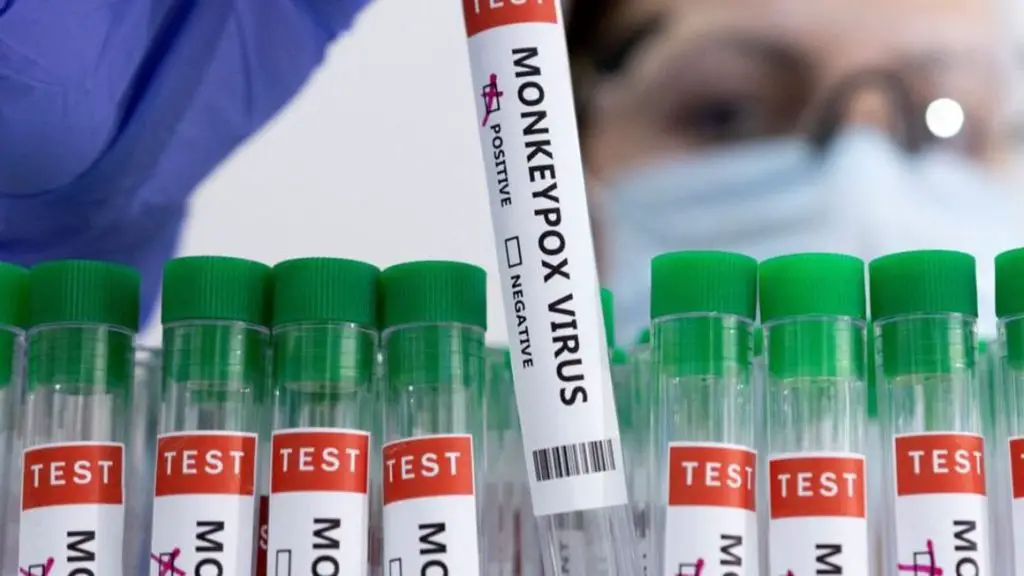
Cases so far have “mainly but not exclusively been identified amongst men who have sex with men,” according to WHO. This new revelation is against known medical knowledge of the disease because the WHO considers monkeypox not to be a sexually transmitted infection.
In a recent media briefing, Dr John Brooks, an epidemiologist with the US Centers for Disease Control and Prevention, explained that “…monkeypox is not a sexually transmitted infection in the typical sense, but it can be transmitted during sexual and intimate contact.”
From there onwards, the disease has continued to spread, as of May 21st the WHO has reported some 92 confirmed cases and 28 suspected ones. In the wake of this outbreak in the UK, other cases have been reported in Spain and Portugal and several other European countries.

Uganda to resume sugar imports into Tanzania Kenya is yet to allow the proposed import of 90000 tonnes of Ugandan…
For this reason, the WHO is working tirelessly to stop tobacco use, while also working to make nicotine replacements available to smokers who want to quit.
In Kenya, by contrast, the anti-tobacco lobby has fused tobacco and nicotine into one and decries any voice seeking tobacco harm reduction or reduced smoking as a paid party.
Thus, nicotine pouches are being produced in Kenya that are selling across Africa and globally, but, in Kenya itself, they are banned.
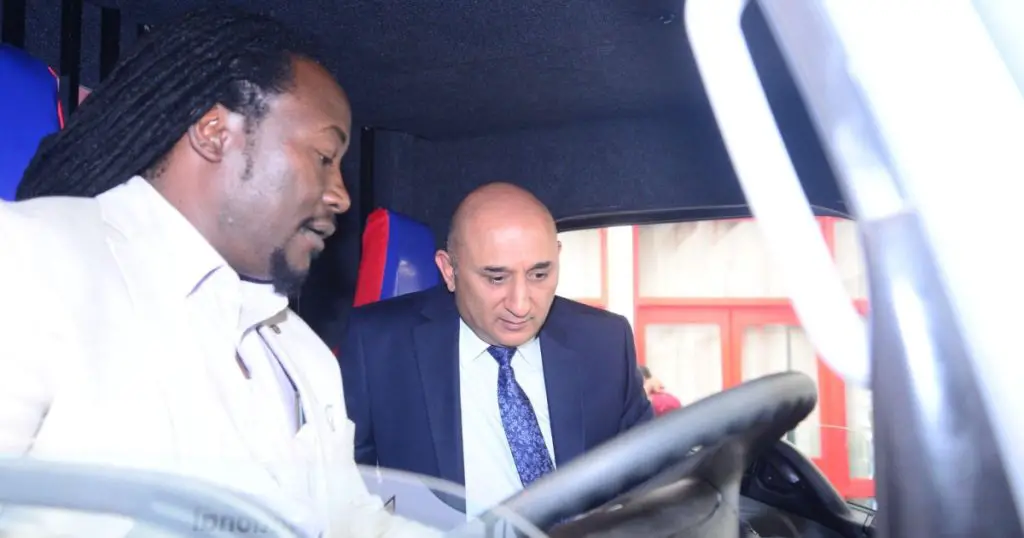
While receiving the first batch of 25 FUSO Canter buses by Simba Corporation, MetroTrans Chief Executive Officer Oscar Rosanna noted that the move would allow them to ease the increasing demand for buses on their existing routes.
It would also help them serve their customers better by offering cashless payments. The digital offering will be supported and enabled by the technology company SWVL which allows users to make and track bookings through the SWVL app.
The CEO added that they would also add another 55 buses by the end of the year that will be used to gain footing in older routes, and they seek to join new routes.
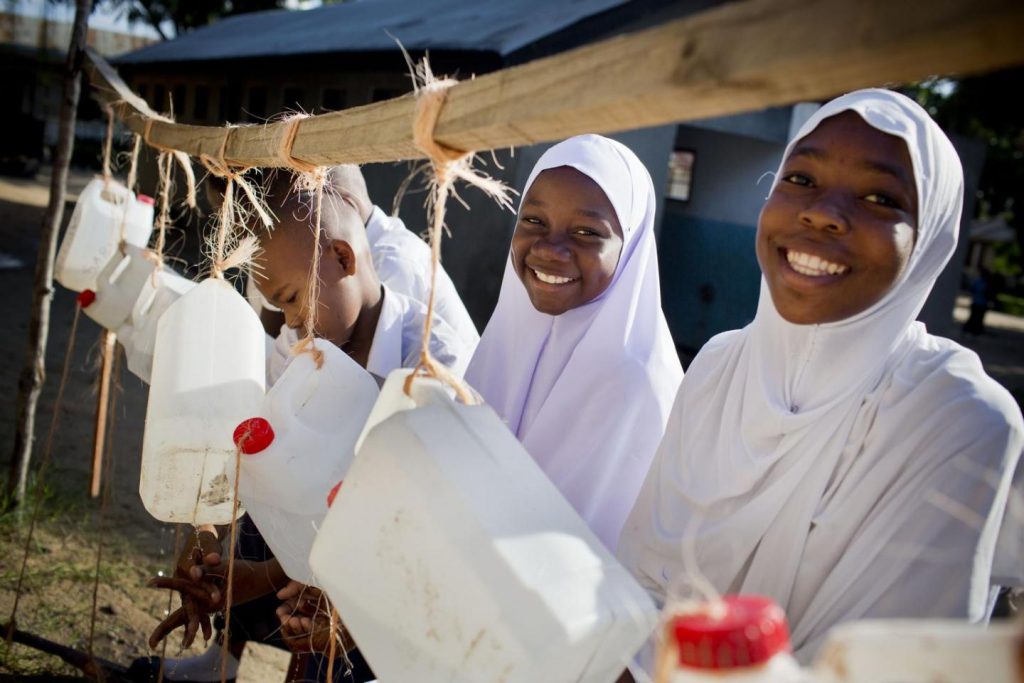
With numerous international companies and organizations operating in Tanzania’s rural areas, input by this sector has huge direct impact on the related communities.
Support ranges from digging of wells to funding irrigation and smart agriculture projects. There is also the matter of lack of adequate financing and poor sanitation all of which gravely hold back social and economic growth across the country.
Also, as the minister pointed out, through CSR, companies have the opportunity to help the government increase water supply by digging wells for rural communities and by protecting water catchment areas in places they operate.

The Africa Green Hydrogen Alliance targets accelerating the transition from fossil fuels overreliance that has made the continent reluctant, as…

The current president of Tanzania is actively pursuing a foreign policy distinct from the one pursued by the late Magufuli,…
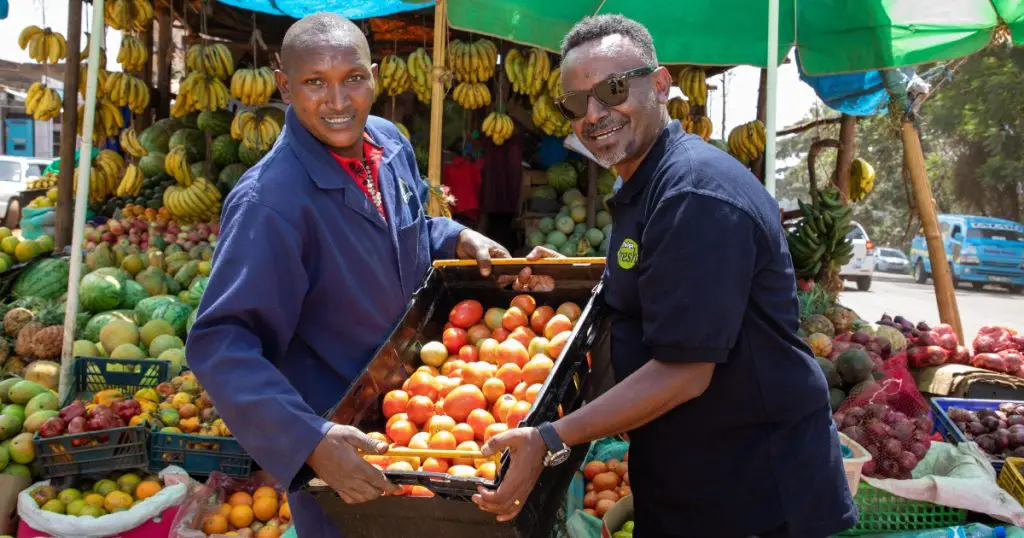
Kenya’s Twiga Foods has launched Twiga Fresh, a new subsidiary that will grow the company’s range of private label products…

These AWS Local Zones deliver single-digit millisecond latency performance at the edge of the cloud to hundreds of millions of…
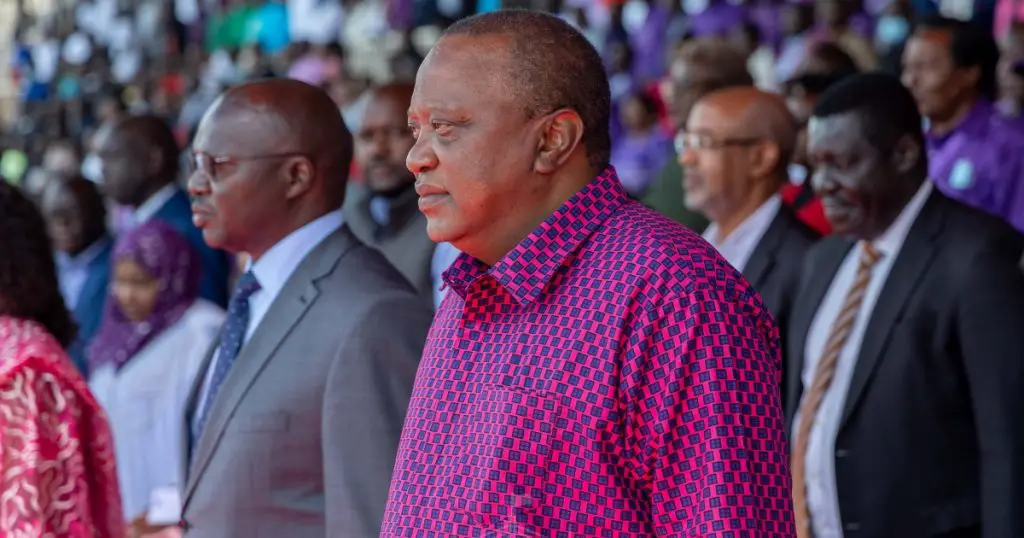
President Uhuru Kenyatta has announced a minimum wage increase of 12 per cent from 1st May 2022 to cushion workers…