

Trending
- Minisend grows Kenya presence as official payment partner of Africa Blockchain Festival 2026
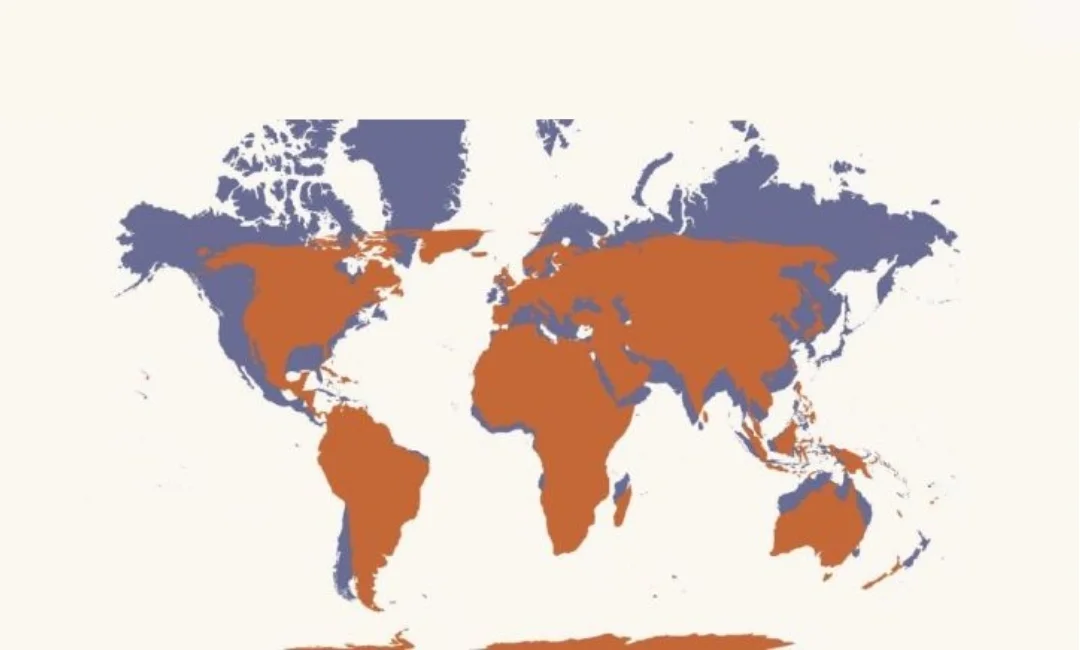
- UN resolution challenges world maps that make Africa look smaller
- Zimbabwe edges closer to arrears payment, debt restructuring and reset of ties with IMF
- Tanzania coffee industry mulls commercializing wastes to spur fresh revenue streams
- Reasons for African Currencies Growing in Significance for Business Decisions
- Nairobi forum launches push to close Africa’s climate protection gap
- East Africa’s lessons from India’s economic growth playbook
- Tanzania and Serbia to revive falling trade relations


Browsing: Kenya

Jubilee Health has partnered with M-TIBA & Solution Sacco to launch a comprehensive and affordable health insurance cover dubbed “Solution…
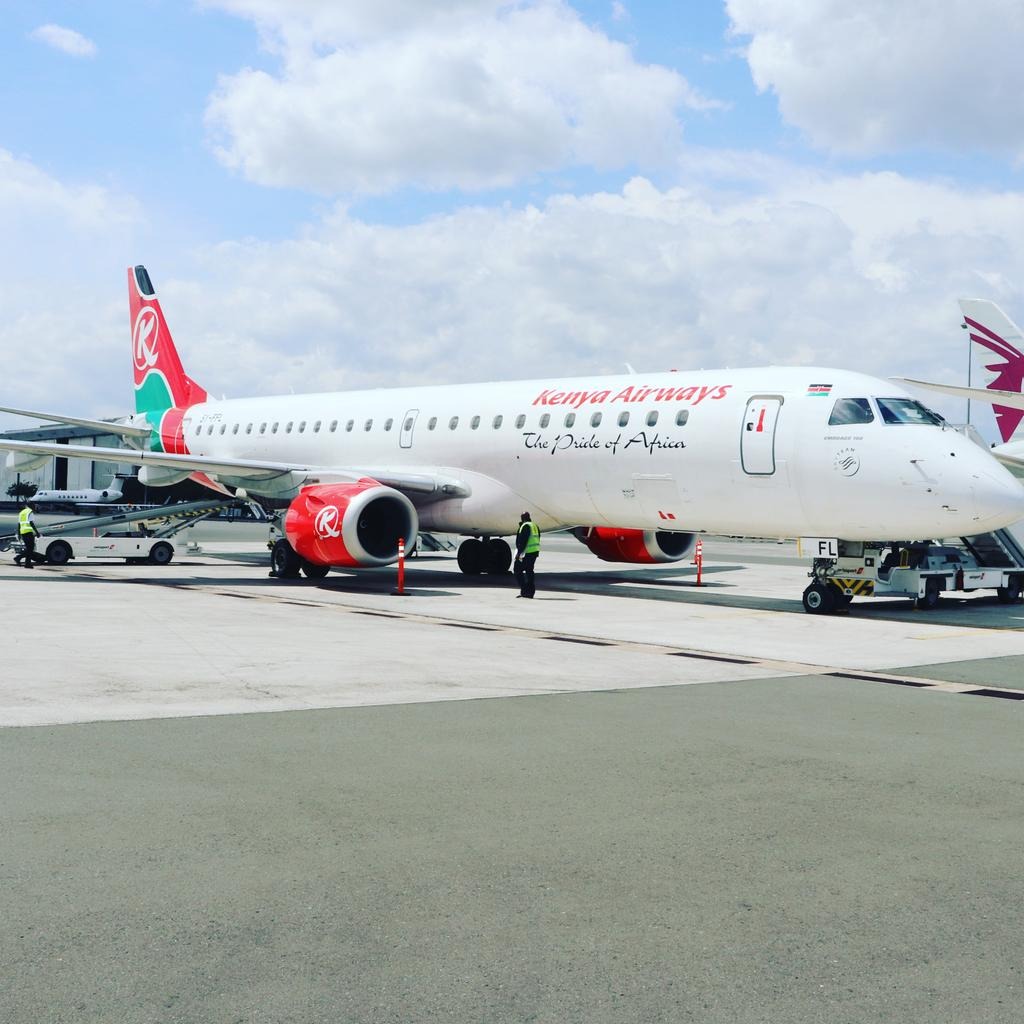
Kenya Airways (KQ) and South African Airways (SAA) have signed a codeshare agreement that opens more destinations for seamless travel…

Kenya will receive a €63 million/$63 million loan (KSh 7.5 billion) from the African Development Bank (AfDB) to boost its…

The Kenyan government has announced a fuel relief targeting consumers who have been paying the highest prices ever recorded in…
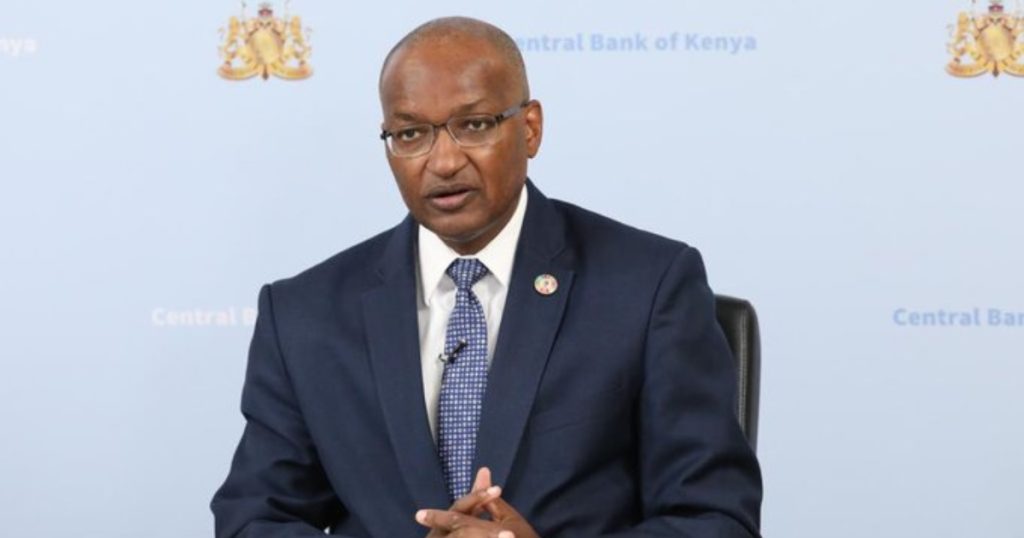
The Central Bank of Kenya (CBK) has welcomed the admission of the Democratic Republic of Congo (DRC) into the East…

Infrastructure development continues to be a vital driver of foreign direct investment (FDI) since logistics are so necessary for global business development, mainly e-commerce, which is now a significant generator of income and jobs at home and abroad.

A survey by Stanbic Bank of Kenya revealed that Kenyan firms continued to report a drop in output levels at…

Kenya’s average inflation rate increased to 6.3 per cent in the first half of 2022, compared to 5.9 per cent…

Most Kenyans, 83 per cent, indicated a willingness to increase the amount of money they allocate to savings and investments, but the inability to save due to insufficient funds after fulfilling their obligations that require regular funding and the availability of quick digital loans.
Among their obligations which contribute to Kenyans’ financial strain is supporting their extended family which considerably bites into their savings. 84 per cent of people indicated that they regularly provide some income to their extended family, mostly in case of emergencies, because they feel a sense of obligation to send their extended families money and because their extended family members treat them better when they are sent money.
On their part, the extended family members mostly use the money to cater to recurring expenses like food & transport, school fees and medical expenses at 23 per cent, 19 per cent and 18 per cent respectively. Farm-related expenses like purchase of fertiliser ranked fourth at 14 per cent, phone and home upgrades came in fifth at 7 per cent while entertainment like Christmas celebration was sixth.

The Kenyan government said it had raised funding for the National Blood Transfusion Service Unit The Ministry of Health said…