
Trending
- Minisend grows Kenya presence as official payment partner of Africa Blockchain Festival 2026
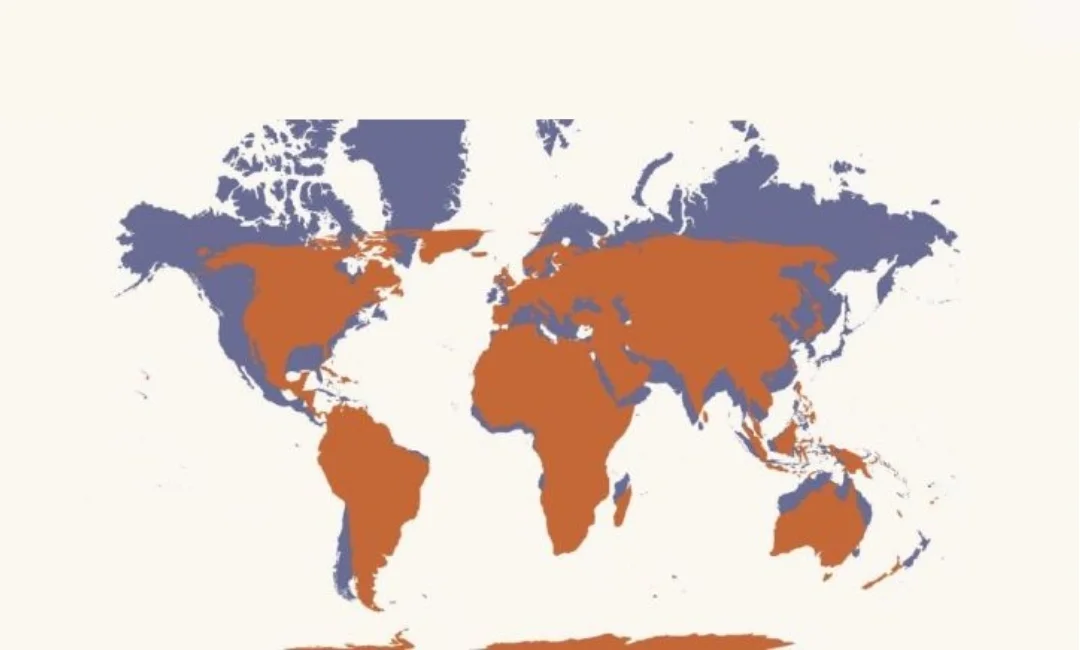
- UN resolution challenges world maps that make Africa look smaller
- Zimbabwe edges closer to arrears payment, debt restructuring and reset of ties with IMF
- Tanzania coffee industry mulls commercializing wastes to spur fresh revenue streams
- Reasons for African Currencies Growing in Significance for Business Decisions
- Nairobi forum launches push to close Africa’s climate protection gap
- East Africa’s lessons from India’s economic growth playbook
- Tanzania and Serbia to revive falling trade relations


Browsing: Kenya

Most Kenyans, 83 per cent, indicated a willingness to increase the amount of money they allocate to savings and investments, but the inability to save due to insufficient funds after fulfilling their obligations that require regular funding and the availability of quick digital loans.
Among their obligations which contribute to Kenyans’ financial strain is supporting their extended family which considerably bites into their savings. 84 per cent of people indicated that they regularly provide some income to their extended family, mostly in case of emergencies, because they feel a sense of obligation to send their extended families money and because their extended family members treat them better when they are sent money.
On their part, the extended family members mostly use the money to cater to recurring expenses like food & transport, school fees and medical expenses at 23 per cent, 19 per cent and 18 per cent respectively. Farm-related expenses like purchase of fertiliser ranked fourth at 14 per cent, phone and home upgrades came in fifth at 7 per cent while entertainment like Christmas celebration was sixth.

Africans and African diaspora across the world commemorated Africa Day on May 25, 2022. The day truly serves to integrate…
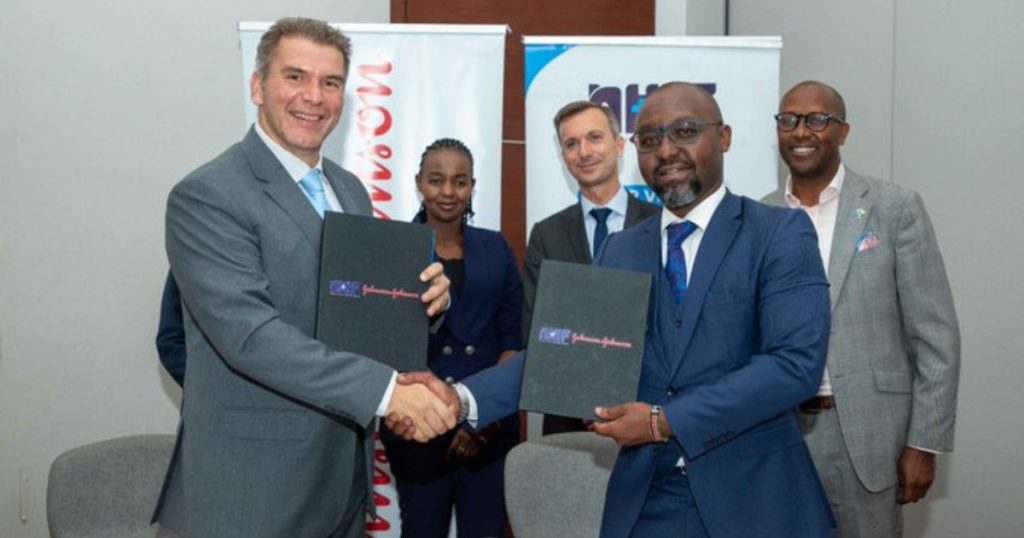
Prostate cancer patients covered by the National Hospital Insurance Fund (NHIF) can now access an innovator prescription drug manufactured and…

Stanbic Bank has revealed that it has empowered over 45,000 women entrepreneurs in the last three years Under its DADA…
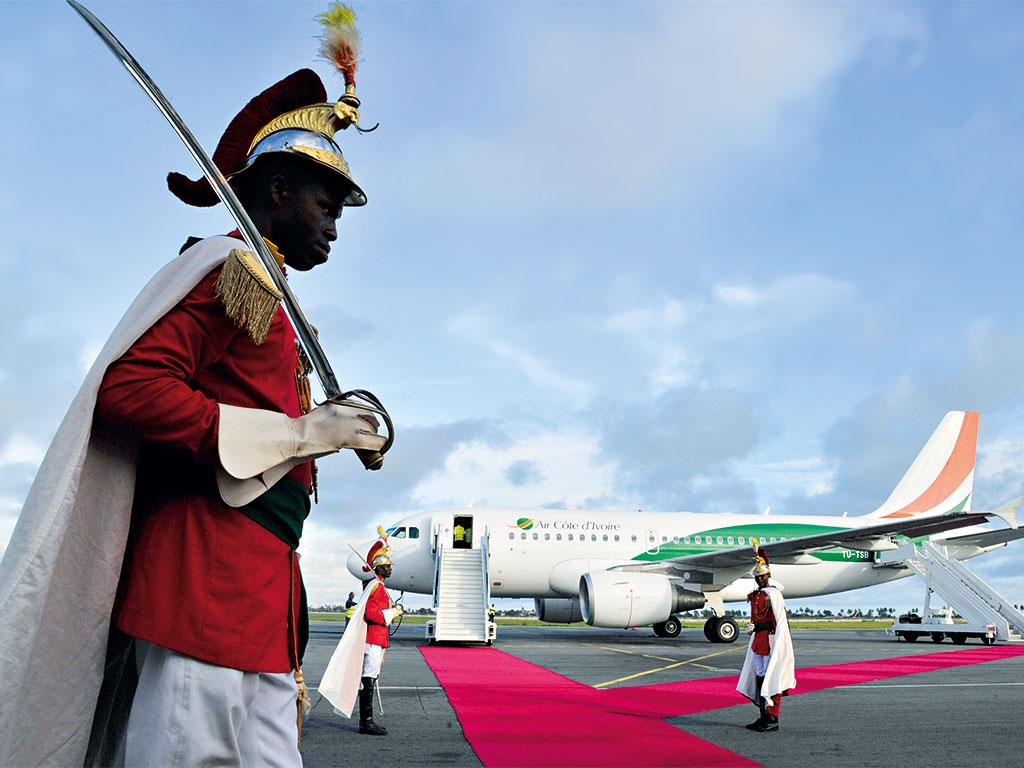
The Entebbe airport stands to transform Uganda’s movement over time as it advances to become an oil economy alongside Tanzania.
South Africa, one of the wealthiest countries, has the largest road network, 750,000kms, while Tanzania, East Africa’s competitive economy, has more than 86,000km of roads.
In the current economic scenario, where uncertainty brought by economic shocks from the pandemic and political tensions force nations to expand their horizon of influence, the past years have shown why African infrastructures must be robust and conducive to enhancing value creation.
Whoever moves fast and swiftly dominates the economic conversation. South Africa, Kenya, Namibia and Nigeria are among the top African nations with more robust economies.

The Kenyan economy will expand by 4.9 per cent in 2022, according to the NCBA Economic Outlook The figure is…

Mastercard has partnered with the Kenya Tourism Board (KTB) to help the country’s tourism sector rebound to its pre-pandemic level…
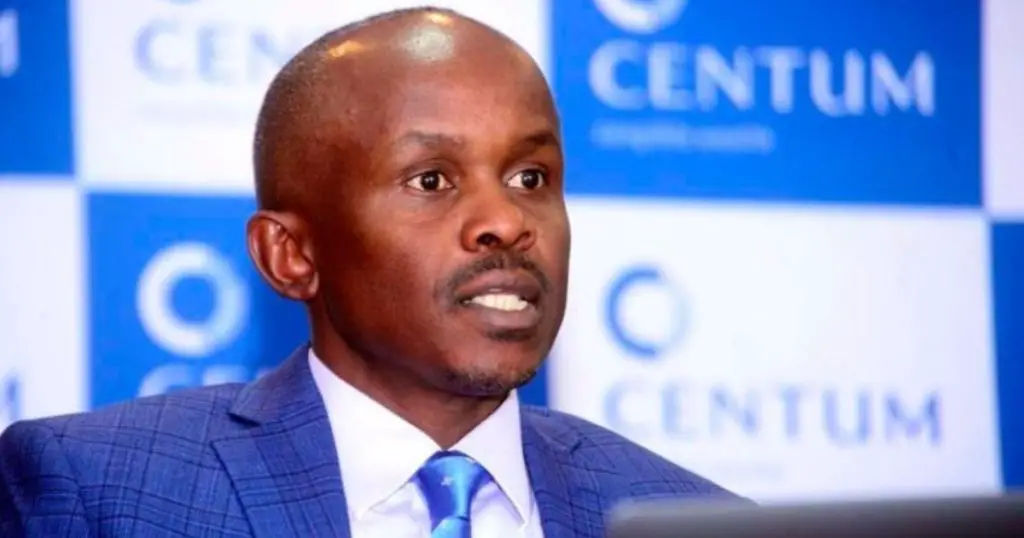
Kenya’s Centum Investments has sold its entire equity stake in Sidian Bank Limited to Nigerian lender Access Bank at a…

Savings and Credit Co-operative Societies (SACCOS) have embraced the new cybersecurity course launched by the Chartered Institute for Securities and…
Most roads have either poor bike lanes or no lanes at all. And these are not roads made in the 1990s, no, these are roads being made today. With most industrialized western countries doing away with their overreliance on motorized transport for cycling, a far greener alternative, African countries are yet again slow to catch on.
Secure, well-demarcated bikeways are key to better quality of city life, less vehicular wear and tear on roads and a healthy populace. All these make money sense if you contrast the wage bill on maintaining the roads, combating climate change effects and relieving the overburdened healthcare system.
But more importantly is the creation of an environment where delivery gig work thrives and steps up to be a big earner for young people, who majorly fall under the “untaxable” domain due to lack of gainful employment.
Currently, there are cycle lanes only on a few major roads like Jogoo road, Outering road, and Ngong road. There was a bike lane along Mombasa road but the Nairobi Expressway has erected pillars on it making it unusable. Nonetheless, these lanes face a plethora of issues from being derelict and littered with all manner of trash including broken bottles.