

Trending
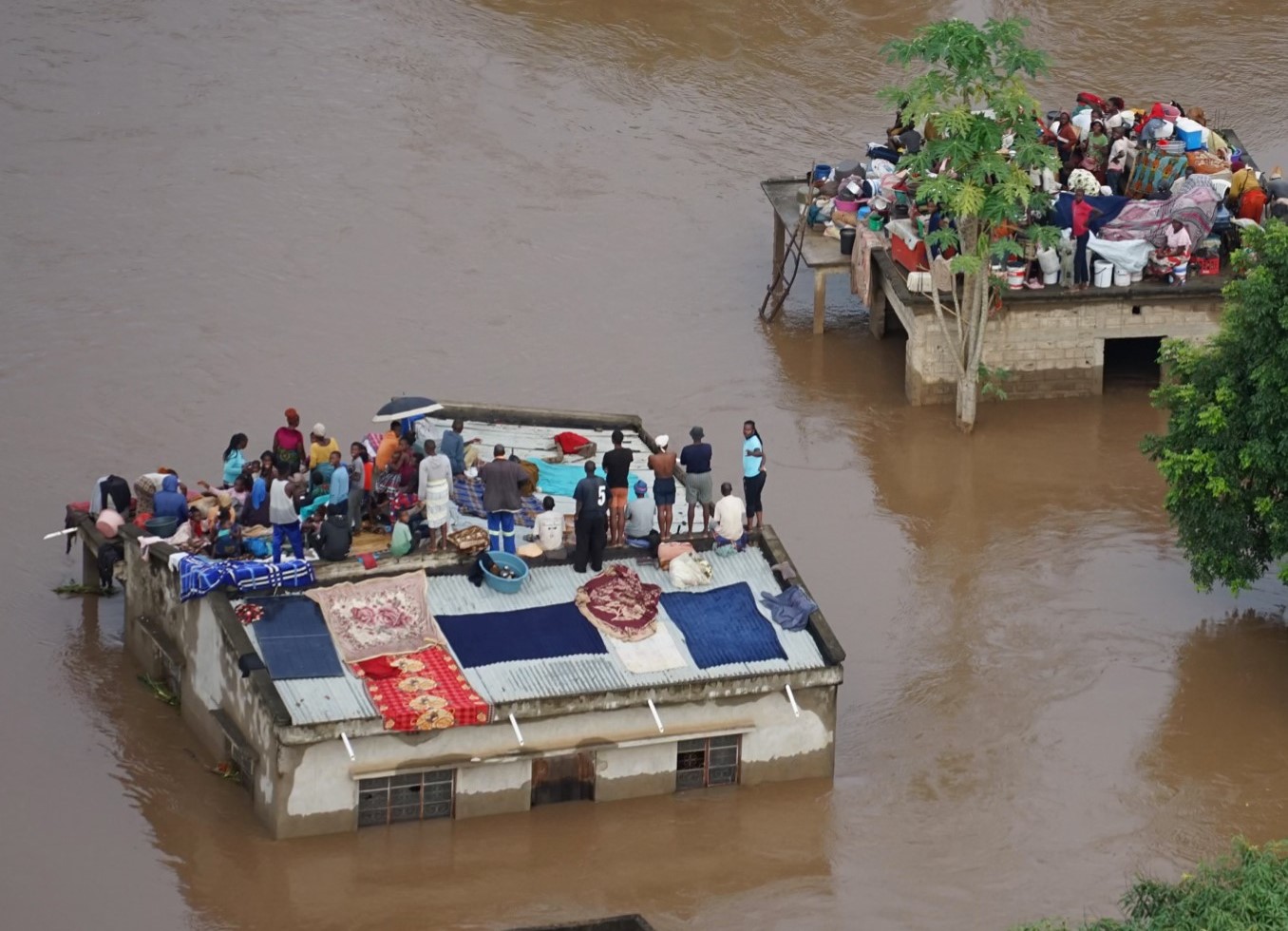
- Weather experts warn of the most powerful El Niño in decades as extreme weather hits Africa
- Africa Blockchain Festival ignites a new dawn for African innovation
- Africa’s gaming market set to quadruple to $4 billion, defying global slowdown
- Tanzania throws its bond market wide open to the global investors
- VALR sets sights on East Africa as blockchain moves deeper into Africa’s financial system
- The cost of the data gap: Why Kenya’s lenders can’t afford to miss the full picture
- Tanzania takes EAC labour migration helm as regional rules face overhaul
- 2026 is turning out as a defining year in geopolitics, but for whom?


Browsing: Samia Suluhu

While ties with Zanzibar and mainland Tanzania are growing with the recent signing of agreements to end double taxation, among other deals, authorities in the United Arab Emirates (UAE) recently announced a Dubai visa ban on 20 African countries.
They include Uganda, Rwanda, Ghana, Sierra Leone, Sudan, Cameroon, Nigeria, Liberia, Burundi, Republic of Guinea, Gambia, Togo, Democratic Republic of Congo, Senegal, Benin, Ivory Coast, Congo, Burkina Faso, Guinea Bissau, Comoros and the Dominican Republic.
“Any applications from the above-mentioned countries will be sent back or cancelled,” the UAE authorities warned trade partner authorities along with travel agents, urging them to reject all related applications.
The reason given for the ban is increased visa term violations by persons from the said countries. The UAE authorities explained that persons from these countries are using 30-day visas to Dubai to stay and work in the country illegally.

Tanzania has signed an energy deal to export natural gas Tanzania’s 4th energy summit to open new investment options Tanzania…
As would be expected, Total rebutted the claims. Its first move was to make public the related project social and environmental studies and issue a statement in which it pledged transparency.
The company admits that; “The projects for the development of the oil and gas resources of the Lake Albert region and the cross-border pipeline are situated in a sensitive social and environmental context that requires special measures for the environment and the rights of the local communities.”
In a follow-up statement, the investors maintained that; “All the partners are committed to implementing these projects in an exemplary manner and taking into highest consideration the biodiversity and environmental stakes as well as the local communities’ rights and within the stringent environmental and social performance standards of the International Finance Corporation.”
In 2018, the global textile industry’s worth stood at approximately $920 billion. The global Textile Market Analysis of 2021 to 2028 anticipates that the market could reach $1,412.5 billion by 2028.
The market drivers include the rise in consumer awareness, e-commerce platforms to support sales, and the fast-changing fashion trends in the industry.
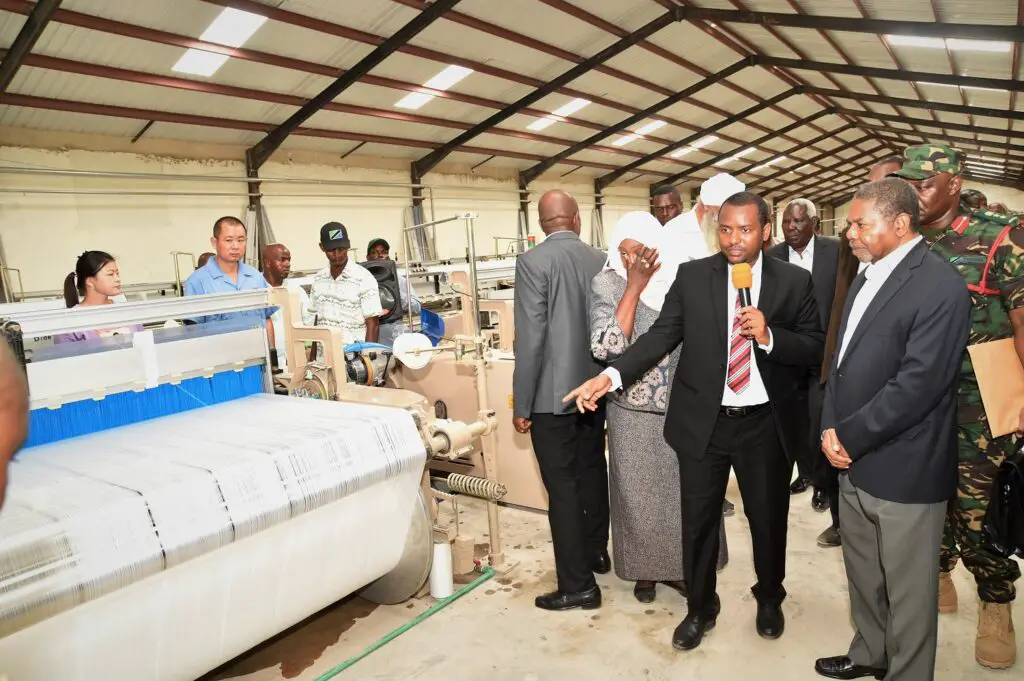
The CEO of Basra Textiles, Ahmed Othmad, said on January 11 that the factory at Chunguni area in Zanzibar was targeting to export to markets across East and Central Africa.
Tanzania Telecom charges: Tanzanians are forced to reach deeper into their pockets as the government has increased the cost of…
There is need to rebrand Africa, to give it a better, truer image or in the words of the President…
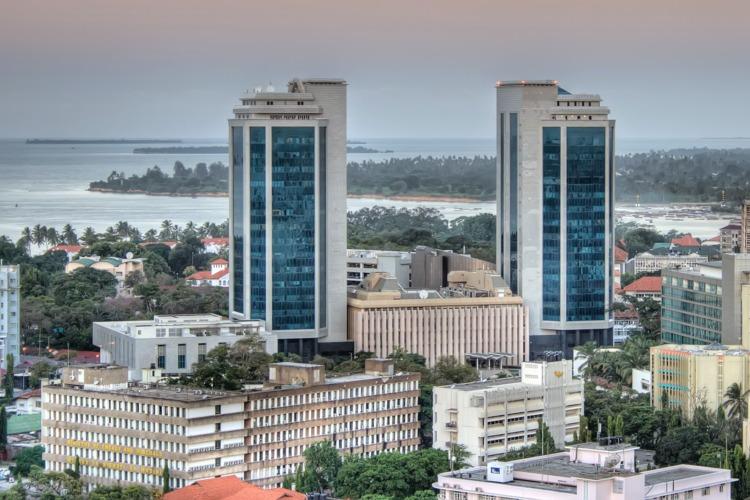
The government of Tanzania has received 1.3tri/- as Covid-19 relief package from the International Monetary Fund (IMF). Now the government…

After major reforms that rocked its mineral and energy sectors less than a decade ago, mineral and energy-rich Tanzania is…
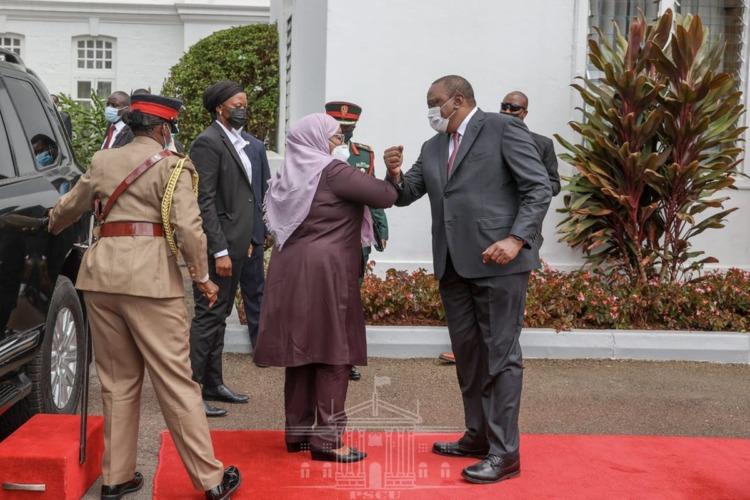
In what has been christened her first official state visit, Tanzania President Samia Suluhu Hassan has today begun her two…

The late Magufuli is celebrated and mourned across the East African Community which has also joined hands with Tanzania to remember his legacy—which extended from his fight against corruption and the misuse of public resources to his diplomatic relations, forged across the landscape through several regional communities—where on numerous occasions he had declared that ‘we are unified as one’.
Magufuli was a stern advocate of hard work for economic excellence. His voice on this matter was as strong as his willpower. Throughout his unfinished tenure, he had demonstrated how Tanzania can transform its natural wealth and utilize domestic tax collections to fuel development projects.