

Trending
- Zimbabwe edges closer to arrears payment, debt restructuring and reset of ties with IMF
- Tanzania coffee industry mulls commercializing wastes to spur fresh revenue streams
- Reasons for African Currencies Growing in Significance for Business Decisions
- Nairobi forum launches push to close Africa’s climate protection gap
- East Africa’s lessons from India’s economic growth playbook
- Tanzania and Serbia to revive falling trade relations
- TotalEnergies commits $10 billion to Angola as fresh oil find comes on stream in three months
- In Africa, the conversations defining corporate reputation are going on in channels most CEOs cannot see


Browsing: South Africa
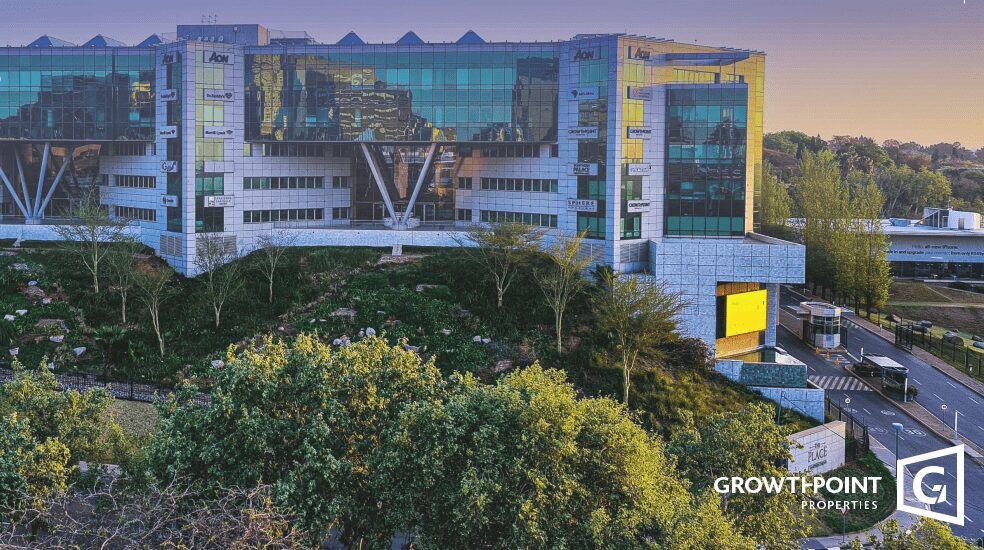
Growthpoint Properties Limited published its financial results for 2021 on the 15th of September 2022. The real estate investment trust…
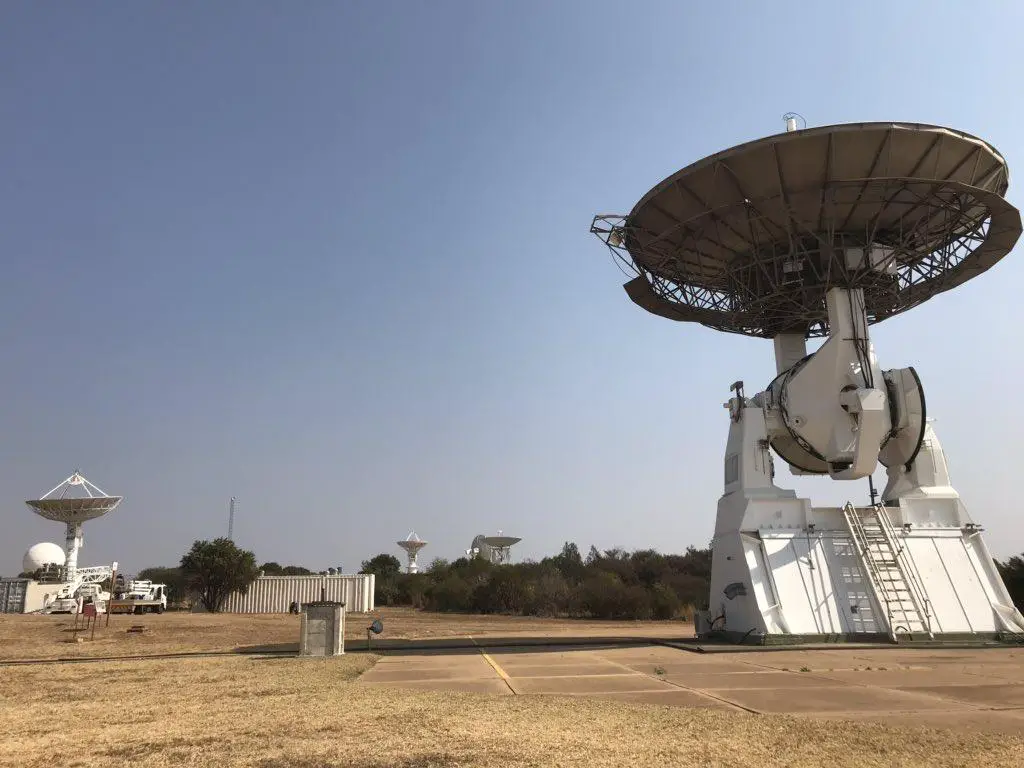
The agreement allows Liquid to leverage the Ka-band capabilities of the Eutelsat Konnect satellite to provide broadband Internet services to businesses in Uganda, South Sudan, and the eastern regions of the Democratic Republic of Congo (DRC).
Liquid becomes the first ground gateway provider for Eutelsat Konnect in Sub-Saharan Africa, broadening broadband coverage and creating new business opportunities in Africa. It is Eutelsat’s long-standing partner.
Under a long-term contract that was renewed and extended in 2021, it operates the Ku-band resources of the EUTELSAT 7B satellite to provide VSAT services in sub-Saharan Africa.
The remainder of Anglo’s coal assets were demerged from the group and bundled into a new company called Thungela Resources Limited. This strategy in coal mining circles is called “mine to mouth” and is being continued by Seriti. Eskom, South Africa’s power utility, has an agreement where its thermal power stations are fed with coal from the company’s Kriel and New Largo mines. These mines are adjacent to the power stations.
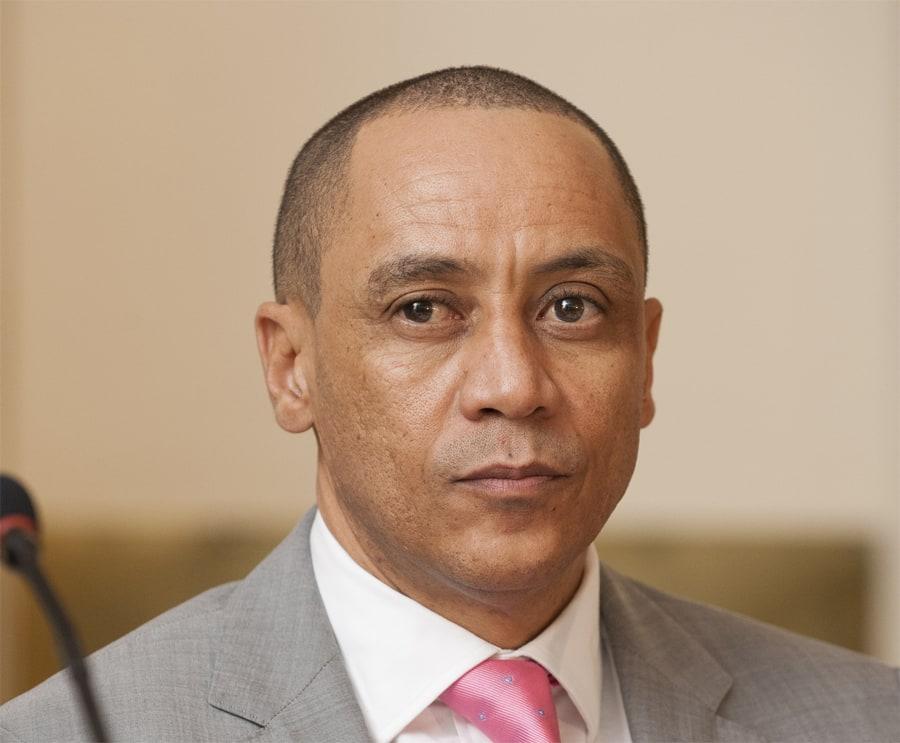
Seriti Resources (the company’s name is from the native Sotho language and means integrity) was formed in 2017. Mike Teke, through his investment vehicle Masimong Holdings Group owns 25% of Seriti Resources.
The remainder of the shares in the energy company is owned by Sandile Zungu’s Zungu Investments Company, Thebe Investments Corporation, and Community Investment Holdings.
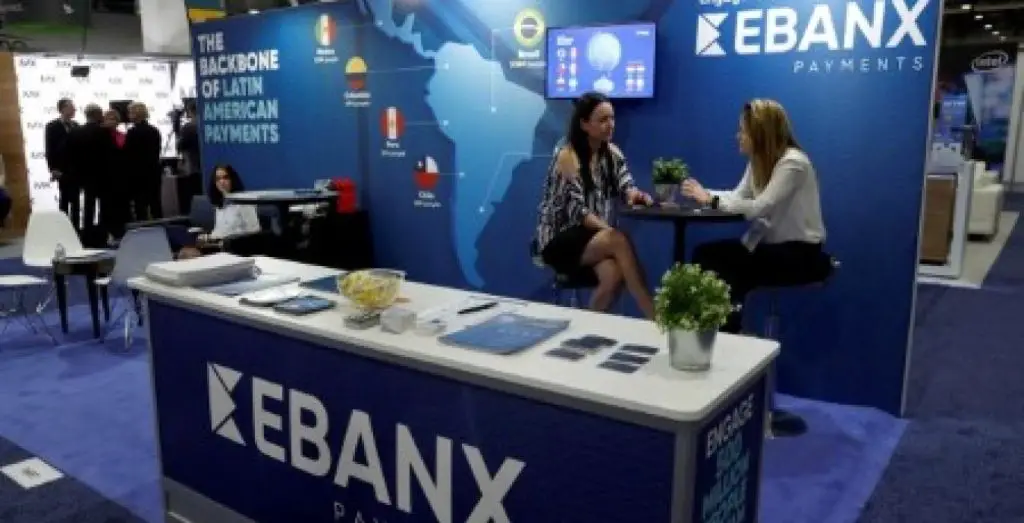
Much like it did in South America, EBANX wants to centre its strategy on collaborations and partnerships with global merchants. The company processes payments for Uber, Airbnb, and over 1,000 digital companies throughout Latin America.
In a statement, the CEO and co-founder, João Del Valle, explained that although Africa’s digital economy is still nascent, its exciting potential motivated his company’s decision. “Africa’s fast-growing digital economy is only in its early days, and it’s projected to grow up and to the right for the next few decades. Together with local players, EBANX will be a catalyst to realize the many benefits of a digital economy even faster.”
“Expanding our solutions to African countries speaks directly to EBANX’s mission of creating access, and having Pipefy as a merchant makes this moment even more special to us, expanding solutions and services throughout regions full of opportunities,” Paula Bellizia, the President of Global Payments at EBANX, said in a statement.

The answer is in the law and the governance models that these countries approach. The way in which the governments of those countries approach the mining industry is imperative.
In South Africa, the natural resource curse is more pronounced in the sense that while the mining sector has made a few individuals fabulously wealthy, inequality in that country has meant that while the richest of the rich get richer, the poor get poorer.
How can governments approach the mining sector to ensure its development leads to broad-based and shared prosperity for all? The answer is the same. The answer is in the respective governments and the legal frameworks for the mining industries of those countries.
In 2020, Amazon launched the Africa (Cape Town) Region, the first AWS Infrastructure Region in South Africa. However, plans for the construction of a new Cape Town-based Amazon Africa headquarters were blocked earlier this year by the Cape Town High Court as Amazon had allegedly not gone through the proper process to acquire the land.
Meanwhile, retailer Pick n Pay migrated its entire on-premise information technology infrastructure to Amazon Web Services (AWS).
In a statement, AWS says Pick n Pay worked with Lemongrass Consulting, an AWS Premier consulting partner with migration and SAP Consulting Competencies, to migrate its on-premises SAP environment to AWS and implement a modern SAP HANA platform.
According to the US-based cloud computing giant, moving to the cloud will enable Pick n Pay to streamline its operations and modernize the supply chain network for its stores, develop new digital customer experiences in omnichannel grocery, and expand into new areas of business.
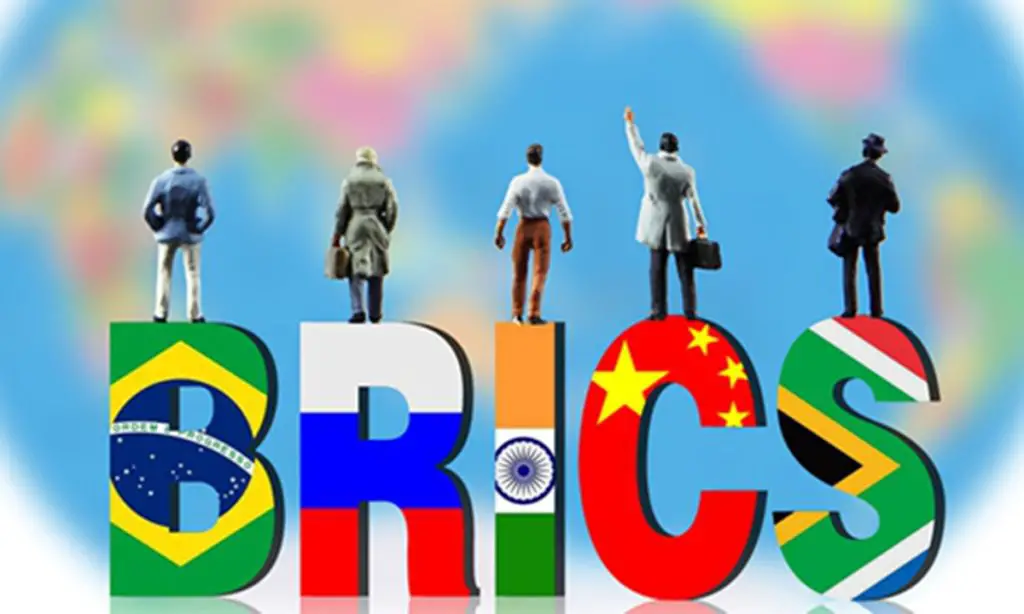
The current large-scale transition of the global economy, principally triggered by the current conflict between Ukraine and Russia as well as the standoff between China and the United States, creates a multipolar world map with new centres of power.
Brazil, Russia, India, China, and South Africa, also known as the BRICS nations, have enhanced industrial and financial might and are pushing for a seat at the global new power axis table. These nations are essential participants in international markets for products, services, and money, having a considerable, sometimes decisive, effect on how the global economy operates.

Global consumer Internet Company Prosus, which is majority owned by South African Internet Company Naspers, disclosed that it has reached…
Transnet Freight Rail, the South African rail logistics giant has few admirers lately. It has disappointed nearly all who rely…

According to Refinitiv Data, the value of South African mergers and acquisitions increased by 958 per cent from the same period in 2020 to US$52 billion in the first half of 2021, from a total of 169 deals. When compared to the same period in 2020, deals involving tech businesses soared by US$160 million, or about 2000 per cent.
According to an article by Tech Cabal, acquisitions in South Africa can broadly be categorized into three:
Inbound inter-country acquisitions of South African startups by international companies (mostly US-based),
Domestic intra-country acquisitions of South African startups by well-established South African companies, and
Domestic intra-country acquisitions of South African startups by other South African startups.