
Trending
- Zimbabwe edges closer to arrears payment, debt restructuring and reset of ties with IMF
- Tanzania coffee industry mulls commercializing wastes to spur fresh revenue streams
- Reasons for African Currencies Growing in Significance for Business Decisions
- Nairobi forum launches push to close Africa’s climate protection gap
- East Africa’s lessons from India’s economic growth playbook
- Tanzania and Serbia to revive falling trade relations
- TotalEnergies commits $10 billion to Angola as fresh oil find comes on stream in three months
- In Africa, the conversations defining corporate reputation are going on in channels most CEOs cannot see


Browsing: South Africa
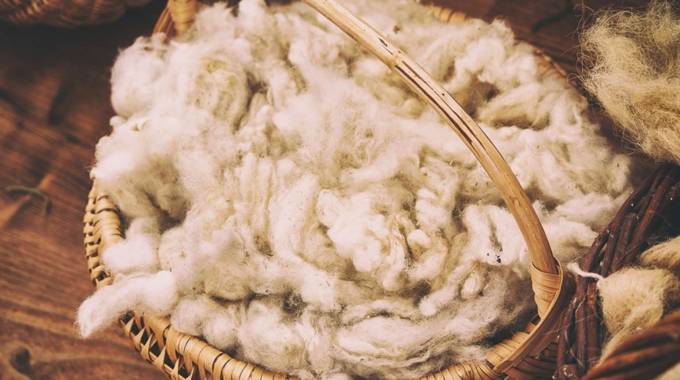
In 2020, Wool was the world’s 653rd most traded product, with a total trade of US$2.5 billion. Between 2019 and 2020, Wool exports decreased by -31.4 per cent, from US$3.65 billion to US$2.5 billion. Trade in Wool represents 0.015 per cent of total world trade.
Wool is a part of fine or coarse animal hair, horsehair yarn, and woven fabric. They include greasy shorn wool, not carded or combed, Degreased shorn wool, not carded, combed, or carbonize, Carbonized wool, not carded or combed, Degreased wool, not carded, combed, or carbonized, and Greasy wool (other than shorn) not carded or combed. In 2020 the top exporters of Wool were Australia, South Africa, New Zealand, the United Kingdom, and Uruguay.
The fastest growing export markets for Wool of South Africa between 2019 and 2020 were China, Eswatini, and Uruguay. In April 2022, South Africa’s Wool exports accounted for up to ZAR205 million, and imports accounted for up to ZAR4.5 million, resulting in a positive trade balance of ZAR200 million. Between April 2021 and April 2022, South Africa’s Wool exports decreased by ZAR-96.2 million (-32 per cent) from ZAR301 million to ZAR205 million, while imports increased by ZAR1.76 million (64 per cent) from ZAR2.75 million to ZAR4.5 million according to data from OEC.World.
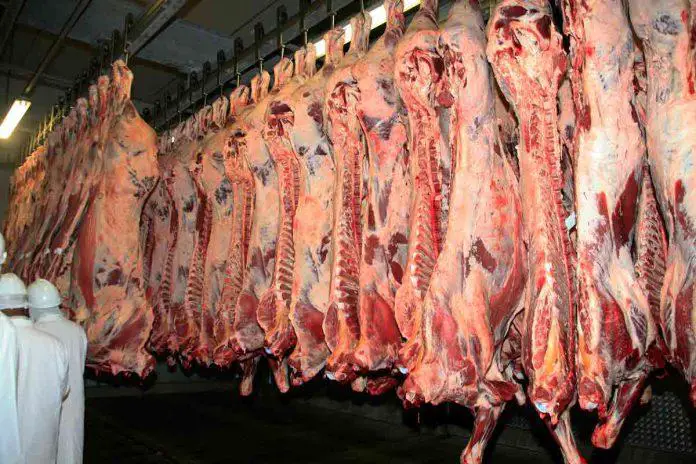
The detection of foot-and-mouth disease (FMD) in Botswana has sent shockwaves through the livestock sector and for good reason. FMD…

There are increasingly more and more ‘outbreaks’ of non-communicable diseases in Africa and more so in sub-Saharan Africa. These lifestyle…

Nasdaq in an article dated April 20, 2022, said the move is classed as Black economic empowerment (BEE) transaction, a government initiative to reverse ongoing economic inequalities almost three decades after the end of apartheid, encouraging companies to meet quotas in areas including Black ownership, employment, and procurement.
“This deal underpins our firm belief that real transformation is necessary to sustain business growth and serve the best interests of all South Africans,” CEO Iain Williamson said in a statement.
“Through this Old Mutual Bula Tsela Retail Scheme, we will give our people the opportunity to become (indirect) owners of the company they love and trust,” he added.
The new shares will constitute approximately 4.36 per cent of Old Mutual’s current issued share capital and 4.18 per cent of the enlarged share capital.

The ban on Russian coal imports will further strain coal supplies and force European consumers to look elsewhere at a time when there is already concern about dwindling supplies of Russian gas and a severe energy crunch in the winter.
According to an article by Africa News published May 26, 2022, as Europe takes action to reduce imports of Russian gas, the continent’s leaders have been looking to Africa as an alternative energy supplier. New deals have been signed with Algeria, Angola, Congo, Nigeria, and others are thought to be on the way.
In a related article by AFP dated April 21, 2022, Italy penned a deal with Angola to ramp up gas supplies from the southern African country as it urgently scrambles to break away from Russian gas over the Ukraine war.
“Today we have reached another important agreement with Angola to increase gas supplies,” Foreign Minister Luigi Di Maio said in a statement.
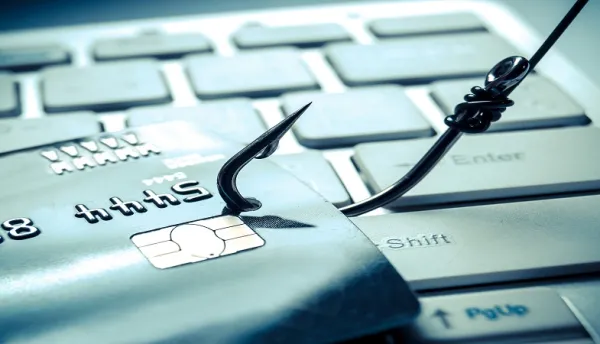
Phishing is a strong attack method because it is done on a large scale. It stressed that by sending massive waves of emails under the name of legitimate institutions or promoting fake pages, malicious users increase their chances of success in their hunt for innocent people’s credentials.
The article explained that phishers deploy a variety of tricks to bypass email blocking and lure as many users as possible to their fraudulent sites, adding that a common technique is HTML attachments with partially or fully obfuscated code. It stressed that HTML files allow attackers to use scripts, and obfuscate malicious content to make it harder to detect and send phishing pages as attachments instead of links.
According to a recent Interpol report, about 90 per cent of African businesses are operating without the necessary cybersecurity protocols and, therefore, are exposed to cyberattacks. The report also noted that there were more than 700 million threat detections in Africa within one year.

When the United Nations General Assembly voted overwhelmingly on March 2 to condemn Russia’s invasion of Ukraine, African countries accounted…

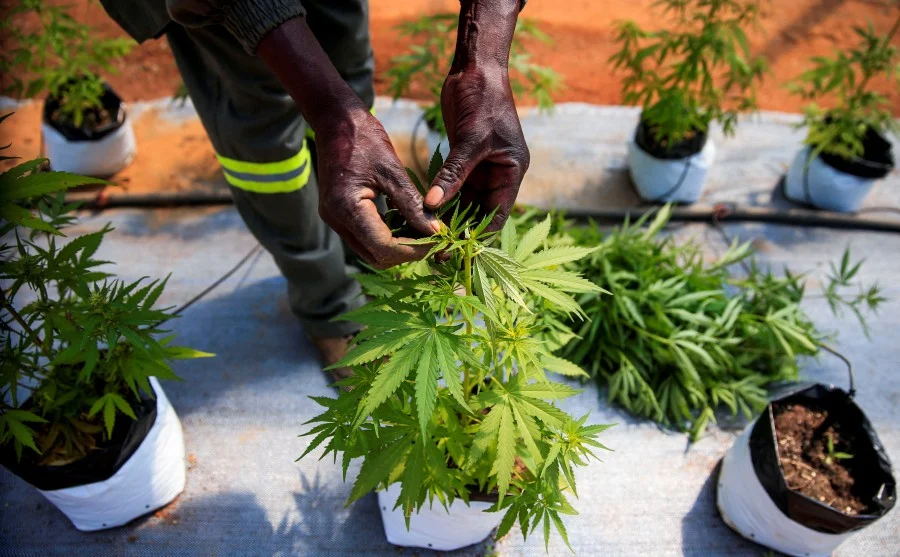
By 2023, the value of Africa’s legal cannabis market could be at least US$7.1bn across nine key African countries if they legalize recreational and medical use, according to The African Cannabis Report from industry analysts Prohibition Partners. Worldwide, the Covid-19 lockdown period saw record-breaking sales of cannabis in multiple regions. Global sales of CBD (an active cannabis ingredient frequently used as a natural remedy), medical cannabis, and adult-use (recreational) cannabis topped US$37.4bn in 2021, and could rise to US$102bn by 2026, says the firm.
According to African Business, natural and situational advantages have attracted investor interest in Southern Africa. In mid-March, Akanda, a London-headquartered firm that owns the Bophelo Bioscience & Wellness cultivation campus in Lesotho, announced the completion of its initial public offering of 4m shares on the Nasdaq Capital Market.
Cannabis Business Africa, in an article published as far as February 13, 2021, said SilverLeaf Investments is aiming to be of service in addressing the gap that exists between the industry’s potential and its current funding deficit.
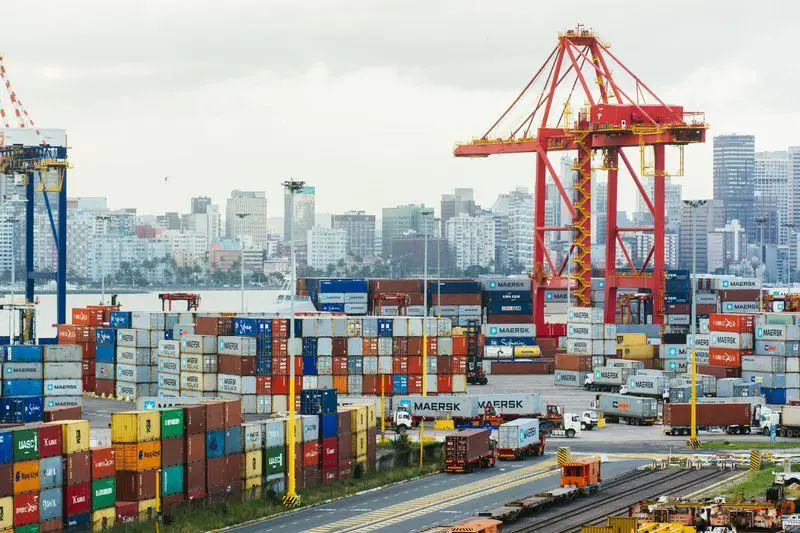
Most Kenyans, 83 per cent, indicated a willingness to increase the amount of money they allocate to savings and investments, but the inability to save due to insufficient funds after fulfilling their obligations that require regular funding and the availability of quick digital loans.
Among their obligations which contribute to Kenyans’ financial strain is supporting their extended family which considerably bites into their savings. 84 per cent of people indicated that they regularly provide some income to their extended family, mostly in case of emergencies, because they feel a sense of obligation to send their extended families money and because their extended family members treat them better when they are sent money.
On their part, the extended family members mostly use the money to cater to recurring expenses like food & transport, school fees and medical expenses at 23 per cent, 19 per cent and 18 per cent respectively. Farm-related expenses like purchase of fertiliser ranked fourth at 14 per cent, phone and home upgrades came in fifth at 7 per cent while entertainment like Christmas celebration was sixth.
The Traditional Chinese Medicine (TCM) and Acupuncture Centre at the Parirenyatwa Hospital in Harare, the capital of Zimbabwe, has started training on TCM and acupuncture for the first batch of local health workers to meet the growing demand for Chinese medicine in the country.
According to Xinhua, the centre was established in 2020 as part of efforts to offer Zimbabweans affordable medical treatment and has in recent months seen a multitude of patients seeking medical attention free of charge
Zhu Wei, a TCM doctor and chief of the centre, said the three-month program aims to train a group of local health professionals who can provide an alternative medical option to Zimbabweans.