Trending
- Zimbabwe edges closer to arrears payment, debt restructuring and reset of ties with IMF
- Tanzania coffee industry mulls commercializing wastes to spur fresh revenue streams
- Reasons for African Currencies Growing in Significance for Business Decisions
- Nairobi forum launches push to close Africa’s climate protection gap
- East Africa’s lessons from India’s economic growth playbook
- Tanzania and Serbia to revive falling trade relations
- TotalEnergies commits $10 billion to Angola as fresh oil find comes on stream in three months
- In Africa, the conversations defining corporate reputation are going on in channels most CEOs cannot see


Browsing: South Africa
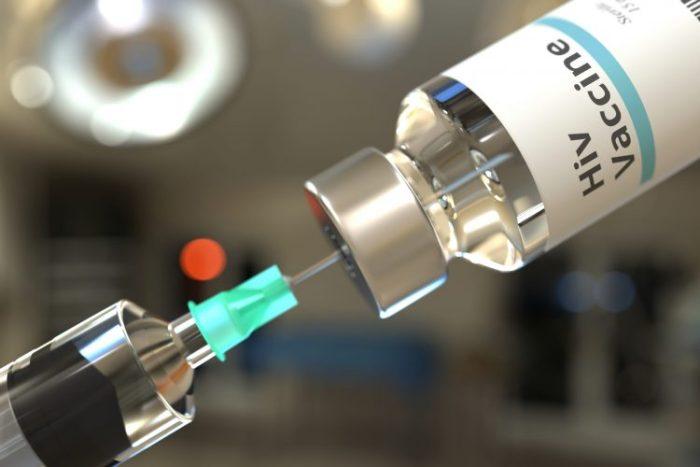
mRNA-1644 utilizes Moderna’s messenger RNA (mRNA) technology to deliver a specific class of B cells needed to develop broadly neutralizing antibodies (bnAbs) to fight HIV infection. Inducing bnAbs is considered the primary goal of an HIV vaccine, and this requires B-cell activation.
The primary trial endpoints are safety and immunogenicity. The IAVI-sponsored clinical trial, IAVI G003, will test the safety and efficacy of vaccination with the HIV immunogen eOD-GT8 60mer, delivered via Moderna’s mRNA platform. eOD-GT8 60mer was developed by IAVI and Scripps Research teams and was initially tested in phase 1 clinical trial IAVI G001.
According to Contagion Live, IAVI G003 is expected to enroll 18 healthy, HIV-negative adults. The participants will receive 2 doses of eOD-GT8 60mer mRNA, which contains a portion of the viral sequence but cannot cause HIV infection. They will be monitored for safety for 6 months after their second dose, and their immune responses will be examined in molecular detail to evaluate whether the target was achieved.

The Africa Green Hydrogen Alliance targets accelerating the transition from fossil fuels overreliance that has made the continent reluctant, as…
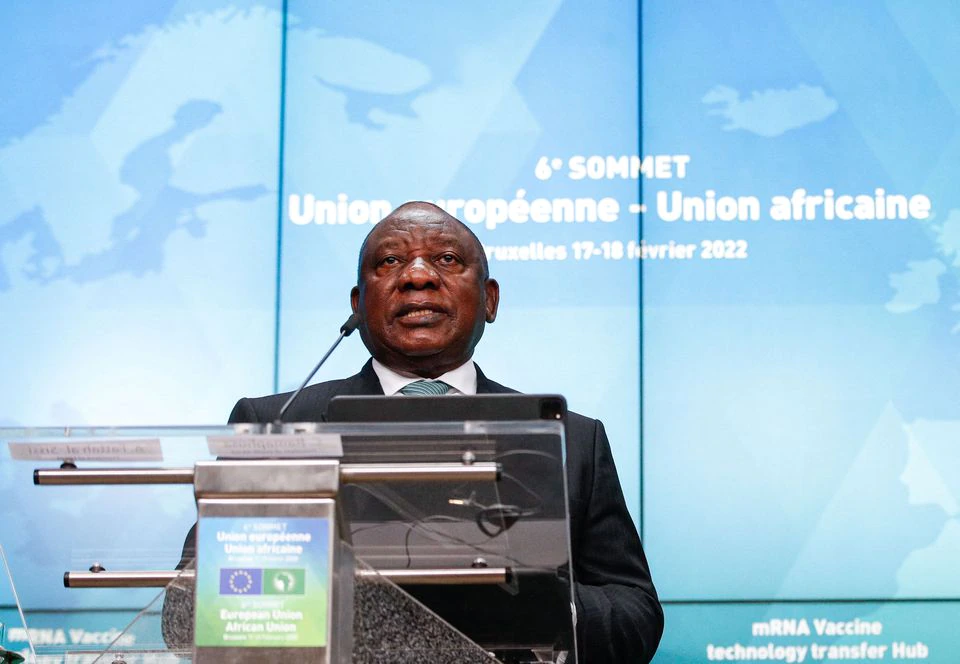
Stavros Nicolaou, a Senior Executive at Aspen Pharmacare Group said in the absence of orders or commitments, Aspen is considering the repurposing of two COVID-19 production lines for the manufacture of other products.
“The continent would lose its only existing COVID vaccine manufacturing capacity, It would be a massive setback for Africa’s plans to localize and reduce its dependency on imported vaccines,” he said.
John Nkengasong, director of the Africa Centres for Disease Control and Prevention, said global health security would be undermined if companies like Aspen were not backed.
Allianz reports that the overall group equity value is estimated to be more than US$2.1 billion, and the new business…
The Mining Indaba Professional conference 2022 is set to take place from May 9th to May 12th in Cape Town,…
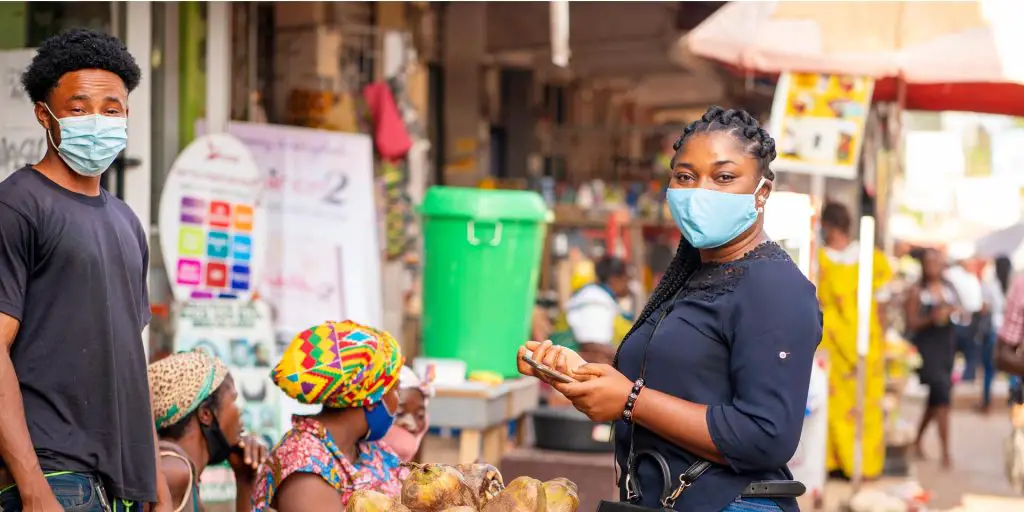
Initial predictions about Africa’s vulnerability to Covid-19 indicated that the continent would be overwhelmed by the effects of the pandemic…
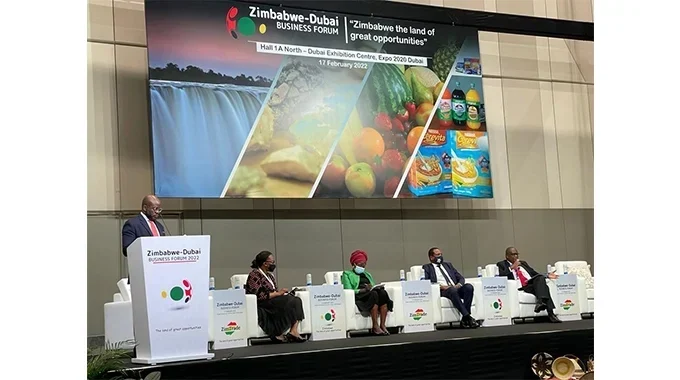
Bilateral relations between the two countries improved after the UAE showed its benevolence. This was by sending aid in response to the Cyclone Idai storm in March 2019. Planeloads of humanitarian assistance were sent to Zimbabwe, which went a long way in helping victims and mitigating the impact of the cyclone. UAE also assisted the Southern African country’s fight against Covid-19 with a consignment of required medical drugs.
Early March, the new dispensation approved the establishment of a commercial consulate in the commercial hub of Dubai. Economic and trade attachés will operate in the consulate. This is an effort to complement investment promotion being done by Zimbabwe’s embassy in the UAE.
In a cabinet briefing published by The Herald on March 17, 2022, Minister of Foreign Affairs and International Trade Ambassador Frederick Shava said the development created an environment conducive to doing business.
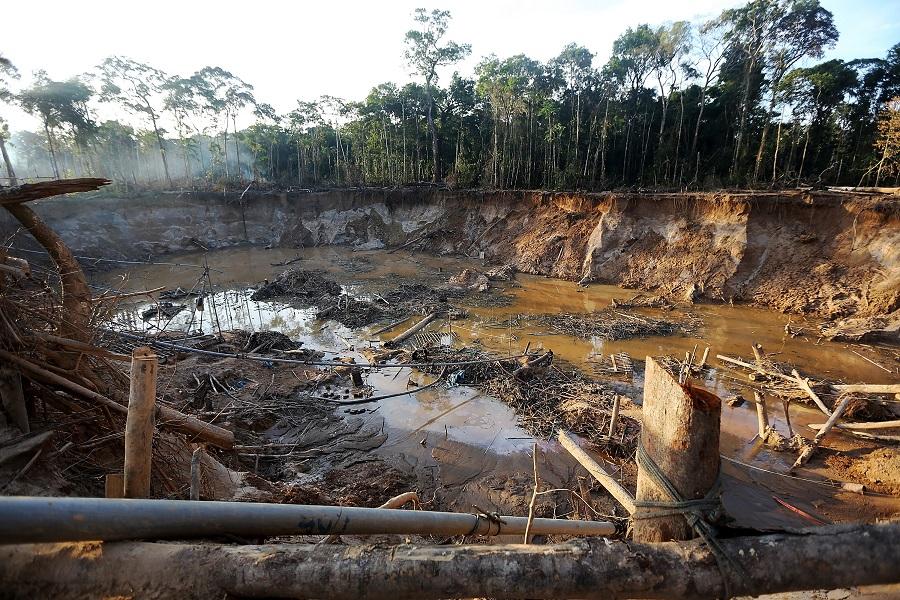
Banks and shareholders are putting pressure on miners to enhance their environmental standards; They strive for net-zero carbon emissions at…
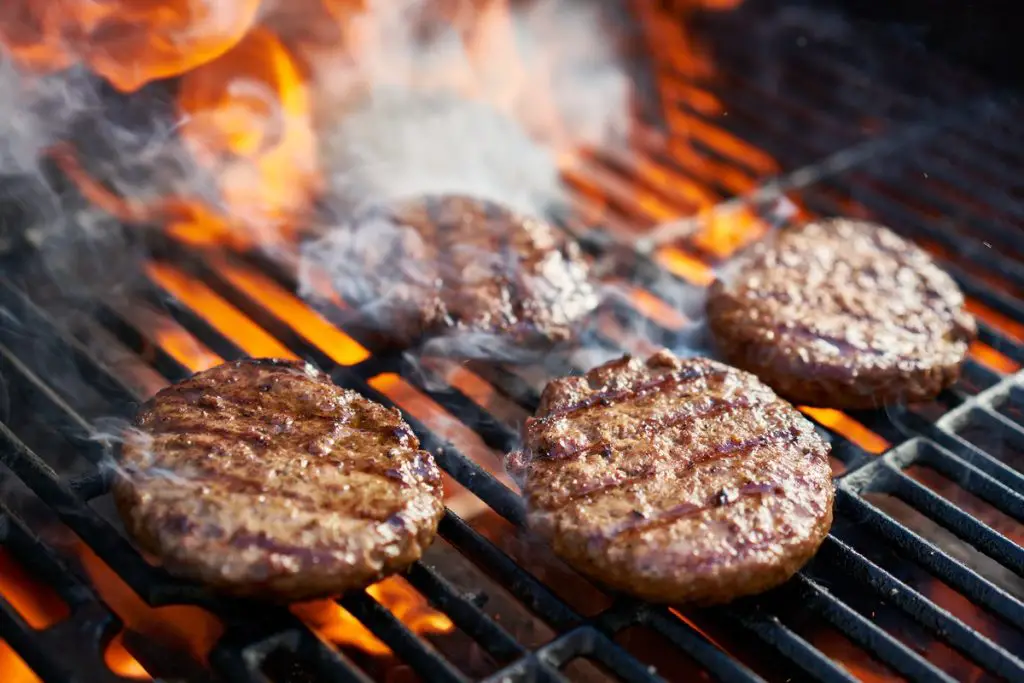
The meat-alternative market is taking advantage of climate change awareness, and the messaging has changed accordingly, particularly as these products enter the mainstream.
“We can see what many brands’ marketing strategies are – they used to market just to vegans and vegetarians – why not advertise it to everyone and call it the healthy burger?” says Will.
“Now, when non-vegans try some of the products on the market, they are surprised by the quality, they say ‘this is amazing and can’t believe it’s plant-based and environmentally friendly.”
Indeed, this shift in messaging is reflected in the advertisements of large retailers introducing meat-alternative products.
Burger King, which recently launched plant-based Whoppers, Royale’s and Nuggets in South Africa, highlighted the health and environmental awareness prominently in press releases and advertisements.
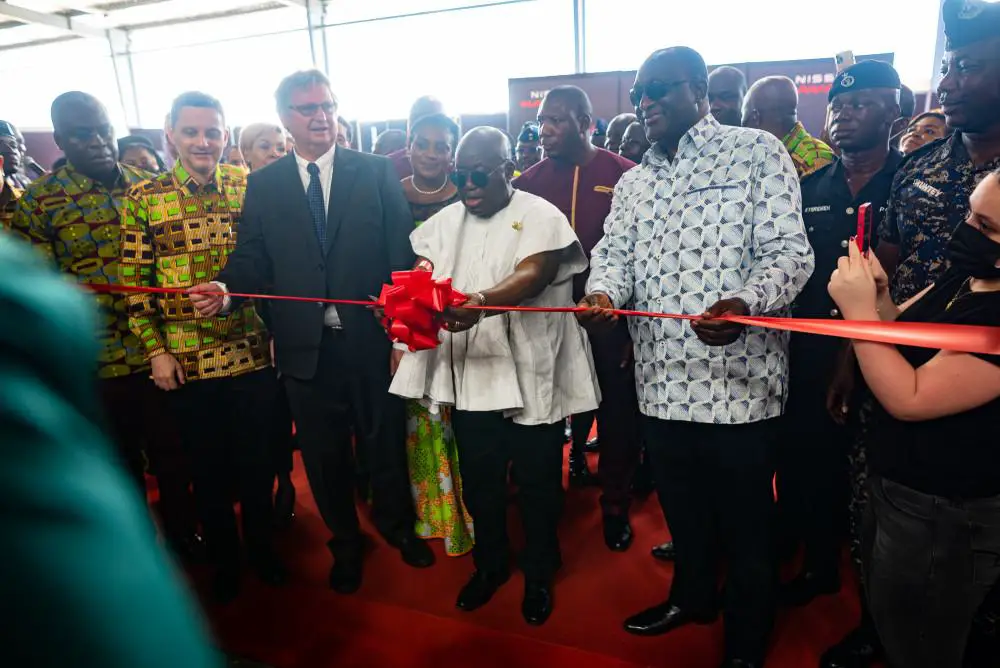
Nissan has opened a new state-of-the-art Navara assembly plant in Ghana This marks the second Nissan assembly plant after the…