

Trending
- Zimbabwe edges closer to arrears payment, debt restructuring and reset of ties with IMF
- Tanzania coffee industry mulls commercializing wastes to spur fresh revenue streams
- Reasons for African Currencies Growing in Significance for Business Decisions
- Nairobi forum launches push to close Africa’s climate protection gap
- East Africa’s lessons from India’s economic growth playbook
- Tanzania and Serbia to revive falling trade relations
- TotalEnergies commits $10 billion to Angola as fresh oil find comes on stream in three months
- In Africa, the conversations defining corporate reputation are going on in channels most CEOs cannot see


Browsing: South Africa
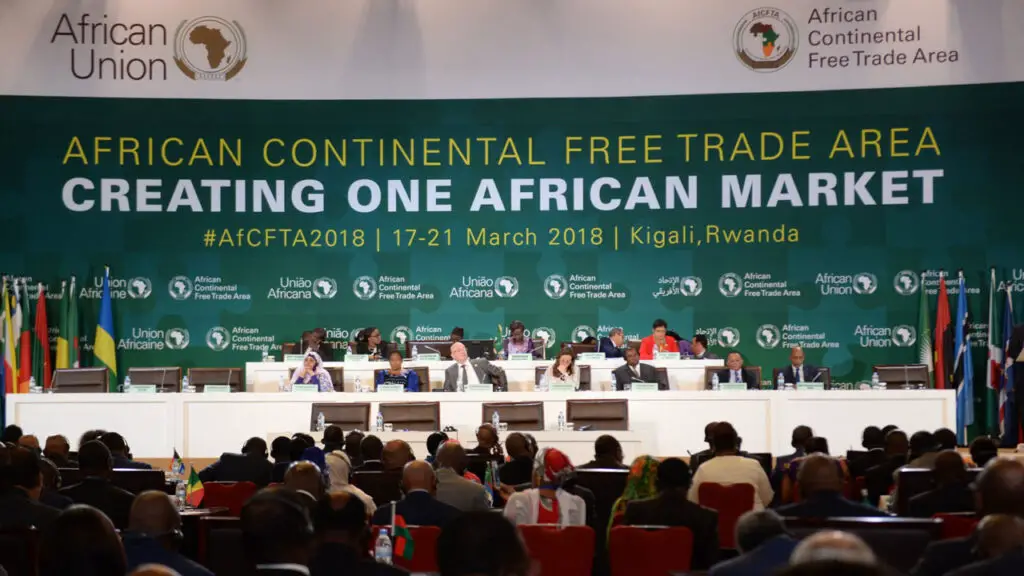
One of the major criticisms raised against his ambitious continent-wide free trade pact is the fact that it is bound to have disproportionate benefits for different countries. There are already pre-existing inequalities that favour more developed countries.
Bluntly speaking, it is to be reasonably expected that it is the continent’s tycoons, large business owners that will benefit the most.
Consider this, only three of the agreement’s members i.e. Nigeria, South Africa and Egypt account for almost half (50%) of all of Africa’s GDP. Take for instance the fact that in 2020 alone, the continent of Africa as a whole, imported US$20 billion worth of goods from South Africa.
With the tariff-free movement of goods, South Africa will enjoy a tremendous increase in trade output to the rest of the continent at much lower costs.
The financial results of the company began with a report of the company’s ESG performance. What stood out the most from the company’s report is that the company achieved zero fatalities during its operations in 2021. This is most exceptional given the nature of mining operations which are for the most part dangerous.
Most if not all Anglo-Plat’s peers have reported reduced or reduced fatalities in their operations but not always a zero-fatality rate. This was attributable to what the company calls their Elimination of Fatalities (EoF) strategy. The strategy focuses on the most common causes of fatalities across Anglo American.
Its purpose is to use what the company calls “accumulated learnings from a wide range of fatalities” and use that data to take a more proactive approach to prevent incidents that result in the loss of life. The strategy has paid off resulting in an outlier performance of zero fatalities in 2021.
UNCTAD World Investment Report 2021 specifically states that “Greenfield investments in industry and new infrastructure investment projects in developing countries were hit especially hard.”
These financial flows of investment dollars have deep-rooted implications for Africa in the sense that they are vital for sustainable development in less developed and poorer countries.
The decline in investment flows was disproportionately skewed towards developed countries where FDI fell by 58 per cent according to UNCTAD. Investment flows in developing economies fell by a moderate 8 per cent mainly because of resilient flows in Asia.

In Tanzania, the Fair Competition Commission (FCC) is responsible for promoting and protecting effective competition in trade and commerce as well as protecting consumers from unfair and misleading market conduct.
Without such an entity, companies use false advertising to capture markets, mergers of large firms occur undermining smaller businesses unfairly and the end-user, the consumer, is put at threat.
It is for this reason that Tanzania has recently passed the Fair Competition Order which sets out the thresholds for mergers that should be reported to the Fair Competition Commission (the FCC). In this most recent Order, Tanzania moved the merger notification threshold from USD 360,000 to USD 1.6 million.
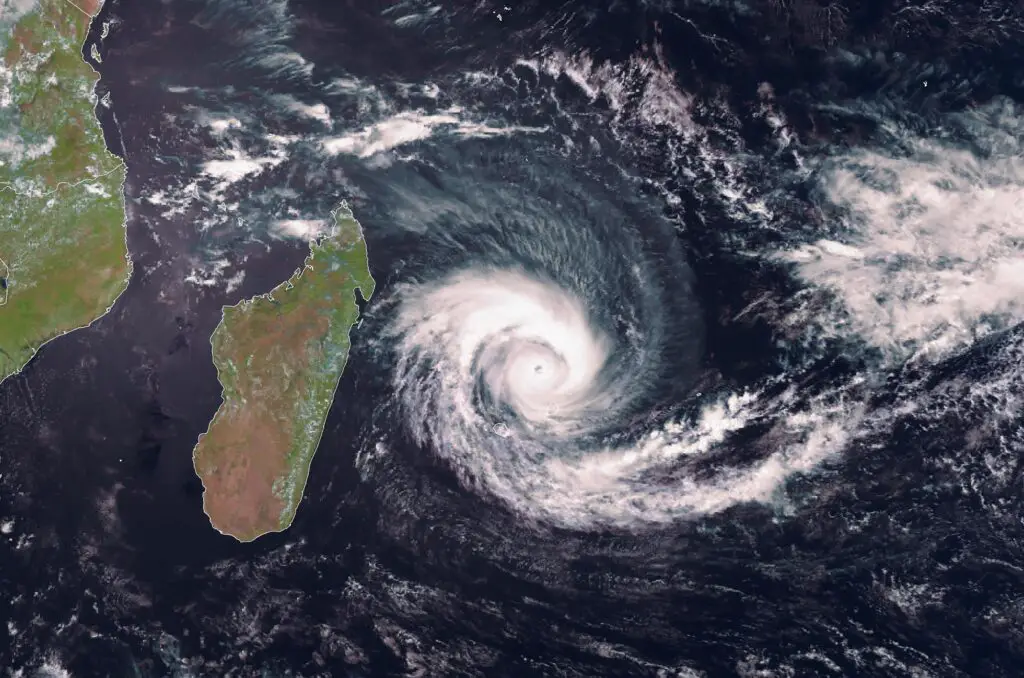
Tropical storm Ana in January 2022 affected 180,869 people, injured 207 people, killed at least 38 people and flooded a…
However, economic growth and the rapid expansion of digital and mobile services are set to change this.
With the African middle class growing across many African nations, the target market for insurance products is growing.
The report highlighted that there has been a significant rise in demand for digital solutions, as smartphone and affordable internet penetration deepens across the continent, providing opportunities for InsureTechs to step in and offer innovative products.
Sixty-nine per cent of Kenyan businesspeople said that digital payments have positively impacted their businesses as they can easily track expenses and income returns, which reduces errors and enables faster transactions.
The Central Bank of Kenya (CBK) has been pushing mobile money payments recently. Last year, following the outbreak of the COVID-19 pandemic, the Kenyan government released a directive through CBK, instructing commercial banks and payment service providers to halt charges on all transfers from mobile money wallets and bank accounts.
Despite the positive trajectory in digital payments adoption in Africa, Visa says there still is room for improvement.
According to the Business Wire report of 2021, South Africa generates up to 108 million tonnes of annual waste, about 90 per cent of this which ends up in landfills. The problem is that landfills are projected to be full in a few years to come.
The national waste management strategy gazette by the government in 2020 gives a clear direction on how to acquire raw products for metal products and how to even trade the final products.
The producer’s responsibility scheme hold the manufacturers responsible for their products and packaging to the end of their life cycle.
Findings show that increasing costs in every market due to a year of supply disruption did not deter data centre demand in most markets including Nairobi and Johanessburg.
The two African capitals were among 44 other locations that were surveyed.
According to the study, despite the negative impact of the coronavirus pandemic, demand remained relatively steady when compared to other industries owing to governments’ decisions to make working and schooling from home mandatory.
Norrsken22 plans on capitalizing on its general partners’ years of experience and investment philosophies to back startups in fintech, MedTech, Edtech, and market-enabling solutions such as B2B marketplaces and inventory management businesses.
Kolbe, whose previous firm Actis backed Egyptian fintech giant Fawry in 2019 as it prepared to go public, said Norrsken would look at Egypt ‘opportunistically.’
Deals from the country that may be of interest to the firm will be those planning an expansion into the four markets Norrsken22 is currently keen on, including Nigeria, Ghana, Kenya and South Africa.