

Trending
- Minisend grows Kenya presence as official payment partner of Africa Blockchain Festival 2026
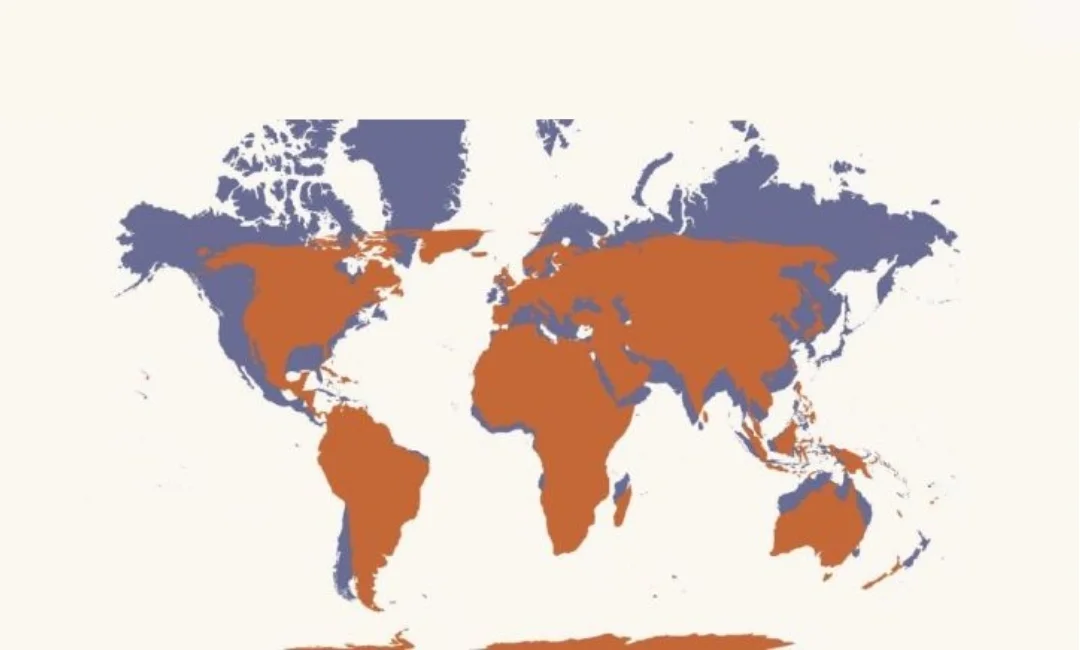
- UN resolution challenges world maps that make Africa look smaller
- Zimbabwe edges closer to arrears payment, debt restructuring and reset of ties with IMF
- Tanzania coffee industry mulls commercializing wastes to spur fresh revenue streams
- Reasons for African Currencies Growing in Significance for Business Decisions
- Nairobi forum launches push to close Africa’s climate protection gap
- East Africa’s lessons from India’s economic growth playbook
- Tanzania and Serbia to revive falling trade relations


Browsing: Tanzania

The 2023 Africa Prize for Engineering Innovation shortlist represents ten African countries, including first timers Angola and Sierra Leone, and demonstrates the importance of engineering as an enabler of improved quality of life and sustained economic development.
The UK Royal Academy of Engineering shortlist of innovations tackle challenges central to the UN’s Sustainable Development Goals, including clean water and sanitation, sustainable cities and communities, good health and wellbeing, and clean energy, good health and wellbeing, and quality education.
Several water innovations are featured in the shortlist Africa Prize Engineering Innovation, including a real-time water quality monitoring and control system, an acid mine drainage solution to recycle contaminated water for human consumption, a portable unit that uses fish waste to boost production of vegetables, and a water management system to prevent excess borehole pumping and drying out of aquifers.
Kenya has much of what it takes to become a globally competitive tourist destination. With its modern infrastructure, the country has the capacity to receive many more tourists. The favourable investment climate means any increase in demand would easily trigger new investments in accommodation, attractions, and tourist services.
Demand is, however, the most crucial factor here, and with the current visa regime, Kenya faces an unnecessary barrier that limits the growth potential of a key engine of the country’s economy.
An easing of visa policies could be implemented in a matter of days and would provide an immediate boost to Kenya’s tourism competitiveness. Bringing back visa-on-arrival would be a major improvement. Visa-free entry for citizens of the main source markets even more so.

Factors for the low adoption rate surround the lack of sector information. For example, the researchers point out that there is ‘uncertainty among potential adopters with respect to potential gains vis-à-vis the cost of adoption.’
Other factors include the cost of adoption and use of modern agriculture technology and lack of adequate knowledge on how to use modern agriculture technology when it is available.
Introduction of modern agriculture technologies in beekeeping is expected to enhance efficiency along with beekeepers’ earnings and welfare in Tanzania. This is because about 99%, beekeeping in Tanzania is done by small scale beekeepers who use traditional beehives made of logs, barks and guards.
Even the harvesting process is very rudiment using fire and smoke to keep bees away, a hazardous trade especially considering that most traditional beehives are kept high on trees.

Tanzania is now executing several energy projects, including the East African Crude Pipe Line Project (EACOP), which brought several international attention fighting its realization.
The widely followed meeting is occurring in the continent for the fifth time and attracting thousands of participants engaging in serious conversations that might lead to the realization of climate targets.
The 27th meeting of parties calls for moving from negotiations (which occurred in COP26) and “planning for implementation” for all these promises and pledges made (United Nations -UN).
As Samia presents the ambitious deal on behalf of a dozen southern African nations – the pressure lies upon the developed economies to jump in and support the common cause.

According to the 2022 National Tourism Survey, tourism earnings in Tanzania have shown positive comeback post Covid-19.
The figures indicate a good recovery trajectory with data showing that the sector is up 83% having earned an impressive 1.4 billion USD and tourist receipts of 922,692 which represents an increase of about 48.6% compared to the 2020 performance.
According to the Tanzania National Five Year Development Plan 2021/2022-2025/2026, the country targets to attract 5 million tourists and garner revenues of US$ 6 billion.
The tourism sector contributes to the country’s GDP by an impressive 17%, and its contribution to foreign exchange earnings is more than a quarter (25 percent) of the country’s total foreign exchange earnings.

According to Tanzania Mortgage Refinance Company Ltd (TMRC), these products are competing with mortgage in terms of loan amount and to some extent tenor as they are offering consumer loans for the tenor of up to seven years amounting to around TZS 120 million, an amount enough to buy a housing unit.
However, a key element in the growth of the mortgage market in Tanzania continues to be the provision of long-term funding both in the forms of refinancing and pre-financing by the TMRC to facilitate PMLs matching their assets (mortgage) and liabilities (funding).
TMRC was established in 2010 under the Housing Finance Project (HFP) which was set up by the Ministry of Finance and Planning in collaboration with the World Bank and the Bank of Tanzania.
It is important to take a clear view of the past to understand the complexities of the future. In this case, the trade relations issues of the past between Kenya and Tanzania showcase how these nations have much work to do.
In June 2022, Kenya pointed out that its trading partner—Tanzania doubled the cost of export permits by almost 93 per cent, which could spark another set of disputes with the Kenyan government.
This scenario impacted trucks transiting into Kenya with precious and expensive cargo—amid the new requirement demand. Hundreds of trucks were left stranded at the border.
In 2020, Tanzania brought another set of issues, arguing that its trade partner Kenya used zero-rated industrial sugar imports to produce various products. Hence, concerning this, Tanzania imposed a 25 per cent import duty on Kenyan confectionery, including chocolate, chewing gums, sweets, ice cream and juice.
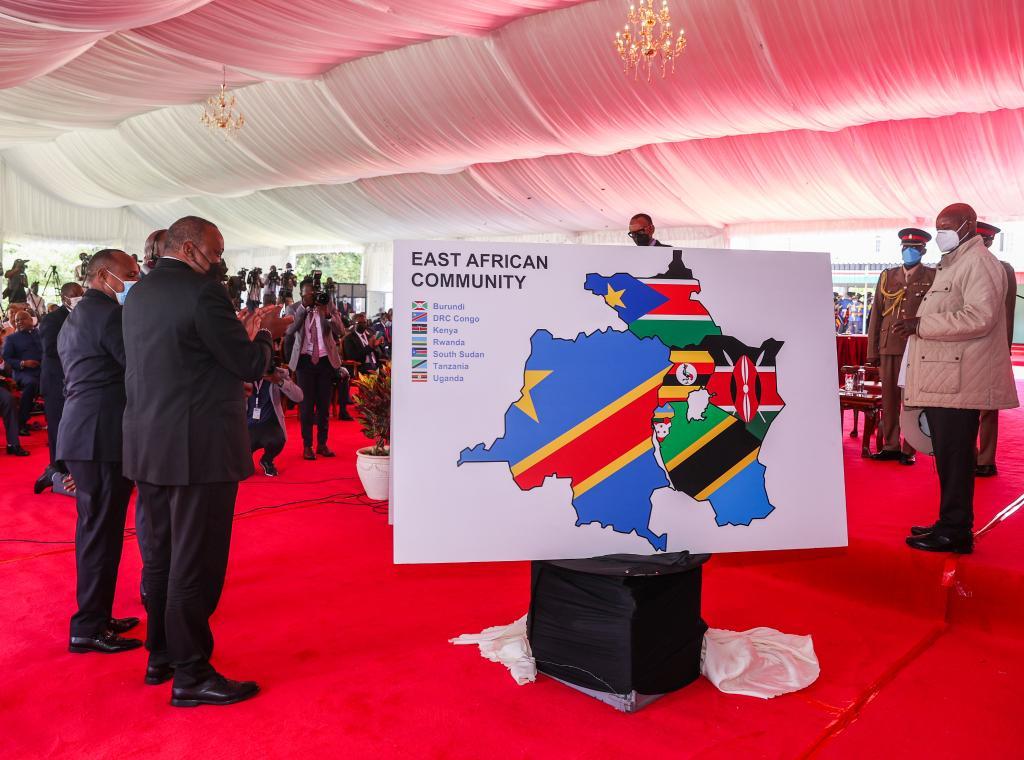
As part of improving regional infrastructure works, DRC President Tshisekedi is looking to improve its power output through its Grand Inga Dam project but has been facing resistance, especially from the West.
DRC plans to build the Grand Inga Dam, which, when complete, would be the world’s largest hydropower project. With the capacity of producing 88,000 plus Mega Watts, Grand Inga Dam would make DRC “the heart of the world’s clean energy production system.”
The Grand Inga Dam is expected to rival the power supply of major world economies like Spain; in fact, the dam’s power output would surpass the power output of all of south of Europe combined.

While ties with Zanzibar and mainland Tanzania are growing with the recent signing of agreements to end double taxation, among other deals, authorities in the United Arab Emirates (UAE) recently announced a Dubai visa ban on 20 African countries.
They include Uganda, Rwanda, Ghana, Sierra Leone, Sudan, Cameroon, Nigeria, Liberia, Burundi, Republic of Guinea, Gambia, Togo, Democratic Republic of Congo, Senegal, Benin, Ivory Coast, Congo, Burkina Faso, Guinea Bissau, Comoros and the Dominican Republic.
“Any applications from the above-mentioned countries will be sent back or cancelled,” the UAE authorities warned trade partner authorities along with travel agents, urging them to reject all related applications.
The reason given for the ban is increased visa term violations by persons from the said countries. The UAE authorities explained that persons from these countries are using 30-day visas to Dubai to stay and work in the country illegally.

Medical marijuana may very well be the agri-business that Africa needs to get its economies high in the global multi-billion…