
Trending
- Minisend grows Kenya presence as official payment partner of Africa Blockchain Festival 2026
- UN resolution challenges world maps that make Africa look smaller
- Zimbabwe edges closer to arrears payment, debt restructuring and reset of ties with IMF
- Tanzania coffee industry mulls commercializing wastes to spur fresh revenue streams
- Reasons for African Currencies Growing in Significance for Business Decisions
- Nairobi forum launches push to close Africa’s climate protection gap
- East Africa’s lessons from India’s economic growth playbook
- Tanzania and Serbia to revive falling trade relations


Browsing: Tanzania

There are increasingly more and more ‘outbreaks’ of non-communicable diseases in Africa and more so in sub-Saharan Africa. These lifestyle…
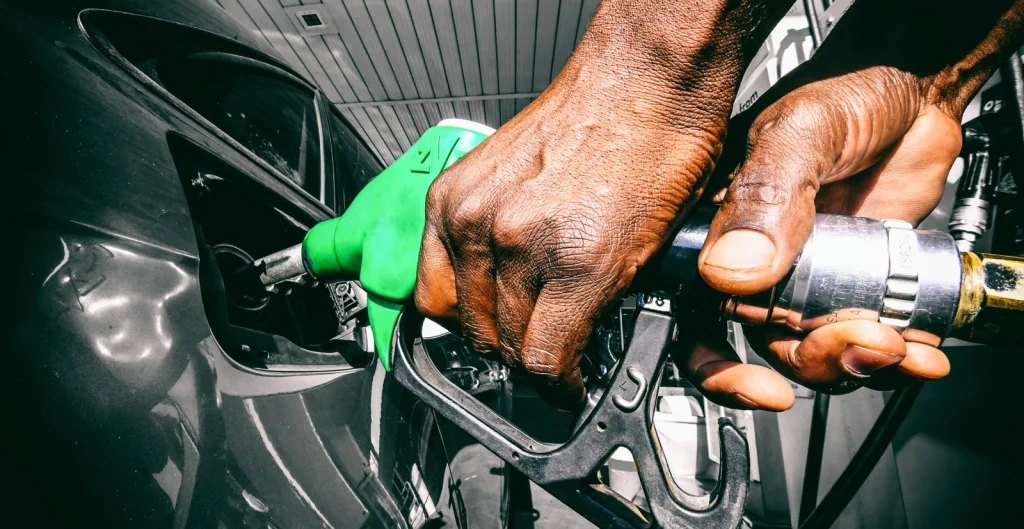
Fuel price rise across EAC National Assembly hears public outcry on the rising cost of living Governments working on solutions…
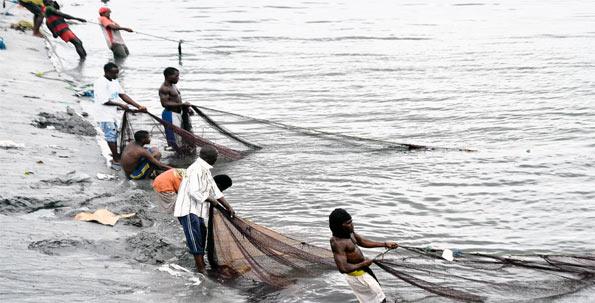
Tanzania is also party to the United Nation’s Food and Agriculture Organisation (FAO) agreement that requires countries not only to take all necessary actions to prevent and even end illegal fishing activities in the Indian Ocean but to also report all such activities.
Similarly, Tanzania is also a signatory to the United Nations Convention on the Law of the Sea (UNCLOS) and the FAO’s Code of Conducts for Responsible Fisheries as well as the Indian Ocean Tuna Commission (IOTC).
However, even with all these goodwill memberships, the country still underperforms in the fishing sphere and even with environmental concerns in mind, the country needs to increase foreign (and domestic) investment in the sector.

Generally speaking, the proliferation of mobile phone technology has increased access to mobile money services (MMS) and is the backbone of mobile money deployment in both rural and urban areas of Africa.
“Despite its enormous benefits, embracing the usage and acceptance of mobile money has mostly been low due to security issues and challenges associated with the system,” warns professor Guma Ali from the Nelson Mandela African Institution of Science and Technology.
In a paper titled ‘Evaluation of Key Security Issues Associated with Mobile Money Systems in Uganda,’ the pundit suggests the need to carry out a survey to evaluate the key security issues associated with mobile money systems in Uganda (and Africa).
In the study that followed, which employed a descriptive research design, and stratified random sampling technique to group the population, some 741 registered mobile money (MM) users and 447 registered MM agents along with 52 mobile network operators (MNOs) IT officers participated.
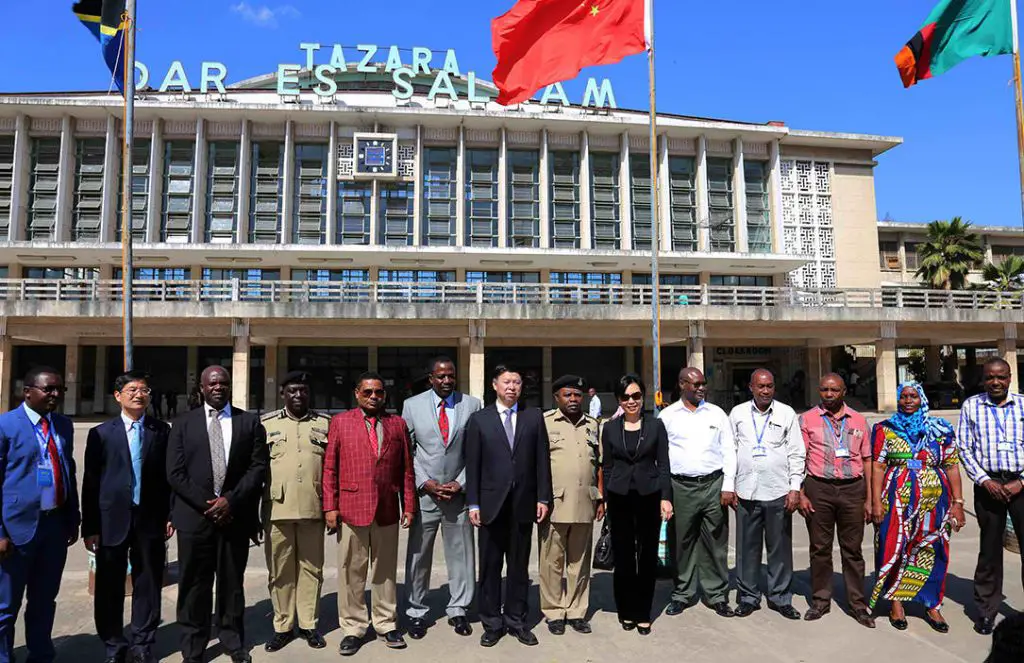
ZAMBIA and Tanzania last week agreed to revamp and recapitalize the TAZARA railway and expand the TAZAMA pipeline following a change in objectives from the transportation of crude oil to finished products.
Tanzanian President Samia Suluhu Hassan said the agreement to revive TAZARA was reached when she held talks with visiting Zambian President Hakainde Hichilema at State House in the commercial capital Dar es Salaam.
According to Zambia Daily Mail, TAZARA was constructed as a turnkey project between 1970 and 1975 through an interest-free loan from China, with commercial operations starting in July 1976, covering 1,860 kilometres from Dar es Salaam in Tanzania to New Kapiri Mposhi in Zambia.
President Hassan added that the two leaders have also agreed to work closely in promoting trade and investment through the revival and renovation of key joint post-independence infrastructure projects that were built to link the two nations, including the Tanzania-Zambia Crude Oil Pipeline (TAZAMA).
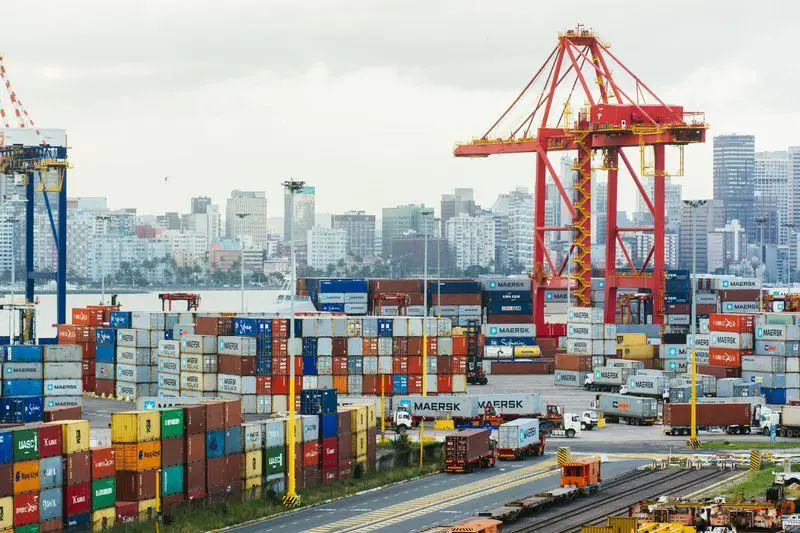
Most Kenyans, 83 per cent, indicated a willingness to increase the amount of money they allocate to savings and investments, but the inability to save due to insufficient funds after fulfilling their obligations that require regular funding and the availability of quick digital loans.
Among their obligations which contribute to Kenyans’ financial strain is supporting their extended family which considerably bites into their savings. 84 per cent of people indicated that they regularly provide some income to their extended family, mostly in case of emergencies, because they feel a sense of obligation to send their extended families money and because their extended family members treat them better when they are sent money.
On their part, the extended family members mostly use the money to cater to recurring expenses like food & transport, school fees and medical expenses at 23 per cent, 19 per cent and 18 per cent respectively. Farm-related expenses like purchase of fertiliser ranked fourth at 14 per cent, phone and home upgrades came in fifth at 7 per cent while entertainment like Christmas celebration was sixth.
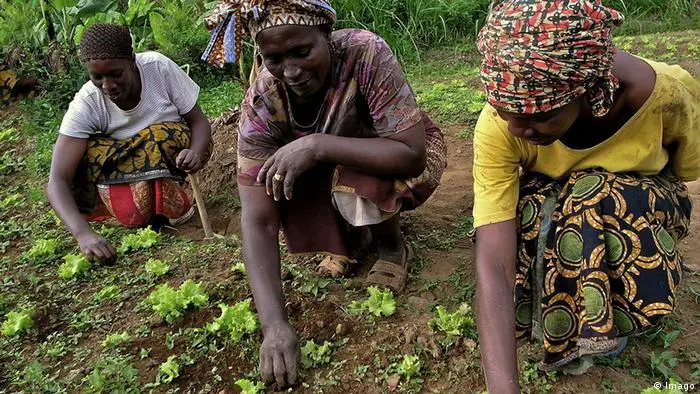
The CRDB alone offers at least 40 per cent of all loans issued to the sector and also unveils a vast opportunity package for local farmers via financing climate-resilient and adaptation projects in Tanzania, making available $200 million in agri-loans for the taking.
According to The Citizen, the adaptation projects target six million beneficiaries in Tanzania’s agriculture industry.
Top bankers are now taking agriculture as a viable product to invest in and develop. Tanzania’s best-performing retail bank, NMB, has set up a specialised agri-business department to serve and effectively attend to all farming financial aspirations.
Tanzania’s agriculture ministry has ramped up funding in research and development from $3.15 million to $4.86 million in the financial year 2022/2023. Further, irrigation is taking a new shift in Tanzania. According to the ministry, the area irrigated has increased from 695,045 hectares in 2020/2021 to 727,280 hectares in 2021/2022.
Tanzania’s Energy Minister Hon. January Makamba invites participants to TEC Patrons to review opportunities in Tanzania’s $30bn LNG investment Despite…
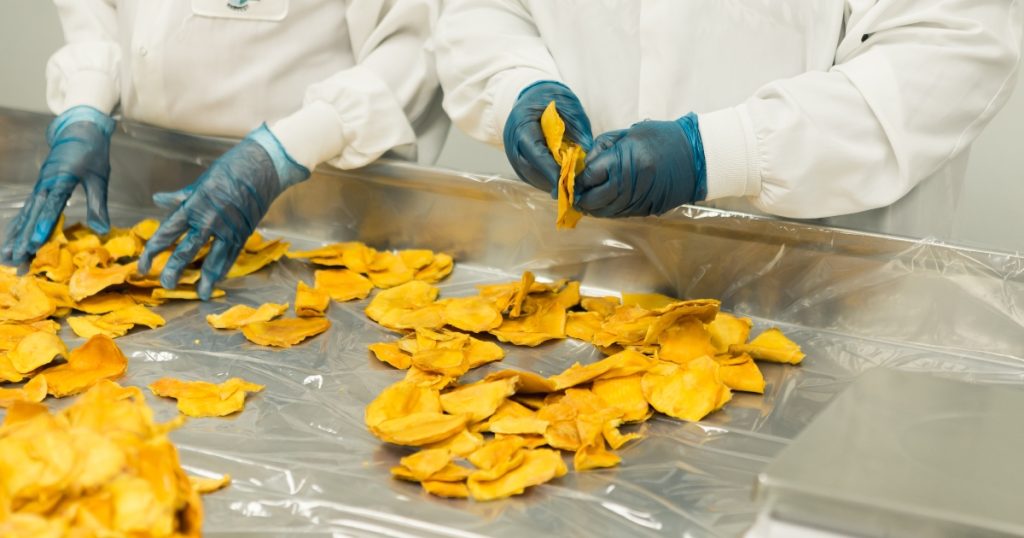
Tanzania will receive $73.5 million to finance a programme that will boost its food production by a million tonnes The…
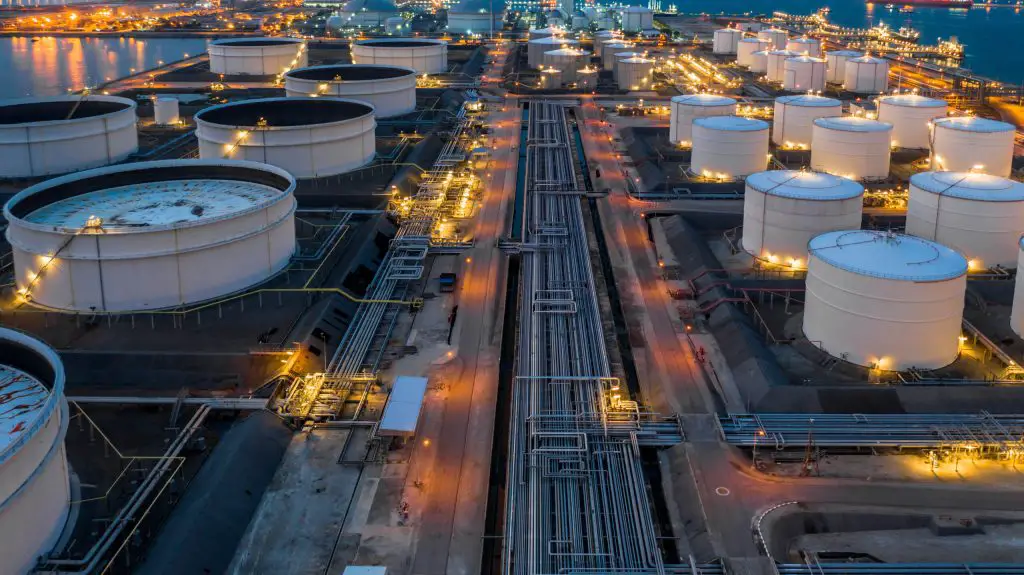
The European Union has imposed restrictions, including a partial oil embargo on Russia. The sanctions will see the E.U. ban seaborne imports of Russian crude oil by the end of 2022. Additionally, petroleum product imports would stand prohibited by early 2023. European Commission President Ursula von der Leyen reiterates the E.U. plans to reduce reliance on Russian fossil resources by 2027.
Because of the European Union’s political determination to minimize its reliance on Russia in response to Moscow’s invasion of Ukraine, the E.U. is now searching for alternative suppliers. The search implies that suppliers such as Africa’s underdeveloped frontier energy markets may discover new energy markets in Europe. Optimism remains high since it is clear the E.U. no longer rely on Russian gas. Russia has for years remained a primary gas supplier in Europe.