
Trending
- Minisend grows Kenya presence as official payment partner of Africa Blockchain Festival 2026
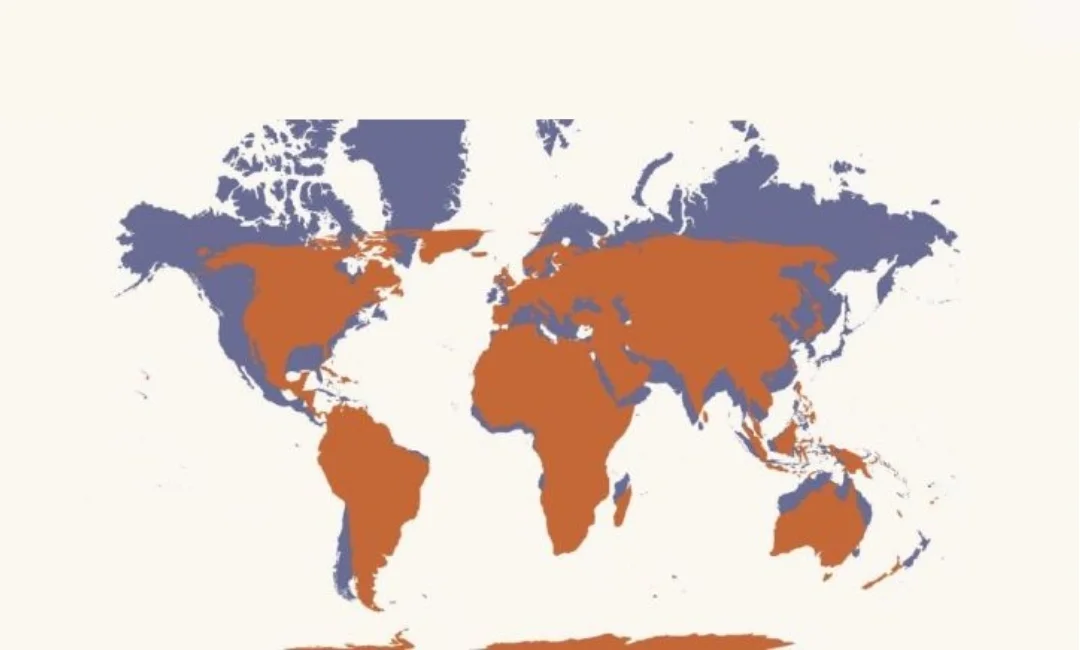
- UN resolution challenges world maps that make Africa look smaller
- Zimbabwe edges closer to arrears payment, debt restructuring and reset of ties with IMF
- Tanzania coffee industry mulls commercializing wastes to spur fresh revenue streams
- Reasons for African Currencies Growing in Significance for Business Decisions
- Nairobi forum launches push to close Africa’s climate protection gap
- East Africa’s lessons from India’s economic growth playbook
- Tanzania and Serbia to revive falling trade relations


Browsing: Tanzania
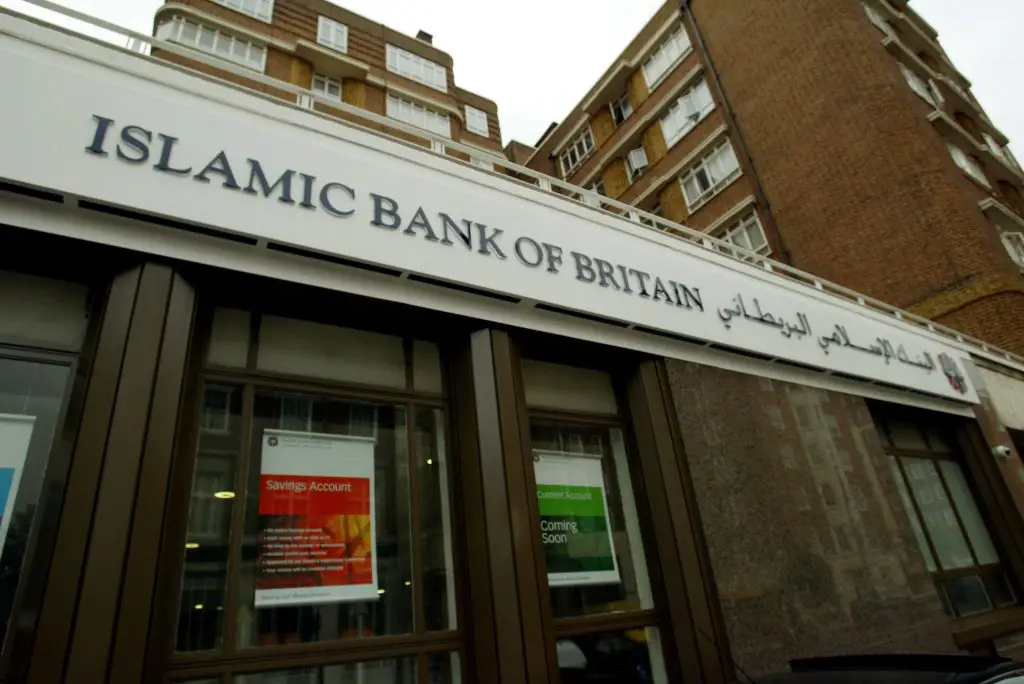
In recent years, Islamic banking has grown on average two to three times faster than conventional banks. No interest clause…

Most Kenyans, 83 per cent, indicated a willingness to increase the amount of money they allocate to savings and investments, but the inability to save due to insufficient funds after fulfilling their obligations that require regular funding and the availability of quick digital loans.
Among their obligations which contribute to Kenyans’ financial strain is supporting their extended family which considerably bites into their savings. 84 per cent of people indicated that they regularly provide some income to their extended family, mostly in case of emergencies, because they feel a sense of obligation to send their extended families money and because their extended family members treat them better when they are sent money.
On their part, the extended family members mostly use the money to cater to recurring expenses like food & transport, school fees and medical expenses at 23 per cent, 19 per cent and 18 per cent respectively. Farm-related expenses like purchase of fertiliser ranked fourth at 14 per cent, phone and home upgrades came in fifth at 7 per cent while entertainment like Christmas celebration was sixth.

Most Kenyans, 83 per cent, indicated a willingness to increase the amount of money they allocate to savings and investments, but the inability to save due to insufficient funds after fulfilling their obligations that require regular funding and the availability of quick digital loans.
Among their obligations which contribute to Kenyans’ financial strain is supporting their extended family which considerably bites into their savings. 84 per cent of people indicated that they regularly provide some income to their extended family, mostly in case of emergencies, because they feel a sense of obligation to send their extended families money and because their extended family members treat them better when they are sent money.
On their part, the extended family members mostly use the money to cater to recurring expenses like food & transport, school fees and medical expenses at 23 per cent, 19 per cent and 18 per cent respectively. Farm-related expenses like purchase of fertiliser ranked fourth at 14 per cent, phone and home upgrades came in fifth at 7 per cent while entertainment like Christmas celebration was sixth.
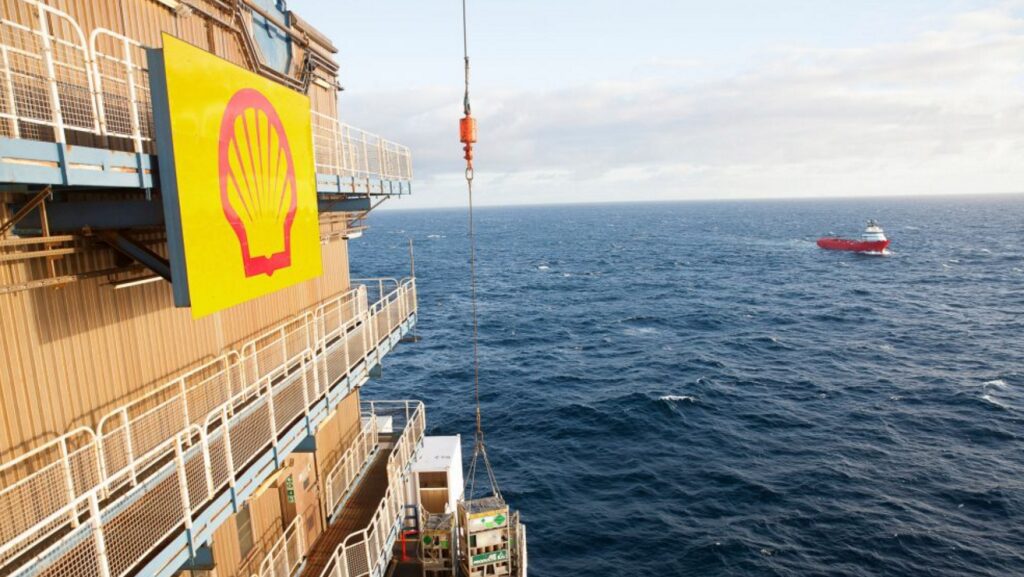
Tanzania has signed an energy deal to export natural gas Tanzania’s 4th energy summit to open new investment options Tanzania…
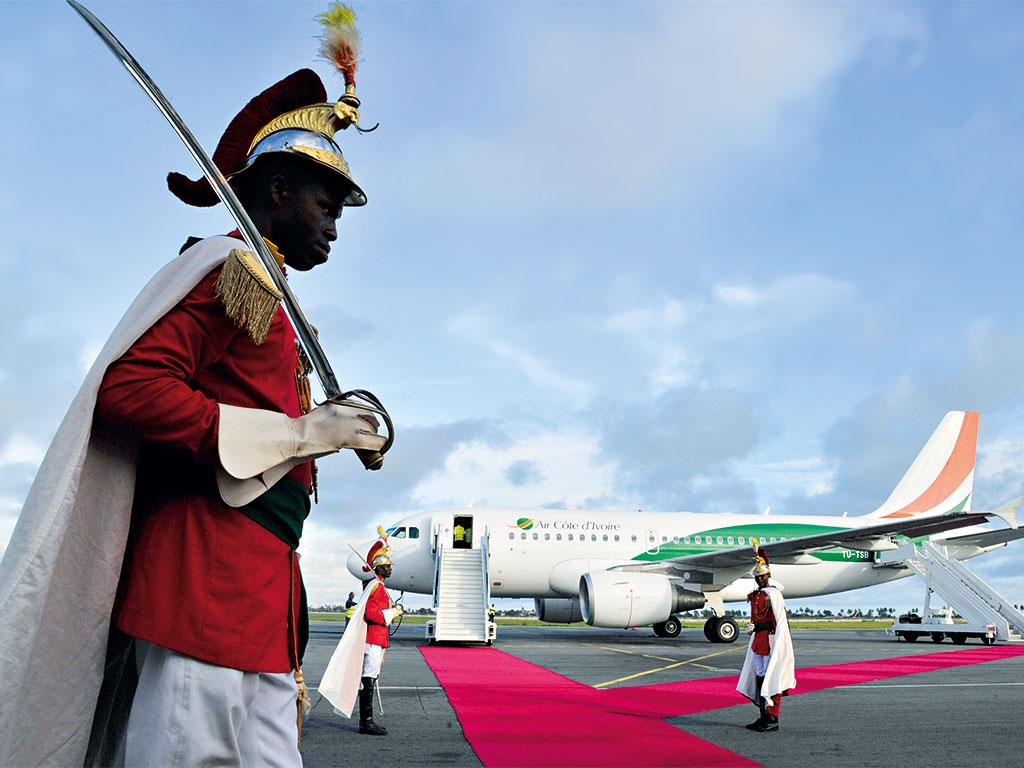
The Entebbe airport stands to transform Uganda’s movement over time as it advances to become an oil economy alongside Tanzania.
South Africa, one of the wealthiest countries, has the largest road network, 750,000kms, while Tanzania, East Africa’s competitive economy, has more than 86,000km of roads.
In the current economic scenario, where uncertainty brought by economic shocks from the pandemic and political tensions force nations to expand their horizon of influence, the past years have shown why African infrastructures must be robust and conducive to enhancing value creation.
Whoever moves fast and swiftly dominates the economic conversation. South Africa, Kenya, Namibia and Nigeria are among the top African nations with more robust economies.
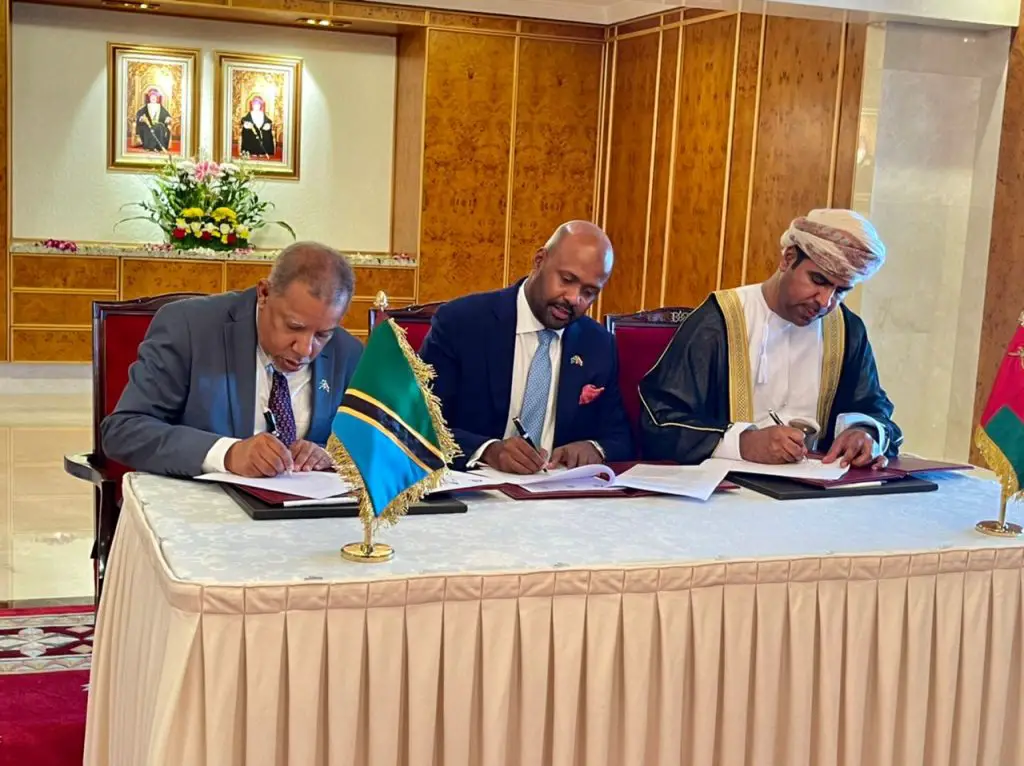
The two sides expressed their satisfaction with the role played by the Oman Investment Authority (OIA) through existing projects in Tanzania and the part of the Ministry of Heritage and Tourism through the restoration of historical and archaeological sites in Zanzibar and the advanced stages that these works have reached.
Sayyid Badr forecasts trade exchange between the two countries will increase, especially after Oman and Tanzania signed several memoranda of understanding today, in addition to existing agreements between Oman Investment Authority (OIA) and the concerned Tanzanian authority.
He added that the two countries would later sign MoUs in various economic, investment, energy and tourism fields with a work programme set for those agreements (Oman News Agency).
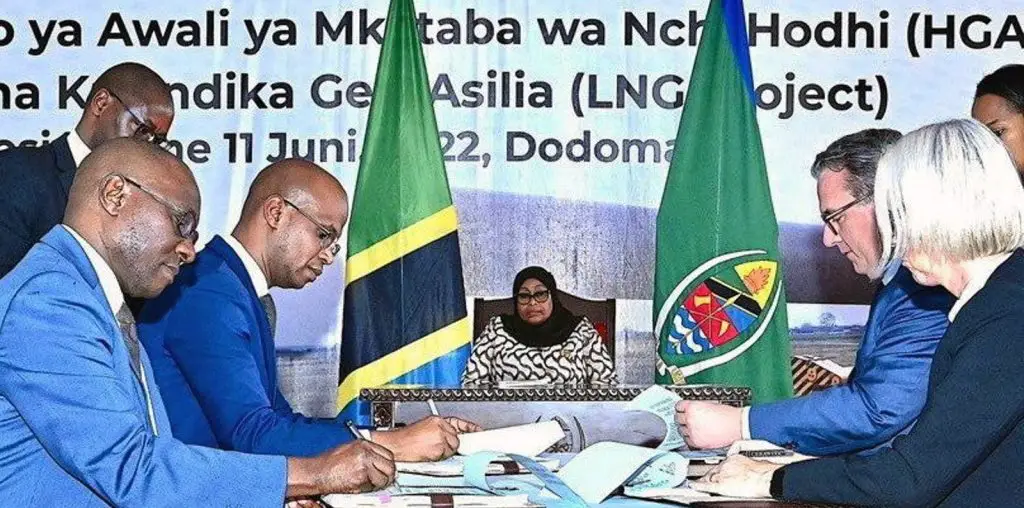
The minister for Energy, January Makamba, noted before the President of Tanzania Samia Suluhu Hassan that Tanzania could be holding nearly 60 trillion cubic feet (TCF) of gas deposits.
This amount stands to transform the energy sector and put a dent in the economy as the nation becomes a competitive actor within the regional and global markets.
However, the minister revealed that the government of Tanzania is taking natural gas exploration to the next level.
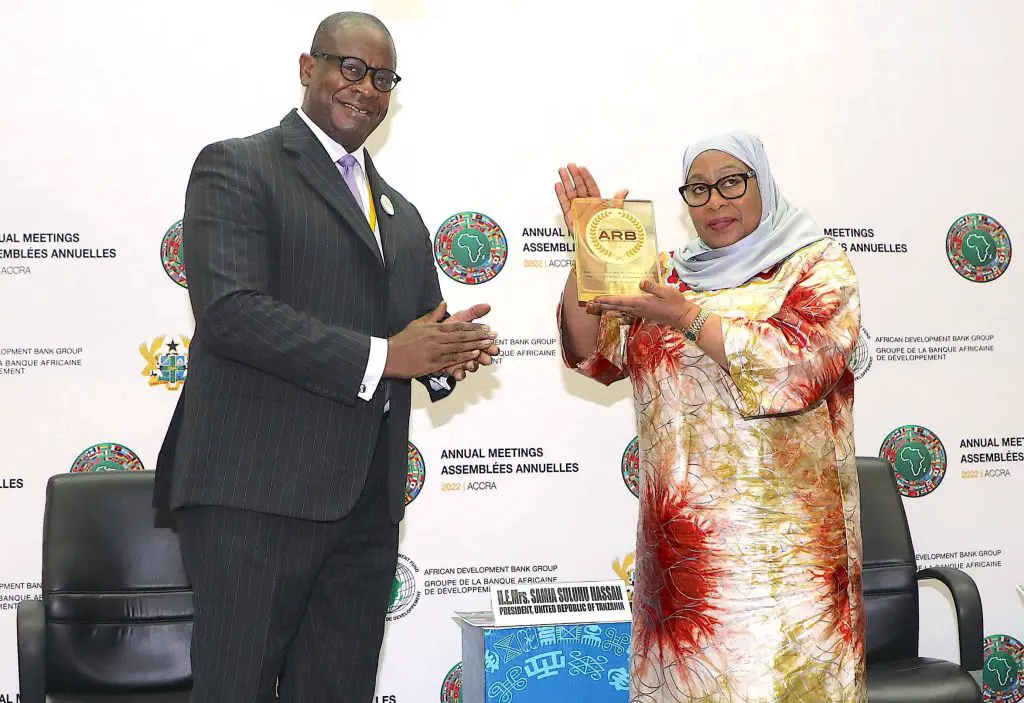
Last year, the Board of Directors of the African Development Fund (AfDB) approved another loan of around $116 million to Tanzania for the upgrade of a 160-km road corridor in the southern part of the country.
This enormous funding by the Bank actually served to cover 98.71% of the project cost; while the remaining 1.29% was met by the government of Tanzania. It is expected that the AfDB will continue funding Tanzania’s road works and other transport infrastructure especially given the country’s strategic geographical location.
Tanzania is the gateway into Africa’s interior and it is also the way out to the rest of the world via the Indian Ocean.
In Tanzania, it is the Tanzania National Roads Agency (TANROADS) is responsible for the improvement of road maintenance and development. The Agency is responsible for the management of 35,000 Km of roads made up of 12,786 Km of trunk roads and 22,214 Km of regional roads.
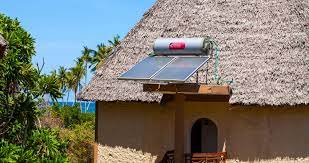
Tanzania’s Government is scheduled to open the 2022 Tanzania Energy Congress (TEC) this August in the country’s commercial port city…
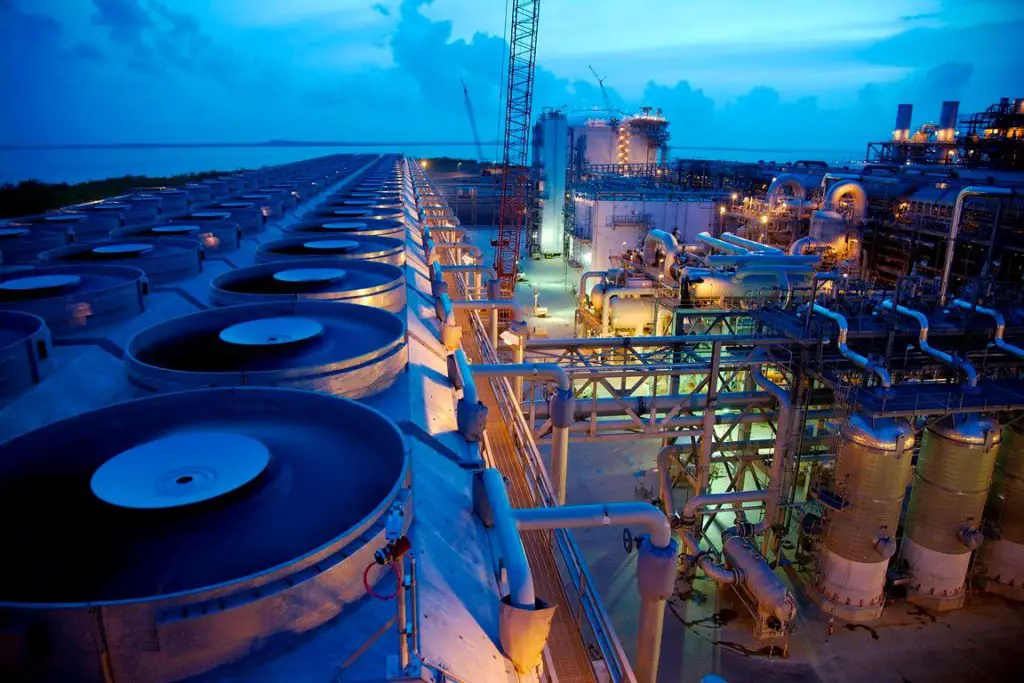
Energy producers argue that Tanzania’s LNG international markets could be worth around 44.3 billion (based on 2021 markets), thus proving how the sector benefits all parties involved in the investment.
The EACOP pipeline is another success story that Tanzania wears as a badge of honour. It managed to win Uganda over and sweep off Kenya from the deal, as Tanzania’s land laws and policies favoured the project timeline. According to information from the EACOP official website, the oil project will transform oil and gas investment in both countries while increasing their FDI by over 60 per cent during the construction phase alone.
Mining is another extractive sub-sector that yields profits for both Tanzania and investors. After facing a series of international legal complications, Tanzania’s new mining landscape is open for business.
Big global miner such as Barrick Gold has solidified investment in Tanzania mines which produce valuable diamond and gold minerals. According to the Bank of Tanzania, gold generated $2.7 billion in exports in 2021.