
Trending
- Minisend grows Kenya presence as official payment partner of Africa Blockchain Festival 2026
- UN resolution challenges world maps that make Africa look smaller
- Zimbabwe edges closer to arrears payment, debt restructuring and reset of ties with IMF
- Tanzania coffee industry mulls commercializing wastes to spur fresh revenue streams
- Reasons for African Currencies Growing in Significance for Business Decisions
- Nairobi forum launches push to close Africa’s climate protection gap
- East Africa’s lessons from India’s economic growth playbook
- Tanzania and Serbia to revive falling trade relations


Browsing: Tanzania
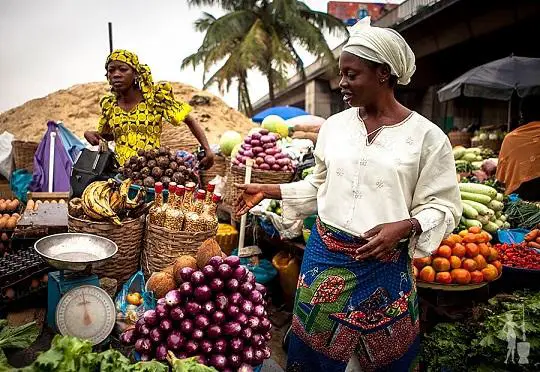
On a broader scale, the United Nations argued that sub-Saharan Africa loses $95 billion yearly because of the gender gap in the labour market.
Multiple entities are recording the contribution of women to the Tanzania economy, including the National Bureau of Statistics (NBS).
The NBS argue that 65 per cent of farmers are women and women head 33 per cent of households; political processes that promote women are mounting up over the decades.
Around 36 per cent of the national parliamentarians are women—however, legislative and financial barriers, as well as gender norms, hinder advancement.
On the other side of the fence, World Bank argues that Tanzania has made vital strides in expanding women’s economic opportunities over the past two decades.
“The female labour-force participation rate rose from 67 per cent in 2000 to 80 per cent in 2019, well above the average of 63 per cent for sub-Saharan Africa and among the highest rates on the continent.” World Bank report argues.
As Tanzania doubles down on improving the education sector and skills take up, ripples are observed in other related fields, employment.
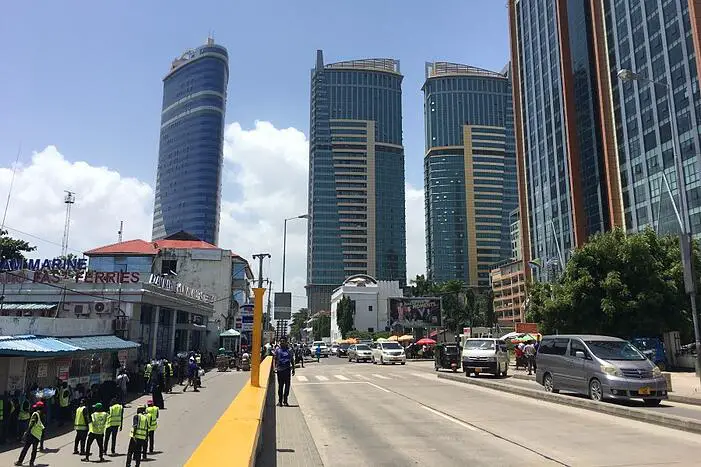
Thanks to the credit extended by BoT, the private sector credit maintained a strong recovery pace, recording an annual growth of 10 per cent, the same as in the preceding month, and significantly higher than the 2.6 per cent recorded in January 2021.
The central bank report noted that accommodative monetary policy had catapulted good performance of the sector. Money supply growth was strong in January 2022 and consistent with the target of 10 per cent for 2021/2022.
“Extended broad money supply (M3) grew at an annual rate of 14.9 per cent compared with 15.5 per cent in the preceding month.”
The review unequivocally pointed out that the growth rate was more than twofold of the outturn in the corresponding period in 2021.
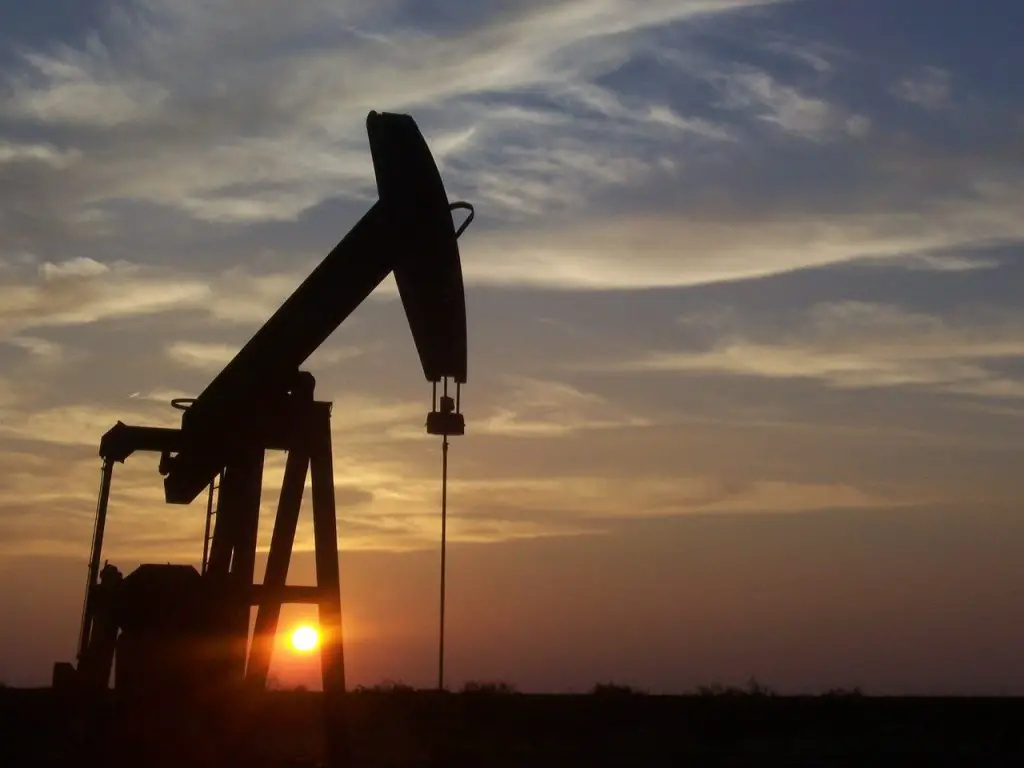
The EACOP is a 1,443km pipeline that is been constructed at a value of 3.5 Billion USD. These funds are been directly injected into the economies of Uganda and Tanzania effectively increasing their FDI by over 60 % during the construction phase alone.
The magnanimous project is been constructed and operated through a shareholding approach among several stakeholders including the government of Uganda through the Uganda National Oil Company (UNOC), the government of Tanzania through the Tanzanian Petroleum Development Corporation (TPDC), France’s Totalenergies and China’s CNOOC.
It is expected that through the East African Crude Oil Pipeline, the region’s East Africa’s oil potential. It will effectively attract investors and companies to explore the region’s oil potential. Further still, as new infrastructure projects commence in line with the pipeline, it will greatly contribute to the enhancement of the central corridor between Uganda and Tanzania.
The goal here is to have more companies register on the island to increase Zanzibar’s internal revenue through taxes and related fees. The move is also expected to create employment on the island as companies open subsidiaries they will naturally have to hire.
Overall, according to the International Monetary Fund (IMF ), last year’s growth of around 4 per cent is expected to pick up to about 5½ per cent this year and to then maintain a steady growth of the next few years, assuming no other pandemic strikes that are.
Ceterisperibus, should the economic reforms announced by the new administration and the envisaged improvements in the business climate materialize, then medium-term growth could reach 6 per cent, says the IMF.
As would be expected, Total rebutted the claims. Its first move was to make public the related project social and environmental studies and issue a statement in which it pledged transparency.
The company admits that; “The projects for the development of the oil and gas resources of the Lake Albert region and the cross-border pipeline are situated in a sensitive social and environmental context that requires special measures for the environment and the rights of the local communities.”
In a follow-up statement, the investors maintained that; “All the partners are committed to implementing these projects in an exemplary manner and taking into highest consideration the biodiversity and environmental stakes as well as the local communities’ rights and within the stringent environmental and social performance standards of the International Finance Corporation.”
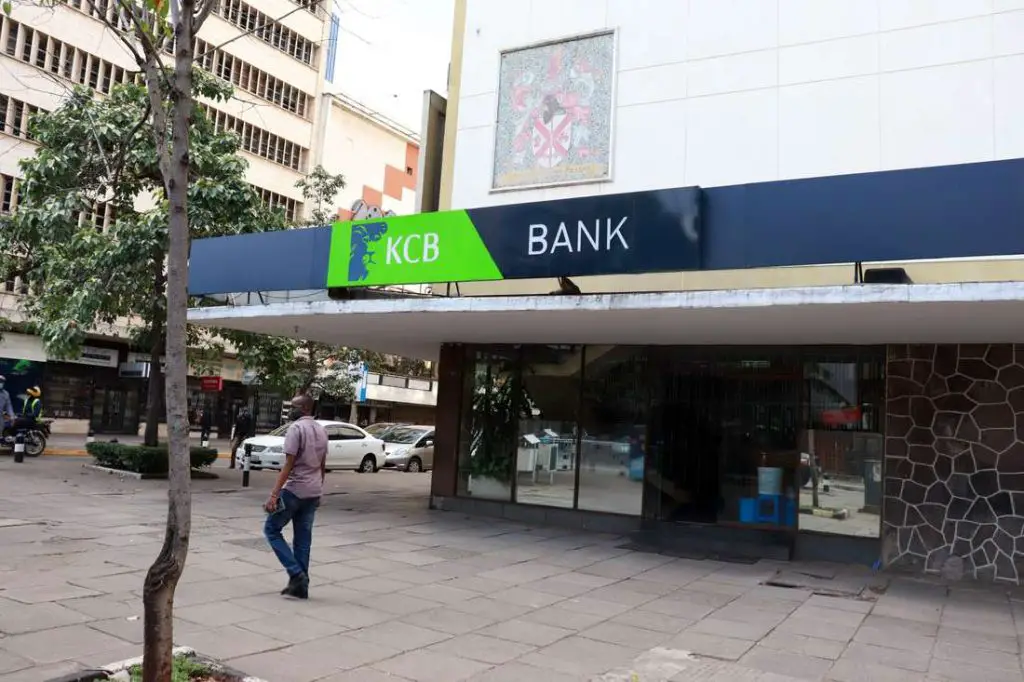
The most recent expansion by Kenya’s KCB was in Tanzania where the bank launched a mini-branch, at the EAC Secretariat Headquarters in Arusha, Tanzania late last year. This expansion speaks volumes to the merit of Kenya banking sector.
Overall speaking, Kenya’s banking industry as exemplified by KCB’s good performance is symbolic of the resilience of Kenya’s economy. The country’s economy has remained strong even in the face of recent economic shock waves wrought by Covid-19 and even regional conflict like the ongoing demonstrations in Sudan.
Actually, according to the Africa Development Bank (AfDB), Kenya’s economy is well on its way towards a full recovery, if no other Ovid waves emerge that is. However, it is not all sugar and candy, the AfDB does acknowledge that “…nearly 2 million people are estimated to have fallen into poverty, and nearly 900,000 lost their jobs,” over the cause of the pandemic.
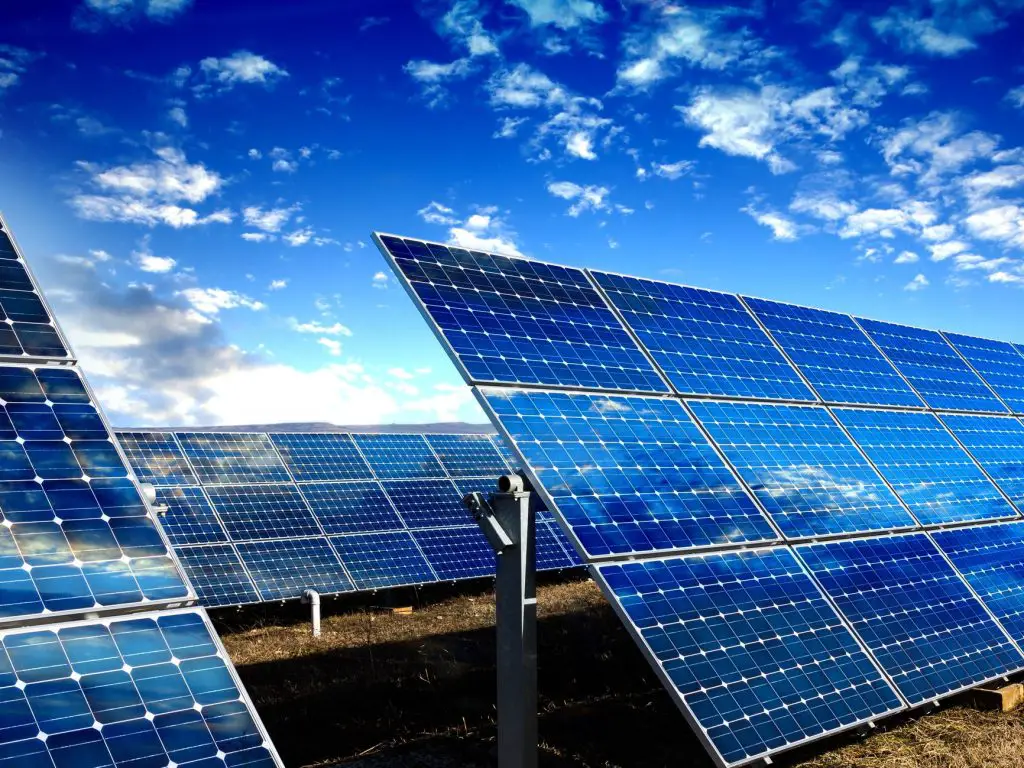
Over the course of the next six years, LEAF is expected to deploy financing options, credit enhancement instruments and technical assistance in partnership with the private sector; including local banks.
As we approach the 2030 deadline of the SDGs, we must unfortunately acknowledge the disturbing truth, we are far from meeting the goal’s sustainable growth targets. The latest Sustainable Development Goal (SDG) 7 tracking report warns that close to 600 million Africans still lack access to electricity and this reality is only worsened by the Covid-19 crisis.
In his comments about the LEAF program, the Bank’s Vice President in charge of Power, Energy, Climate Change and Green Growth, Dr. Kevin Kariuki, notes: “The African Development Bank is delighted to partner with the Green Climate Fund on the Leveraging Energy Access Finance Framework, which will not only accelerate access to electricity based on decentralized renewable energy solutions, hence reducing the respective countries’ carbon footprints, but will do so with the active participation of a private sector facilitated by local currency financing and commercial capital availed under the program.”

According to the research finding, even though a minimum of 5%, of national health budgets, should be dedicated to mental health in low-income countries, most African countries still spend less than 1%.
Even though there is high-level policy commitment on paper in most African countries, however, allocation of appropriate budgets and human resources for mental health still lags woefully behind the rest of the world.
For example, in Ethiopia, Ghana, Nigeria and South Africa more than 90% of people living with mental illness do not receive any form of evidence-based care, the report points out.
Experts warn that the Covid-19 pandemic has had a worse impact on mental health. Due to the related economic impact of the pandemic which left millions without jobs and millions of others under-employed, mental health cases are worse due to elevated levels of stress, anxiety, social isolation and domestic disputes to mention but a few.
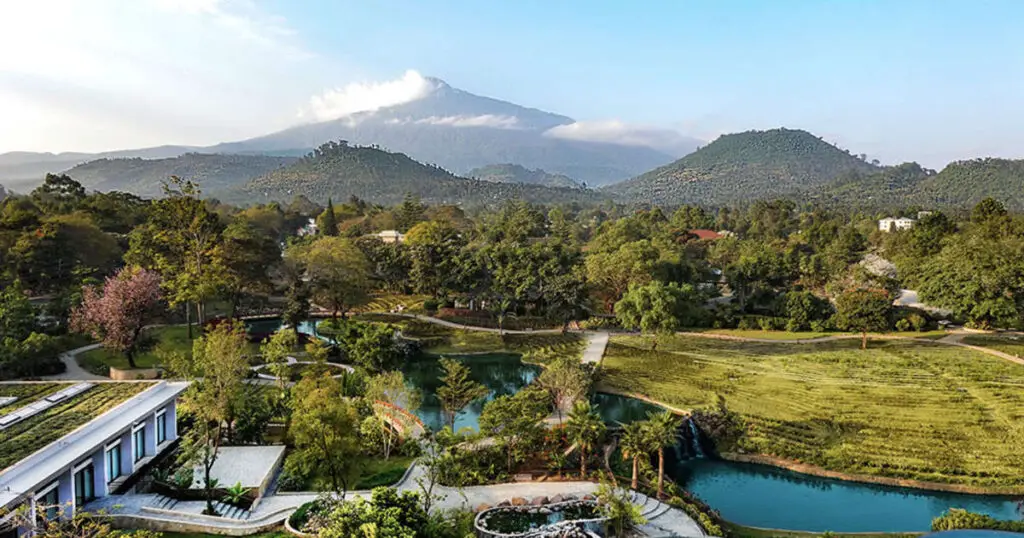
Similarly, as the country took internal measures to help the sector recover, the entire region, under the East African Community (EAC) moved to do the same. The EAC’s Sectoral Council on Tourism and Wildlife Management recently approved what it termed, the EAC Regional COVID-19 Tourism Recovery Plan.
Under this recovery plan, the EAC looks to work collectively towards the recovery of tourism in the region by supporting measures already adopted by individual countries in the bloc. A key agreement here was harmonization of guidelines to restore tourism and hospitality.
The Council approved the draft regional guidelines which are meant to build coherence in the measures that individual countries take to revive tourism. The Council insisted that if they work under the same guidelines then they will be able to earn trust and confidence of international tourists.
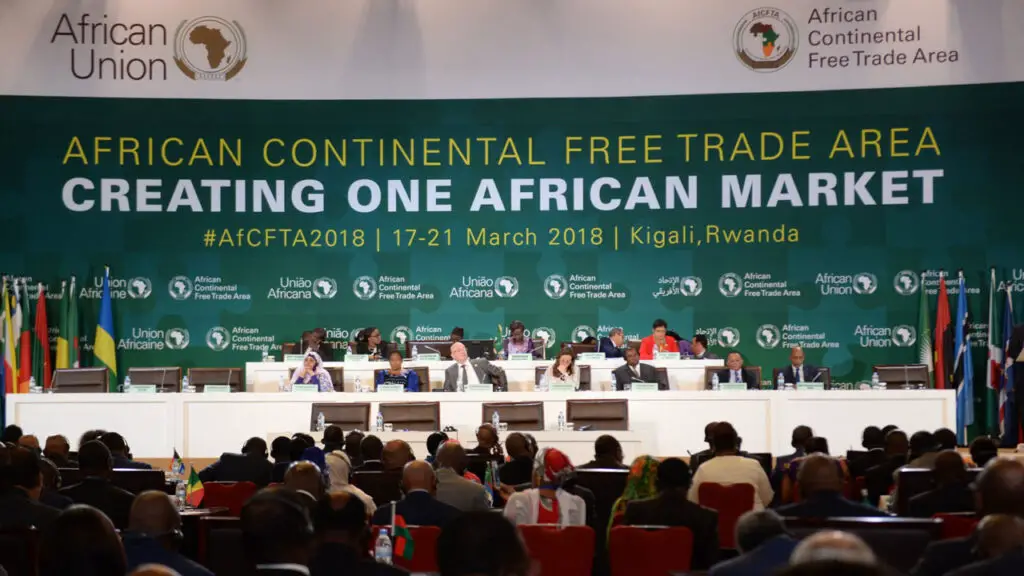
One of the major criticisms raised against his ambitious continent-wide free trade pact is the fact that it is bound to have disproportionate benefits for different countries. There are already pre-existing inequalities that favour more developed countries.
Bluntly speaking, it is to be reasonably expected that it is the continent’s tycoons, large business owners that will benefit the most.
Consider this, only three of the agreement’s members i.e. Nigeria, South Africa and Egypt account for almost half (50%) of all of Africa’s GDP. Take for instance the fact that in 2020 alone, the continent of Africa as a whole, imported US$20 billion worth of goods from South Africa.
With the tariff-free movement of goods, South Africa will enjoy a tremendous increase in trade output to the rest of the continent at much lower costs.