
Trending
- Minisend grows Kenya presence as official payment partner of Africa Blockchain Festival 2026
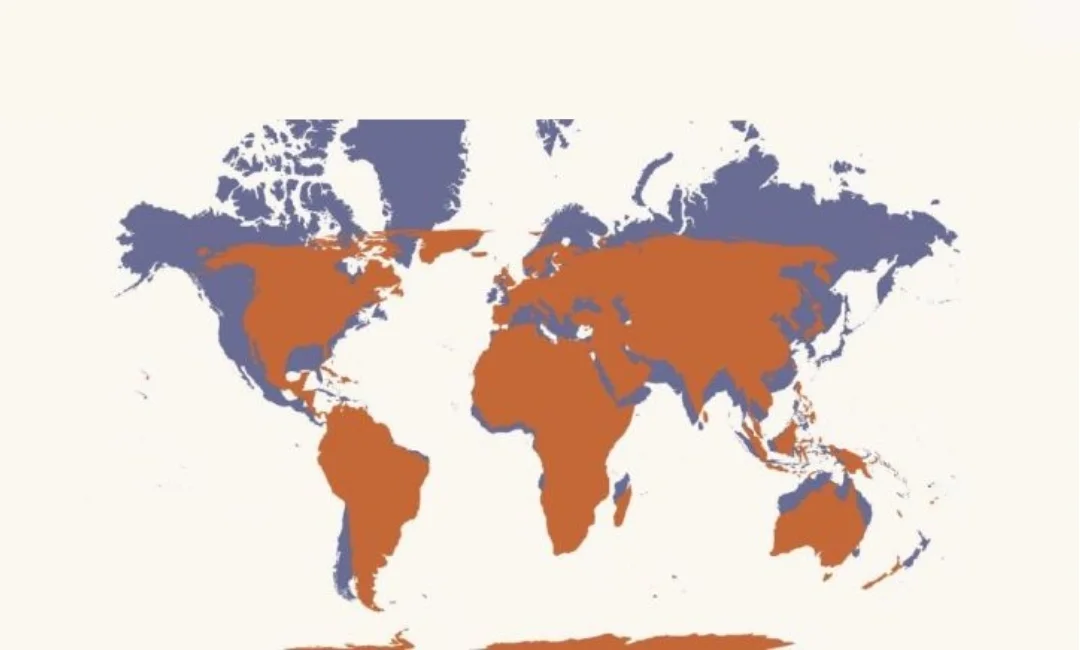
- UN resolution challenges world maps that make Africa look smaller
- Zimbabwe edges closer to arrears payment, debt restructuring and reset of ties with IMF
- Tanzania coffee industry mulls commercializing wastes to spur fresh revenue streams
- Reasons for African Currencies Growing in Significance for Business Decisions
- Nairobi forum launches push to close Africa’s climate protection gap
- East Africa’s lessons from India’s economic growth playbook
- Tanzania and Serbia to revive falling trade relations


Browsing: Tanzania

Uganda to resume sugar imports into Tanzania Kenya is yet to allow the proposed import of 90000 tonnes of Ugandan…
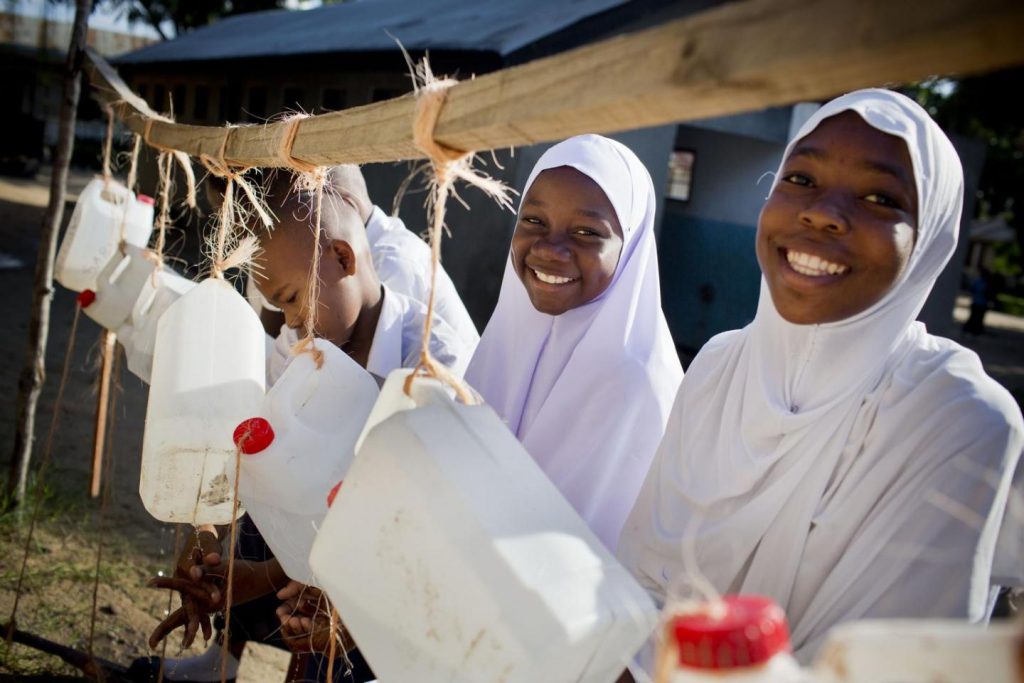
With numerous international companies and organizations operating in Tanzania’s rural areas, input by this sector has huge direct impact on the related communities.
Support ranges from digging of wells to funding irrigation and smart agriculture projects. There is also the matter of lack of adequate financing and poor sanitation all of which gravely hold back social and economic growth across the country.
Also, as the minister pointed out, through CSR, companies have the opportunity to help the government increase water supply by digging wells for rural communities and by protecting water catchment areas in places they operate.
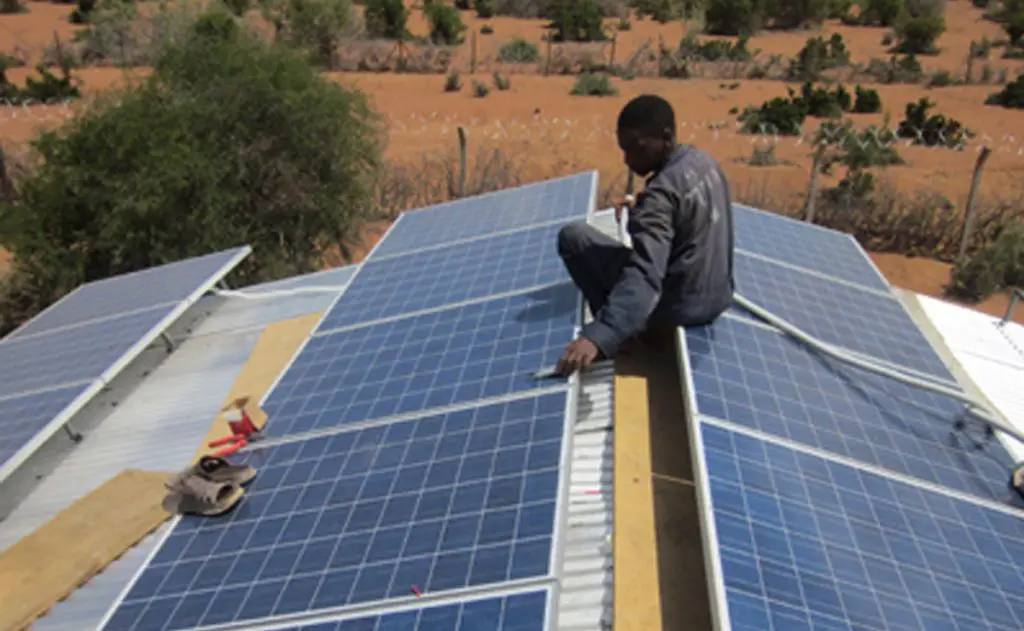
Unfortunately, even with an increased power supply, electricity is mostly used for lighting but the vast part of the community still relies on biomass ‘…which makes up close to 90% of the total primary energy consumption in Tanzania.’
According to REA, this reliance on biomass leads to the deforestation of 100,000 hectares every year and only about a quarter of this is ever reforested. At the moment, at least 63.5% of the households in Tanzania Mainland use firewood as the main source of energy for cooking which is the main cause of deforestation along with the clearing of forests for cultivation.
Another 26.2% of Tanzanians rely on charcoal for cooking and another 5.1% use, liquified petroleum gas and a mere 3 per cent use electricity. These figures show that even though there is an increased supply of electricity there is still profound destruction of forests and the atmosphere through deforestation and the burning of fossil fuels respectively.

The current president of Tanzania is actively pursuing a foreign policy distinct from the one pursued by the late Magufuli,…
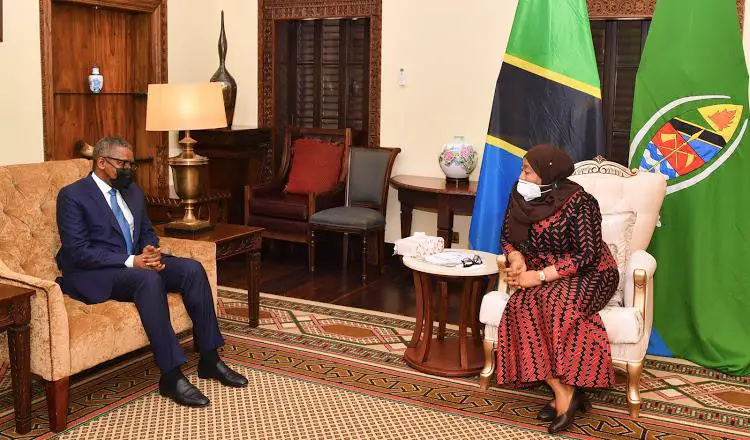
The government is already working on all issues facing Dangote’s factor on President Suluhu’s directives. This means Tanzania is reshuffling its strategies and operations along the investment lines, to keep up with the rest of the region far ahead of her.
As a country that graduated to a low-middle-income level much more effort towards building sound and attracting an investment environment is required.
The current small achievements prove that there is more coming from President Suluhu’s administration in terms of advancing more foreign investment in the country.
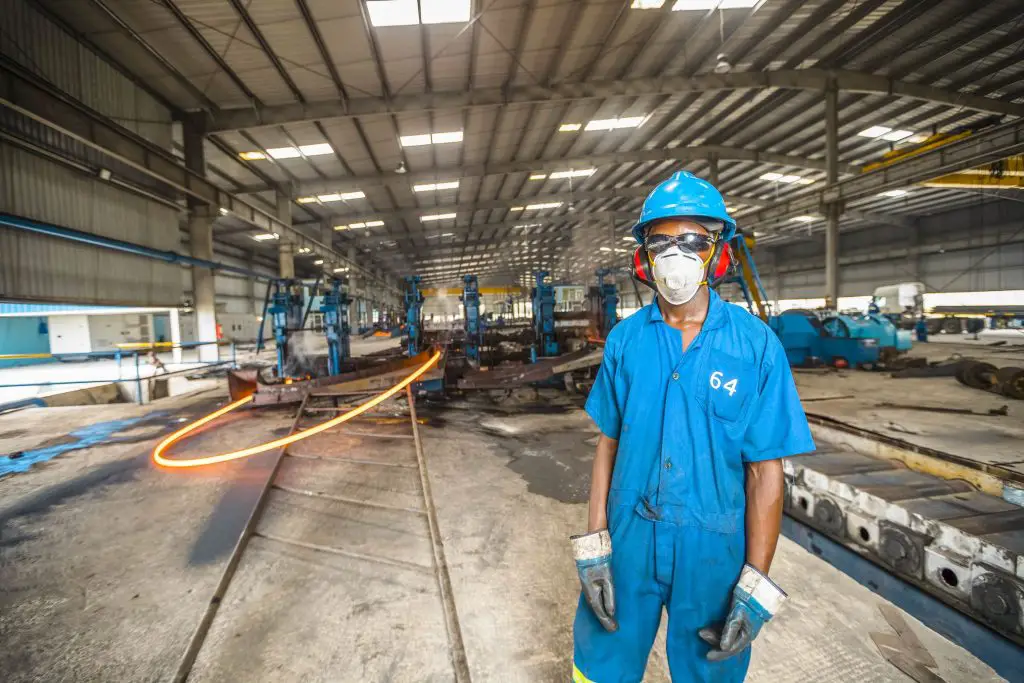
China is one of Tanzania’s biggest trade partner Tanzania’s industrial economy has been growing over the past decade Tanzania has…
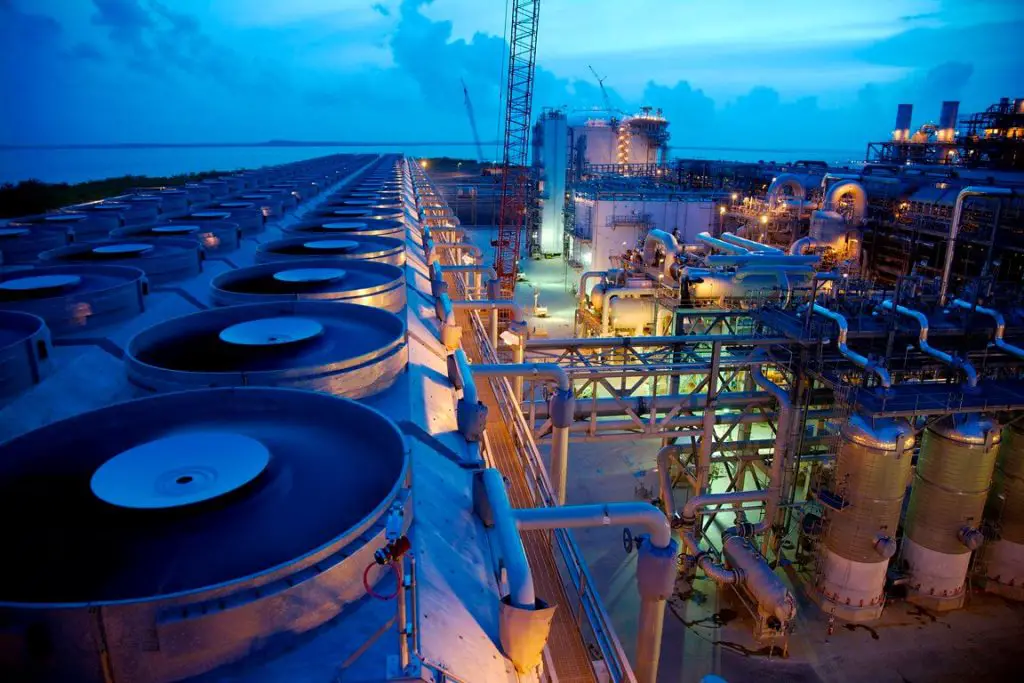
Tanzania’s race for natural gas development is strategic and on point. The nation has been paying attention to several methods of maximizing the LNG potential.
LNG in Tanzania is faced with other competitions in the region. Egypt is the next potential powerhouse next door and a much more experienced producer.
In 2012, Tanzania and three Chinese companies agreed to construct a 542 km pipeline leading from Mtwara to the nation’s commercial capital, Dar es Salaam.
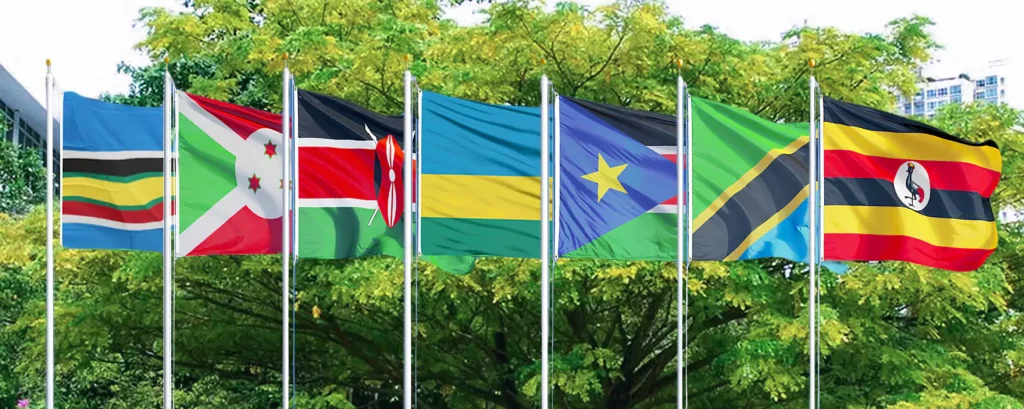
With the recent addition of the DRC to the East African region, landlocked countries have found an alternative port of entry in the Atlantic Ocean. The swiftness of trade with two ports of entry and the region’s strategic location will be incomparable to any other region on the continent.
The East African Federation would be the fourth largest country in both population and landmass, trailing after China, India and the United States. President Uhuru Kenyatta says that the federation would have over 300 million people.
The gross domestic product for the region will sum up to US$250 billion, the fourth-largest in Africa and the 34th biggest globally. Since the beginning of the last decade, East Africa has had the fastest growing economy globally. In 2019, the region’s economy grew by about 5 per cent. If the federation continues with this growth rate, the new country would quickly become the biggest superpower in Africa.
The EAF would become Africa’s largest superpower precisely because of the weaker nations surrounding the region. Among the languages official languages suggested in the region will be English and Swahili.
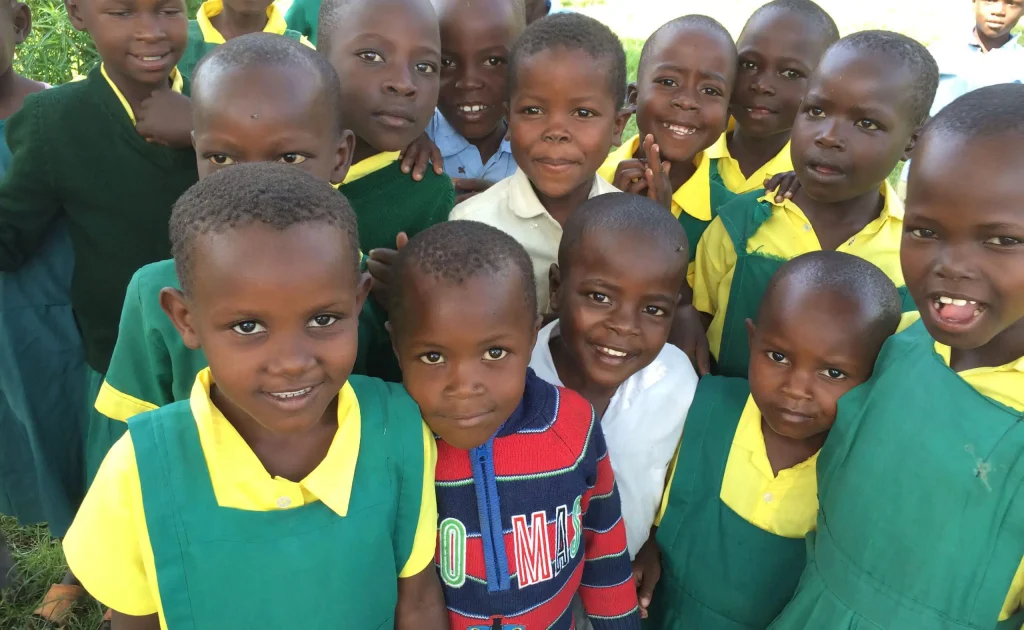
AKF has a very deep-rooted history of funding education initiatives in Africa. This effort is one of many funding partnerships that give life to education programs in the region and eliminate illiteracy within communities.
Gone are the days of education being an overlooked sector. Over the past decade, funding for education has assumed a critical shape.
Aga Khan Development Network (AKDN) has been investing in education in Africa for several decades, from the early stages of learning to the university level.
AKDN has contributed to enhancing education systems in Uganda, Tanzania and Kenya with the support of partners—the network has reached 1,300 public schools, trained 6,00 teachers, and reached 500,000 students.
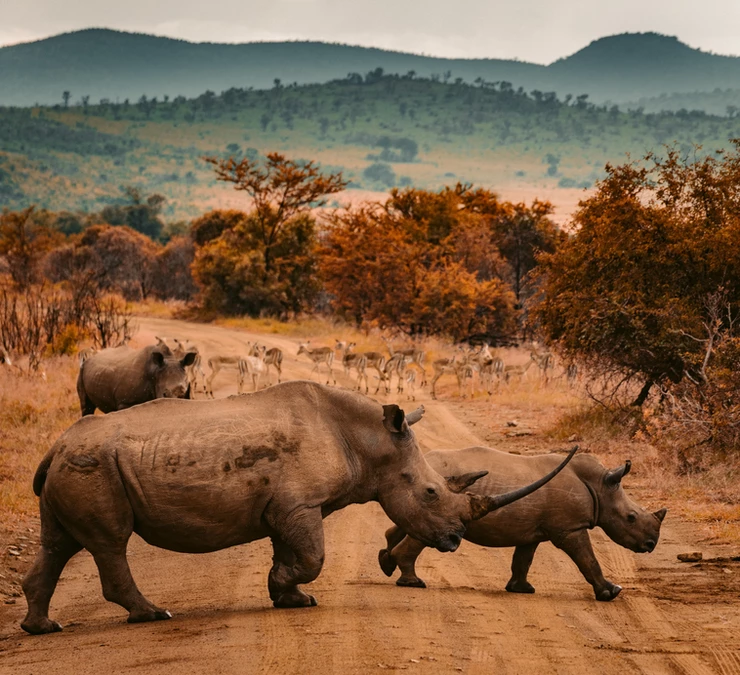
The effects of climate change and anthropogenic factors have adversely affected the availability of water for wildlife in Tanzania National…