

Trending
- Minisend grows Kenya presence as official payment partner of Africa Blockchain Festival 2026
- UN resolution challenges world maps that make Africa look smaller
- Zimbabwe edges closer to arrears payment, debt restructuring and reset of ties with IMF
- Tanzania coffee industry mulls commercializing wastes to spur fresh revenue streams
- Reasons for African Currencies Growing in Significance for Business Decisions
- Nairobi forum launches push to close Africa’s climate protection gap
- East Africa’s lessons from India’s economic growth playbook
- Tanzania and Serbia to revive falling trade relations


Browsing: Tanzania
Agriculture value chain analysis, also commonly referred to as mapping the agriculture value chain, is the assessment of the value chain participants and factors influencing the performance of the agricultural commodity industry and evaluating the relationships between these participants to identify the main constraints.
The purpose of agricultural value chain analysis (AVCA) is to increase the efficiency, productivity and competitiveness of an agricultural sub-sector or industry and develop solutions for how the identified constraints can be overcome.
AVCA assists in developing an understanding of how value chain actors/participants deal with powers and who governs or influences the chain.

There is global demand for spices attributed by dietary needs which keep growing and fuelled by communities leaning towards a health-conscious lifestyle.
However, these markets are tilted in Zanzibar’s favour, as most markets rely on organic spices which are classified as basil, ginger, garlic, cinnamon, pepper, clove, and cardamom. Most of these are farmed by locals in Zanzibar.
According to Market Research Future, North America is expected to dominate the industry especially the US, but also—Asia-Pacific (which also has a substantial production sphere of organic spices in the region) has a significant portion of the global market.
Hence—Zanzibar can learn about: market research, organic spice farming (which aligns with the current environmental and nutritional global standards) and storage, packaging and market segmentation from the two regions to capture the African market and eventually, the entire global market.

Unreported mergers and acquisitions, false advertising, or aggressive marketing tactics all place the farmer, the common trader, at odds with…

The CET maximum rate was a realization by the EAC Secretariat on the proposed Common External Tariff (CET) rates of 30 per cent, 33 per cent and 35 per cent classified under the fourth (maximum) band, which include textiles, iron, steel and motor vehicles.
The East African Business Council (EABC) urges the partner states- Kenya, Uganda, Tanzania, Burundi, Rwanda and South Sudan- to adopt the maximum CET tariff trade to spur industrialization and strengthen the regional value chain.
In 2020, the total intra-EAC trade stood at 11.8 per cent, amounting to US$6.39 billion. The proposed 35 per cent tariff is set to boost the trade between EAC member states to US$6.4 billion.
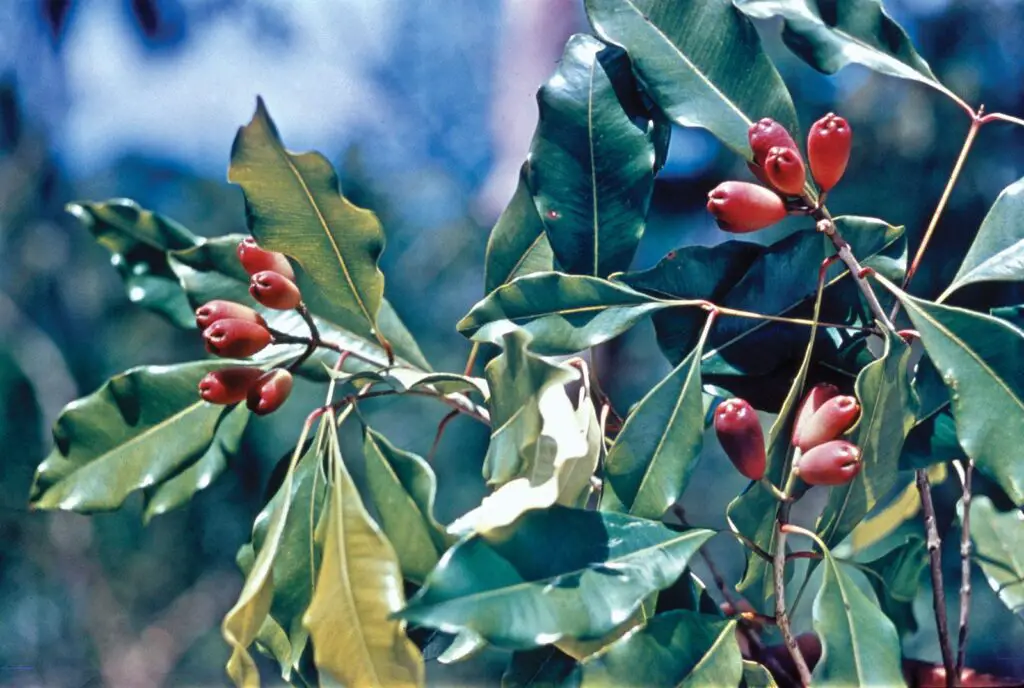
The processing factory set up by Indesso may propel Tanzania to become the largest clove oil producer in Africa.
Aloyce Elia Kibiriti, the Chairman of the Msasa IBC village, said that representatives from Indesso camped in the area and chose their village to construct the proposed clove leaves-to-oil producing factory significantly for export to Indonesia.
Chairman Kibiriti added that they had already secured land for the project, saying it would create employment for the farmers who lost their farms after creating the Derema Conservation Corridor.

Nearly 3 million signatures have been gathered to rally against Maasai eviction by a web-based movement, Avaaz Ngorongoro is one…
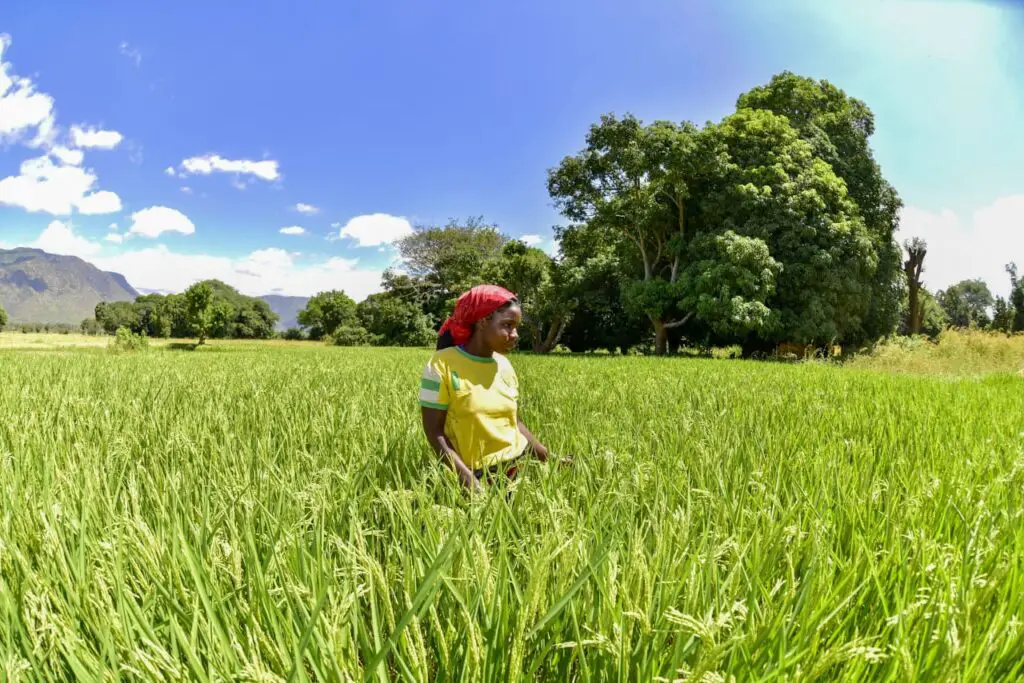
With so many more mouths to feed every year, the World’s ambitious Sustainable Development Goals, particularly on poverty eradication and ending hunger, seem further away than ever before.
The trend is global, and on October 16, 2021, the UN admitted and warned that the global fight against hunger is being lost.
With the warning, the UN called for action to improve food security for the world’s most vulnerable people, African coming on top of that list. For a place that relies so heavily on substantial farming for a livelihood, Africa faces a most daunting reality, clear forests to farm, lose potential output.

Other than the trade issues, the session examined and harmonized implementation of decisions across various sectors of bilateral cooperation including immigration, education, transport, communication, defence and security, energy and mineral development among others.
The meeting was a success to say the least, however, it still remains to be seen whether in the wake of the meeting, Ugandan truckers will pay less at the Tanzanian border. With a six month reporting period, a lot can transpire in the interim.
It is now going towards a month since the January sit-down and no ground reports have been publicized as to whether the toll fees have been harmonized for Uganda to match other EAC charges at the Tanzanian border.

In Tanzania, the Fair Competition Commission (FCC) is responsible for promoting and protecting effective competition in trade and commerce as well as protecting consumers from unfair and misleading market conduct.
Without such an entity, companies use false advertising to capture markets, mergers of large firms occur undermining smaller businesses unfairly and the end-user, the consumer, is put at threat.
It is for this reason that Tanzania has recently passed the Fair Competition Order which sets out the thresholds for mergers that should be reported to the Fair Competition Commission (the FCC). In this most recent Order, Tanzania moved the merger notification threshold from USD 360,000 to USD 1.6 million.

Protectionism and non-tariff barriers persist between the two countries countries have varying processes which seriously delays the movement of goods…