

Trending
- Minisend grows Kenya presence as official payment partner of Africa Blockchain Festival 2026
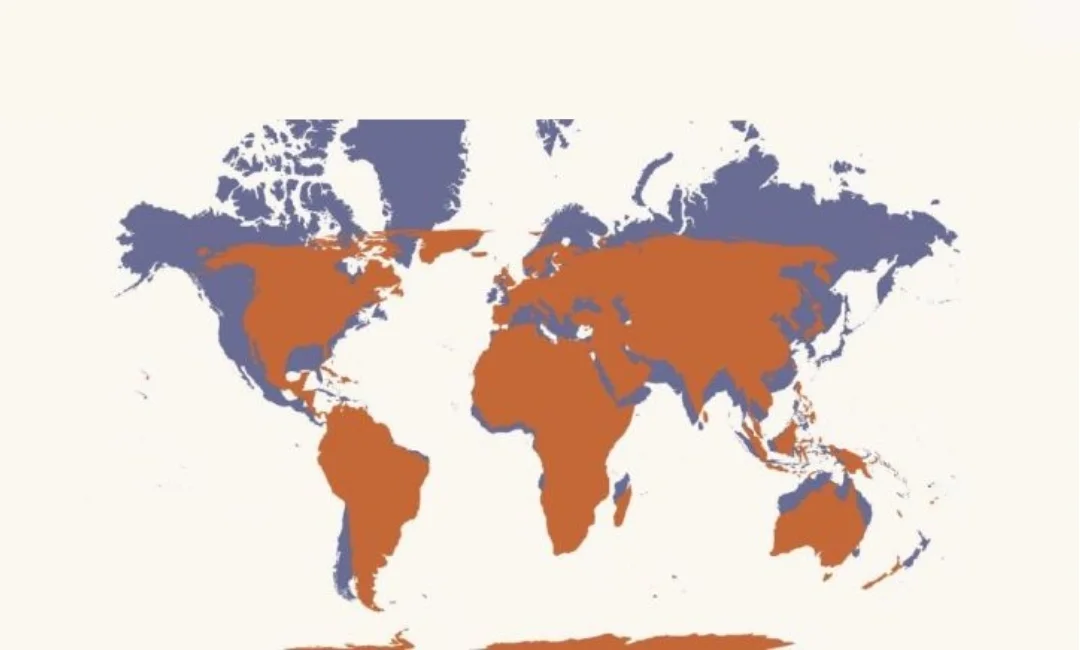
- UN resolution challenges world maps that make Africa look smaller
- Zimbabwe edges closer to arrears payment, debt restructuring and reset of ties with IMF
- Tanzania coffee industry mulls commercializing wastes to spur fresh revenue streams
- Reasons for African Currencies Growing in Significance for Business Decisions
- Nairobi forum launches push to close Africa’s climate protection gap
- East Africa’s lessons from India’s economic growth playbook
- Tanzania and Serbia to revive falling trade relations


Browsing: Tanzania
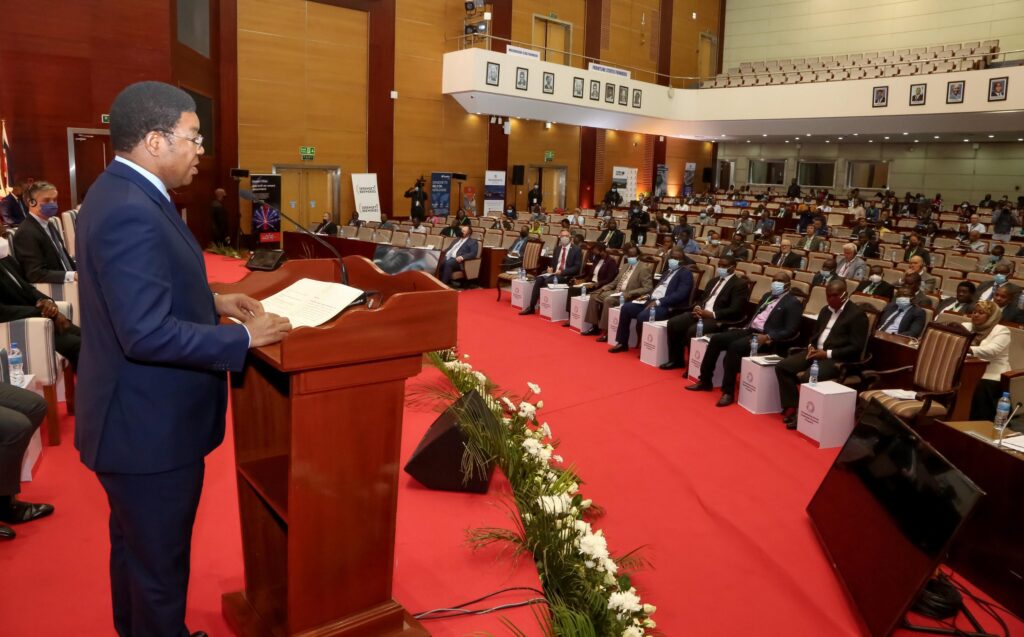
It further explains that the RCF disbursement will continue to help address Tanzania’s urgent balance of payment needs arising from the Covid-19 pandemic.
The money will also serve to provide Tanzania with concessional resources needed to take measures to mitigate the severe socio-economic impact of the pandemic.
Tanzania’s economy is heavily dependent on the tourism industry and as yet, the IMF cautions that travel services receipts and travel arrivals continue to remain below pre-pandemic levels.
Justice Makau’s ruling was as follows, “I find as decided in the Court of Appeal decision, the petitioner has a right to mechanise and adopt technology in its operations. The matter in dispute is therefore effectively concluded and settled in terms stated.”
If the cry of the workers’ Union is true, then this ruling threatens more than 50,000 workers’ jobs and allegedly, already over 10,000 tea pickers have lost their jobs to the machines.
However, the odds are pinned against the peasants, the Kenya Tea Growers Association says the loss of jobs has nothing to do with the machines but rather ‘…tea companies reducing their workforce through natural attrition.

Tanzania: The government, through the Central Bank of Tanzania has successfully kept the economy not only afloat but reasonably expanding…
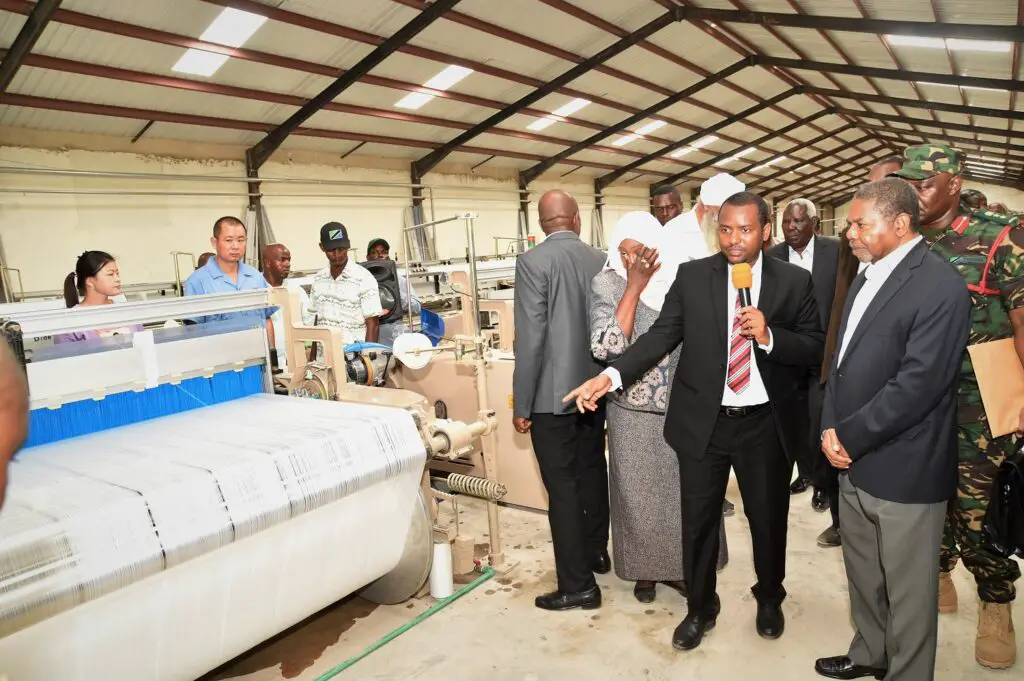
In 2018, the global textile industry’s worth stood at approximately $920 billion. The global Textile Market Analysis of 2021 to 2028 anticipates that the market could reach $1,412.5 billion by 2028.
The market drivers include the rise in consumer awareness, e-commerce platforms to support sales, and the fast-changing fashion trends in the industry.
The CEO of Basra Textiles, Ahmed Othmad, said on January 11 that the factory at Chunguni area in Zanzibar was targeting to export to markets across East and Central Africa.
In the first six months of the year, Kenya’s food imports had increased to sh103.34 billion. The figures collected by the Kenya Revenue Authority (KRA) showed that the food imports were sh12.35 billion more than the amount spent in the same period in 2020.
According to data from the national treasury, import expenditure increased by 29 per cent in the third quarter of 2021. China is the most significant contributor of Kenyan imports accounting for 31.6 per cent of the total bill from the Asian continent.
This is the fastest growth in the food import bill since a 60 per cent jump recorded in 2016 when the bill stood at sh82.83 billion. The exponential increase has been linked to the growing popularity of digital trading, allowing retailers and consumers to order and ship food and other commodities directly.
Detailing on the source of the funding and its uses, the president said the US$100 million (over TShs230 billion) is from the International Monetary Fund (IMF) as a loan to Tanzania, and another US$100 million is for the Isles.
“The IMF fund will be directed to health, education, water and power sectors, as well as economically empowering wananchi (citizens/the public),” local media quoted President Mwinyi.
The president went ahead and gave a very detailed explanation of the planned use of the funding detailing each sector and the allocated amount and then he got to the part about funding to support businesses.
Tanzania’s cement demand is estimated to have clocked 5.9Mt and is growing fast. Maweni Limestone Ltd will be China’s first…
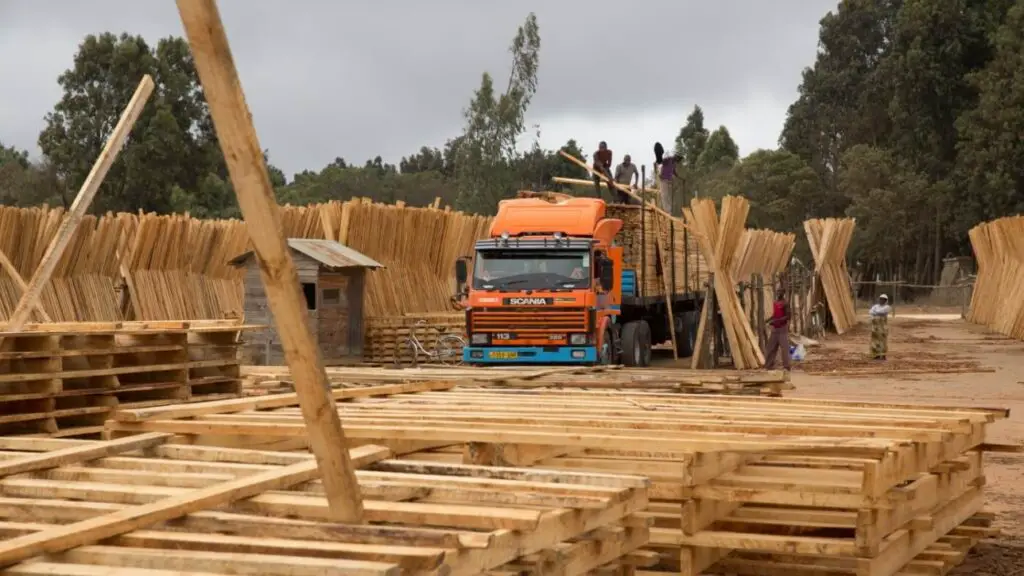
To discourage the use of firewood and charcoal, the European Union (EU) has committed to fund renewable energy solutions specifically designed to set up and support a sustainable cooking solution program.
EU Head of Delegation to Tanzania, Ambassador Manfredo Fanti announced the EU led program late last year in the capital, Dodoma. At the launch, the diplomat said the initiative is part of the EU’s efforts to mitigate climate change through the use of renewable energy solutions for cooking.
However, what is interesting here is that increase in the use of firewood and charcoal is not in rural Tanzania but in the urban centres.
Toxic substances that are contained in e-waste contaminate the soil; however, they do not stop with the topsoil.
Heavy metals such as mercury, lithium, lead and barium leak through the earth all the way to the table water contaminating groundwater.
Now groundwater is the basic source of all water that we consume because groundwater is the water that eventually resurfaces as springs, ponds, streams, rivers and lakes.
When the Head of the African Continental Free Trade Area Secretariat told an executive panel in Washington, DC the fact…