
Trending
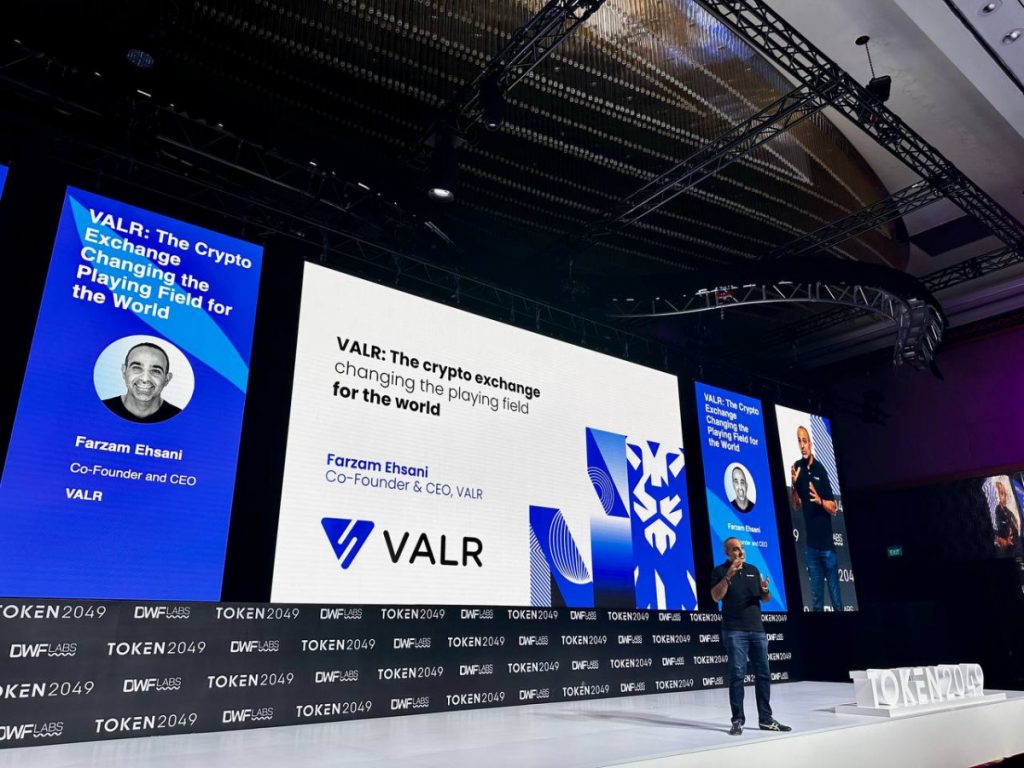
- VALR sets sights on East Africa as blockchain moves deeper into Africa’s financial system
- The cost of the data gap: Why Kenya’s lenders can’t afford to miss the full picture
- Tanzania takes EAC labour migration helm as regional rules face overhaul
- 2026 is turning out as a defining year in geopolitics, but for whom?
- Saudi Arabia and Tanzania pledge to deepen bilateral trade ties
- Tanzania rewrites its digital investment playbook
- Ethical sourcing boosting demand for Tanzania organic cotton
- DRC deploys 70,000 Ebola vaccine doses in high-stakes trial against deadly Bundibugyo strain



An efficient crypto mining industry can generate more job opportunities in Africa as the demand for miners, blockchain specialists, and technology specialists increases, . This encourages nations to enhance their energy and technological capacities to support crypto operations. These enhancements can considerably benefit other industries and the economy as a whole.
African nations must embrace the chance to become a crypto mining hub. This can aid in the digital economy’s growth, citizens’ financial standing, and the infrastructure for energy production. Consequently, African governments can invest in cryptocurrencies to acquire alternative funding sources for developing renewable and alternative energy sources.

Africa is a strong contender for developing technologies such as blockchain and cryptocurrency owing to the continent’s growing mobile tech adoption rates. Considering the turbulent global financial markets, expensive remittance costs, and restricted banking access, blockchain in Africa offers alternatives to tackle their day-to-day issues.

Cryptofund is part of UNICEF’s innovation fund, which allows the organization to hold, receive and disburse funds in cryptocurrency. The CryptoFund is a pooled fund of bitcoin and ether, distributed only in crypto, targeting to create visibility and transparency accounting to donation distribution and investment processes.
CyrptoFund will facilitate startups registered in UNICEF’s 190 programme countries as a prototype Fund that seeks to explore the use of digital currencies in these countries. Forty-one of the nations are African.
Startups registered in the 190 countries and have an operational, open-source blockchain prototype or are willing to make their startup open source are eligible to get the fund.