
Trending
- How to assess legitimate trading platforms in Kenya using trust, transparency and risk controls
- Kenya secures landmark EU data adequacy pact in first for Africa
- Kenya’s $37.3 billion budget that promises everything except development
- UNEP lauds Ghana tree planting push, terms it continental blueprint
- Blue-Raman: What EU funded new internet cable means for EAC
- Kenya’s huge food deficit mask a deeper failure of finance, FSD Kenya reveals
- Tanzania eyes Belarusian tractor model and motor pools to unlock untapped farmland
- AI-first telcos will lead the race in Africa


Author: The Exchange

The Exchange
- We provide economic news and analysis on the investment arena in Africa, with a particular interest in doing business. Our key areas of focus include banking, capital markets, energy, mining, manufacturing and industrial development.
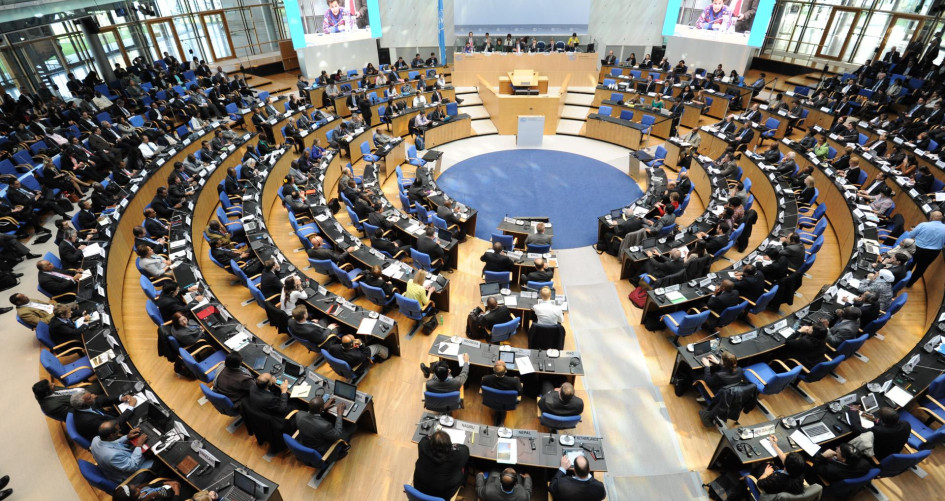
Global climate negotiators have reached a framework for climate financing to deal with loss and damage in the run-up to the COP28 in Dubai.

According to John Howkins, the orange economy incorporates industries whose goods and services arise from intellectual property. These include research and development, radio and TV, visual and performing arts, publishing, advertising, music, software, gaming, design, film, crafts, architecture, fashion, and design. Artists, cultural non-profits, and creative businesses can produce and disseminate goods and services that generate jobs, revenue, and quality of life.
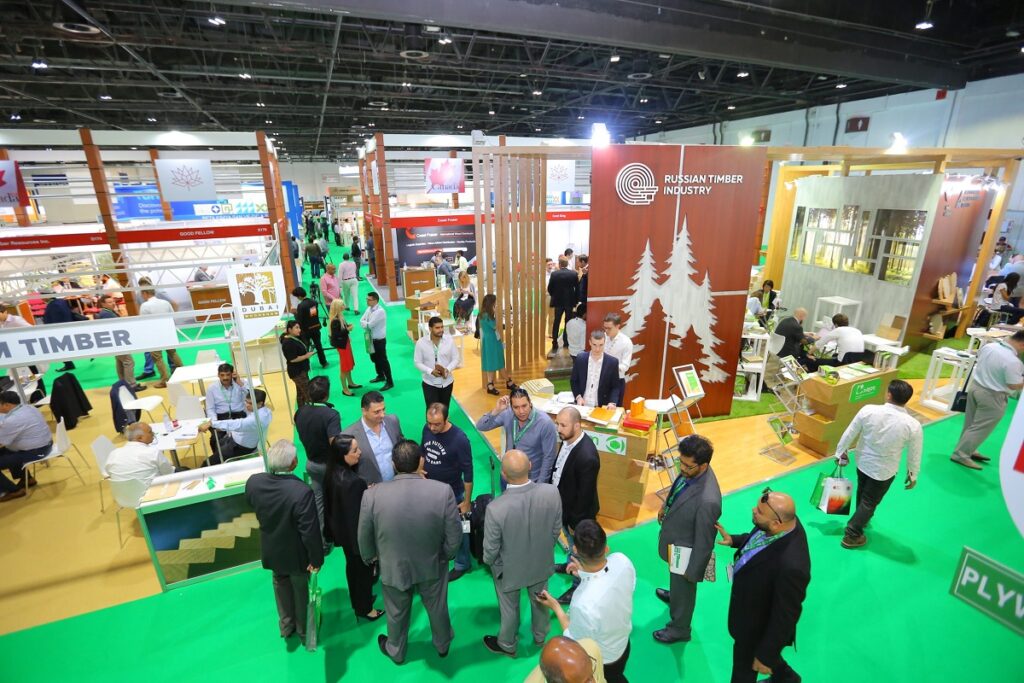
Major woodworking expos—Dubai Wood Show, Cairo Wood Show, and Saudi Wood Show—are carving out a space where tradition meets innovation in the Middle East. These expos are promoting sustainability within the woodworking sector. This is by highlighting environmentally responsible practices and showcasing sustainable wood sourcing and manufacturing techniques. With the advent of industrialization and technological advancements, woodworking has transformed into a sophisticated and globalized industry. In a region rich with tradition and eager for modernity, the woodworking industry emerges as a fascinating focal point of evolution and heritage. The trinity of major woodworking exhibitions – Dubai Wood Show, Cairo Wood…
South Africa is set to topple Nigeria and Egypt as Africa’s biggest economy in 2024. This is according to forecasts from the International Monetary Fund. According to IMF’s World Economic Outlook, South Africa’s gross domestic product will reach $401 billion per current price in 2024. On the other hand, Nigeria’s GDP will reach $395 billion, with Egypt’s GDP reaching $358 billion.
South Africa, the continent’s most industrialised nation, is expected to maintain the top spot as Africa’s biggest economy for only one year. In 2025, the country will again lag behind Nigeria and fall to third place behind Egypt a year later. This is according to the IMF’s World Economic Outlook, a report released last week.
A new chapter is being written in the vast expanse of Africa, where ancient civilizations once thrived and folklore has been passed down through generations. This chapter speaks of a financial revolution, a transformative movement that promises to redefine the continent’s economic landscape. At the heart of this transformation is the SRS token, a groundbreaking innovation by the Humanity Protocol poised to usher in an era of decentralized prosperity.

Africa’s oil and gas industry is entering a new era. The world is looking to fast-track its transition from fossil fuels. Consequently, this puts pressure on the continent’s oil and gas-producing nations. Most producing countries remain highly exposed to the global energy transition since their economies depend on oil and gas revenues. Similarly, their oil and gas reserves cost more to produce and, on average, remain more carbon-intensive than those from other regions.
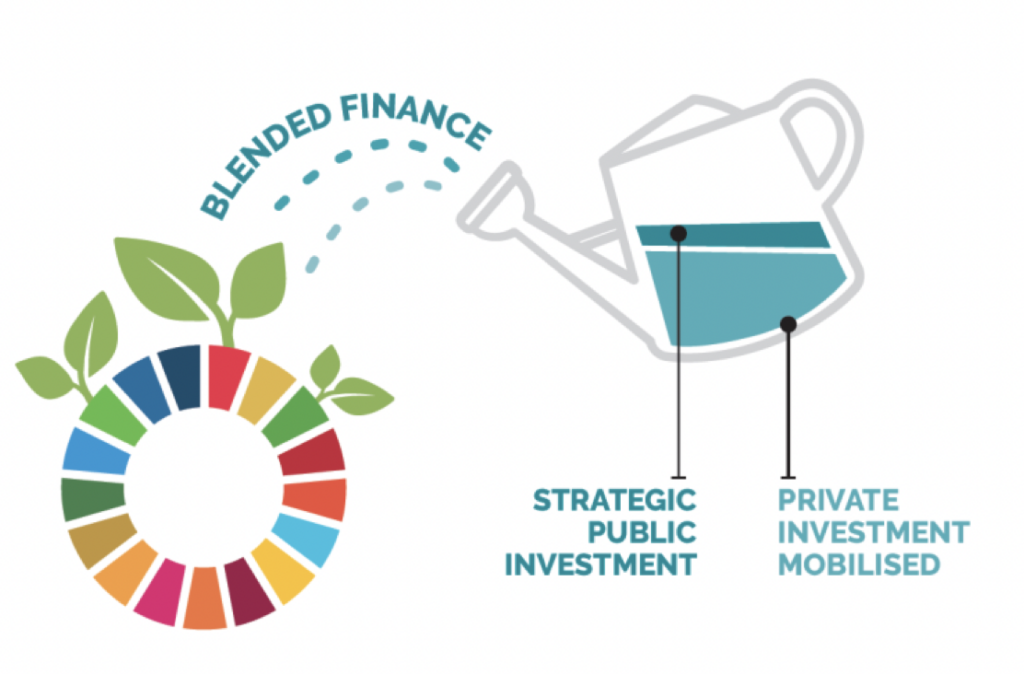
With its immense potential and vast resources, Africa stands at a critical point in its economic growth path. While the continent has promising economic prospects, it also has significant challenges that have impeded growth. A concept known as “blended finance” has gained popularity in recent years as a viable answer to assist governments in overcoming economic challenges. As a result, it is vital to look into what blended finance is, how African economies can leverage its benefits and its crucial role in supporting sustained growth across the continent.

According to Investopedia, a gig economy is a labour market mainly reliant on temporary and part-time work filled by independent contractors and freelancers rather than full-time permanent employees. A gig economy produces cheaper, more efficient services for those willing to use them.
A gig is a broad category that includes a wide range of positions. Work can range from cab driving or restaurant delivery to writing code or freelance essays. Instead of tenure-track or tenured professors, adjunct and part-time professors are contracted employees. By recruiting more adjunct and part-time teachers, colleges and universities can save costs while also better-matching instructors to academic needs.
Stellantis, a global automotive manufacturing giant, is set to strengthen its position in Africa with the announcement of a landmark manufacturing facility in Coega, South Africa. This strategic move follows a Memorandum of Understanding signed with the South African Industrial Development Corporation (IDC) and the Department of Trade, Industry and Competition (DTIC). The initiative is a key component of Stellantis’ “Dare Forward 2030” strategic plan and represents a significant step towards consolidating the company’s leadership position in the Middle East and Africa region. Location and Capacity Plans The chosen location for the state-of-the-art automotive plant is the Coega Special Economic…

The Confederation of African Football (CAF) has selected Kenya, Tanzania, and Uganda to host the 2027 Africa Cup of Nations (AFCON) over bids from Morocco, Algeria, Senegal, Botswana, and Egypt. The East Africa joint bid, commonly called the “Pamoja AFCON Bid,” has won the hosting rights for the 2027 AFCON as Morocco takes the rights for the 2025 showpiece.
CAF president Patrice Motsepe announced the news on Wednesday morning, 27 September, shortly after the body held an executive committee meeting in its headquarters in Cairo, Egypt. Recommendations from several nations boosted the East Africa Pamoja AFCON Bid. In a move that will elate East African sports enthusiasts, the CAF Executive Committee chose the Pamoja Afcon Bid.