Trending
- How to assess legitimate trading platforms in Kenya using trust, transparency and risk controls
- Kenya secures landmark EU data adequacy pact in first for Africa
- Kenya’s $37.3 billion budget that promises everything except development
- UNEP lauds Ghana tree planting push, terms it continental blueprint
- Blue-Raman: What EU funded new internet cable means for EAC
- Kenya’s huge food deficit mask a deeper failure of finance, FSD Kenya reveals
- Tanzania eyes Belarusian tractor model and motor pools to unlock untapped farmland
- AI-first telcos will lead the race in Africa


Author: The Exchange

The Exchange
- We provide economic news and analysis on the investment arena in Africa, with a particular interest in doing business. Our key areas of focus include banking, capital markets, energy, mining, manufacturing and industrial development.
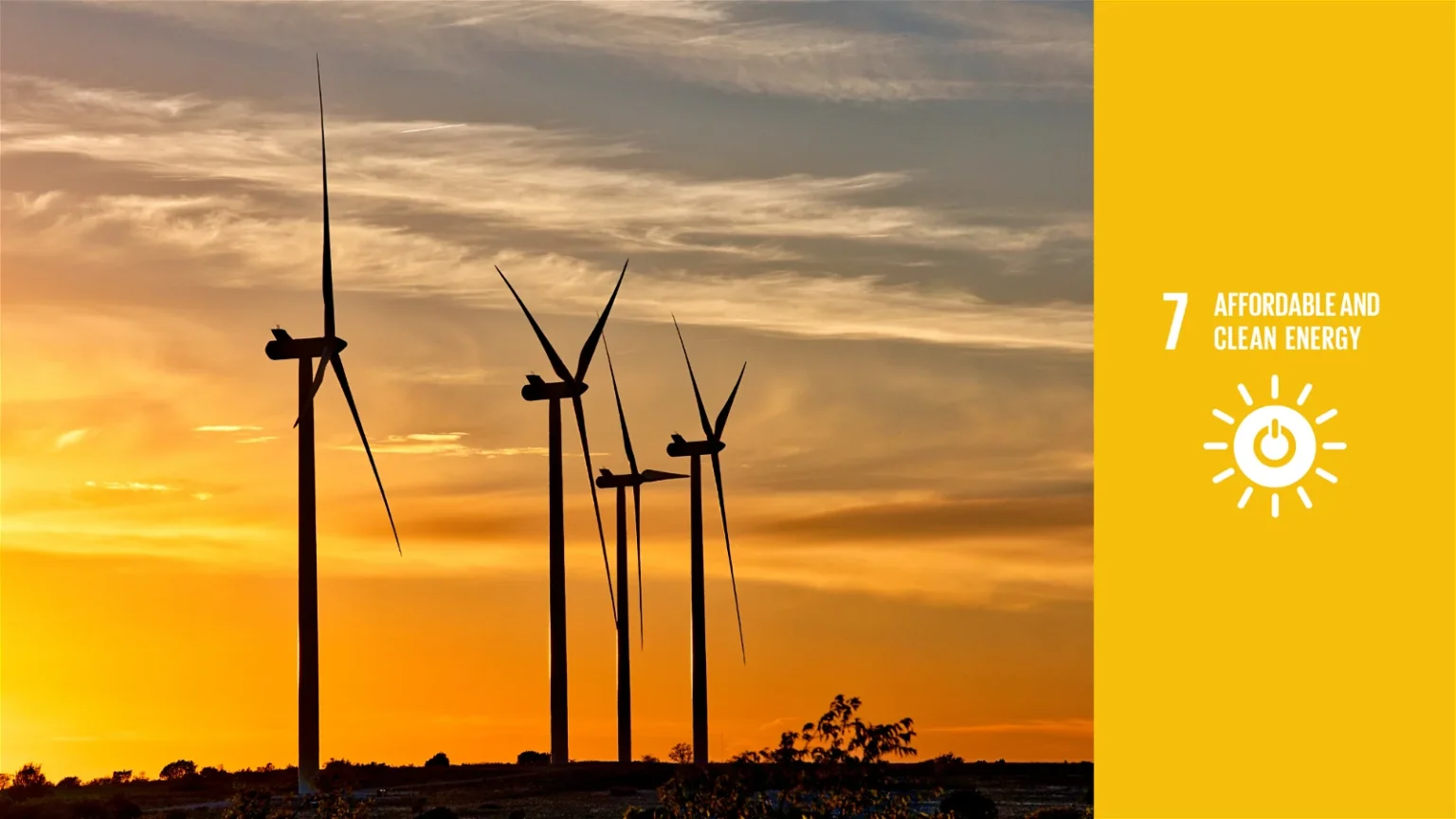
A new commentary from the International Energy Agency (IEA) on the upcoming World Energy Outlook 2023 has revealed that despite improvements, global access to electricity still needs to catch up to the pace required to meet SDG 7. The commentary supports discussions from the recently concluded United Nations’ SDG Summit on 18-19 September 2023. It is also part of the IEA’s support of the first global stocktake of the Paris Agreement, which will be finalized in the run-up to COP28, the next UN Climate Change Conference, at the end of 2023.

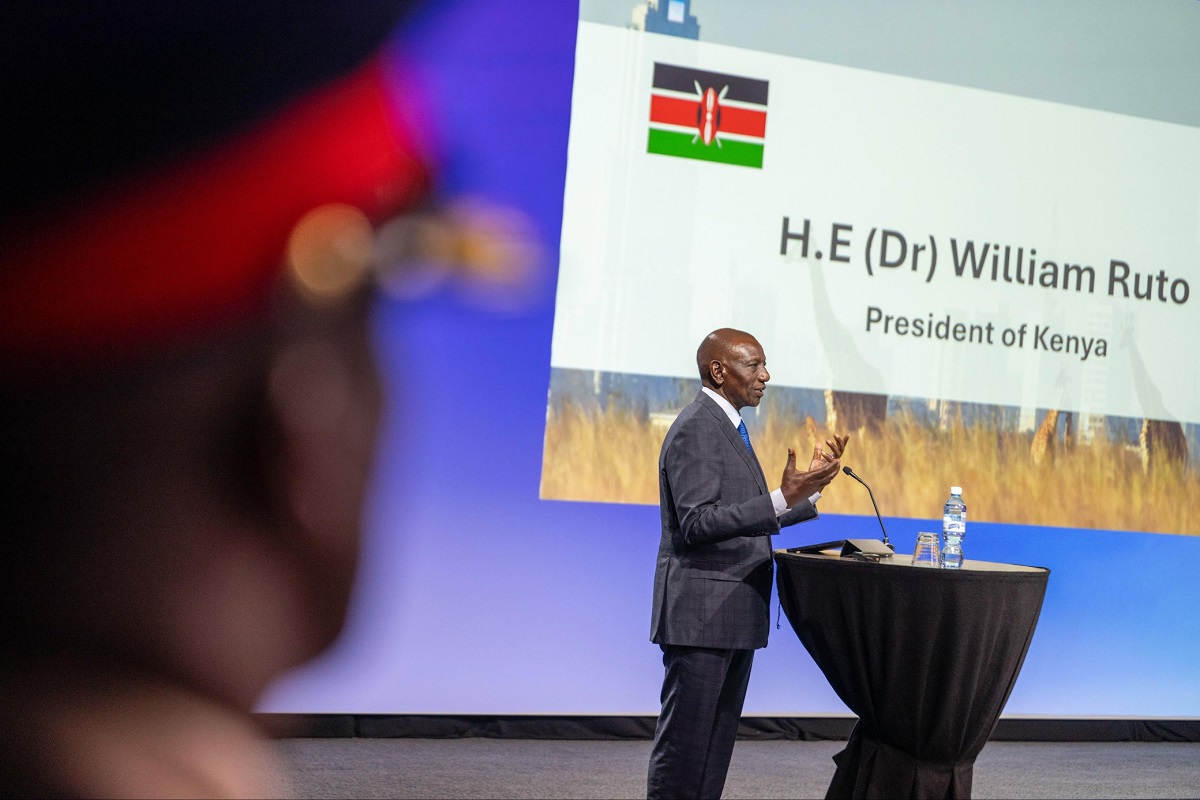
In a recent announcement during the US-Africa Business Roundtable in the United States, Kenya’s President William Ruto revealed that Safaricom, a leading telecommunications company, is establishing a strategic partnership with Apple Inc. The Safaricom-Apple partnership will integrate the widely-used mobile money platform, M-Pesa, with Apple’s ecosystem. This integration will expand M-Pesa’s mobile financial services globally.
President William Ruto announced the deal after he toured Silicon Valley in San Francisco Bay, United States, on 16 September. The Kenyan leader is fast gaining popularity across Africa and globally. He has led from the front in marketing Kenya as a conducive ground for foreign business to thrive.
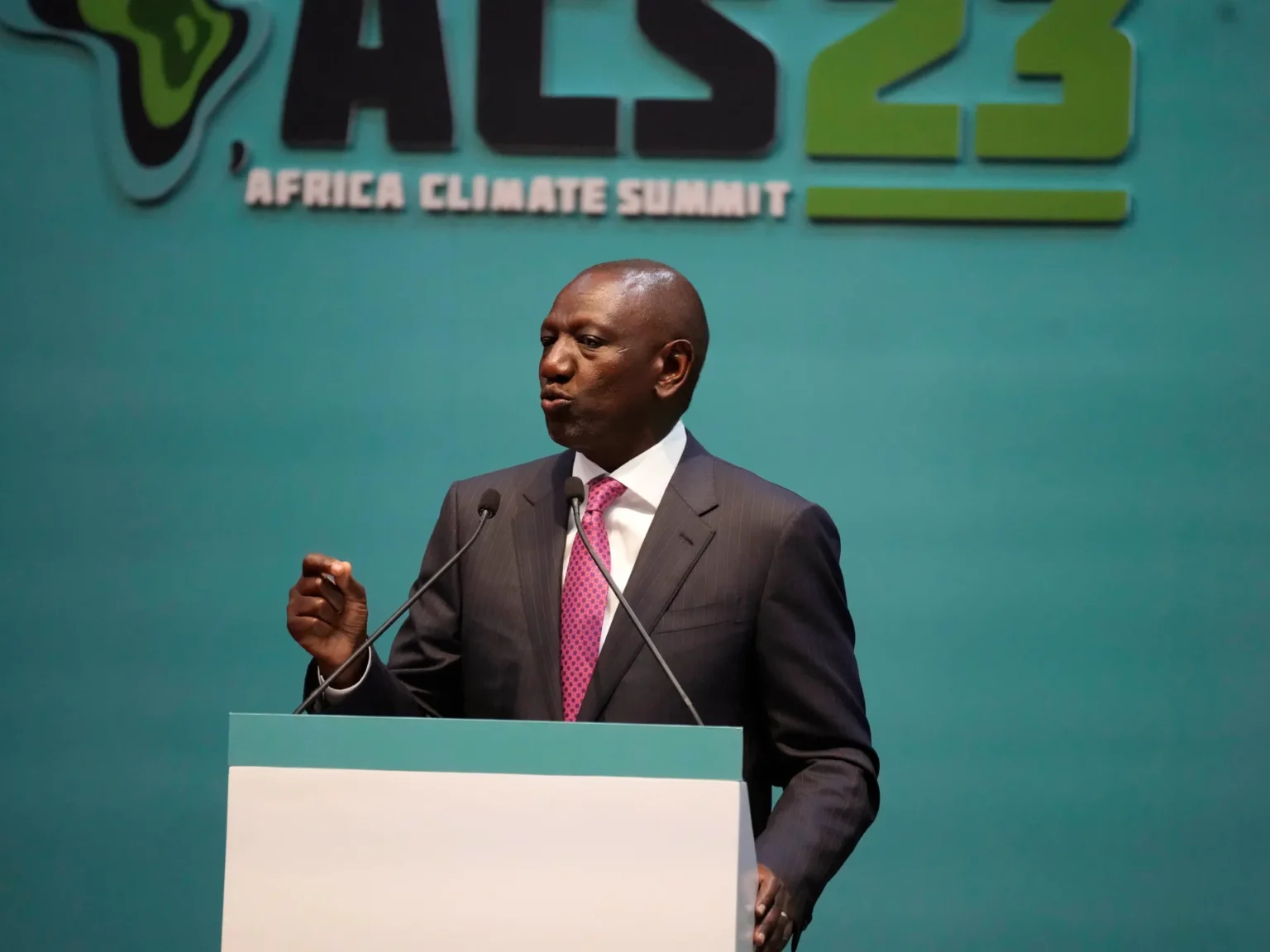
A considerable gap exists between symbol and substance regarding an African climate change approach. Foreign leaders often nod to how Africa accounts for only four per cent of global emissions but bears the brunt of the devastating climate change effects. Rising temperatures, extreme weather conditions, and ecosystem disruptions threaten millions of Africans’ livelihoods.
For many communities across the continent, the climate threat is already existential. With 18 per cent of the global population, Africa has 16 of the 20 countries most vulnerable to climate change, according to Notre Dame Global Adaptation Initiative.
Russia’s invasion of Ukraine in February 2022 threw oil and gas markets into disarray. Consequently, the world experienced the first real global energy crisis during the uneven economic recovery from the COVID-19 epidemic. Russia’s inclusion in the OPEC+ group has hampered international attempts to manage the situation. This has made it harder to handle the significant inflationary effects of rising global fuel prices, particularly in developing nations.
Global fuel prices have risen exponentially in the last few months. The rise is hugely significant, as it has seriously aggravated the global cost-of-living crisis. African economies have particularly been on the receiving end. The continent has suffered from disrupted supply chains and a slowdown in the global economic outlook. Thus, rising energy costs complicate matters even further.
About US$5 trillion is traded every day in forex markets, with investors effectively swapping currencies the world over. In Nigeria, the Central Bank has abandoned its long-standing currency peg, meaning that the currency will be exchanged at a fluctuating rate as determined by the market. Currently, the shift in Nigeria’s forex policy may have a more direct impact on Nigerians and local economies, too. Forex trading constitutes one of the truly universal methods of investment practiced around the world. As such, it is incredibly popular. The latest estimates suggest that roughly US$5 trillion is traded every day in forex markets,…
For many Kenyans, life was unbearable during former President Uhuru Kenyatta’s reign. But just one year after President William Ruto came to power, life is getting more onerous. High taxation, the depreciation of the shilling against the dollar, and record-high fuel prices have highlighted the last few months. This has painted a grim picture of Kenya’s future and shattered citizens’ hopes for economic reinvigoration.
On September 14, 2023, the Energy and Petroleum Regulatory Authority (EPRA) announced record-high fuel prices for the September-October regulation cycle. A litre of super will now retail at Kes 211.64, diesel at Kes 200.90, and Kerosene at Kes 202.61. This represents an increase of Kes 16.96, 21.32, and 33.13, respectively, in the new prices announced last midnight.

Currently, financial inclusion is a target that all African countries must achieve. Boosting Africa’s financial inclusion will have a positive impact on economic growth and the prosperity of society. Through financial inclusion, everyone has access to a variety of quality, effective, and efficient financial services. Increasing public accessibility to financial service products will further reduce the level of economic and social inequality which in turn will improve the welfare of the community.
One of the efforts to achieve this financial inclusion target is through technology in the form of digital finance. When financial products and services use internet technology, it makes it easier for people to directly access various kinds of payments, shopping, savings, and investments, including loan and credit facilities. Among these digital financial elements, the payment facility is the service that is experiencing the fastest development and contributes greatly to the achievement of Africa’s financial inclusion targets.
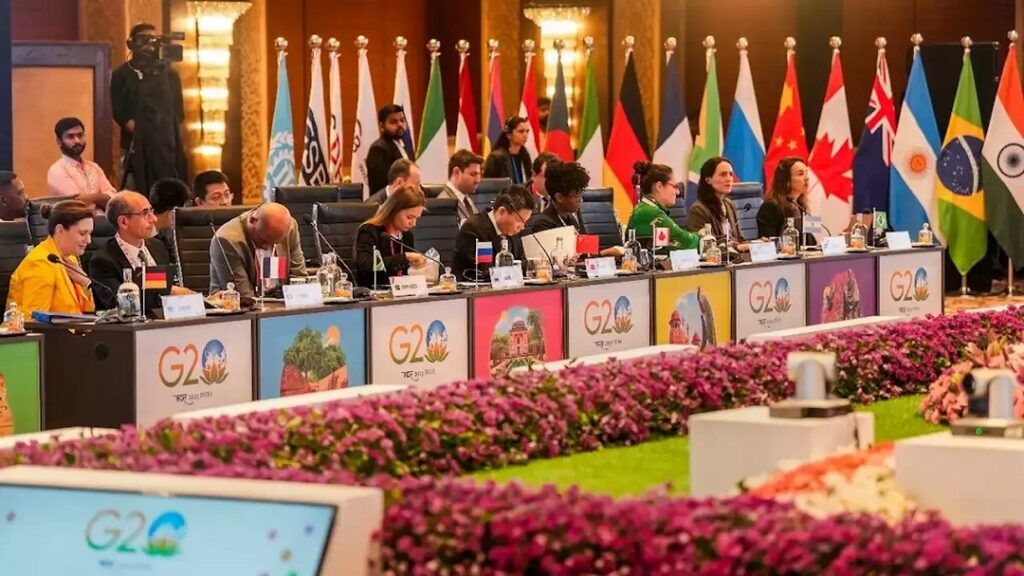
The African Union has been welcomed as a permanent member of the Group of 20, the world’s leading economies. For the past seven years, the AU has lobbied for full membership in the G20. As a G20 member, the AU will represent a continent that is home to the world’s largest free trade area and rich in the resources needed to tackle climate change. In a historic move, the African Union (AU) has been welcomed as a permanent member of the Group of 20 (G20), the world’s leading economies. This development underscores Africa’s growing influence on the global stage, as…

The inclusion of the Oman JSRS eMarketplace (JeM) in this year’s Tanzania Energy Congress signals strengthening economic ties between Oman and Tanzania-Zanzibar. Oman, with its vast expertise in oil and gas, finds a promising partner in mainland Tanzania and the Zanzibar Island. By showcasing suppliers certified by Oman’s Ministry of Energy & Minerals’ Joint Supplier Registration System, digital platform JeM offers a golden opportunity for Tanzanian companies to interact with their Omani counterparts. In the heart of East Africa, a significant event is unfolding that promises to reshape the energy landscape of the region. The 2023 Tanzania Energy Congress, scheduled…
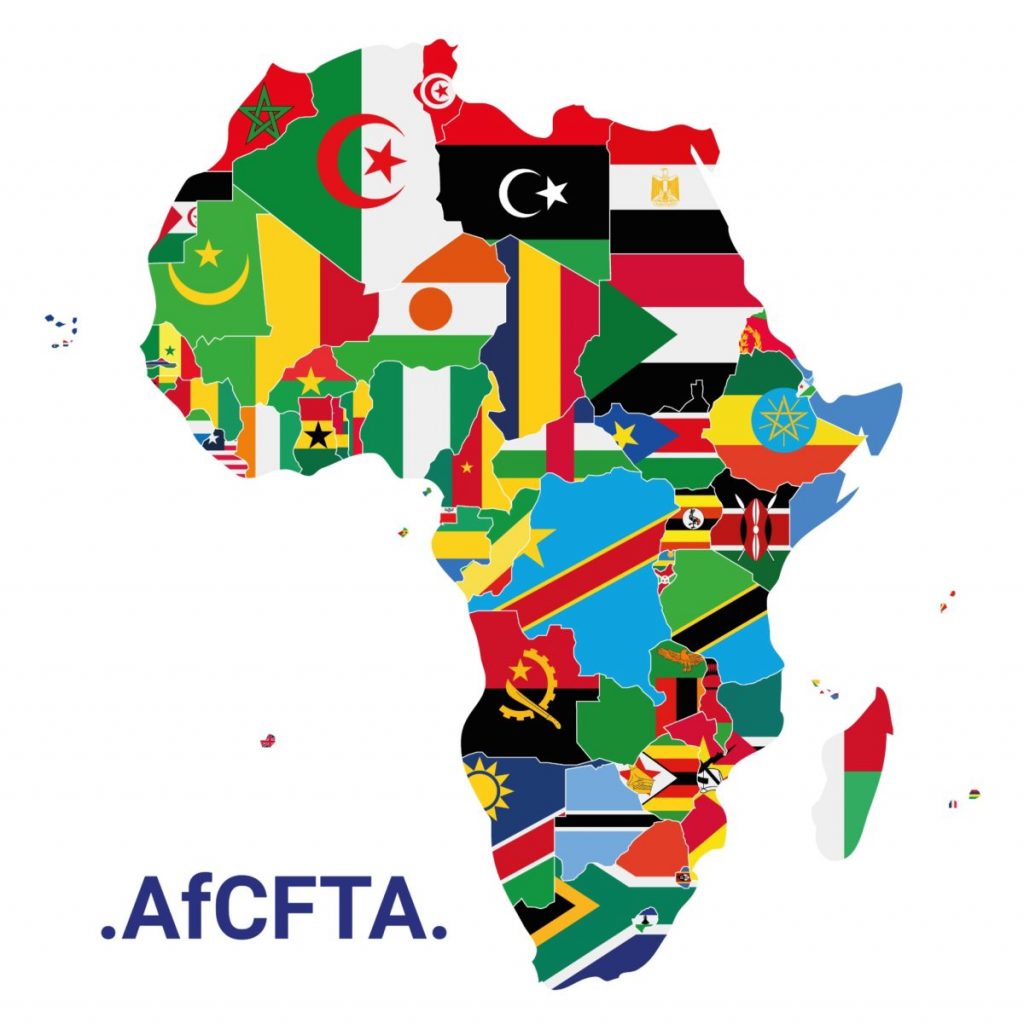
The African Continental Free Trade Area (AfCFTA) is now widely touted as the African Union’s (AU) most audacious project. The framework ties together the most significant number of member countries of any trade agreement since the World Trade Organisation (WTO) in 1995.
The AfCFTA had become topical even before its formal launch. Members of the business community eagerly awaited the full implementation of the AfCFTA. But two years since its formal launch, how far has the AfCFTA ushered in the ‘new era’ of African integration it promised?