
Trending
- How to assess legitimate trading platforms in Kenya using trust, transparency and risk controls
- Kenya secures landmark EU data adequacy pact in first for Africa
- Kenya’s $37.3 billion budget that promises everything except development
- UNEP lauds Ghana tree planting push, terms it continental blueprint
- Blue-Raman: What EU funded new internet cable means for EAC
- Kenya’s huge food deficit mask a deeper failure of finance, FSD Kenya reveals
- Tanzania eyes Belarusian tractor model and motor pools to unlock untapped farmland
- AI-first telcos will lead the race in Africa


Author: The Exchange

The Exchange
- We provide economic news and analysis on the investment arena in Africa, with a particular interest in doing business. Our key areas of focus include banking, capital markets, energy, mining, manufacturing and industrial development.
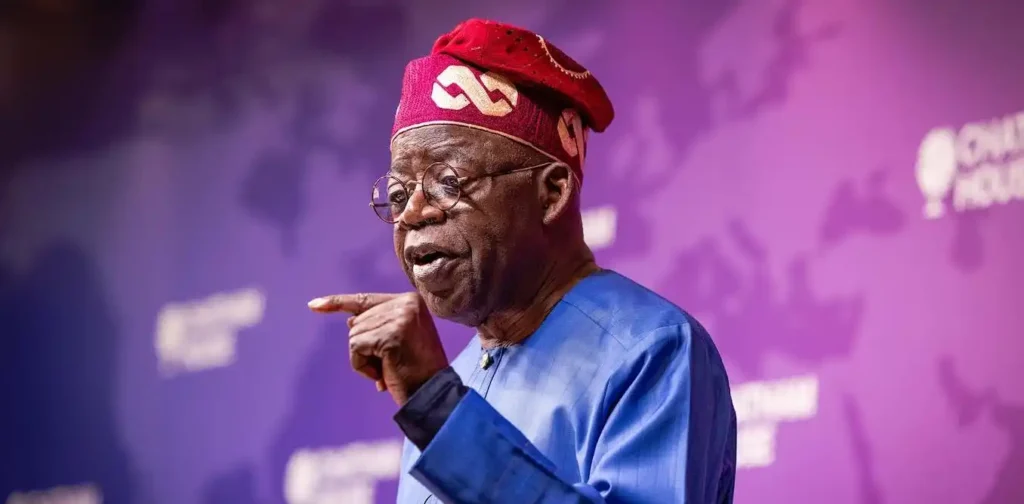
As the 16th president of Nigeria, Bola Ahmed Tinubu has inherited an economy grappling with record-high inflation, enduring unemployment, extreme poverty, crumbling infrastructure and high levels of insecurity. However, Nigeria’s debt situation is a sore thumb among these challenges.
Nigeria’s external debt stock stood at US$41.69 billion in 2022. Multilateral lenders accounted for almost half of this figure, with Eurobonds taking about 38 per cent of Nigeria’s external debt. China’s Exim Bank accounts for US$4.3 billion, or 86 per cent of the $5 billion in bilateral debt.

xternal and domestic economic shocks disrupted Sierra Leone’s post-pandemic recovery, exacerbating existing macro-fiscal vulnerabilities and plunging Sierra Leone into a severe economic crisis. In Sierra Leone’s presidential poll today, the citizens will look to choose the best promise for an economic rebuild.
Forex trading apps are playing a significant role in the democratization of the financial world. They are enabling individuals worldwide to participate in the global forex market directly from their smartphones. Profits from forex trading can be reinvested in local green projects, further stimulating economies. Sustainability has become a central focus in both economic development and the rapidly evolving world of financial technology (FinTech). This shift marks an important step in addressing the global environmental crisis, while also boosting the economy in developing nations. Interestingly, emerging tools such as the forex trading app play an intriguing, albeit indirect, role in…

France will host, in Paris, on June 22 and 23, 2023, the Summit for a new global financing pact. The Summit seeks to rethink the contract between the countries in the Global North and the Global South. The organisers aim to formulate a new pact to address the global economic crisis and climate change.
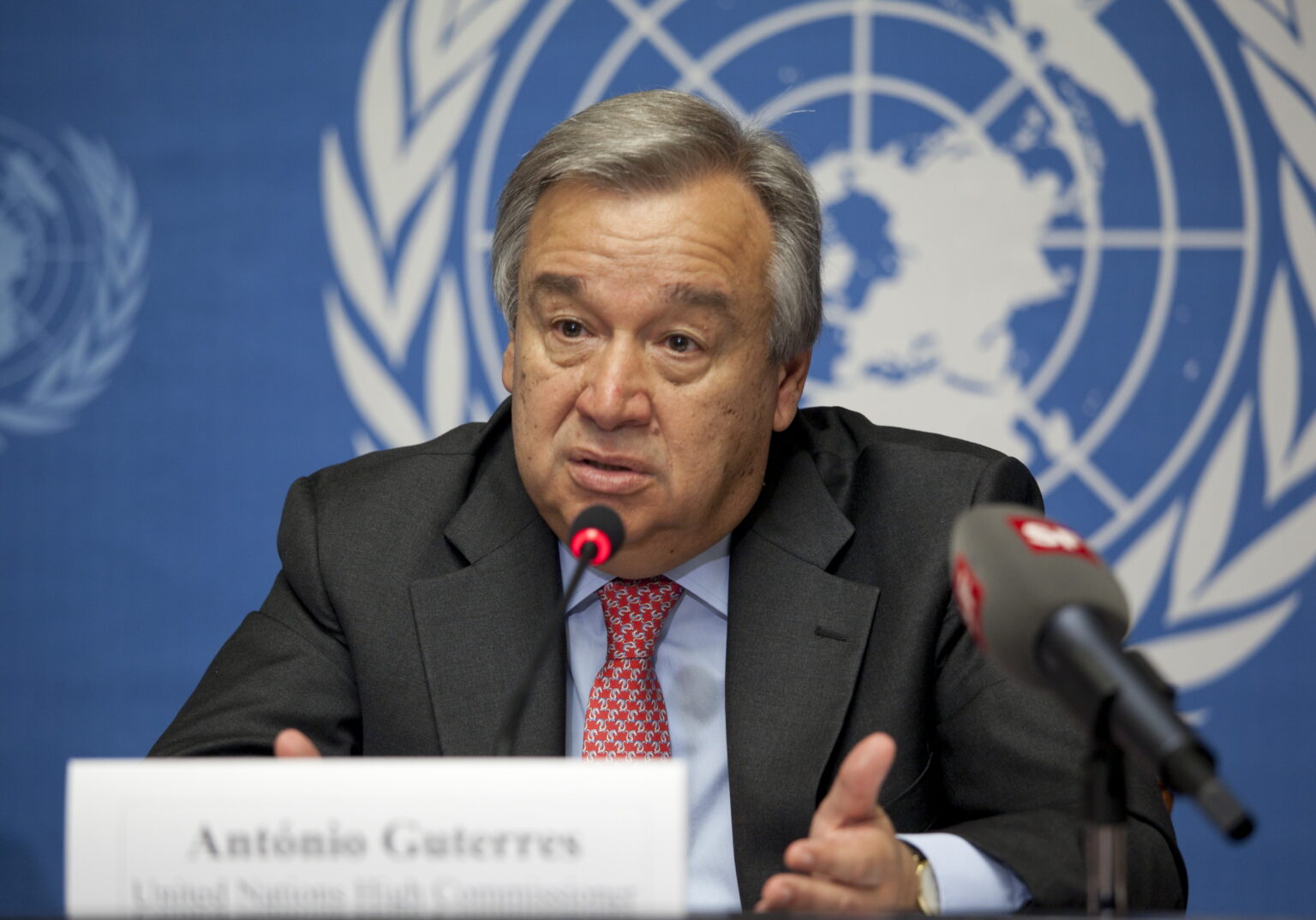
The United Nations (UN) has called for major reforms for two institutions considered key players in the new world order. Antonio Guterres, the UN secretary-general, is pushing for major changes in the IMF and the World Bank.
According to Guterres, the International Monetary Fund has profited the rich nations at the expense of the developing ones. The UN secretary-general describes the response by IMF and the World Bank towards the COVID-19 pandemic as a “glaring failure” that left most developing nations significantly indebted.
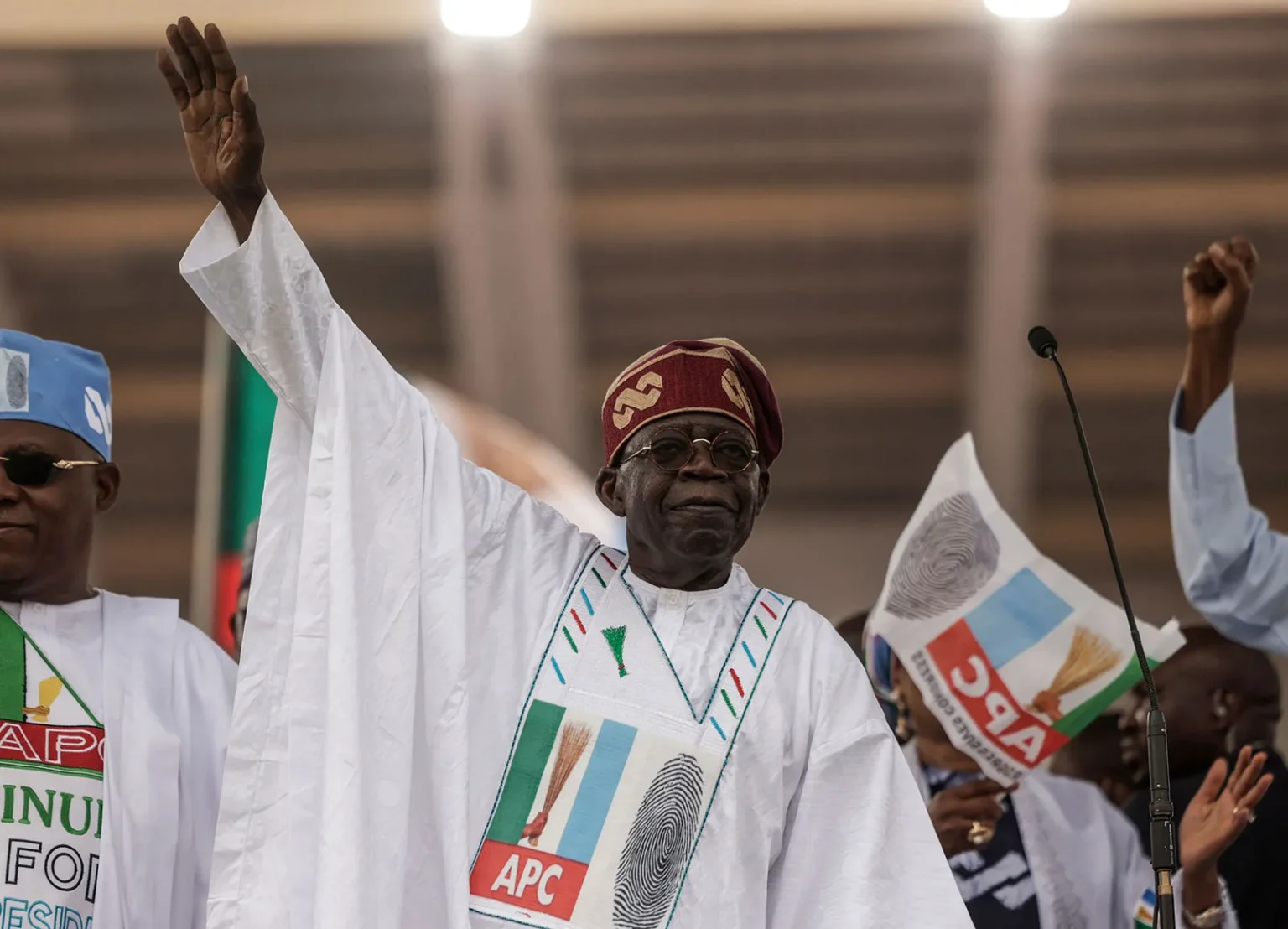
In his inaugural address on May 29, President Bola Tinubu stated his plans to revive Nigeria’s ailing economy. After being sworn in as Nigeria’s 16th President, Tinubu expressed his immediate objective to achieve higher GDP of not less than 6 per cent annually and a significant reduction in the unemployment rate.
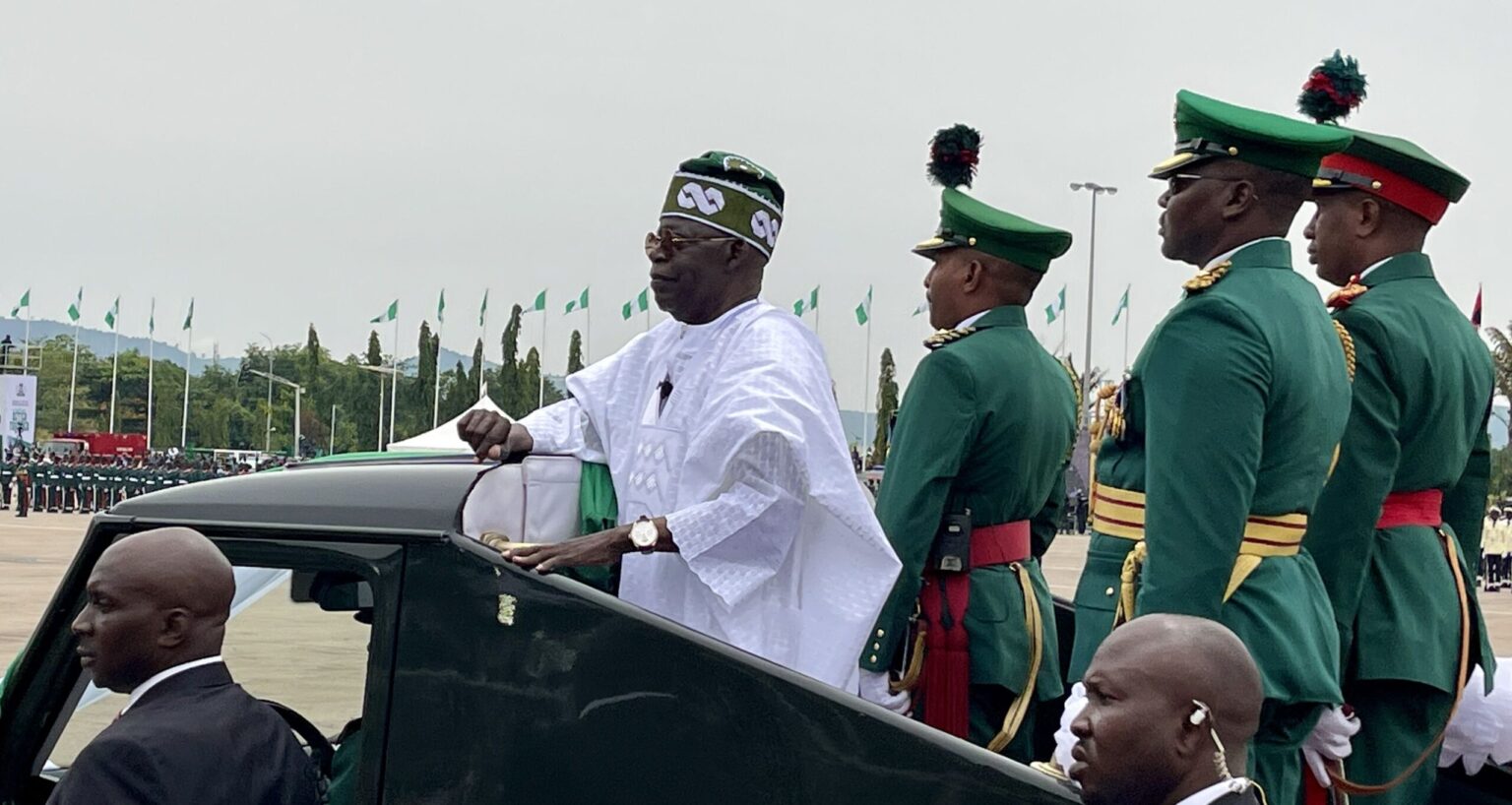
At his inauguration, Nigeria’s new president, Bola Ahmed Tinubu, announced that his administration would do away with the fuel subsidy. The announcement resulted in a spark in prices and long queues in Nigeria as people rushed to buy fuel before the price increase when the policy took effect on July 1.
When the policy to remove Nigeria’s fuel subsidy takes effect, fuel prices in Nigeria are expected to jump from the official pump price of $0.4 to between $0.76 and $1.18. According to the United Nations, Nigeria’s rise in fuel prices will have widespread economic ramifications for over 133 million citizens plagued by multidimensional poverty.
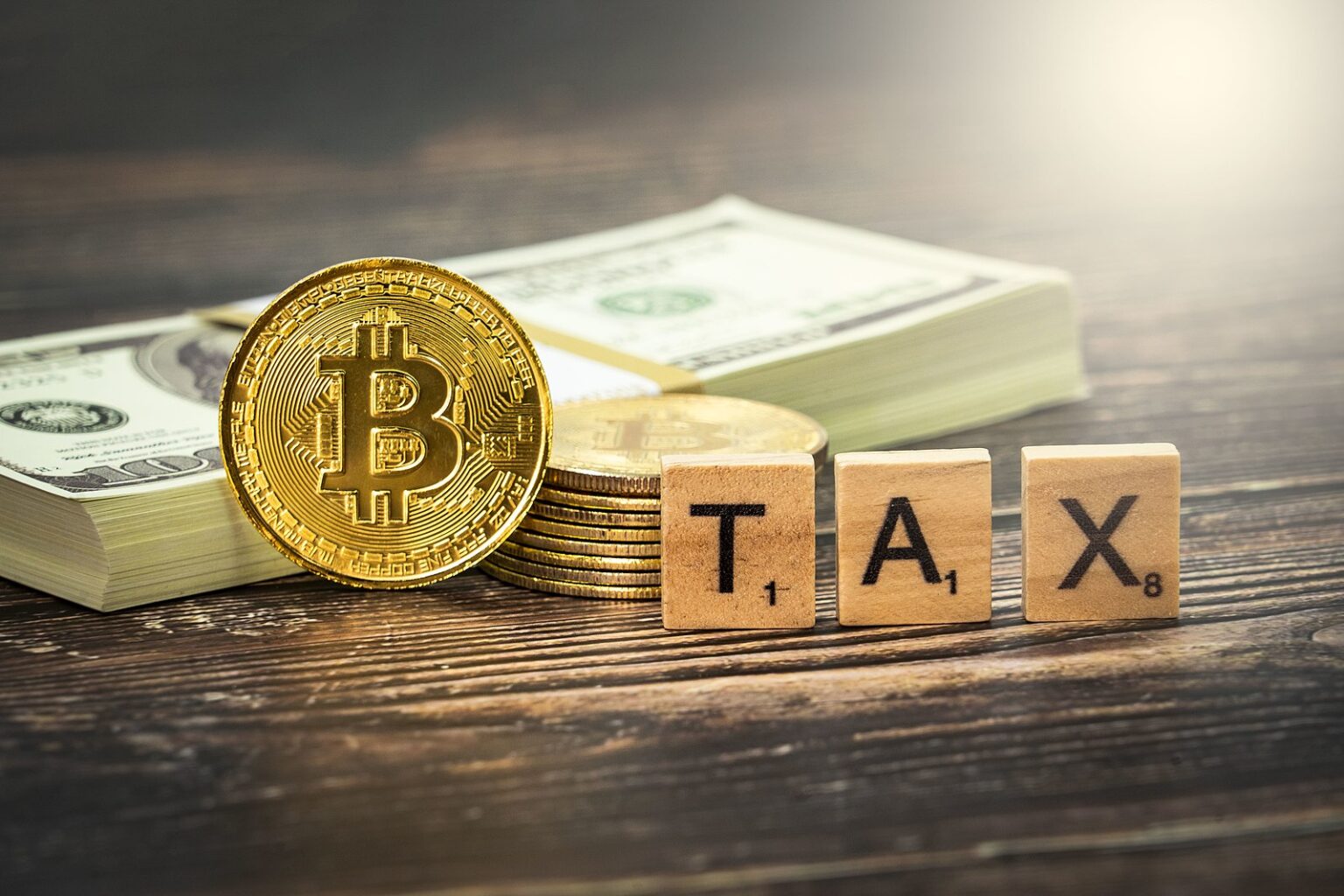
Digital assets have become increasingly important in business and commerce, given their growing adoption by institutions, businesses, and individuals globally. Thus, the impact of crypto assets on tax systems has become all but impossible to ignore. As the number of transactions involving crypto assets continues to rise, so does the need for governments to establish a clear policy on taxing such transactions. In such a context, the absence of a deliberate policy position is a policy decision with consequences for tax systems.
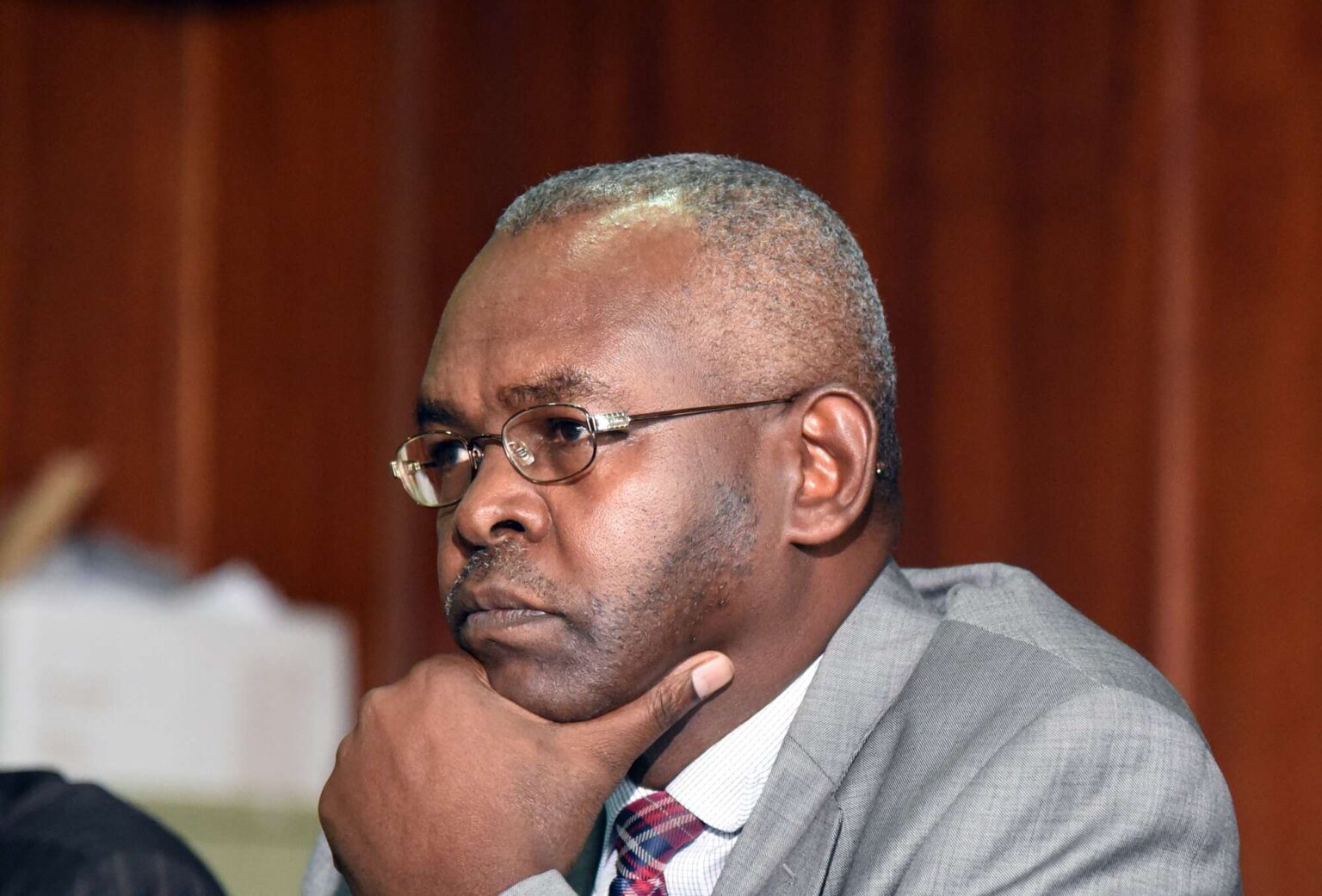
On 15 May, President William Ruto nominated Kamau Thugge as the new governor of the Central Bank of Kenya (CBK). If the Senate and the National Assembly ratify the appointment, Thugge will begin his first term as the CBK governor in mid-June. He will replace the incumbent Patrick Njoroge who assumed office as CBK governor in 2015.
The nomination of Thugge comes at a pivotal time for the Kenyan economy. Kenya’s inflation remains high at almost 8 per cent. The Kenyan shilling has also hit all-time lows against the US dollar. Thus, the monetary policies from the CBK will most likely come in handy in the coming months. But what makes Thugge the perfect fit for the crucial role of Kenya’s top banker?

When CBDCs first came to the fore, many touted such a move as a game-changer in digital finance. Many had thought that the adoption of CBDCs in Africa would take the shape of the adoption of cryptocurrencies, where the region leads in many aspects. However, challenges remain. Lack of the requisite infrastructure, low levels of financial literacy, and operational and regulatory challenges have combined to contribute to low penetration and adoption rates for CBDCs.
The lack of adoption is a current failure point for many launched CBDCs. Nigeria’s eNaira had a million customers one year into its launch, a smattering of its 221 million population. The real challenge of CBDCs lies in developing a clear sense of purpose. African central banks must answer to the kind of role that CBDCs will play in the economy and financial systems.