
Trending
- How to assess legitimate trading platforms in Kenya using trust, transparency and risk controls
- Kenya secures landmark EU data adequacy pact in first for Africa
- Kenya’s $37.3 billion budget that promises everything except development
- UNEP lauds Ghana tree planting push, terms it continental blueprint
- Blue-Raman: What EU funded new internet cable means for EAC
- Kenya’s huge food deficit mask a deeper failure of finance, FSD Kenya reveals
- Tanzania eyes Belarusian tractor model and motor pools to unlock untapped farmland
- AI-first telcos will lead the race in Africa


Author: The Exchange

The Exchange
- We provide economic news and analysis on the investment arena in Africa, with a particular interest in doing business. Our key areas of focus include banking, capital markets, energy, mining, manufacturing and industrial development.

The United Nations Conference on Trade and Development (UNCTAD) recently published the Economic Development for Africa 2023 Report. The document, titled “The Potential of Africa to Capture Technology-Intensive Global Supply Chains,” looks at Africa’s capacity to become a prominent player in global supply chains for “high-technology” industries, which include automobiles, mobile phones, green energy, and healthcare.
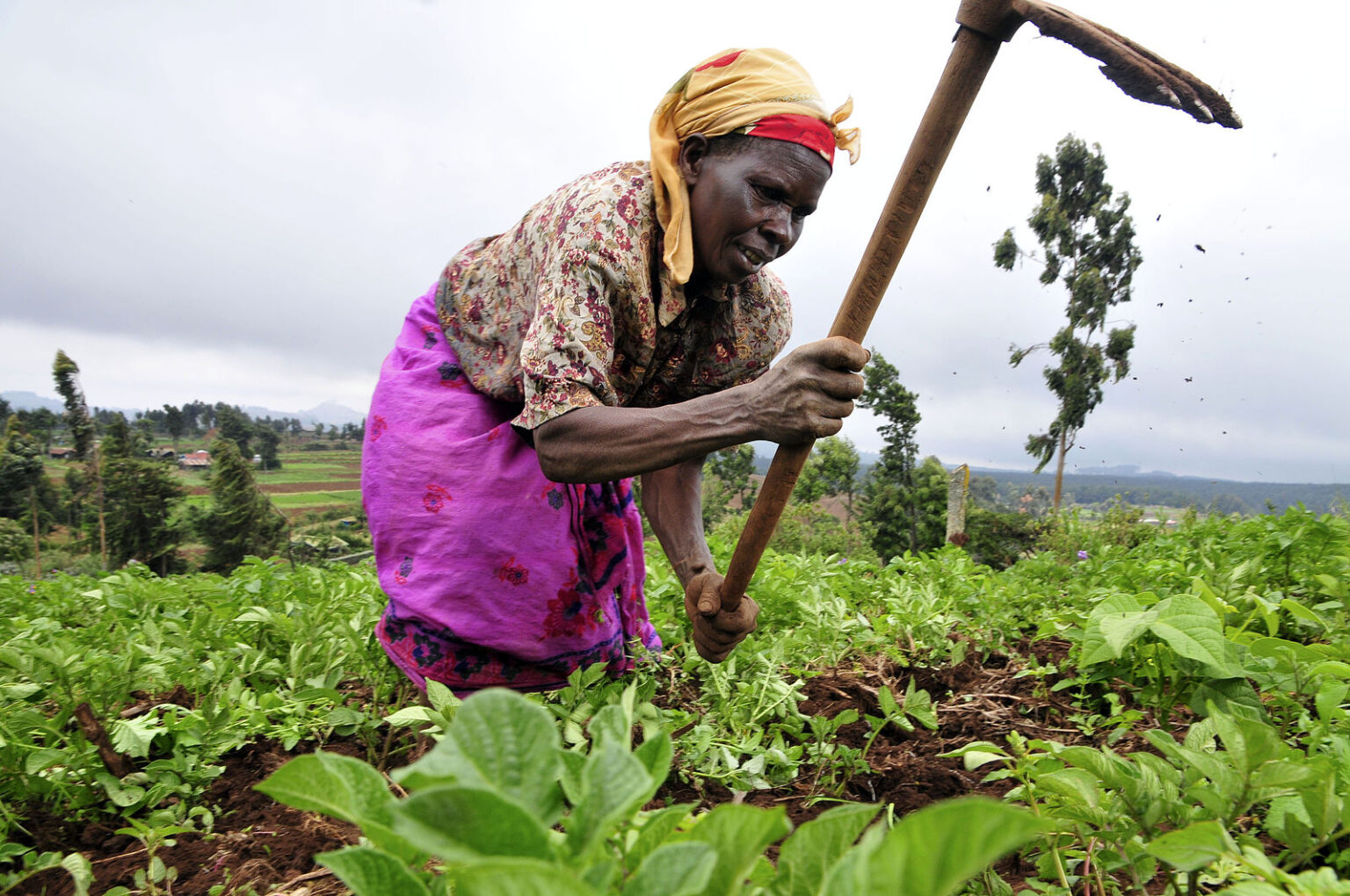
The insurance sector has progressively curated products to cushion the different aspects of living, individuals and corporations. As such, agricultural insurance has been identified as an essential tool in assisting farmers, herders, and governments to mitigate some negative financial impacts of adverse natural events. Many countries have used insurance to help manage agricultural risks. The usefulness of agricultural insurance in risk mitigation is not in question.
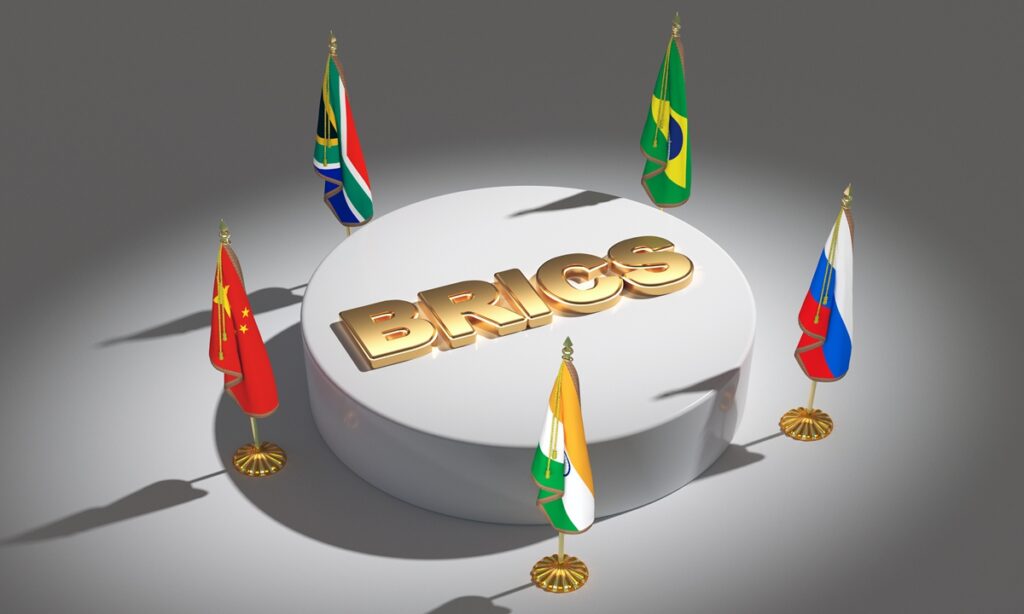
The BRICS countries bear a profound responsibility amid a shifting global economic axis. They have the extraordinary chance to reshape the world order, bestowing more significant equity and amplified voice upon the realms of the Global South.
A defining moment in the global economic axis awaits as the BRICS Summit 2023 gathers in South Africa. It signals the member countries to seize this opportunity to shape an unprecedented global economic governance system, an inclusive, all-encompassing, and efficient system.
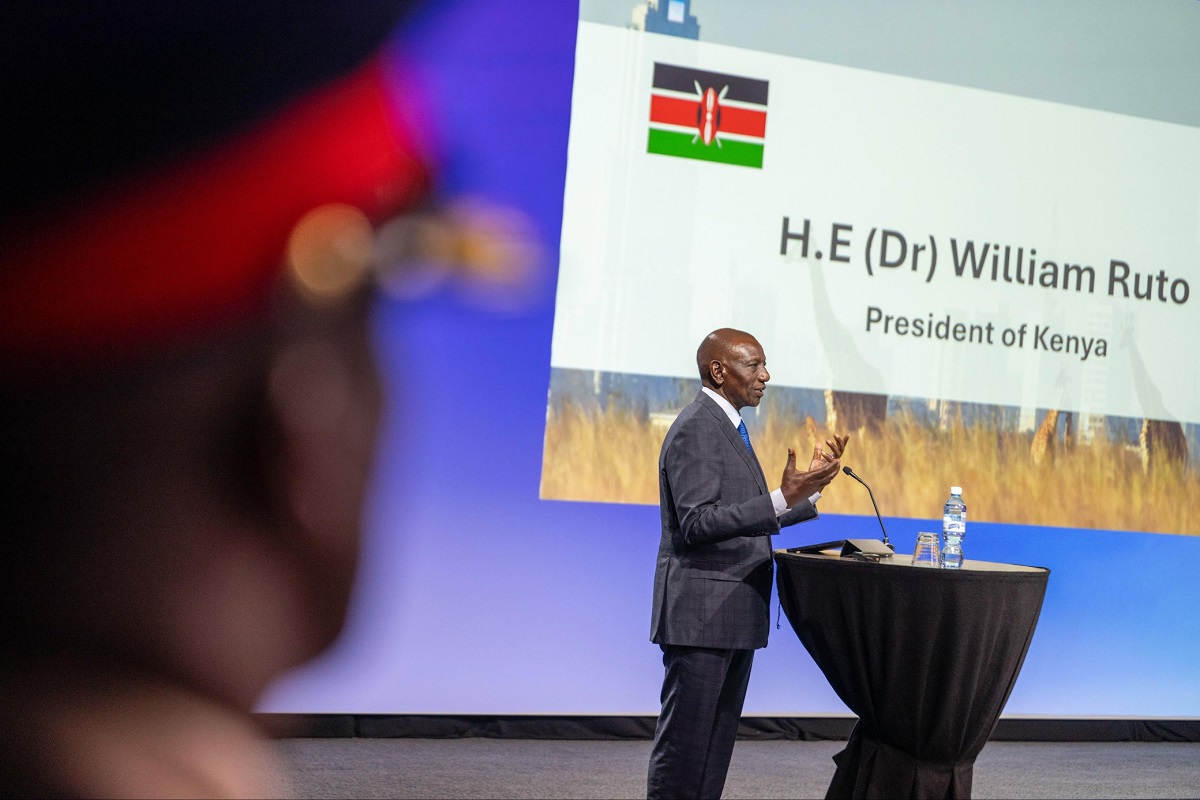
President William Ruto’s election in August 2022 introduced an element of uncertainty in Kenya’s foreign policy landscape. While it is challenging to predict the exact trajectory, his past statements suggest a more pragmatic and balanced approach to international relations. While emphasizing the importance of regional integration and South-South cooperation, President Ruto has also acknowledged the significance of Kenya’s longstanding relationship with the United States. This nuanced stance implies that the government might not abandon the Look East Policy entirely but rather recalibrate to strike a more balanced approach between the East and the West.
Financial knowledge remains paramount in an era in which increasingly complex financial products have become readily available to many. Governments in different countries have put more effort into expanding access to financial services. Consequently, the number of individuals with bank accounts and access to credit products is increasing.
Financial literacy remains crucial to personal and economic empowerment, enabling people to make sound financial choices and manage their finances effectively. Africa suffers from a significant shortage of financial literacy, which hinders its economic growth and development.
Until the Biden Administration, US-Africa trade relations had remained remarkably consistent. Africa Growth and Opportunities Act (AGOA), in place since October 2000 through five separate US administrations, has been the ‘centrepiece’ of this consistency.
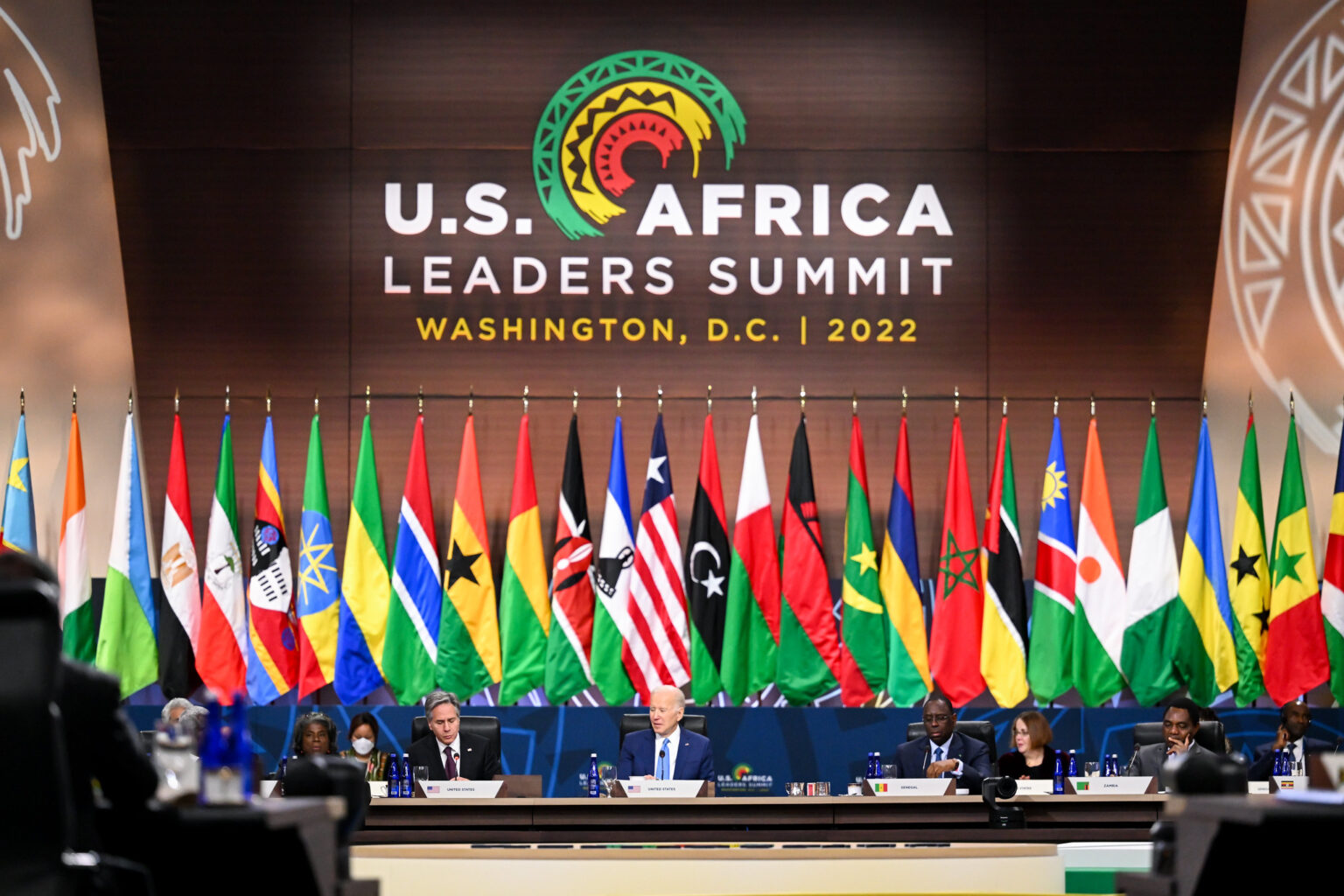
In recent years, Africa has emerged as a promising destination for global investment, with its vast natural resources, expanding consumer markets, and growing middle class. As the continent’s economies continue to strengthen and diversify, global players increasingly recognise the potential for mutually beneficial partnerships. The United States has significantly contributed to Africa’s economic transformation among these partners.

In May 2023, Zimbabwe released a gold-backed digital currency for peer-to-peer and business transactions. It acted as a store of value as the Zimbabwean dollar continued its steep depreciation. International gold prices controlled by the London Bullion Market Association will dictate the local pricing of Zimbabwe’s digital currency tokens.

However, integrating cryptocurrencies with conventional financial systems becomes increasingly essential as they become more commonplace. This presents several obstacles to overcome before cryptocurrencies can realise their full potential. For instance, traditional institutions may be hesitant to work with cryptocurrencies due to concerns about money laundering and other illicit activities. Moreover, the technical difficulty of integrating cryptocurrencies with existing banking systems can prove intimidating.

Population growth and economic development have necessitated speeding up and scaling up infrastructure development in Africa. Over 28 African nations have seen population growth of more than double in the last 30 years. The population of 26 other African countries will quadruple over the next 30 years. Consequently, funding for the continent’s infrastructure has become essential.