
Trending
- Nigeria’s oil output soars to heights not seen since 2020. Here’s what’s changing behind the numbers
- Kenya’s construction costs surge at fastest pace in four years as fuel price shock hits
- African trade is growing despite the obstacles
- Why global capital is betting big on Africa’s digital promise
- Kenya posts stronger-than-expected Q1 growth at 5.3% on manufacturing rebound, tourism boom
- China’s new investment rules are about guardrails, not closed doors
- Zanzibar optimistic economic growth will hit 7.5% on tourism boom
- Kenya defies economic shocks to post record $22 billion in tax collections



Zanzibar legislators project 7.5% economic growth. President Mwinyi advocates private sector participation. Zanzibar recent talks with Brazil, US expected to bare fruits. Zanzibar has…
KRA reports record KES2.84 trillion (up 10.6%) in tax collections,…

UAE has cemented its spot as the main refining, and…

EY Kenya expects the Kenyan economy to rebound and grow by 5 per cent in…
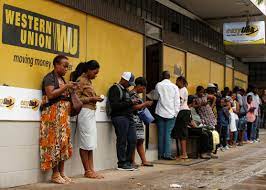
Remittances to low and middle-income economies have enjoyed considerably strong growth over the last year,…
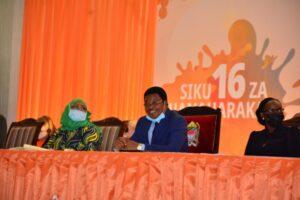
Tanzania has taken a firm stand against gender abuse in all its forms, at home,…
Given these enabling circumstances, KKR offered to buy out RJR and reorganize the business and optimize value from its operations. This initial attempt was not warmly received, and RJR sought other investment companies to purchase it. What then ensued was what members of the investment community call putting the company in play.
This describes a scenario where one company is actively pursued by several suitors who desire to purchase it. In the end KKR triumphed albeit having paid a massive premium for the company. Unfortunately, the company did not realize the gains that it had envisaged it would.
The Nabisco operation of the company was spun off into a separate entity and the tobacco interests were also kept separate. All the gains the company anticipated it would make were swallowed up by tobacco lawsuits so that by 1994 the KKR had all but written off its investment in RJR Nabisco.
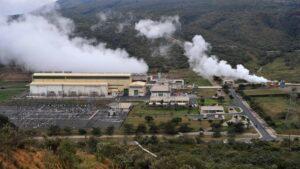
Demand for electricity in Kenya has reached a new record this week rising to a…
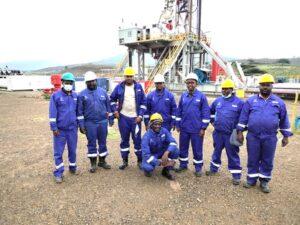
The Djiboutian venture is part of KenGen’s ambitious diversification strategy, in which the company is seeking to acquire new revenue streams by offering commercial drilling services, geothermal consulting and other related services across Africa.
This is the third mega geothermal drilling contract that KenGen is implementing in Africa. In October 2019, the company secured a KSh 5.8 billion contract to drill 12 geothermal wells in Ethiopia.
The contract with Ethiopia’s independent power producer Tulu Moye Geothermal Operations (TMGO) PLC includes installing a water supply system and equipment.