
Trending
- VALR sets sights on East Africa as blockchain moves deeper into Africa’s financial system
- The cost of the data gap: Why Kenya’s lenders can’t afford to miss the full picture
- Tanzania takes EAC labour migration helm as regional rules face overhaul
- 2026 is turning out as a defining year in geopolitics, but for whom?
- Saudi Arabia and Tanzania pledge to deepen bilateral trade ties
- Tanzania rewrites its digital investment playbook
- Ethical sourcing boosting demand for Tanzania organic cotton
- DRC deploys 70,000 Ebola vaccine doses in high-stakes trial against deadly Bundibugyo strain



Saudi Arabia commits to increased trade with Tanzania. Already the oil-rich nation has entered into an agreement to set up a meat processing plant…

Tanzania is rolling out new laws aimed at attracting investors…
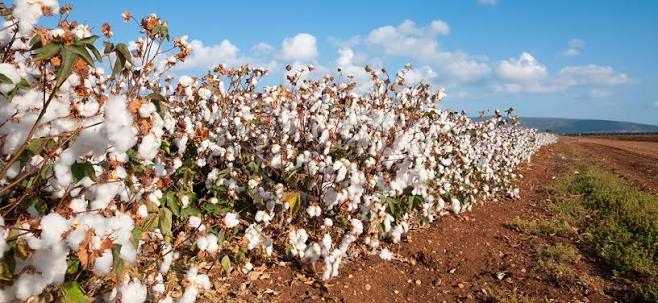
Tanzania organic cotton gaining global market interest. Growing call for…

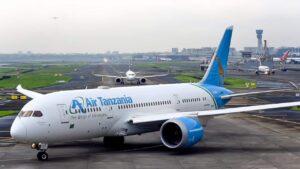
Tanzania’s national carrier, Air Tanzania Corporation Limited (ATCL) has signed a deal that will allow…

Remittances to low and middle-income economies have enjoyed considerably strong growth over the last year,…

Tanzania has taken a firm stand against gender abuse in all its forms, at home,…
The report cited several African countries as the source of mukula rosewood feeding the world’s illegal market. The report points at several high government officials in the countries, including Zambia. The report also calls for instituting a zero export quota on mukula; however, two years down the road after the CITES resolution, much remains to be desired on a commitment to upholding the protection of mukula trees.
The report raised serious concern about the implementation of the recent international protection granted to the threatened mukula tree by the CITES.
As of the sitting of the CITES back in 2019, the EIA estimates that over 50 40-foot containers of mukula logs had been illegally exported every single month between 2017 and 2019, and that investigation focused on Zambia alone.
African economy has sustained significant impacts due to the pandemic Several sectors such as tourism…

African countries have dire shortage of energy supply and many cannot even meet their minimum…