
Trending
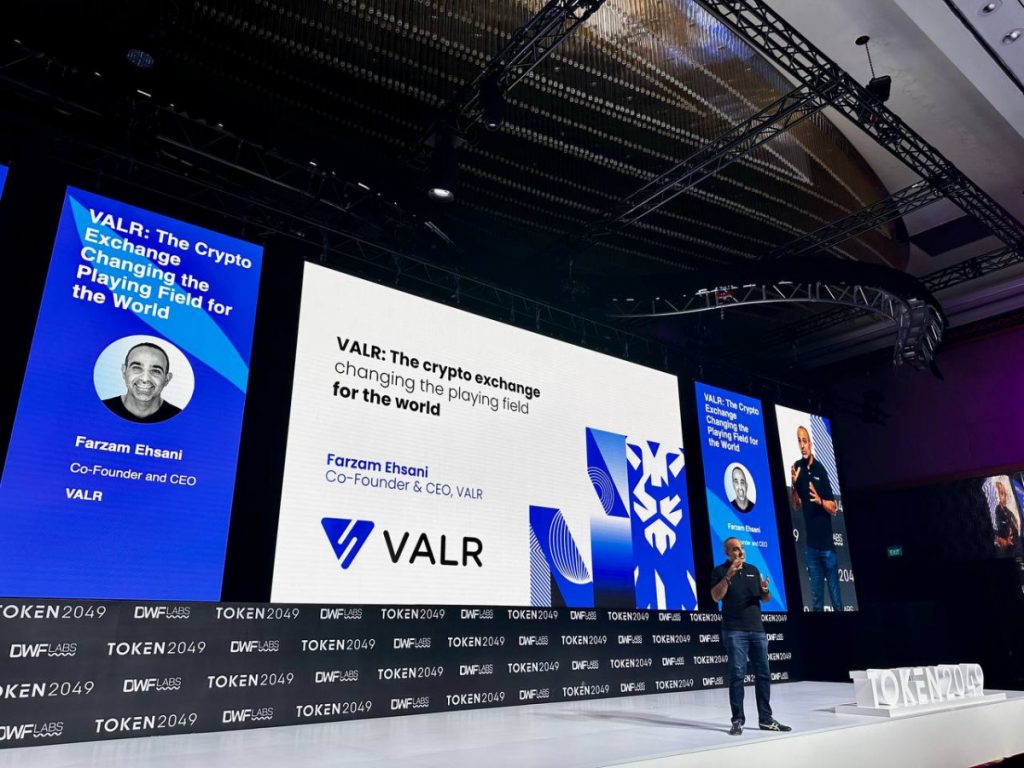
- VALR sets sights on East Africa as blockchain moves deeper into Africa’s financial system
- The cost of the data gap: Why Kenya’s lenders can’t afford to miss the full picture
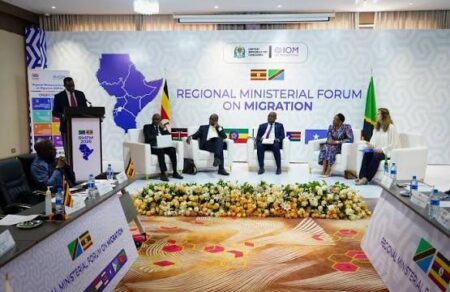
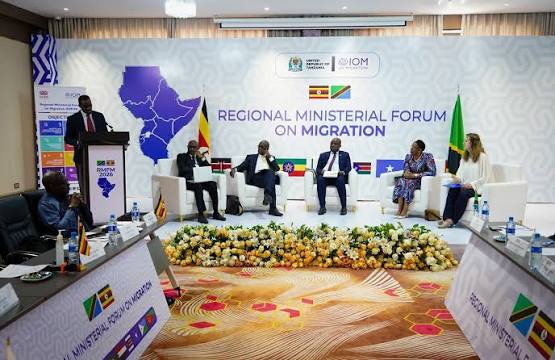
- Tanzania takes EAC labour migration helm as regional rules face overhaul
- 2026 is turning out as a defining year in geopolitics, but for whom?
- Saudi Arabia and Tanzania pledge to deepen bilateral trade ties
- Tanzania rewrites its digital investment playbook
- Ethical sourcing boosting demand for Tanzania organic cotton
- DRC deploys 70,000 Ebola vaccine doses in high-stakes trial against deadly Bundibugyo strain



Saudi Arabia commits to increased trade with Tanzania. Already the oil-rich nation has entered into an agreement to set up a meat processing plant…

Tanzania is rolling out new laws aimed at attracting investors…
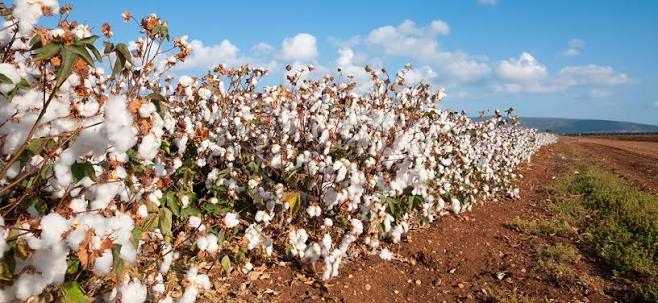
Tanzania organic cotton gaining global market interest. Growing call for…

In 2018, the global textile industry’s worth stood at approximately $920 billion. The global Textile Market Analysis of 2021 to 2028 anticipates that the market could reach $1,412.5 billion by 2028.
The market drivers include the rise in consumer awareness, e-commerce platforms to support sales, and the fast-changing fashion trends in the industry.
The CEO of Basra Textiles, Ahmed Othmad, said on January 11 that the factory at Chunguni area in Zanzibar was targeting to export to markets across East and Central Africa.
Detailing on the source of the funding and its uses, the president said the US$100 million (over TShs230 billion) is from the International Monetary Fund (IMF) as a loan to Tanzania, and another US$100 million is for the Isles.
“The IMF fund will be directed to health, education, water and power sectors, as well as economically empowering wananchi (citizens/the public),” local media quoted President Mwinyi.
The president went ahead and gave a very detailed explanation of the planned use of the funding detailing each sector and the allocated amount and then he got to the part about funding to support businesses.
Tanzania’s cement demand is estimated to have clocked 5.9Mt and is growing fast. Maweni Limestone…
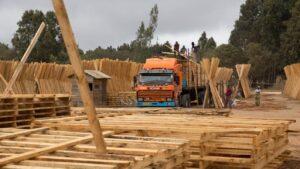
To discourage the use of firewood and charcoal, the European Union (EU) has committed to fund renewable energy solutions specifically designed to set up and support a sustainable cooking solution program.
EU Head of Delegation to Tanzania, Ambassador Manfredo Fanti announced the EU led program late last year in the capital, Dodoma. At the launch, the diplomat said the initiative is part of the EU’s efforts to mitigate climate change through the use of renewable energy solutions for cooking.
However, what is interesting here is that increase in the use of firewood and charcoal is not in rural Tanzania but in the urban centres.
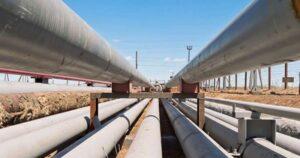
The construction of the world’s largest heated crude oil pipeline, a 1443km pipeline, has started…
Tanzania Telecom charges: Tanzanians are forced to reach deeper into their pockets as the government…