
Trending
- VALR sets sights on East Africa as blockchain moves deeper into Africa’s financial system
- The cost of the data gap: Why Kenya’s lenders can’t afford to miss the full picture
- Tanzania takes EAC labour migration helm as regional rules face overhaul
- 2026 is turning out as a defining year in geopolitics, but for whom?
- Saudi Arabia and Tanzania pledge to deepen bilateral trade ties
- Tanzania rewrites its digital investment playbook
- Ethical sourcing boosting demand for Tanzania organic cotton
- DRC deploys 70,000 Ebola vaccine doses in high-stakes trial against deadly Bundibugyo strain


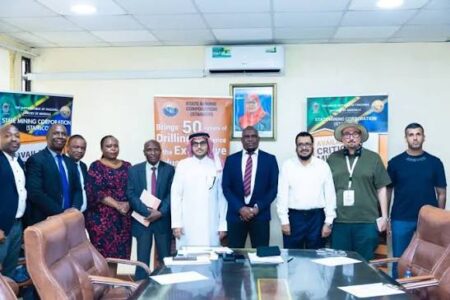
Saudi Arabia commits to increased trade with Tanzania. Already the oil-rich nation has entered into an agreement to set up a meat processing plant…

Tanzania is rolling out new laws aimed at attracting investors…
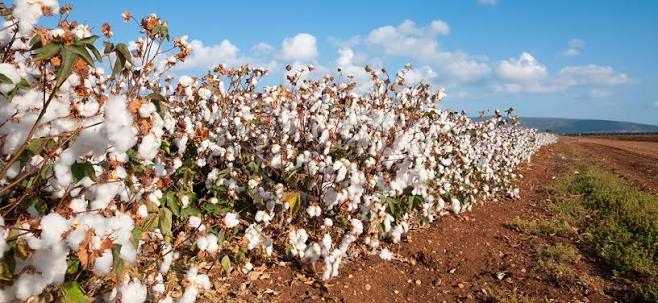
Tanzania organic cotton gaining global market interest. Growing call for…
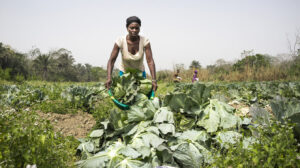
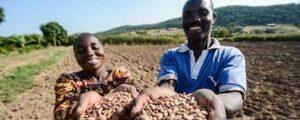
So now the government through its Ministry for Agriculture has decided to take action to increase domestic production of edible oils. To do this, the government has developed several strategic approaches including upgrading peasant technology.
This initiative fits into the country’s overall industrialization initiative that targets mainly agricultural mechanization. By increasing funding for the set up of factories and smaller production plants, Tanzania is able to increase its output of edible oils.
However, the country needs to increase seed production hand in hand with increasing its value chain capacity. This is where the Tanzania Agricultural Research Institute (Tari) based in Dar es Salaam comes in. A globally-renowned research institute that develops hybrid seeds among other agricultural research works.
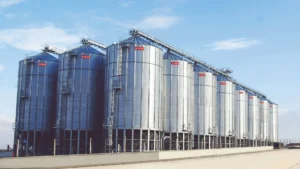
The Tanzania Cereals and Other produce Board (CPB) reported that the grain stores in Juba and Lubumbashi were already experiencing a vibrant business environment. They also expected the Mombasa facility to outperform the two.
According to the 2019 Statistics, Tanzania exported more than 97,000 tonnes of maize. This factor opened the country to the opportunity of launching its grain surplus scheme with the Southern Agricultural Growth Corridor of Tanzania (SAGCOT).
SAGCOT was established in 2010 to create a transformed and economically viable agricultural sector in Tanzania that protects food security, enhances environmental sustainability, and improves livelihoods. The Agricultural growth corridor uses 350,000 hectares in the fertile southern islands of Tanzania to grow maize, wheat, paddy, sorghum, cassava, millet, beans, bananas and sweet potatoes.

Tanzania Railway Investment In the most recent development, an additional 282km of the railway are…

While in France, President Samia attended the One Ocean Summit in Brest. The three-day summit discusses ocean safety and actions against the threats to the ocean. Among other things, initiatives launched at the summit aim to protect the marine ecosystem and develop sustainable fisheries.
The initiatives seek to fight pollution particularly from plastics as well as to respond to the impacts of climate change and to advocate for improved governance of oceans.
This State Visit follows last year’s visit to Tanzania by French Minister for Foreign Trade and Economic Attractiveness, Franck Riester, who visited the East African economic hub in October 2021.
Traders have been calling for more staff to be posted at the Agriculture Food Authority (AFA) of Kenya to facilitate the approval of applications of maise import from Tanzania to Kenya. Additionally, the traders requested joint testing of aflatoxin to be undertaken in Arusha to reduce the number of rejections at the border.
Peter Musiba explained that the Tanzania Bureau of Standards (TBS) is tackling aflatoxin and has set outstations for testing in Dodoma, Singida and Shinyanga to facilitate the trade of cereals.
Paloma Fernanda, the Chief Executive of Cereals Millers Association, urged for a joint campaign on combating aflatoxin from as early as farm and post-harvest losses in the EAC region.
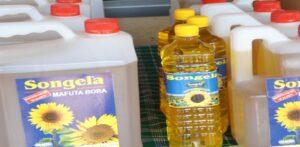
The programme aims at empowering extension officers who would, in turn, train farmers through expert guidance. Chemba district targets to produce 100,000 tonnes of sunflower in the 2022 season to increase the production of edible oil in the country.
President Samia’s administration has plans to improve cotton farming, among other crops. The government has taken measures to improve sunflower production through an increased budget allocation for the Agricultural Seed Authority, up from Tsh.5.42 billion (US$2.3 million) in 2020-2021 to Tsh.10.8 billion (US$4.7 million) in 2021-2022.
In 2021, the government boosted the capacity of the Tanzania Agricultural Development Bank (TADB) by providing Tsh.208billon (US$90 million) to the bank to reach more farmers and finance them. It also empowered the National Food Reserve Agency (NFRA) to purchase 95,000 tonnes of maize from farmers.