
Trending
- VALR sets sights on East Africa as blockchain moves deeper into Africa’s financial system
- The cost of the data gap: Why Kenya’s lenders can’t afford to miss the full picture
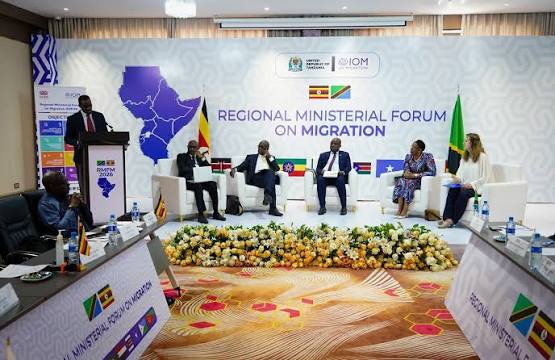
- Tanzania takes EAC labour migration helm as regional rules face overhaul
- 2026 is turning out as a defining year in geopolitics, but for whom?
- Saudi Arabia and Tanzania pledge to deepen bilateral trade ties
- Tanzania rewrites its digital investment playbook
- Ethical sourcing boosting demand for Tanzania organic cotton
- DRC deploys 70,000 Ebola vaccine doses in high-stakes trial against deadly Bundibugyo strain



Saudi Arabia commits to increased trade with Tanzania. Already the oil-rich nation has entered into an agreement to set up a meat processing plant…

Tanzania is rolling out new laws aimed at attracting investors…
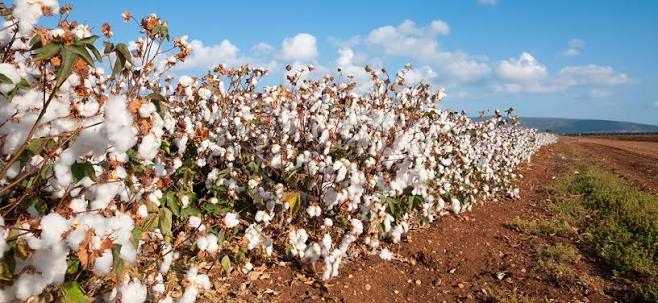
Tanzania organic cotton gaining global market interest. Growing call for…
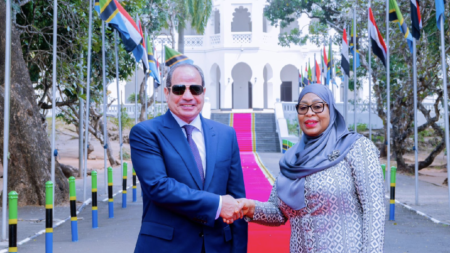
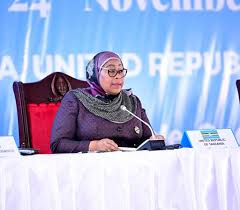
Tanzania’s President Samia spearheaded the signing of some 36 MoUs. Of these, 12 were signed by government public institutions, 23 by private sector parties and one by the Revolutionary government of Zanzibar.
The President reassured investors of Tanzania’s favourable business environment. She placed emphasis on the country’s peace and political stability which she said makes Tanzania a unique investment destination where investors will enjoy open doors to invest across all sectors.
She placed a special note on the country’s potential in tourism and hospitality as well as agriculture and energy.
“Tanzania is strategically located and the port of Dar es Salaam is the gate to Africa’s interior,” she added.

Tourism is one of key economic sectors championed by President Samia At present the economy…
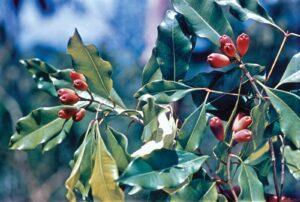
The processing factory set up by Indesso may propel Tanzania to become the largest clove oil producer in Africa.
Aloyce Elia Kibiriti, the Chairman of the Msasa IBC village, said that representatives from Indesso camped in the area and chose their village to construct the proposed clove leaves-to-oil producing factory significantly for export to Indonesia.
Chairman Kibiriti added that they had already secured land for the project, saying it would create employment for the farmers who lost their farms after creating the Derema Conservation Corridor.

Nearly 3 million signatures have been gathered to rally against Maasai eviction by a web-based…

Aga Khan Hospital will use the funding to support covid-19 pandemic response The funding will…
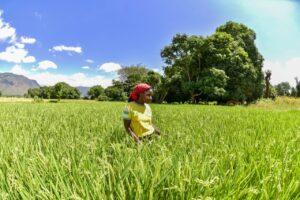
With so many more mouths to feed every year, the World’s ambitious Sustainable Development Goals, particularly on poverty eradication and ending hunger, seem further away than ever before.
The trend is global, and on October 16, 2021, the UN admitted and warned that the global fight against hunger is being lost.
With the warning, the UN called for action to improve food security for the world’s most vulnerable people, African coming on top of that list. For a place that relies so heavily on substantial farming for a livelihood, Africa faces a most daunting reality, clear forests to farm, lose potential output.