
Trending
- VALR sets sights on East Africa as blockchain moves deeper into Africa’s financial system
- The cost of the data gap: Why Kenya’s lenders can’t afford to miss the full picture
- Tanzania takes EAC labour migration helm as regional rules face overhaul
- 2026 is turning out as a defining year in geopolitics, but for whom?
- Saudi Arabia and Tanzania pledge to deepen bilateral trade ties
- Tanzania rewrites its digital investment playbook
- Ethical sourcing boosting demand for Tanzania organic cotton
- DRC deploys 70,000 Ebola vaccine doses in high-stakes trial against deadly Bundibugyo strain



Saudi Arabia commits to increased trade with Tanzania. Already the oil-rich nation has entered into an agreement to set up a meat processing plant…

Tanzania is rolling out new laws aimed at attracting investors…
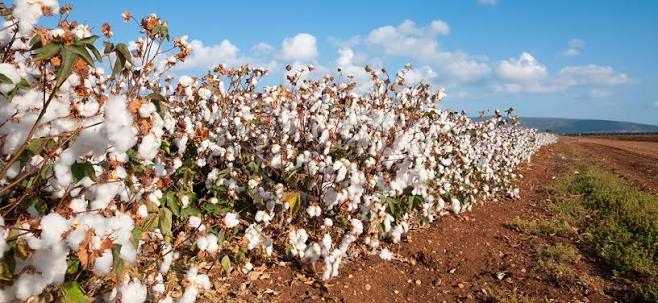
Tanzania organic cotton gaining global market interest. Growing call for…

As Africa’s role in the global economy continues to garner prominence, it’s imperative for the…

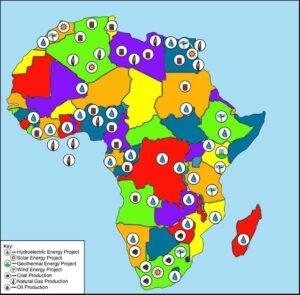
Tanzania’s coal mining landscape is featured with attractive investments. In September 2011, a Chinese company, Sichuan Hongda Co. ltd, signed a $3 billion deal with Tanzania to mine coal through the Mchuchuma Coal mine and iron ore, yet another big win for the sector (Global Energy Monitor – GEM).
The current agreement comes to supplement the existing efforts the government of Tanzania and other private actors made to enhance coal mining.
In January 2021, it was reported that Tanzania China International Mineral Resource Ltd. (TCIMRL) requested tax incentives on import duty on goods to be imported for the construction work, incentives on spare parts and machinery, and relief on fuel.
The effects of climate change and anthropogenic factors have adversely affected the availability of water…
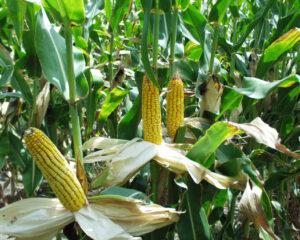
Stakeholders in Tanzania are lobbying for asking the government to establish a department to research and preserve traditional foods and seeds which are feared to be in danger of extinction. “The loss of diverse diets is directly linked to diseases or health risk factors, such as diabetes and obesity,” warns
While the new seed varieties (as well as animal hybrids) are been praised for their fast growth and resistance to disease, the question remains over their nutritional value. There are also concerns that the loss of organic traditional plant and animal varieties places the world at risk of losing traditional medicines.
At a recent Agricultural Ecology (Agroecology) training workshop held in Moshi, Tanzania stakeholders emphasized that; “From providing cures to deadly diseases to maintaining natural ecosystems and improving the overall quality of life, the benefits of preserving threatened and endangered species are invaluable.”
The project uses a comprehensive approach to combat cancer, involving communities and building capacity to over 400 community health care workers, and raising awareness by printing and distributing over 3,000 books and 5,000 Information, Communications and Education (ICE) materials.
“This project aims to complement the government efforts towards reducing cancer morbidity and mortality,” said Minister of Health Ummy Mwalimu.
“The government cannot single-handedly combat the growing burden of cancer, hence we commend TCCP for their innovation towards demonstrating the success of public-private collaboration to control cancer in the country,” she added.
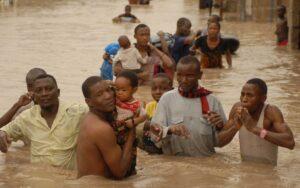
A careful study of the 2011 flood’s socio-economic impacts on Dar es Salaam indicated that the flood events damaged properties worth millions and the government was forced to spend a total amount of US$796,968 in rescuing and relocating vulnerable communities who lived in the low-lying areas of Dar es Salaam’s districts.
Per World Bank research, which offers clear insight into the matter, exposure to floods is a widespread phenomenon affecting at least 39 per cent of the population, or two million people, having been impacted either directly or indirectly by floods.
The April 2018 floods alone affected between 900,000 and 1.7 million people, and among the affected households, 47 per cent (18 per cent of the city’s population) reported health impacts.