Trending
- African trade is growing despite the obstacles
- Why global capital is betting big on Africa’s digital promise
- Kenya posts stronger-than-expected Q1 growth at 5.3% on manufacturing rebound, tourism boom
- China’s new investment rules are about guardrails, not closed doors
- Zanzibar optimistic economic growth will hit 7.5% on tourism boom
- Kenya defies economic shocks to post record $22 billion in tax collections
- Forget South Africa: East Africa now rules in banking industry returns
- Lamu over Tanga: The commercial calculus that cost Tanzania $20bn refinery


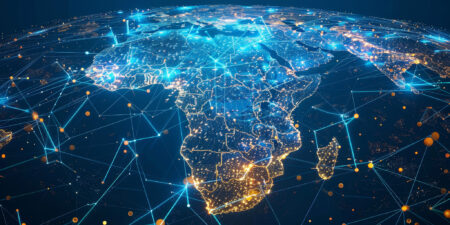
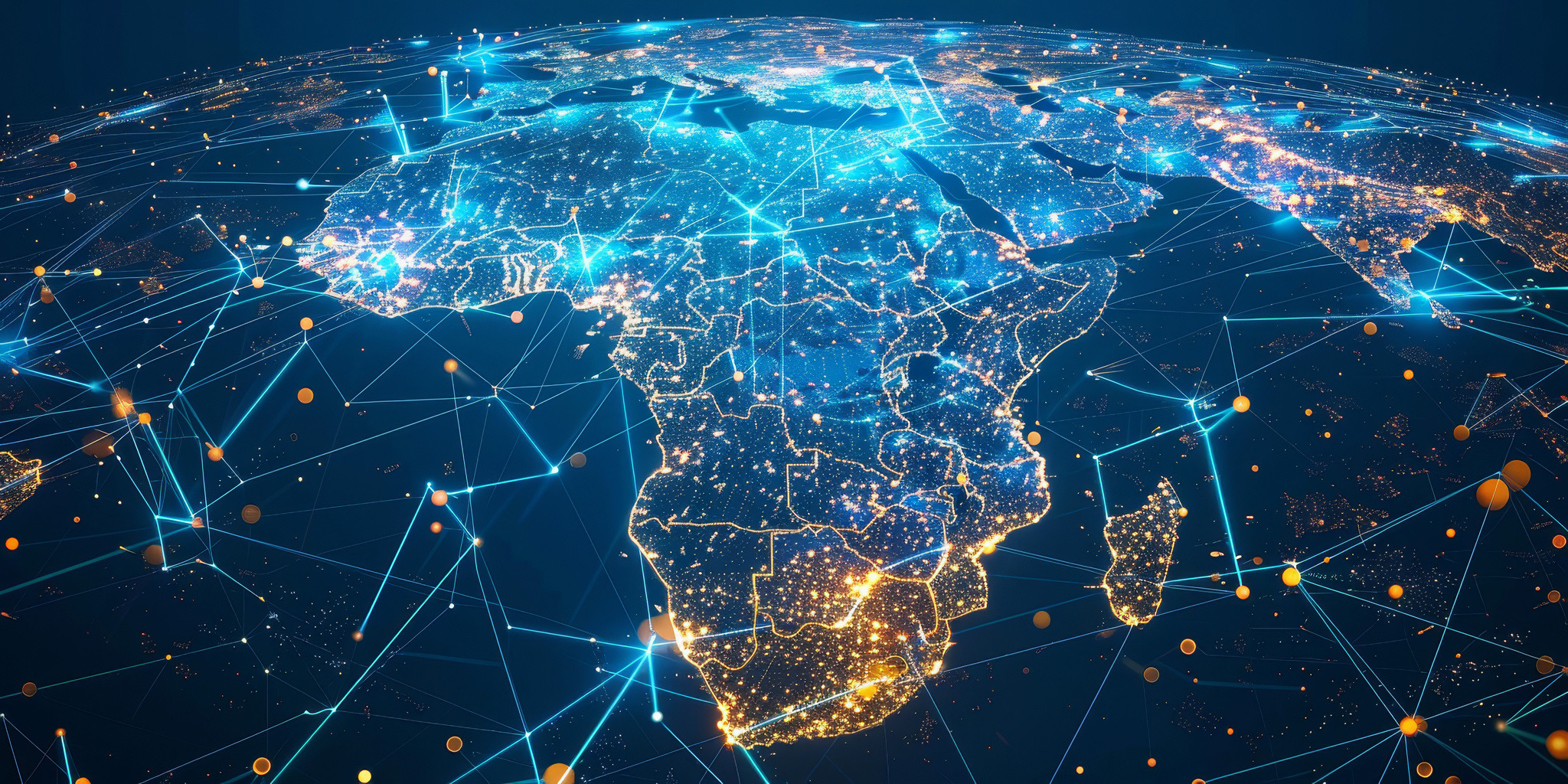
Digital development is attracting new Foreign Direct Investment (FDI) to Africa. This as overall FDI into Africa is on the decline according to data…
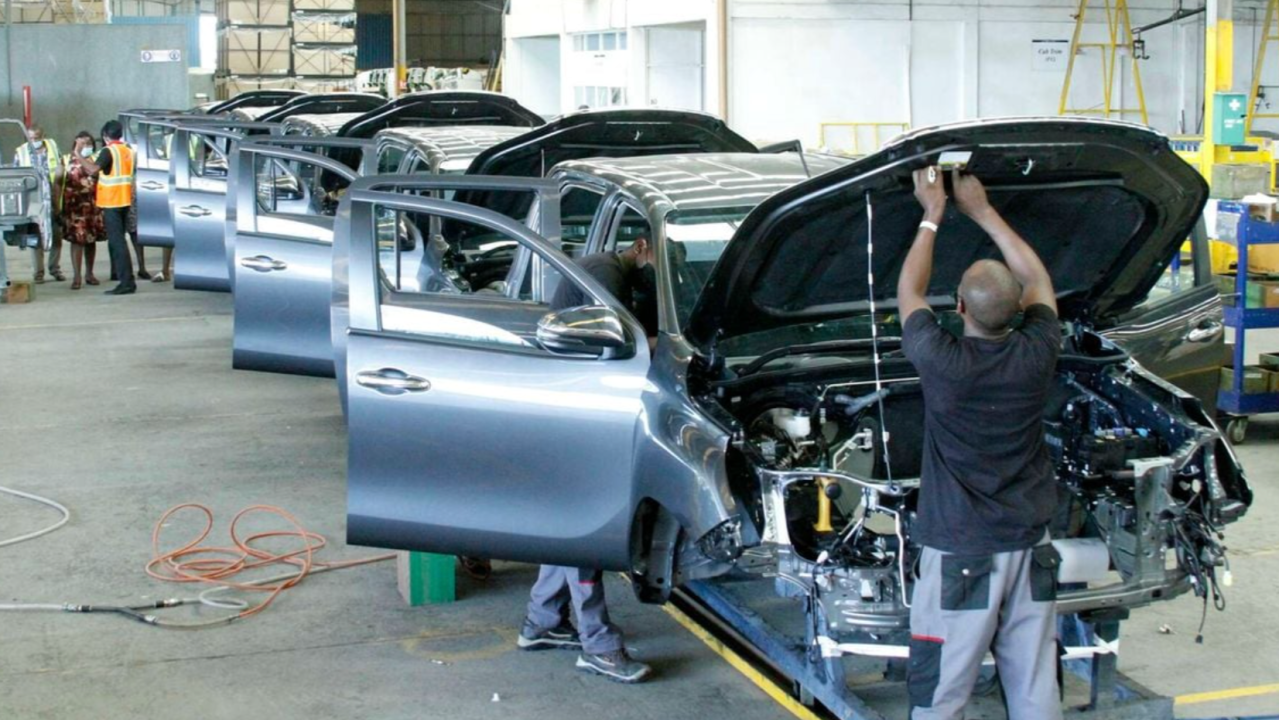
Kenya’s economy grows 5.3% in first quarter, powered by manufacturing…
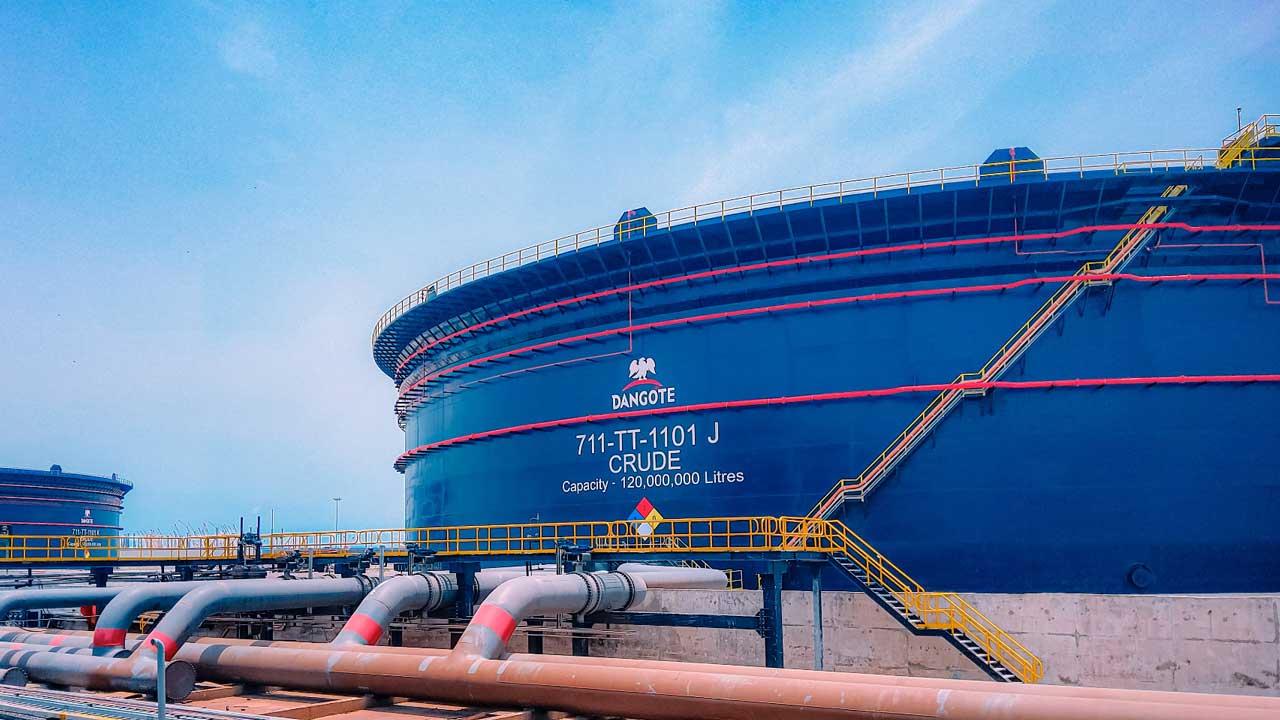
Dangote Group’s major refinery in East Africa needed deep-water berths…
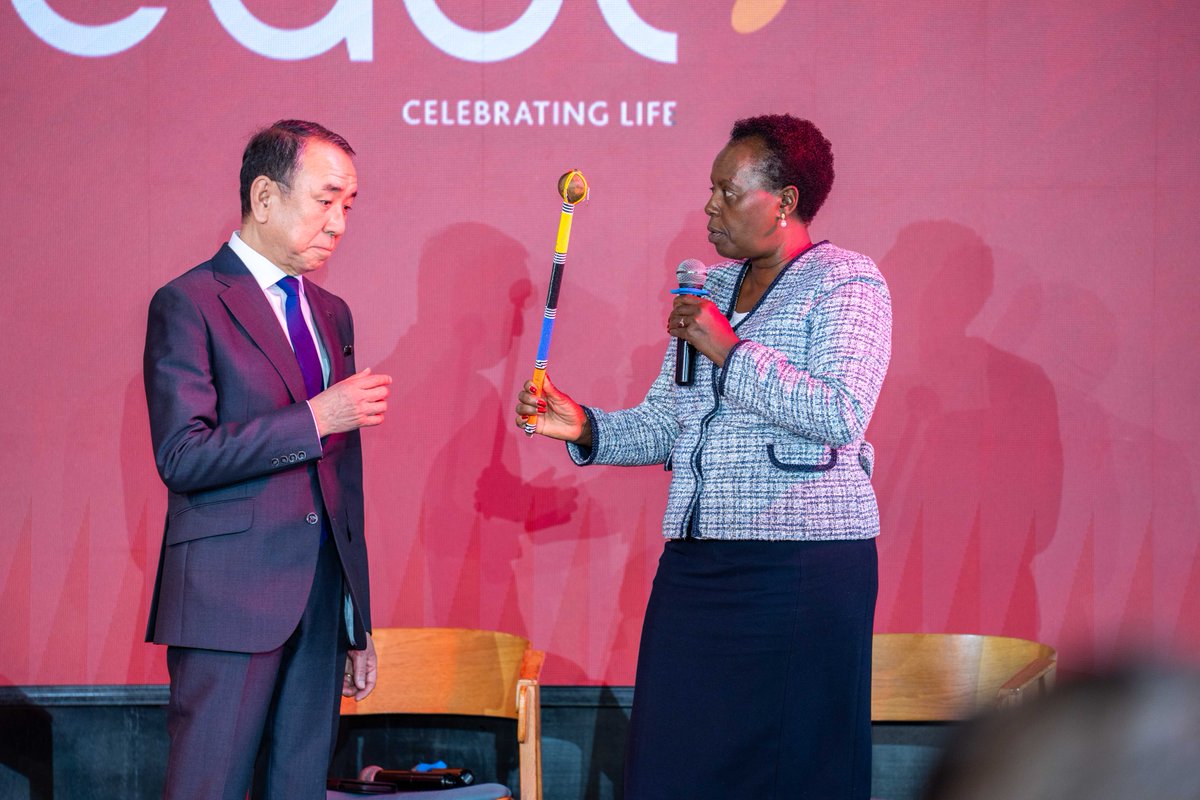

With African nations in desperate need of economic boosts, reinventing the continent’s pharmaceutical “wheel” as a contributor to development has become critical. This crucial venture requires public and private participation and, of course, the willingness of the West’s Big Pharma!
Most Africans lack the means to seek qualified healthcare providers for quality medication. People turn to self-help and alternative medicine to avoid medical expenditures, which are often out of reach. With less than 400 drug manufacturers to cater to the more than 1.3 billion people on the continent, millions of Africans die or suffer from protracted illnesses without consistent access to even the most essential medicines. Widespread ill health can trap people in poverty, as healthier people are more productive.
The pandemic’s effects have exacerbated Africa’s healthcare crisis in the last two years. The situation has captured the attention of investors who noted the gap between supply and demand in the pharmaceutical sector. Apart from increasing healthcare results to have more productive individuals in the economy, boosting Africa’s pharmaceutical industry may generate enormous economic value.
Time is running out for Africa to guarantee food security for its population. As the saying goes, it is not very reasonable to keep doing the same things and expect different results.
Africa needs crops that can withstand pests and disease, withstand drought, flourish without excessive pesticides and fertilizers, and produce healthy food. Africa needs crops to enable smallholder farmers to prosper. GMOs provide a powerful instrument for Africa to address these demands when other choices fail over time.

In terms of forecast, inflation is expected to be around 18 per cent at the…
Wind power is quickly gaining ground in Africa and many African countries are exploring this energy source to meet a fraction of their energy needs. Both onshore and offshore wind power is capable of delivering lower-cost power, as opposed to fossil fuels. A recent report commissioned by the International Finance Corporation (IFC), on ‘Wind Energy; Joining Forces for an African Lift-Off,’ indicated that Africa has 59,000 GW of technical onshore and offshore wind potential, which is enough to meet the continent’s energy demand 250 times over.
The Global Wind Energy Council (GWEC) notes that Africa is only using 0.01 per cent, of the 59,000 GW. In late 2021, GWEC, with support from numerous entities such as International Energy Agency (IEA), the International Renewable Energy Agency (IRENA), IEA, IFC; launched Africa Wind Power (AWP); a regional body representing the wind industry, with a goal to scale up and accelerate wind projects across the continent. Wind power markets in Africa include South Africa, Morocco, Egypt, Kenya and Ethiopia.
Africa boasts vast hydroelectric power (HEP) resources, with immense potential for increased power generation to power the continent. South Africa takes the lead, generating 45 per cent of the continent’s production, North African countries follow suit at 30 per cent, whilst the rest of the continent cumulatively take up 25 per cent. Cameroon, Guinea, DRC, Sudan, Mozambique and Angola, have noteworthy HEP resources, of which currently only 7 per cent are developed.
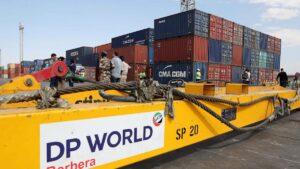
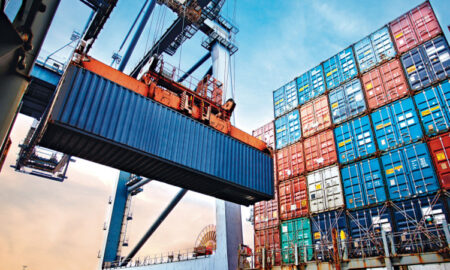
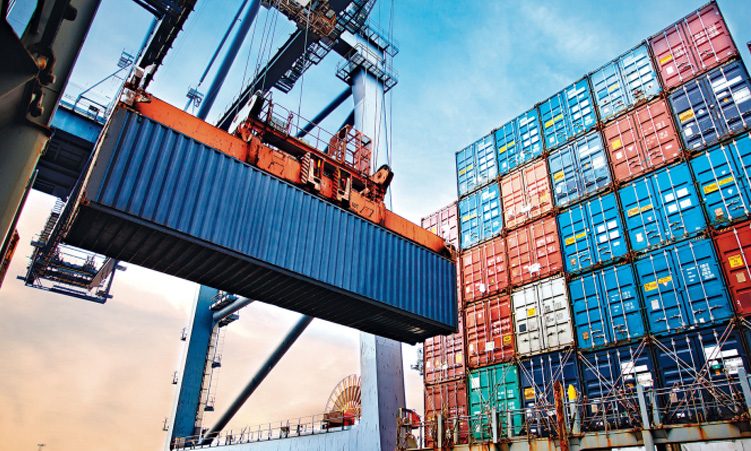
Africa’s trading environment and infrastructure are modernising as fast as the opportunities are presenting themselves.…
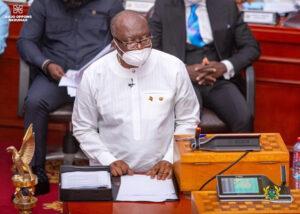
Government has reduced the e-levy rate from 1.5 per cent to one per cent of…