Trending
- African trade is growing despite the obstacles
- Why global capital is betting big on Africa’s digital promise
- Kenya posts stronger-than-expected Q1 growth at 5.3% on manufacturing rebound, tourism boom
- China’s new investment rules are about guardrails, not closed doors
- Zanzibar optimistic economic growth will hit 7.5% on tourism boom
- Kenya defies economic shocks to post record $22 billion in tax collections
- Forget South Africa: East Africa now rules in banking industry returns
- Lamu over Tanga: The commercial calculus that cost Tanzania $20bn refinery



Digital development is attracting new Foreign Direct Investment (FDI) to Africa. This as overall FDI into Africa is on the decline according to data…
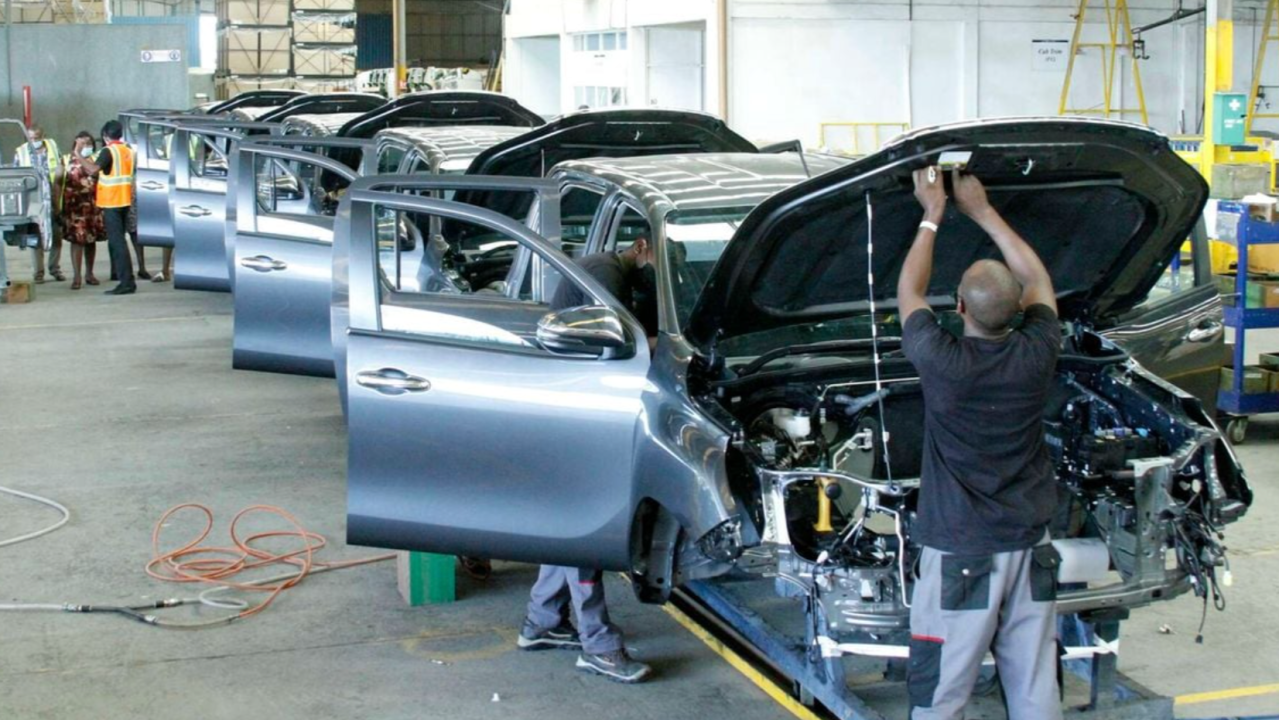
Kenya’s economy grows 5.3% in first quarter, powered by manufacturing…
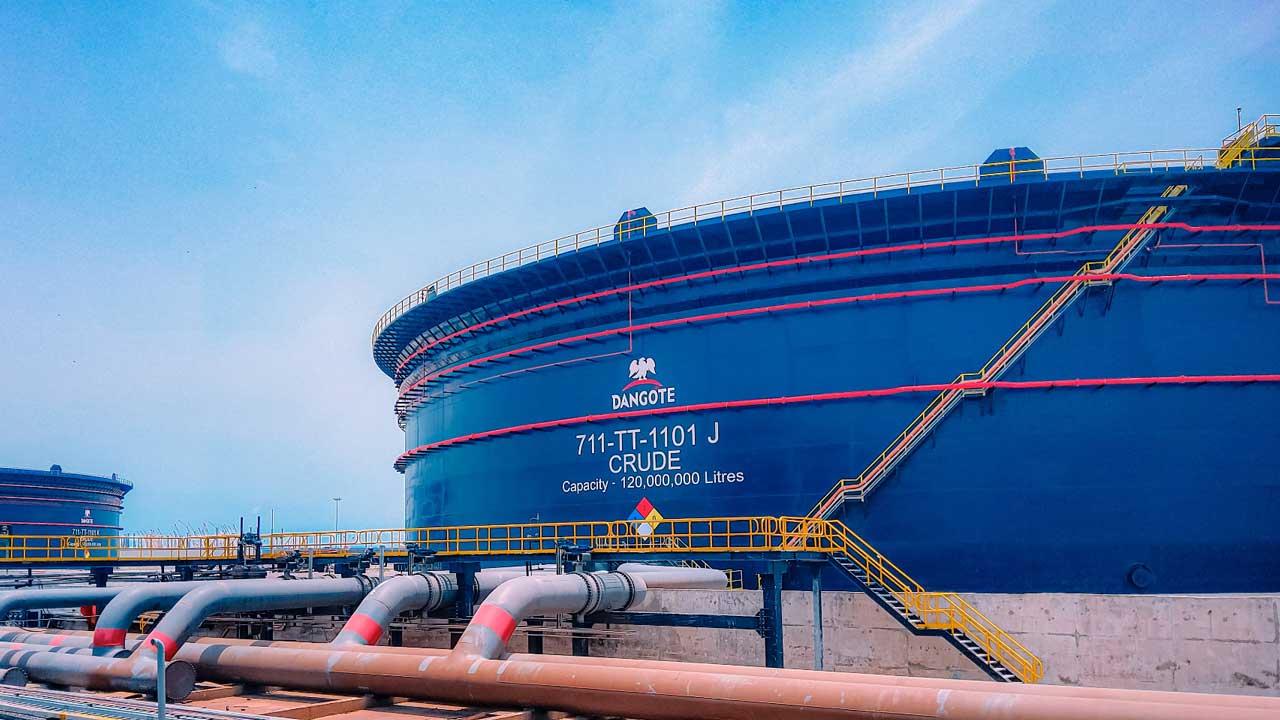
Dangote Group’s major refinery in East Africa needed deep-water berths…
Last year, trade between Angola and Italy was valued at US$400 million. Vice-president of the…
The commission also approved the Dairibord Zimbabwe/Tavistock Estates deal and the acquisition of 100 per cent shareholding in DSI Underground by Sandvik Holdings.
“The transaction was classified as a horizontal merger since the parties are competitors at the same level and in the same relevant market. Examination of the proposed acquisition by Sandvik of 100 per cent of the shares in DSI sought to establish whether the merger will be contrary to public interest through substantially lessening competition or creating a monopoly situation that will be contrary to public interest in the Zimbabwean market,” read the report on the acquisition.
According to CTC, Sandvik-the acquiring firm, is a public limited company incorporated in Sweden and is into high-tech and global engineering. In Zimbabwe, Sandvik operates through its subsidiary, Sandvik Mining and Construction Zimbabwe (Pty) Ltd (“Sandvik Zimbabwe”), and supplies drill rigs, underground trucks and loaders, aftermarket-parts, service and rock tools, crushers, consumables and surface drill rigs. Sandvik’s services and products relate to rock drilling, cutting, loading, hauling, tunnelling, quarrying, breaking and demolition.
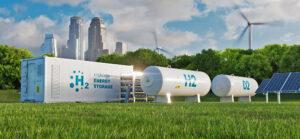
By 2030 alone, between 6,000 and 10,000 megawatts of dedicated renewable energy plants would need to be built to power 3,000 to 5,000 megawatts of electrolyzer capacity, according to figures shown in the presentation. Electrolyzers use electricity to make hydrogen from water.
Green hydrogen production technologies are seeing a renewed wave of interest. This is because the possible uses for hydrogen are expanding across multiple sectors, including power generation, manufacturing processes in industries such as steelmaking and cement production, fuel cells for electric vehicles, heavy transport such as shipping, green ammonia production for fertilizers, cleaning products, refrigeration, and electricity grid stabilization, according to the World Bank.
South Africa possesses exceptional conditions for the development of a competitive green hydrogen industry due to its geographical and institutional environments, giving it the potential to become a development pole at the national and regional levels.
Malaria takes its toll not only in lives lost, but also in medical costs, lost income, and reduced economic output. The annual direct and indirect costs of malaria in Africa are estimated to be more than US$2 billion, according to the WHO.
Partners in Sudan have re-committed to taking action to reduce the preventable impact of malaria on the population and ensure access to quality healthcare services for everyone in South Sudan.
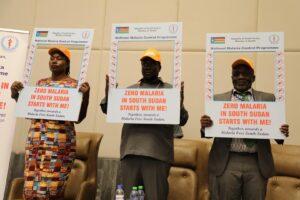
At the conclusion of the three-day event, Vice President of South Sudan Hussein Abdelbagi Akol Agany announced the launch of the “Zero Malaria in South Sudan Starts With Me” campaign to add his voice and commitment towards a Malaria Free South Sudan.
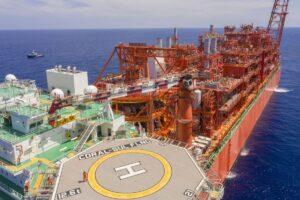
Eni, as delegated operator of the Coral South project on behalf of its Area 4 Partners (ExxonMobil, CNPC, GALP, KOGAS and ENH), confirmed that the first shipment of liquefied natural gas (LNG) produced from the Coral gas field, in the ultra-deep waters of the Rovuma Basin, departed from Coral Sul Floating Liquefied Natural Gas (FLNG) facility.
“The first shipment of LNG from Coral South project, and from Mozambique, is a new and significant step forward in Eni’s strategy to leverage gas as a source that can contribute in a significant way to Europe’s energy security, also through the increasing diversification of supplies, while also supporting a just and sustainable transition. We will continue to work with our partners to ensure timely valorisation of Mozambique’s vast gas resources,” commented Eni CEO Claudio Descalzi.
As part of its exploration activity offshore Mozambique, Eni discovered Coral South gas field in 2012 and took its final investment decision in 2017, pledging to start producing gas using a floating LNG plant after five years.
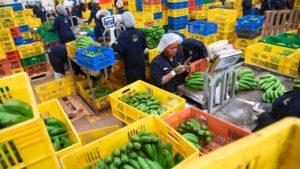
According to Twiga, the transition was made in full compliance with the labour laws. Every impacted employee receives one month’s pay notice, termination pay of 15 days for every year worked, and pay for all outstanding leave days. The impacted employees have also been granted the first right of refusal to transition to the new model.
The company had in October stopped its engagement with expatriates who were offering different services across various departments.
Twiga has also cut its staff per diem for the remaining staff from a high of Sh4, 000 to Sh1, 000 where accommodation has been provided on a single room bed and breakfast basis.
The firm also has limited employees’ travel allowances to those whose work necessitates them to travel for more than 75 per cent of the month.