
Trending
- African trade is growing despite the obstacles
- Why global capital is betting big on Africa’s digital promise
- Kenya posts stronger-than-expected Q1 growth at 5.3% on manufacturing rebound, tourism boom
- China’s new investment rules are about guardrails, not closed doors
- Zanzibar optimistic economic growth will hit 7.5% on tourism boom
- Kenya defies economic shocks to post record $22 billion in tax collections
- Forget South Africa: East Africa now rules in banking industry returns
- Lamu over Tanga: The commercial calculus that cost Tanzania $20bn refinery



Digital development is attracting new Foreign Direct Investment (FDI) to Africa. This as overall FDI into Africa is on the decline according to data…
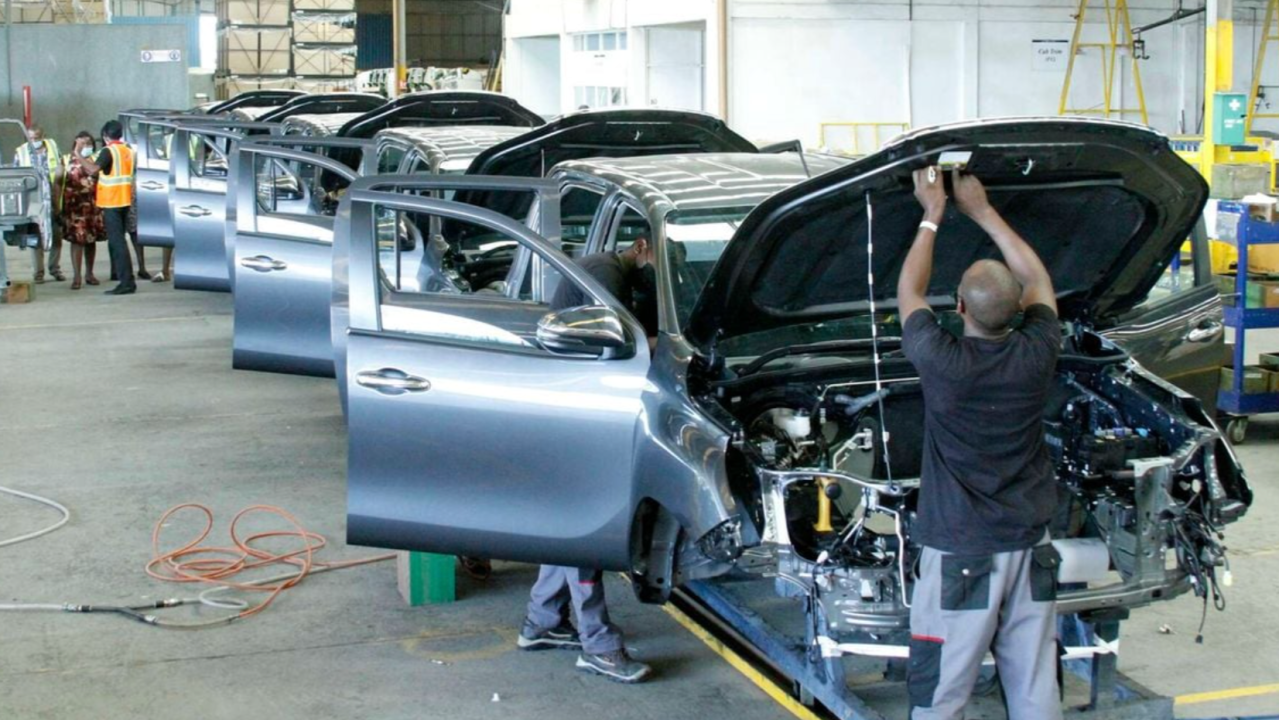
Kenya’s economy grows 5.3% in first quarter, powered by manufacturing…
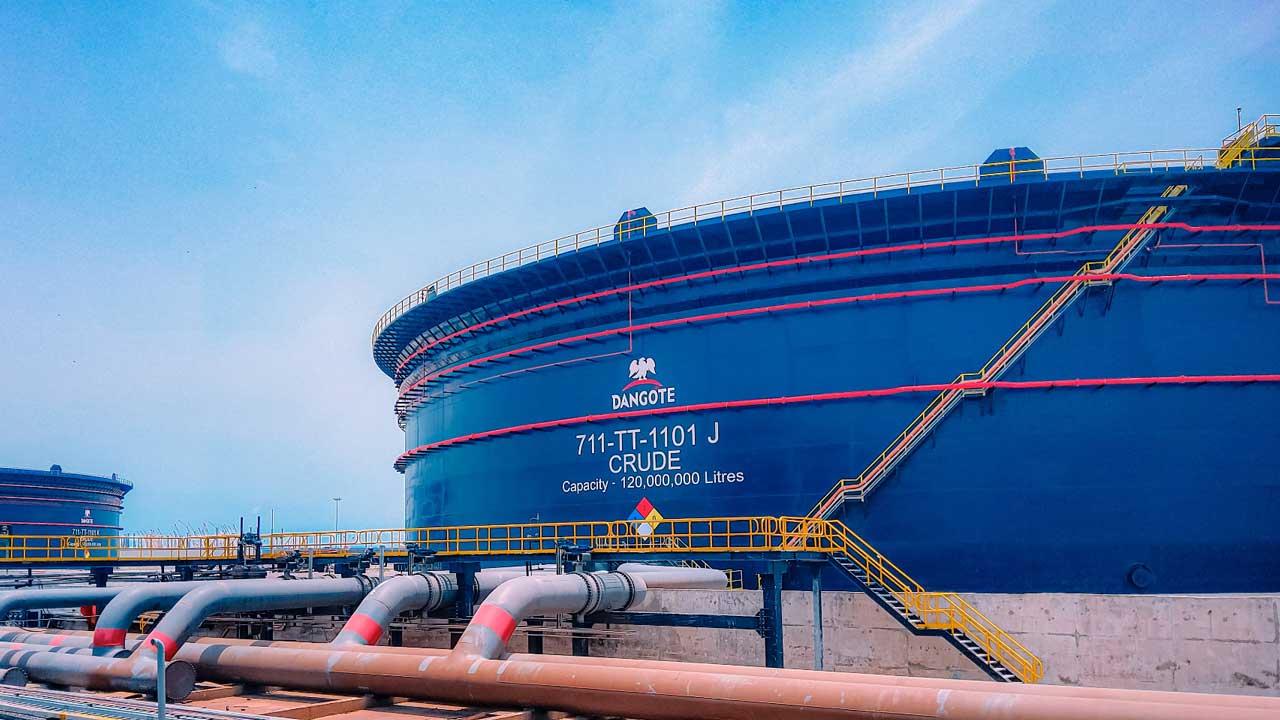
Dangote Group’s major refinery in East Africa needed deep-water berths…
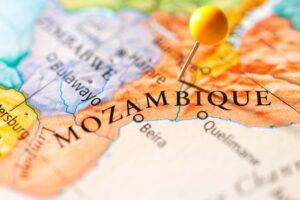
The support for the 2023-2028 period takes into account that Mozambique is indicated as at the same time one of the countries most vulnerable to climate change and one of the least developed.
Despite the riches of its subsoil, the initiative foresees studies for the production of green hydrogen in Mozambique, and the Belgian Development Agency will supply solar panels to remote areas without connection to the electricity grid.
The supply of potable water and irrigation solutions based on solar energy is also being planned, the statement adds.
Belgium will also support the implementation of a national programme for sustainable waste management, which includes the construction of recycling facilities in Nacala and Nampula, with additional support from the NAMA Facility, a multi-donor fund.
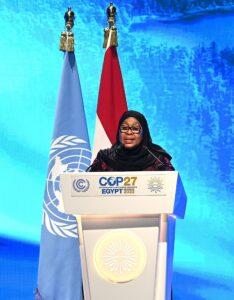
Tanzania is now executing several energy projects, including the East African Crude Pipe Line Project (EACOP), which brought several international attention fighting its realization.
The widely followed meeting is occurring in the continent for the fifth time and attracting thousands of participants engaging in serious conversations that might lead to the realization of climate targets.
The 27th meeting of parties calls for moving from negotiations (which occurred in COP26) and “planning for implementation” for all these promises and pledges made (United Nations -UN).
As Samia presents the ambitious deal on behalf of a dozen southern African nations – the pressure lies upon the developed economies to jump in and support the common cause.
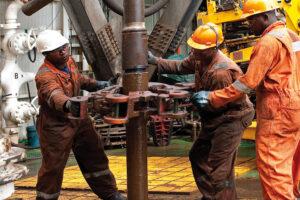
Senegal’s oil and gas discoveries account for only 0.07 per cent and 0.5 per cent, respectively, of world reserves.
But Senegal’s Petroleum and Energies Minister Sophie Gladima said, “they are important enough to radically change the economy and industrial fabric of our country and thereby its future prospects.”
“Just exploiting our hydrocarbons will enable us to accelerate public access to electricity and, above all, to lower the cost of production and encourage industrialisation.”
She further underlined the legal framework needed to bring thousands of Senegalese jobs into the sector and the setting up of the National Institute of Oil and Gas to turn out a highly qualified workforce.
Funny enough, Namibia, also admitted as a member, is not yet producing any oil. Namibia recently announced that it would consider joining the Organization of Petroleum Exporting Countries if the oil fields are found to be large enough for commercial development.
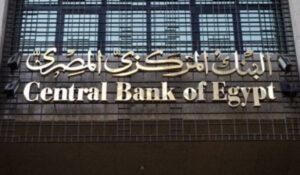
The CBE also announced in a statement that it will begin a process of phasing out Letters of credit (LCs) for import finance by December 2022.
Egyptian Prime Minister Mostafa Madbouly announced an exceptional bonus to public employees and pensioners of the state administrative apparatus and state-affiliated companies at a value of EGP 300 to meet the cost of living. The government also froze household electricity prices through June 2023.
The National bank of Egypt (NBE) issued new three-year-maturity saving certificates with an annual yield of 17.25 per cent.
Banque Misr also has raised the annual yield of the three-year saving certificates to 17.25 per cent.
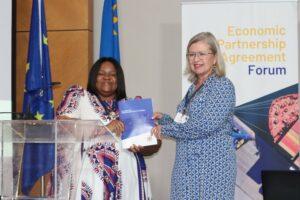
According to the statement, the Forum will have several interactive engagements and presentations focusing on opportunities for Namibian and EU traders, agriculture and agro-processing, manufacturing, and trade facilitation and logistics.
The ministry of trade serves as the coordinator for the plan’s initial goal, which is to provide improved coordination and cooperation across institutions and organizations addressing areas related to EPA implementation.
It is also concentrated on establishing and enhancing the performance of important institutions involved in EPA implementation.
Making a case for technical support to strengthen the necessary legal, institutional, and infrastructure frameworks for Namibia’s EPA implementation is the third point of emphasis.
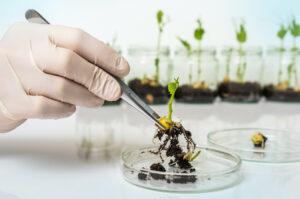
Another great example of biotechnology in agriculture is the development of biofuels. Biofuels are types of fuel that are produced from feedstock that includes wood fuel, charcoal, lumber pellets, crops, forestry residue, and industrial and municipal waste. Biofuels such as green diesel, biogas, biodiesel, and ethanol, offer cost effect and low-carbon-emitting approaches to making energy more accessible to decentralized and low-income populations.
With commitments from the Government of Tanzania and support by the Norwegian Embassy, the Tanzania Domestic Biogas Program has seen the implementation of over 12,000 biodigesters in the East African country.
In February 2022, the Mozambique’s Ministry of Agriculture and Rural Development and oil and gas supermajor, Eni, signed an agreement for the development of projects aimed at producing biofuels through agro-feedstock.