Trending
- African trade is growing despite the obstacles
- Why global capital is betting big on Africa’s digital promise
- Kenya posts stronger-than-expected Q1 growth at 5.3% on manufacturing rebound, tourism boom
- China’s new investment rules are about guardrails, not closed doors
- Zanzibar optimistic economic growth will hit 7.5% on tourism boom
- Kenya defies economic shocks to post record $22 billion in tax collections
- Forget South Africa: East Africa now rules in banking industry returns
- Lamu over Tanga: The commercial calculus that cost Tanzania $20bn refinery


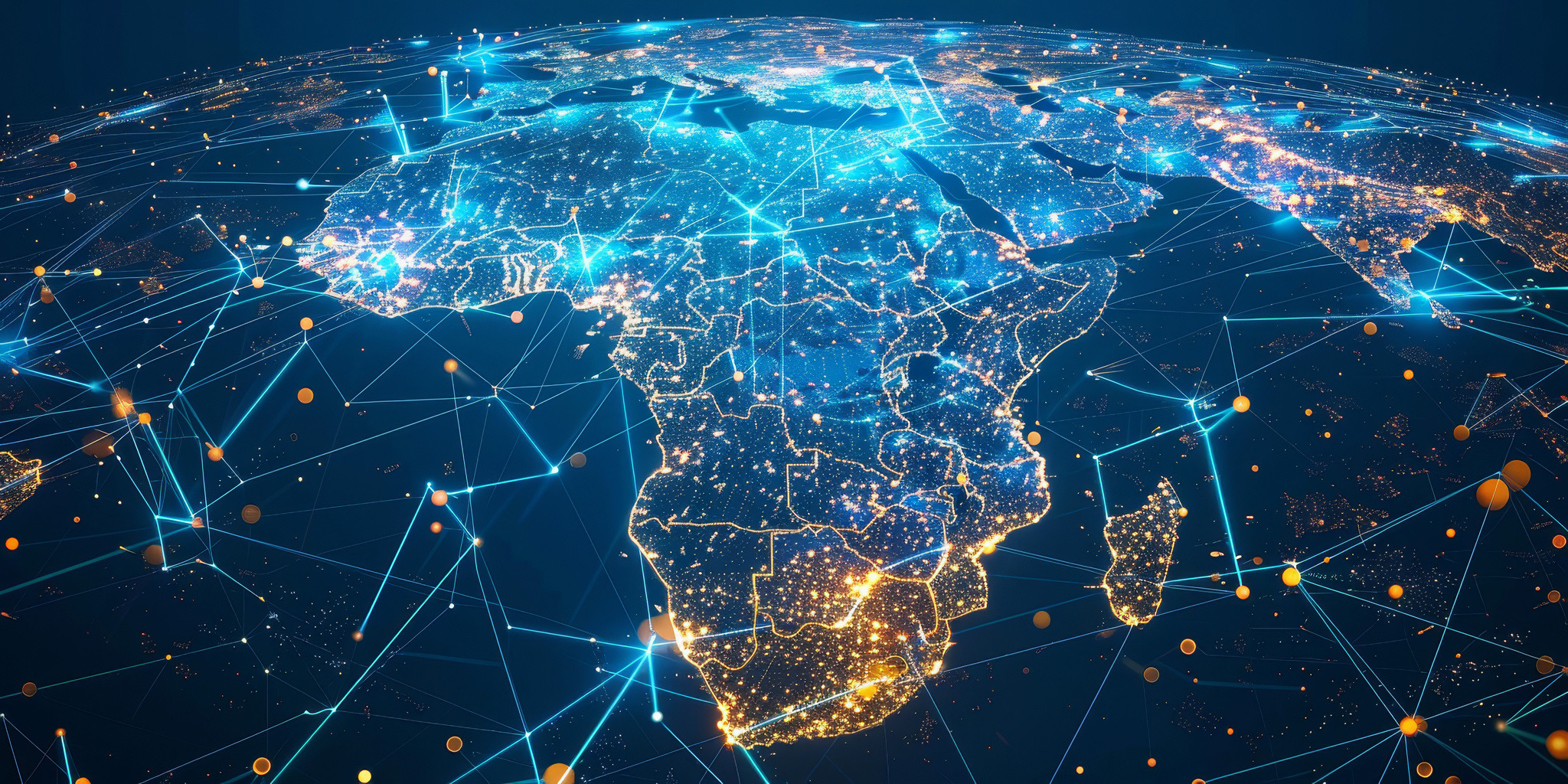
Digital development is attracting new Foreign Direct Investment (FDI) to Africa. This as overall FDI into Africa is on the decline according to data…
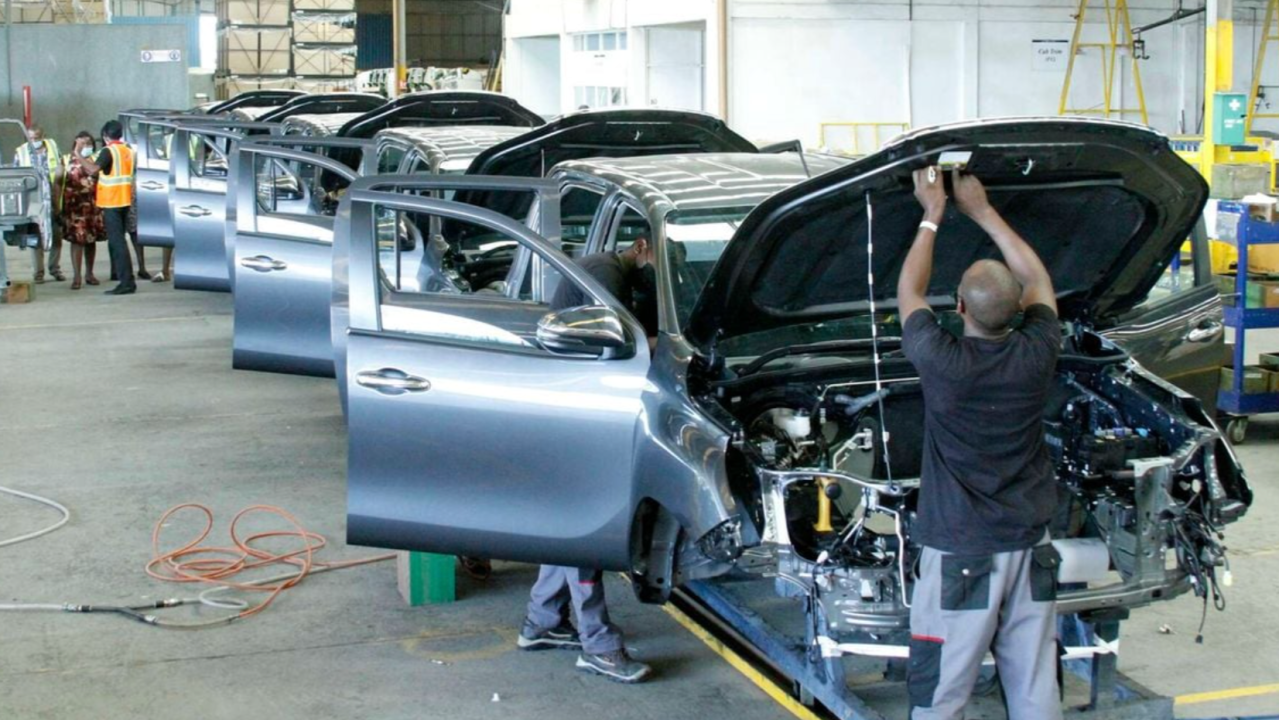
Kenya’s economy grows 5.3% in first quarter, powered by manufacturing…
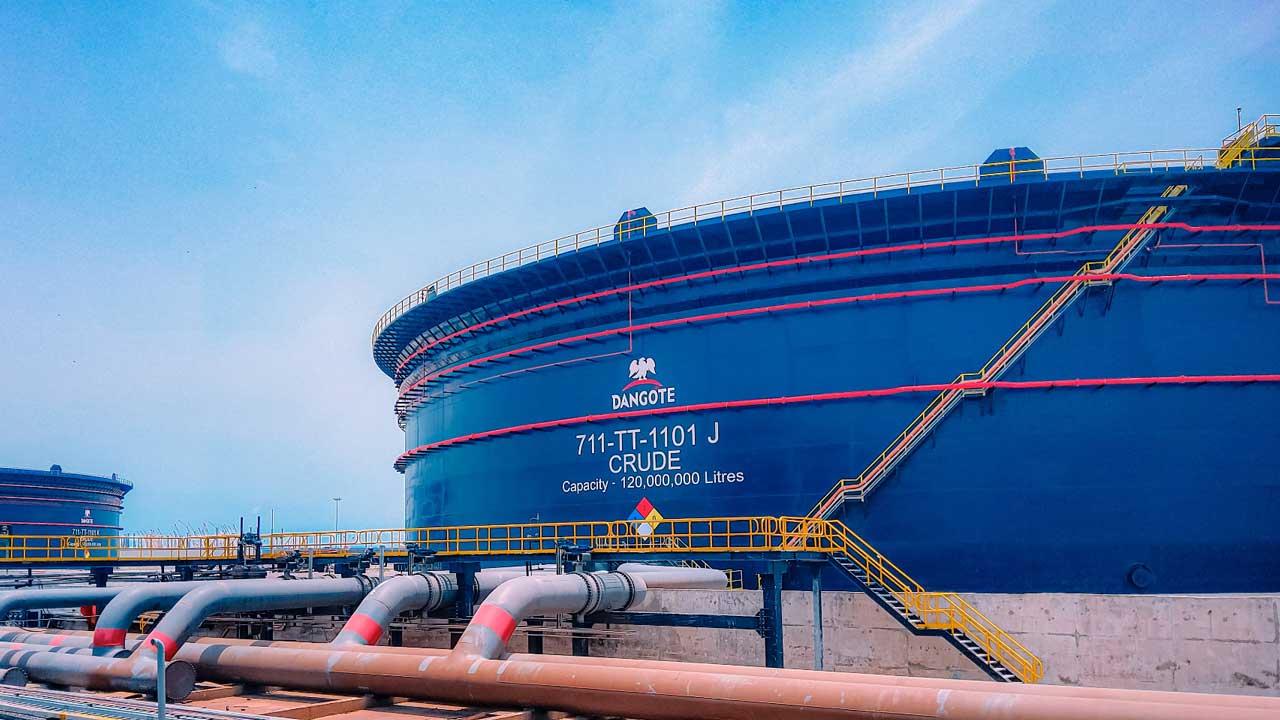
Dangote Group’s major refinery in East Africa needed deep-water berths…
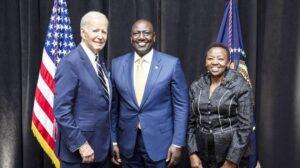
Activists and agriculture lobbyist have already protested the move by the government to lift the 10-year ban on GM foods. A joint statement signed by Greenpeace Africa and lobbyist groups argued that, “food security is not just about the amount of food, but the quality and safety. Our cultural and indigenous foods have proved to be safer, with diverse nutrients and with less harmful chemical inputs.”
Lobbyists insist that public participation could have taken place, prior to lifting the ban; and are championing for its reinstatement. Furthermore, they are advocating for an inclusive participatory process to be instituted or a taskforce onboarded, to investigate long-term and sustainable solutions to attain food security.
The move has elicited divergent views across the region. Tanzania is firmly opposed to the use of biotechnology in food production, and considering its proximity to Kenya, has upgraded its vigilance to ensure GM food or cash crops do not find their way into the country; as boldly stated by the country’s Agriculture minister Hussein Bashe.
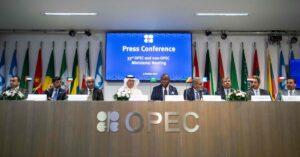
African countries will be largely impacted by the decision by the global cartel of oil producing countries to cut oil production given that only 14 out of 54 countries in Sub-Sahara Africa produce oil, which accounts for the lion’s share of their annual export earnings.
Many African countries have to import refined oil and rely on oil products in power generation. A hike in oil prices will boost economies of oil producing countries, by gaining foreign exchange earnings to carry out development projects such as Nigeria, Angola, Gabon, Libya, Cameroon, and Congo among others.
Consequently, this will create more job opportunities and greatly aid in poverty alleviation. In addition, the revenues could be redirected to other sectors that make significant contributions to the respective economies. By example, in countries like Cameroon, Gabon and Congo, internet infrastructure and technology could largely benefit from re-investing.
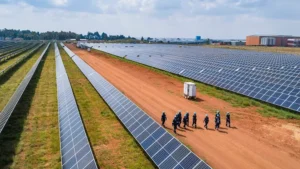
Heineken notes that this embedded grid-connected solar project incorporates single axis tracking technology that enables the panels to move with the rise and setting of the sun.
Single-axis tracking systems tilt on one axis, tracking the sun as it moves from east to west during the day.
A solar tracking system adjusts the position of a solar panel along an axis. This is done to ensure a small angle of incidence or the angle that sunlight hits a solar panel.
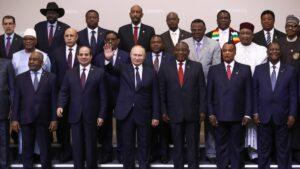
The crisis has thrown the energy market into chaos, sending fossil fuel prices soaring. This has birthed the global demand for thermal coal, especially from the Asian and European markets; with most countries in both regions having been dependent of Russia, as the country is the world’s third largest supplier of thermal coal used chiefly for power generation. Coal plants that had been scheduled for closure in Europe have been reopened, to fill the deficit in mitigating fuel costs and generating electricity; as the alternative gas, is inarguably more expensive. With energy security under threat, climate policies and commitments have taken a back seat. The EU recently declared that natural gas now qualifies for green investments.
The African coal market is projected to enjoy double its revenue for the next one year. The prevailing energy gap has created a window of opportunity for African coal producing nations. According to a report by Reuters, South Africa’s coal exports rose by 11 folds in the months following the war. Botswana has also projected growth in its coal market. The massive demand far outstrips the available supply, resulting into prices of thermal coal leaping to record levels. African countries with coal resources, have doubled profit margins, with the surge in demand from European buyers. Italy, France, Portugal and Spain have been sourcing from Nigeria, whilst Germany has sought Senegal for gas supplies.
The revenues gained from increased energy exports to Europe and other markets could be reinvested to boost agricultural productivity in Africa to mitigate reliance on Russia and Ukrainian wheat products. In addition, the surplus could boost the continent’s manufacturing sector, pertinently fertilizers to promote agricultural productivity which fuels most economies in Africa.

According to Tanzania Mortgage Refinance Company Ltd (TMRC), these products are competing with mortgage in terms of loan amount and to some extent tenor as they are offering consumer loans for the tenor of up to seven years amounting to around TZS 120 million, an amount enough to buy a housing unit.
However, a key element in the growth of the mortgage market in Tanzania continues to be the provision of long-term funding both in the forms of refinancing and pre-financing by the TMRC to facilitate PMLs matching their assets (mortgage) and liabilities (funding).
TMRC was established in 2010 under the Housing Finance Project (HFP) which was set up by the Ministry of Finance and Planning in collaboration with the World Bank and the Bank of Tanzania.
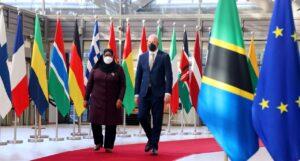
While the government of Tanzania has not listed specific projects that the Global Gateway grant will finance, the country already has several green initiatives underway and is leading the region in digital transformation.
The EU envisions that through the grant funding various solutions will be realized under five main banners; green transition, digital transition, accelerating sustainable growth and decent job creation, strengthening health systems and improving education and training
In this regard, the EU is of the view that tackling the global challenge of climate change, it must work with Africa to maximise the benefits of the green transition and minimise threats to the environment in full compliance with the Paris Agreement, as stated in the official EU statement.