
Trending
- African trade is growing despite the obstacles
- Why global capital is betting big on Africa’s digital promise
- Kenya posts stronger-than-expected Q1 growth at 5.3% on manufacturing rebound, tourism boom
- China’s new investment rules are about guardrails, not closed doors
- Zanzibar optimistic economic growth will hit 7.5% on tourism boom
- Kenya defies economic shocks to post record $22 billion in tax collections
- Forget South Africa: East Africa now rules in banking industry returns
- Lamu over Tanga: The commercial calculus that cost Tanzania $20bn refinery



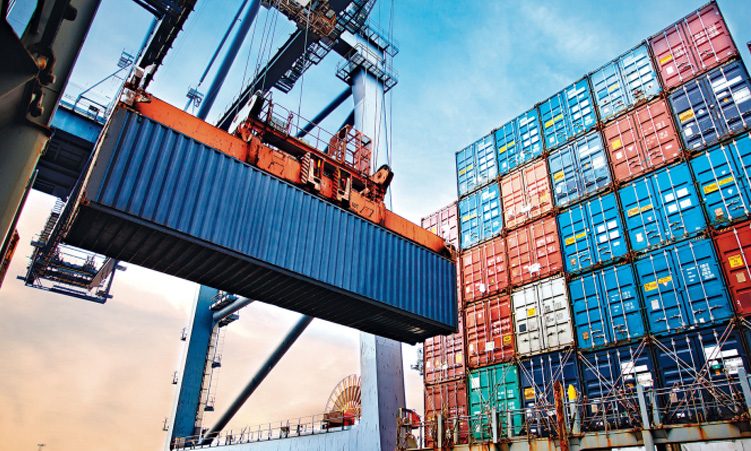
Digital development is attracting new Foreign Direct Investment (FDI) to Africa. This as overall FDI into Africa is on the decline according to data…
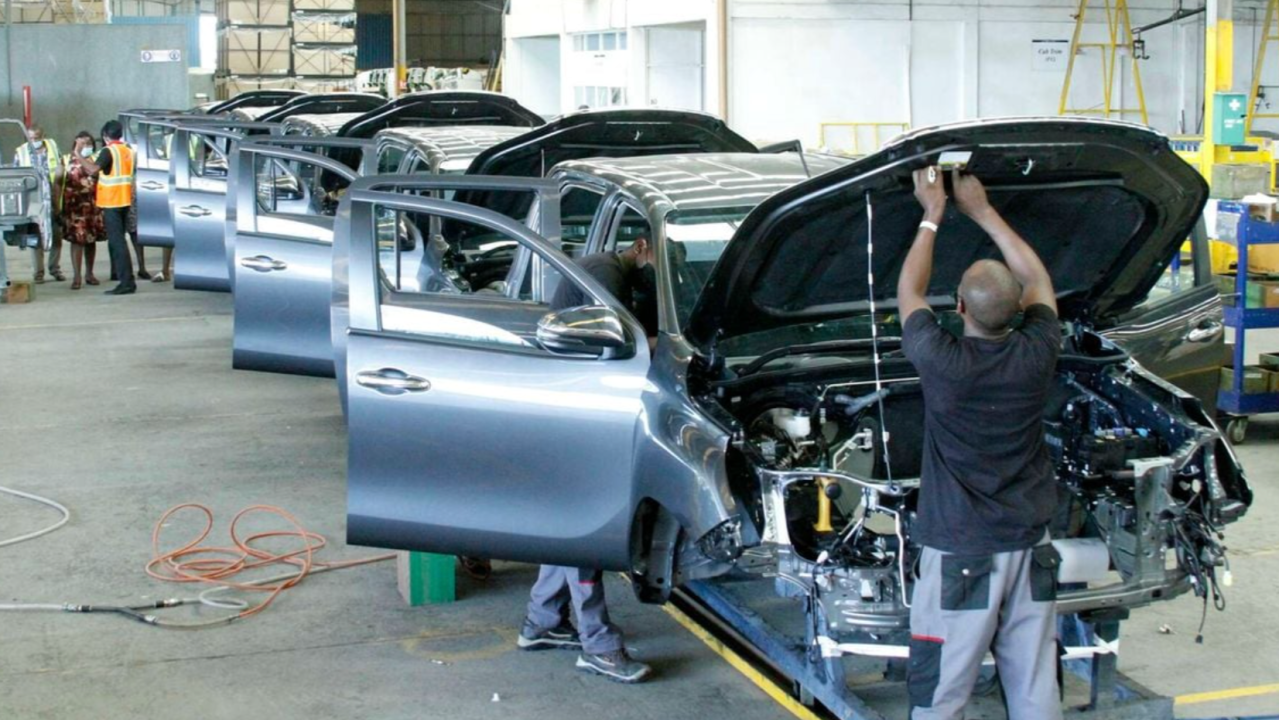
Kenya’s economy grows 5.3% in first quarter, powered by manufacturing…
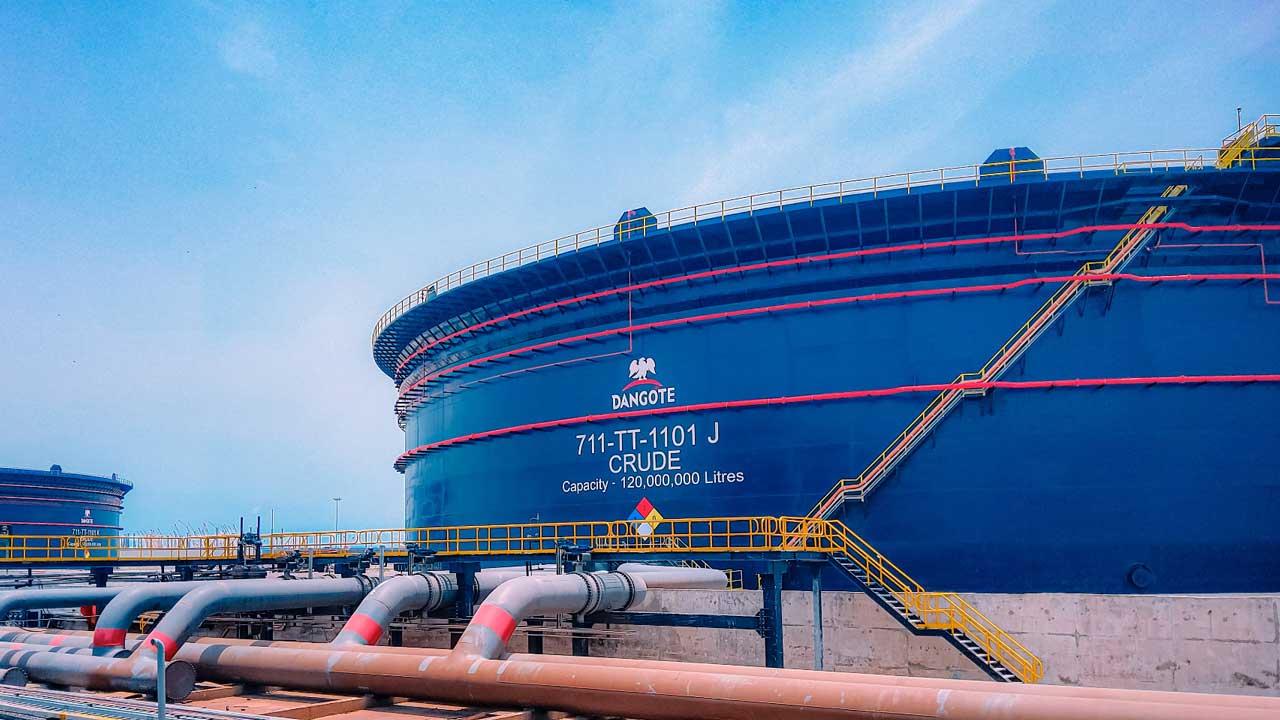
Dangote Group’s major refinery in East Africa needed deep-water berths…
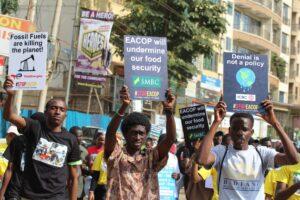
Both nations have the right to attain energy supremacy as it has been a long-time ambition. Despite that goal, environmental and climate-related concerns must be addressed if they are present.
The EACOP is one starting point that can catapult the region towards economic mastery and energy sufficiency. Tanzania, which is also banking on natural gas exploration and production, could learn a lot from EACOP complications now.
Despite the challenges, EACOP’s potential has managed to draw the attention of other financiers, and things are turning out well. The project has attracted US$300 million from alternative lenders as its proponents rush to save the project from pressure groups citing environmental concerns, according to a report by The Citizen.
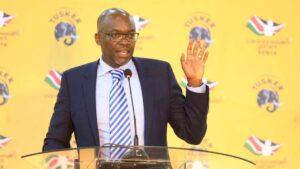
For the full year ended June 30, 2022, EABL reported EABL delivered its highest profit in five years of US$15.6 million, up 124 per cent.
EABL navigated rising inflation and increase in excise taxes through strategic pricing and effective cost management to post impressive figures.
Prior to his role at KBL, Musunga had a highly successful career at GSK working at senior levels in Eastern Africa, Southern Africa, and Europe.
Among other industry roles, he served as a Non-Executive Director for the Vision 2030 Board in Kenya, chaired the Kenya Association of Pharmaceuticals Industry and the Kenya HIV/AIDS Business Council.
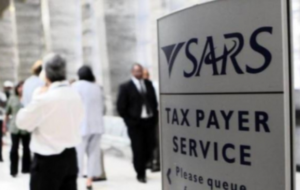
Delivering the Medium-Term Budget Policy Statement (MTBPS), the Minister increased the revenue collection estimate that SARS must collect to R1.682 trillion from R1.598 trillion.
SARS is central to tax revenue collections in the country and allows for adequate fiscal space to attend to social and investment spending priorities while keeping an eye on debt service costs. It provides about 90 per cent of all government revenue, which makes this increase in the revenue to be collected by SARS very significant.
The South African Revenue Service (SARS) has welcomed Finance Minister Enoch Godongwa’s emphasis on ensuring that government finances are spent in an equitable, efficient and flexible manner to support South Africa’s development objectives.

Why does this happen? Is it governance? Is it the CEO? Is it the CEO’s relationship with the Board of Directors? Or is it something else?
High CEO turnover may boil down to an individual problem, but before pointing too many fingers, organizations may want to turn inward and seek any possible problems occurring in the history of the role as well.
Now, let us look at Kenya’s top four CEO changes in 2022.
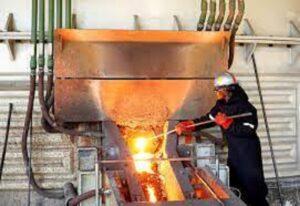
The government said several reasons have necessitated the new policy shift. The spike in mineral earnings ensures that there is revenue to support public expenditure while mineral reserves are also built to accumulate savings.
Zimbabwe’s President Emmerson Mnangagwa said a new policy that compels miners to pay half of their royalties in goods and half in cash will start from this month as the country attempts to make precious essence and mineral stashes for the first time.
The southern African nation will hold gold, diamonds, platinum and lithium reserves, Mnangagwa said in his daily column, published in the Sunday Mail review.
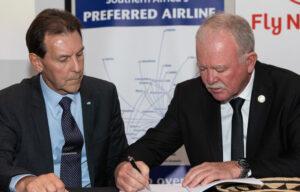
FlyNamibia will adopt Airlink’s “4Z” International Air Transport Association (IATA) designator for its ticket sales and scheduled flights under a commercial franchise agreement. Although it will continue to operate under its own commercial risk.
Namibia’s only scheduled carrier will retain its own corporate identity, brand, and aircraft livery.
According to an announcement made at a news conference in Windhoek on September 28, 2022. FlyNamibia’s inventory will be promoted on Airlink’s reservation system and through its international codeshare partnerships and the changes will come into effect as soon as practicable.
Airlink and FlyNamibia will also optimise their schedules to provide the most convenient connections between their respective flights and with long-haul intercontinental flights provided by Airlink’s other commercial partners, which include more than 20 of the world’s leading global airlines.