Trending
- African trade is growing despite the obstacles
- Why global capital is betting big on Africa’s digital promise
- Kenya posts stronger-than-expected Q1 growth at 5.3% on manufacturing rebound, tourism boom
- China’s new investment rules are about guardrails, not closed doors
- Zanzibar optimistic economic growth will hit 7.5% on tourism boom
- Kenya defies economic shocks to post record $22 billion in tax collections
- Forget South Africa: East Africa now rules in banking industry returns
- Lamu over Tanga: The commercial calculus that cost Tanzania $20bn refinery


Digital development is attracting new Foreign Direct Investment (FDI) to Africa. This as overall FDI into Africa is on the decline according to data…
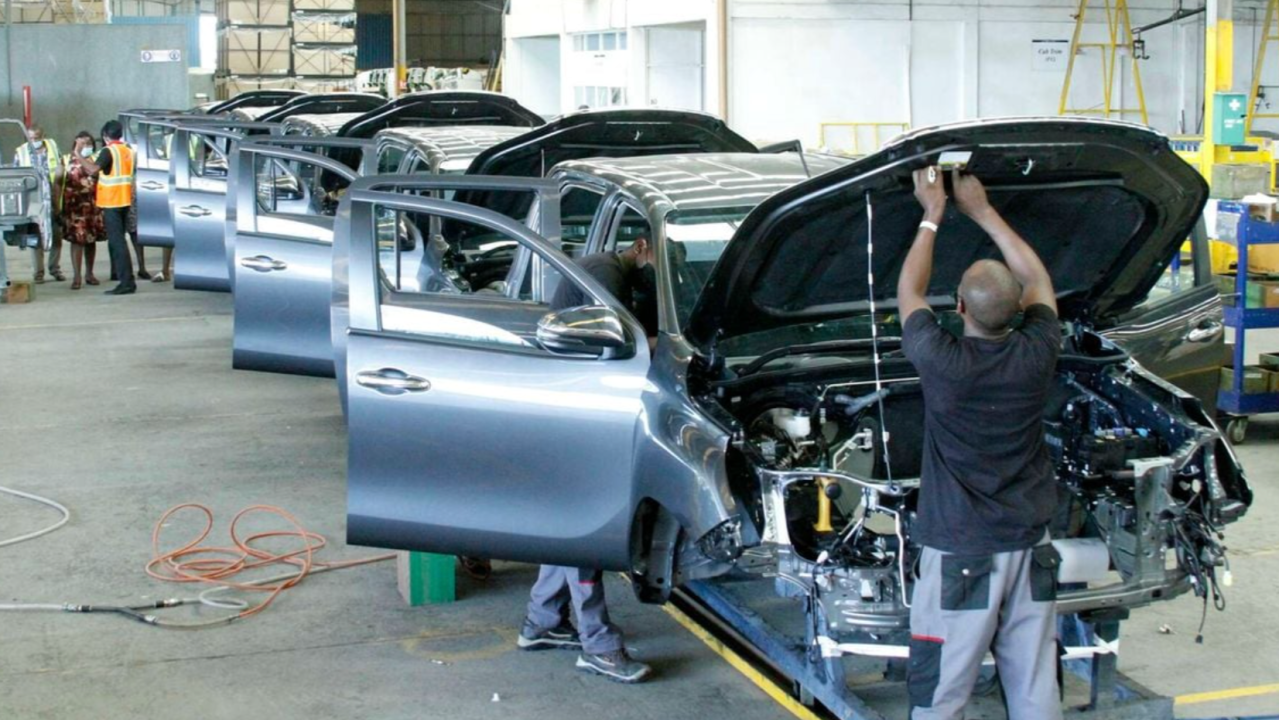
Kenya’s economy grows 5.3% in first quarter, powered by manufacturing…
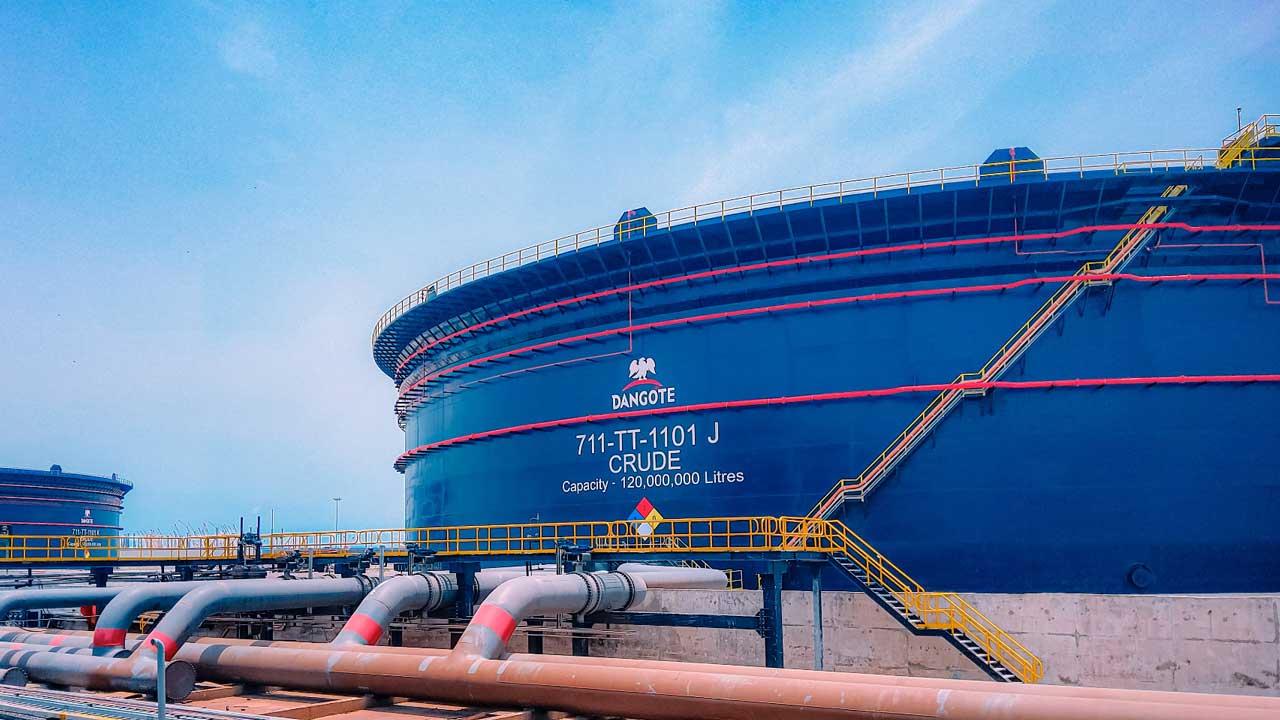
Dangote Group’s major refinery in East Africa needed deep-water berths…

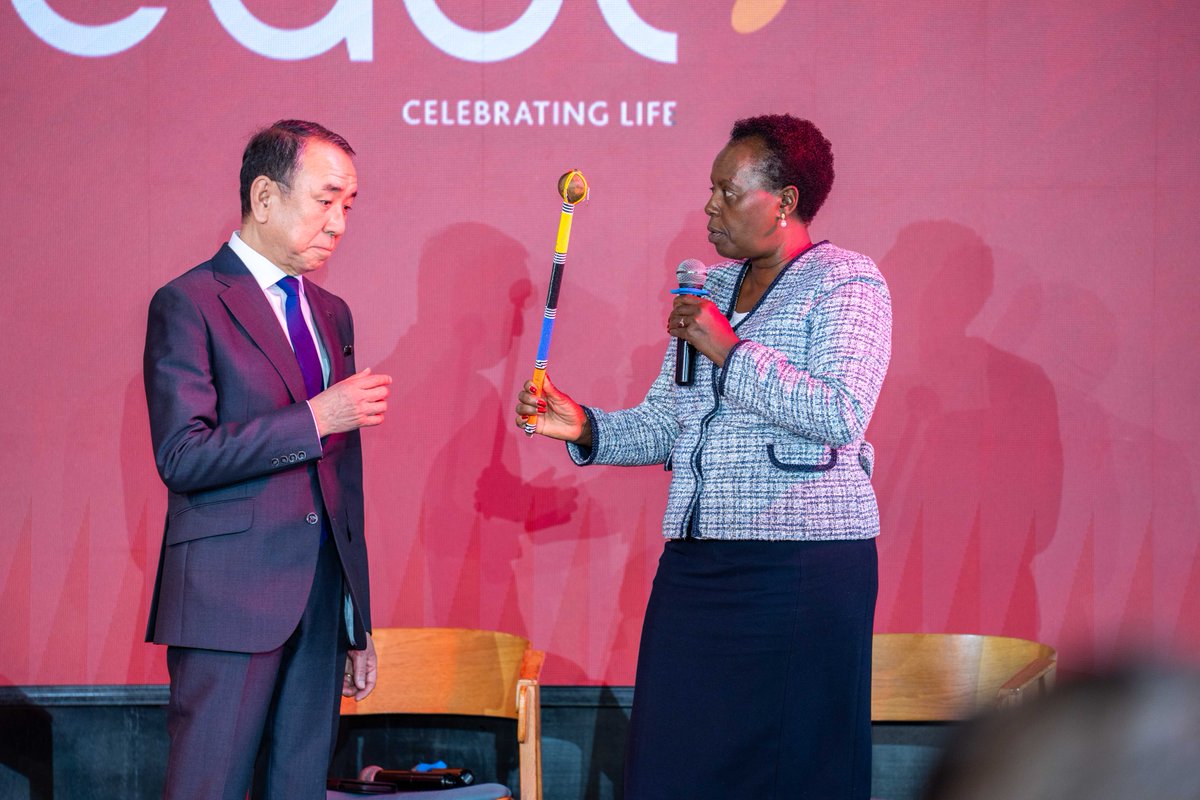

The World Cocoa Conference (WCC) was created back in 2012 by the International Cocoa Organization (ICCO) and was launched in Abidjan, Côte d’Ivoire.
According to the WCC organizers, “the event is held every two years to assess the status of the world cocoa economy, review current challenges and agree on measures to address these issues.”
This single event brings together the most diverse range of decision-makers and other stakeholders in the cocoa and chocolate value chain, from all over the world.
The WCC, provides a unique opportunity to deliberate the industry challenges and he new opportunities that are arising every year. The WCC is also a platform to collect vital industry information as well as for stakeholders to network.
African governments must consider strategies to optimise the effective use of imported oil. The optimisation will reduce net oil import proportions to minimise expenses. More generally, African nations must explore these strategies to minimise their reliance on oil as their only energy source.
Reducing oil consumption by shifting to renewable resources represents a long-term or short-term solution. In contrast, if Africa is to benefit or gain from the imminent possibility of an increase in oil prices, these few oil-producing nations must expand their crude oil production and refinery capacity.
Why is agriculture so important? The World Bank estimates that “Healthy, sustainable, and inclusive food systems are critical to achieving the world’s development goals. Agricultural development is one of the most powerful tools to end extreme poverty, boost shared prosperity, and feed a projected 9.7 billion people by 2050.
Growth in the agriculture sector is two to four times more effective in raising incomes among the poorest compared to other sectors. Agriculture is also crucial to economic growth: it accounts for 4% of global gross domestic product (GDP) and in some developing countries, it can account for more than 25% of GDP.”
Agriculture not only eliminates hunger, but its support and success will lead to the attainment of the world’s development goals, end poverty, and boost shared prosperity. CGAP, which published an article about “The Role of Financial Services in Reducing Hunger”, states that for the majority of the 1.4 billion of the world’s poor living on less than US$1.25 a day, agriculture is the main source of income and employment.
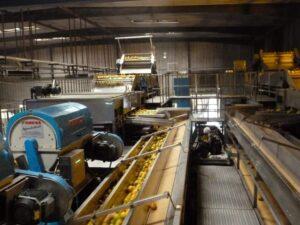
Ghana competes in the global economy primarily using natural resources. Other than the usual exports of cocoa, gold, lumber, and crude oil, Ghana has a competitive advantage in numerous product categories. Increasing the proportion of high-income commodities in the export basket hastens economic transition.
The opportunity is providing better, economically advantageous items to regional and worldwide markets. Cocoa processing, wood processing, aluminium products, palm oil, food and agro-processing, and fish processing are examples of manufacturing sub-sectors that fit these two requirements.
Manufacturing subsectors that capture considerable proportions of manufacturing value-added, such as food and drinks, chemicals, and textiles, have significant technology, knowledge, and skills inherent in them. These assets can be used to produce additional goods within the sub-sector or even outside of it. It is also easier to go up the value chain after you have mastered relevant technologies and markets.
It is important to take a clear view of the past to understand the complexities of the future. In this case, the trade relations issues of the past between Kenya and Tanzania showcase how these nations have much work to do.
In June 2022, Kenya pointed out that its trading partner—Tanzania doubled the cost of export permits by almost 93 per cent, which could spark another set of disputes with the Kenyan government.
This scenario impacted trucks transiting into Kenya with precious and expensive cargo—amid the new requirement demand. Hundreds of trucks were left stranded at the border.
In 2020, Tanzania brought another set of issues, arguing that its trade partner Kenya used zero-rated industrial sugar imports to produce various products. Hence, concerning this, Tanzania imposed a 25 per cent import duty on Kenyan confectionery, including chocolate, chewing gums, sweets, ice cream and juice.
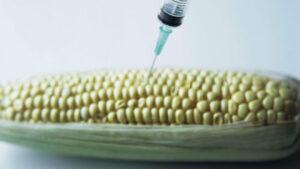
Certain GMOs have modifications that render them resistant to specific antibiotics. Theoretically, when people or animals eat these plants, their genes may be ingested. As a result, the individual or animal may also get resistant to antibiotics.
There have been worries that food DNA could damage the immune system ever since some food scientists discovered in 2009 that food DNA can survive as far as the gut.
Additionally, some people have expressed concern that consuming GMO food can alter human genetics. But whether a food is genetically modified or not, the majority of its DNA is either eliminated by cooking or degrades before it reaches the large intestine.