
Trending
- African trade is growing despite the obstacles
- Why global capital is betting big on Africa’s digital promise
- Kenya posts stronger-than-expected Q1 growth at 5.3% on manufacturing rebound, tourism boom
- China’s new investment rules are about guardrails, not closed doors
- Zanzibar optimistic economic growth will hit 7.5% on tourism boom
- Kenya defies economic shocks to post record $22 billion in tax collections
- Forget South Africa: East Africa now rules in banking industry returns
- Lamu over Tanga: The commercial calculus that cost Tanzania $20bn refinery



Digital development is attracting new Foreign Direct Investment (FDI) to Africa. This as overall FDI into Africa is on the decline according to data…

Kenya’s economy grows 5.3% in first quarter, powered by manufacturing…
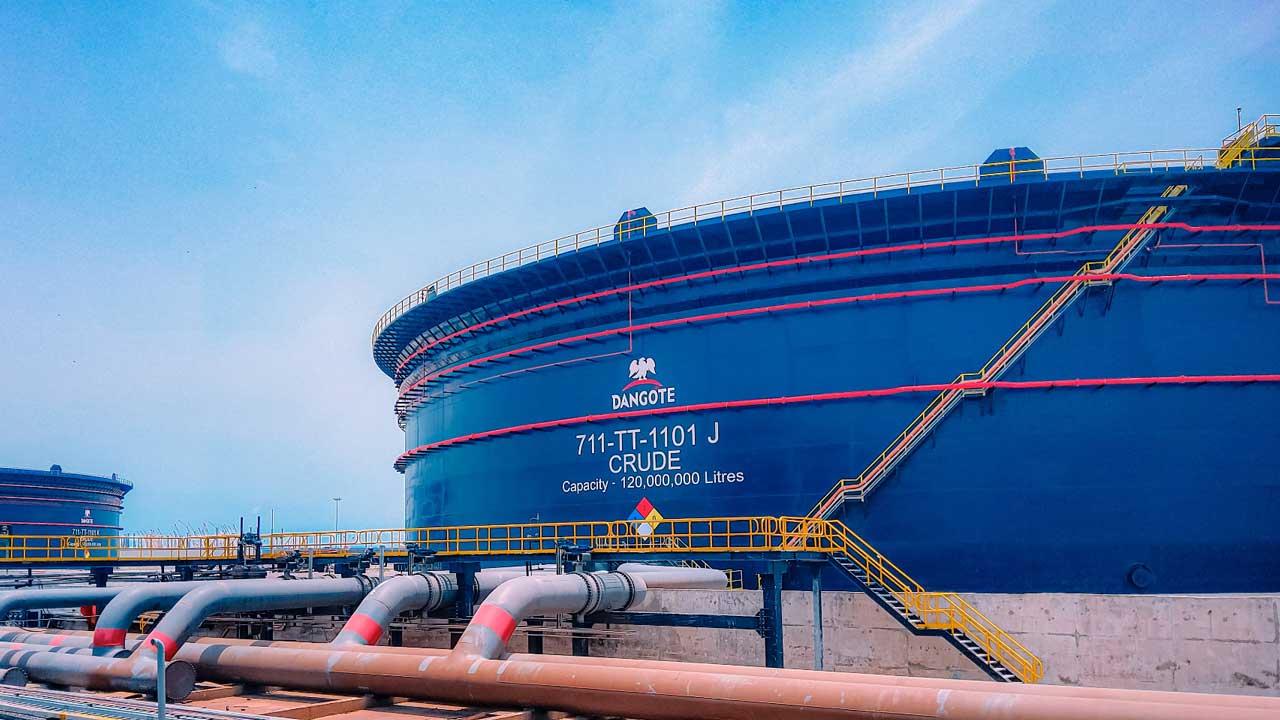
Dangote Group’s major refinery in East Africa needed deep-water berths…

Only last December, the OPEC (and partners) coalition agreed to chop oil output by 1.7 million bpd, and in turn, Saudi Arabia agreed to cut its output by 400,000 bpd. However, Moscow is now backing away from more cuts in production because reducing production would give breathing room to the already suffering US producers.
The US remains unmoved. It refuses to lower output despite the falling oil prices that have seen Washington suffer a minus US$4 in oil futures. Meanwhile, the Kremlin’s response has been to flood the market with even more oil output to push prices down.
While US oil producers have previously proved to be rather resilient to low prices, managing to counterbalance prices as low as US$30 per barrel in the past (see details below), they may not fare so well this time around.
The shale producers were already suffering over the last year as Moscow waged an outright oil price war on them, persistently flooding the market to keep prices down. Needing prices to stay at US$65 per barrel to at least break even, let alone sniff a profit, many US producers filed for bankruptcy.
Switching from coal to renewable energy is vital for South Africa to stabilize its power output and to create employment. The switch from coal to renewable energy is costly and many African nations are dragging their feet.
The situation is further exasperated by the fact that of recent years, many African nations have been discovering oil and many more are conducting explorations offshore. The potential of changing their economies from the sale of crude oil is far too promising to forgo.
This is a point that will be driven home at the upcoming COP27 in Egypt later this year. Africa will be looking to push the West to provide funding for the renewable energy transition. This time around, the South Africa deal stands as a concrete example that with sufficient funding, the transition is not only doable but plausible and strung with multifaceted benefits including employment.
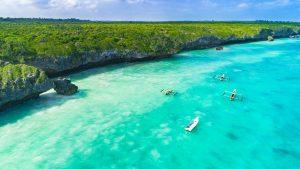
Government records show that tourist arrivals in Zanzibar slid down slightly to 42,443 visitors in January 2022 compared to a high of 49,868 visitors in January 2021 and 48,167 visitors in December 2021.
Notably, tourists from Europe continue to dominate the market as they account for 83.0 per cent of the total number of visitors who went to Zanzibar this past January 2022. Here are the percentages per country; Poland dominated the outcome, with a high of 15.4 per cent of all visitors that entered Zanzibar as of January 2022.
Despite the war back home, next in line to visit Zanzibar tourist attractions were tourists from Ukraine who accounted for 13.1 per cent of all tourists that went to Zanzibar as of January. Zanzibar tourist attractions are renowned in the world and attract thousands of tourists every year, however, there is need for increased investment in the sector and that is why events like the Z-Summit 2023 are very important.
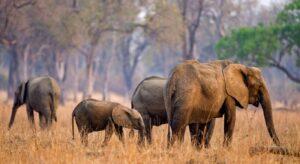
In a notice on Sunday, the Zambia Tourism Authority (ZTA) announced that there would be no VISA requirements for the United Kingdom, United States of America, Canada, Norway, Australia, China, South Korea, Gulf Estates and the European Union. This is with effect from October 1, 2022.
The Zambia Tourism Agency (formerly Zambia Tourism Board) was established in 2015 to market and promote Zambia as a travel destination of choice and to regulate the tourism industry.
Zambia is home to the world-famous Victoria Falls, vast wildlife resources, varied scenery, wilderness, diverse culture and national heritage, adventure activities and more.
The developments come on the back of the country’s approval of its Tourism Master Plan 2018 to 2038, a 20-year practical development strategy to enhance the economic contribution of the tourism sector to the southern African nation’s economy.
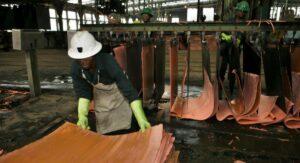
The fastest growing export markets for raw copper of Zambia between 2019 and 2020 were Singapore (US$325 million), Switzerland (US$119 million), and Namibia (US$105 million).
Lowering mining energy tariffs would further help to restore the competitiveness of Zambia’s copper exports, and Zambia’s Chamber of Mines has been arguing for this too.
The outcome of debt restructuring with international creditors and negotiations for a new IMF programme are likely to determine how quickly and confidently the government can move ahead with such reforms.
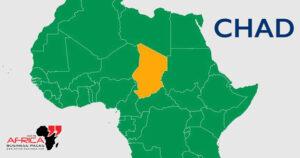
The major petroleum groups had long been reluctant to become involved in Chadian oil fields. The fields in the central/western and northern parts of the country were located in areas of chronic insecurity.
Then, an unprecedented arrangement was made. The World Bank agreed to finance using public funds. The pipeline would later allow the private operators Exxon, Chevron, and Petronas to transport their crude oil to the Cameroonian port of Kribi. This would enable shipping to European or American refineries, where the oil could be offered on the market at prices that the cost of the transport infrastructure would not burden.
Chad faces military challenges on most of its borders which should be factored as a risk. In the west, in the region of Lake Chad, the army has been fighting the Nigerian Islamist group Boko Haram since 2015. On the border with Sudan, Eastern Chad has seen conflicts between different ethnic groups. Northern Chad is also unstable, sparsely populated, and difficult to control. Several Chadian rebel groups have set up their base in neighbouring southern Libya. Despite these problems, Chad’s armed forces are considered by many analysts to be the most effective in the Sahel.