
Trending
- African trade is growing despite the obstacles
- Why global capital is betting big on Africa’s digital promise
- Kenya posts stronger-than-expected Q1 growth at 5.3% on manufacturing rebound, tourism boom
- China’s new investment rules are about guardrails, not closed doors
- Zanzibar optimistic economic growth will hit 7.5% on tourism boom
- Kenya defies economic shocks to post record $22 billion in tax collections
- Forget South Africa: East Africa now rules in banking industry returns
- Lamu over Tanga: The commercial calculus that cost Tanzania $20bn refinery



Digital development is attracting new Foreign Direct Investment (FDI) to Africa. This as overall FDI into Africa is on the decline according to data…
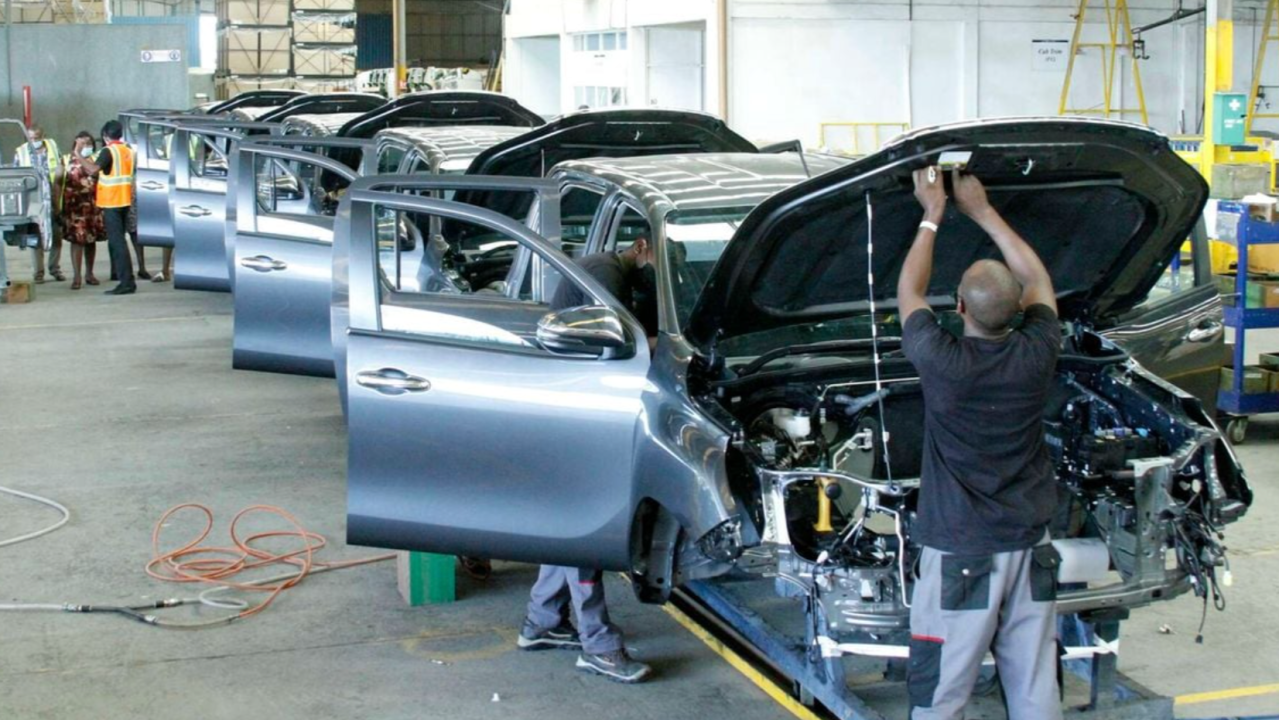
Kenya’s economy grows 5.3% in first quarter, powered by manufacturing…
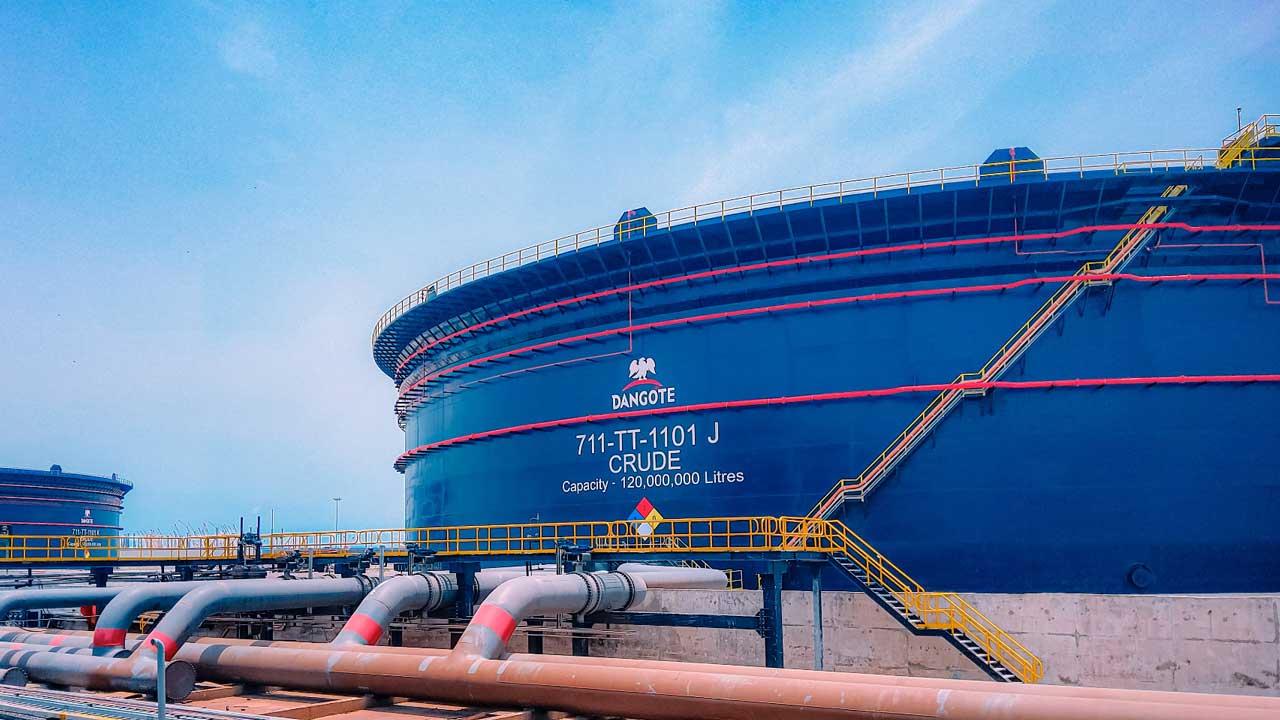
Dangote Group’s major refinery in East Africa needed deep-water berths…



Kenya has much of what it takes to become a globally competitive tourist destination. With its modern infrastructure, the country has the capacity to receive many more tourists. The favourable investment climate means any increase in demand would easily trigger new investments in accommodation, attractions, and tourist services.
Demand is, however, the most crucial factor here, and with the current visa regime, Kenya faces an unnecessary barrier that limits the growth potential of a key engine of the country’s economy.
An easing of visa policies could be implemented in a matter of days and would provide an immediate boost to Kenya’s tourism competitiveness. Bringing back visa-on-arrival would be a major improvement. Visa-free entry for citizens of the main source markets even more so.
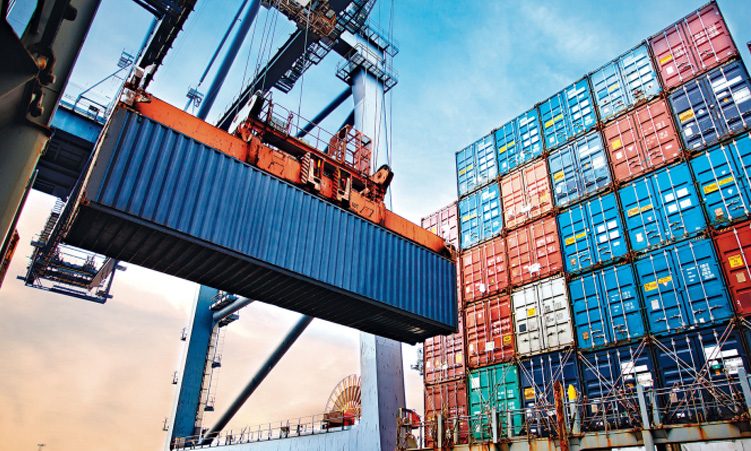
As a high-risk area, Kenya was paying billions to shipping lines for insurance of their goods.
But there is a break. The International Maritime Organisation (IMO) has removed the Indian Ocean from the list of High-Risk Areas (HRA) giving a major boost to trade for Kenya and the wider Eastern African region.
The decision was communicated during the 106th session of the Maritime Safety Committee at the International Maritime Organization in London. This is the UN agency responsible for the safety and security of shipping, by the Best Management Practice (BMP-5). It consists of the five largest global shipping industry associations.
BMP-5 looks to deter piracy and enhance maritime security in the Red Sea, Gulf of Aden, Indian Ocean and Arabian Sea.

Seasonal adjustment is a means of removing the estimated effects of normal seasonal variation from the series so that the effects of other influences on the series can be recognised more clearly. Seasonal adjustment does not aim to remove irregular or non-seasonal influences which may be present in any particular month. According to Stats SA, seasonally adjusted estimates are generated each month using the X-12-ARIMA Seasonal Adjustment Program developed by the United States Census Bureau.
Seasonally adjusted manufacturing production increased by a total of 1.9 per cent in the third quarter of 2022 compared with the second quarter of 2022. Seven of the ten manufacturing divisions recorded positive growth rates over this period.
The largest positive contributions were made by motor vehicles, parts and accessories and other transport equipment division which increased by 21.1 per cent. The food and beverages division increased by 4.0 per cent contributing 0.9 of a percentage point. The 3.7 per cent jump came from basic iron and steel, non-ferrous metal products, metal products and machinery division thereby contributing 0.8 of a percentage point.
The largest negative contribution was made by the petroleum, chemical products, rubber and plastic products division which decreased by 9.2 per cent and contributing negative 2.0 percentage points.

In the months of May to July, Ololung’a market in Narok County has always been…
Seasonally adjusted mining production increased by 2.2 per cent in the third quarter of 2022 compared with the second quarter of 2022. The largest positive contributors were gold with 9.6 per cent; diamonds with 20.4 per cent; coal 3.2 contributing per cent; and manganese ore with 10.2 per cent and contributing 0.7 of a percentage point according to Stats SA.
Mineral sales at current prices increased by 20.7 per cent year-on-year in September 2022. The largest positive contributors were: coal with 63.1 per cent and contributed 14.1 percentage points; gold contributed 122.4 per cent and contributed 10.0 percentage points; ‘other’ metallic minerals 164.0 per cent and contributed 3.1 percentage points; and manganese ore with 33.0 per cent and contributing 1.7 percentage points.
South Africa produces over 250 million tonnes of coal every year. It is estimated that almost 75 per cent of this coal is used domestically. Nearly 80 per cent of the energy needs of South Africa are taken care of by coal and over 90 per cent of the coal consumed on the entire African continent is produced in South Africa. The biggest coal deposits can be found in the Ecca deposits, a vein of the Karoo Supergroup in South Africa.
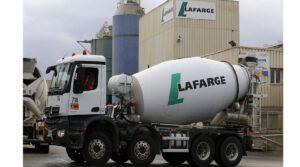
The company’s performance was mainly affected by several reasons, including the roof collapse in 2021 which halted production and resulted in low revenues.
Another factor is foreign currency exchange losses incurred on the related party borrowing of US $32 million and related party payables. As a result, the company has not been able to generate sufficient cash flows to settle short-term borrowings due to external parties. The decommissioning of cement mill 1 to make way for the commissioning phase of the VCM also adversely affected cement volumes.
Although the decline in revenue is partly attributed to the decommissioning one of the existing cement ball mills to make way for the installation of the new Vertical Cement Mill (VCM). The new VCM which is anticipated to be fully operational by Q4 2022 is expected to revive production and income.
If you are just wondering what a VCM is, cement mills are the milling machines used in cement plants to grind hard clinker into fine cement powders. Cement ball mill and vertical roller mill are two most widely used cement mills in today’s cement grinding plants.