
Trending
- 2026 is turning out as a defining year in geopolitics, but for whom?
- Bitcoin Surges 20%: How Crypto Holders Are Exploring Cloud Mining Income in 2026
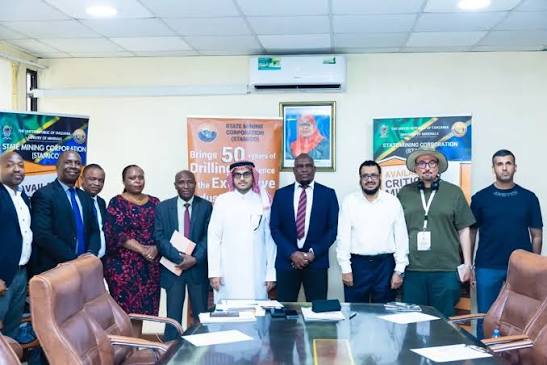
- Saudi Arabia and Tanzania pledge to deepen bilateral trade ties
- Tanzania rewrites its digital investment playbook
- Ethical sourcing boosting demand for Tanzania organic cotton
- DRC deploys 70,000 Ebola vaccine doses in high-stakes trial against deadly Bundibugyo strain
- Kenya’s private sector optimistic on growth despite inflation and geopolitical risks
- AfDB and Standard Bank ink $332 million social bond deal to fund South African SMEs



Bitcoin is back in the spotlight after one of its strongest rallies of 2026. BTC has climbed roughly 20% this week, briefly moving above…

Latest investment fund pool cover products from Britam Asset Managers Limited…
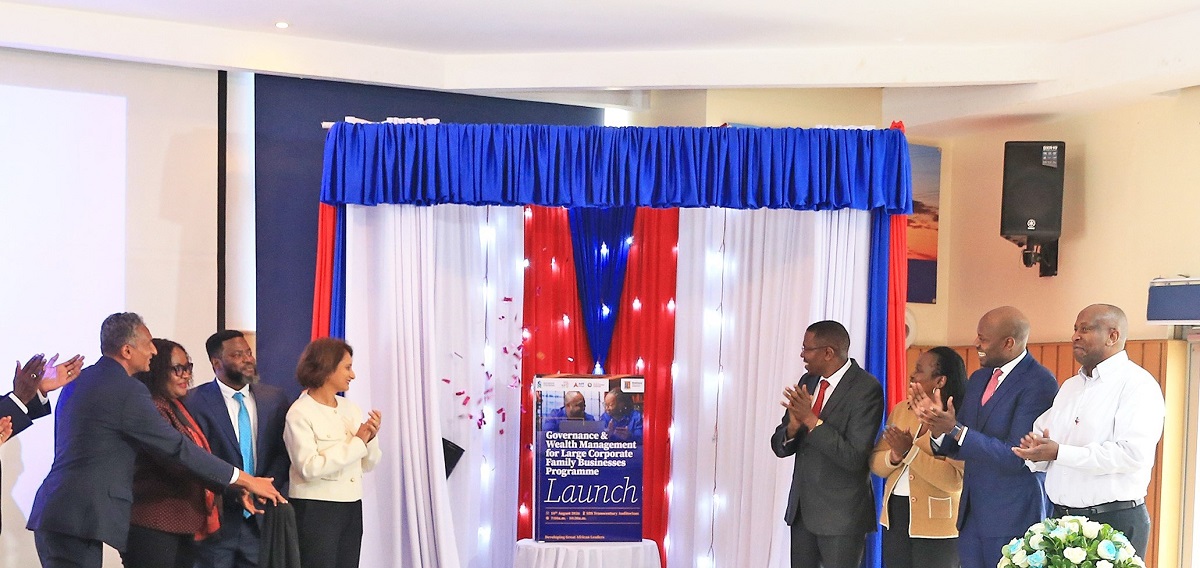
Family business, which constitutes the backbone of the continent’s enterprise…



Stock broker Morgan and Co to launch Made in Zimbabwe ETF on June 17, 2022…

Jambojet Jambojet and Pan-African payments company Cellulant have partnered to award customers over 600 discount…

Kenya’s Centum Investments has sold its entire equity stake in Sidian Bank Limited to Nigerian…

Interestingly if the US$9 million which the company said it lost from the statutory surrender requirement is added back to the top-line revenue, it will take the company’s revenues for the 2021 financial year to just above US$ 24 million which would be higher than what it achieved in 2020. This policy position which the company lamented needs revision by the authorities as it is inflicting real financial harm to companies that are Zimbabwe’s biggest exporters and earners of foreign exchange.
In the 2021 financial year, Padenga Holdings Limited incurred higher interest expenses at US$ 10,138,637 which was up from US$ 6,665,084.00 the previous year. The increase in this cost category was due to leverage and borrowings which Padenga employed in rehabilitating the Eureka gold mine which is now in full production and is also responsible for the increase in group revenues.
The company enjoyed increased production from its gold mining operations. The company sold a staggering 976 kilograms of gold which was higher than the 722 kilograms of gold sold in 2020. The increase in gold production came from the newly commissioned Eureka gold mine. From its crocodile operations, Padenga Holdings Limited sold a total of 55,341 skins which was less than the 72,244 skins it sold in 2020. The Zimbabwe crocodile operation sold 39,936 skins down from 43,254 skins that it sold in 2020.

The economy of Kenya will grow by 5.5 per cent in 2022 and 5.2 per…
A survey by Stanbic Bank shows Kenyan businesses registered a drop in activity in May…