
Trending
- 2026 is turning out as a defining year in geopolitics, but for whom?
- Bitcoin Surges 20%: How Crypto Holders Are Exploring Cloud Mining Income in 2026
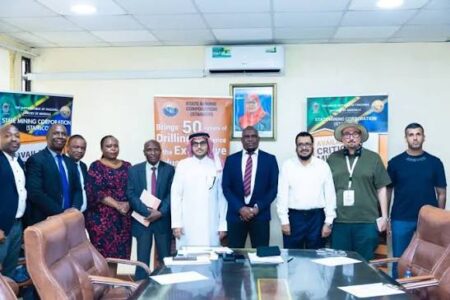
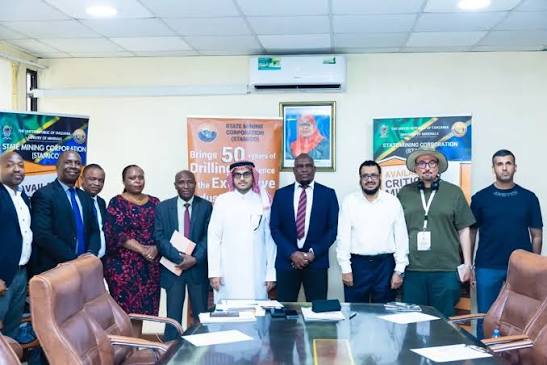
- Saudi Arabia and Tanzania pledge to deepen bilateral trade ties
- Tanzania rewrites its digital investment playbook
- Ethical sourcing boosting demand for Tanzania organic cotton
- DRC deploys 70,000 Ebola vaccine doses in high-stakes trial against deadly Bundibugyo strain
- Kenya’s private sector optimistic on growth despite inflation and geopolitical risks
- AfDB and Standard Bank ink $332 million social bond deal to fund South African SMEs



Bitcoin is back in the spotlight after one of its strongest rallies of 2026. BTC has climbed roughly 20% this week, briefly moving above…

Latest investment fund pool cover products from Britam Asset Managers Limited…
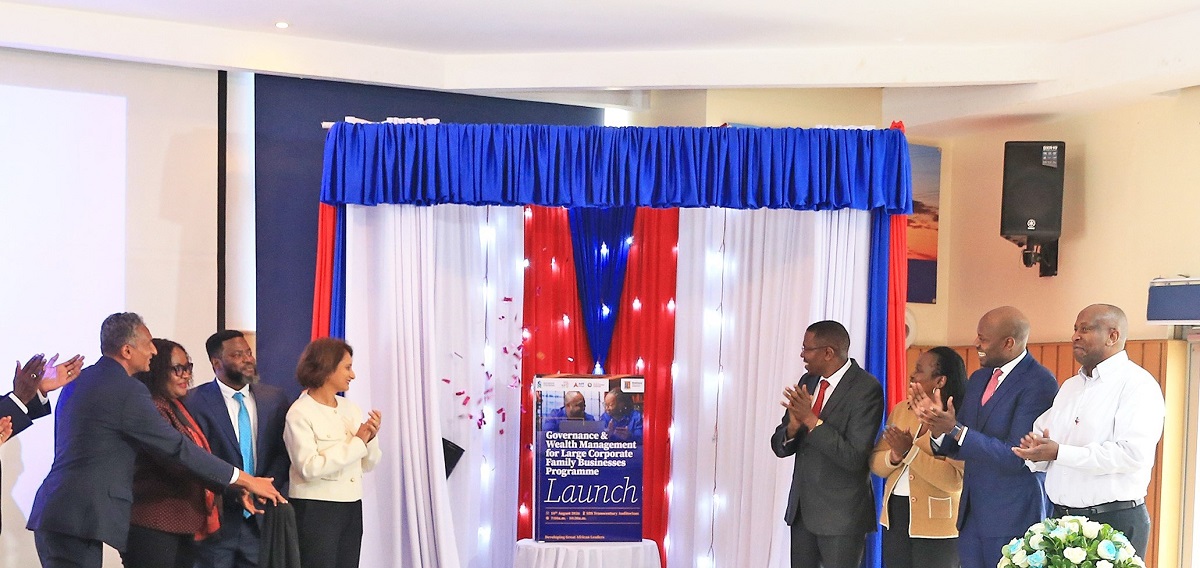
Family business, which constitutes the backbone of the continent’s enterprise…
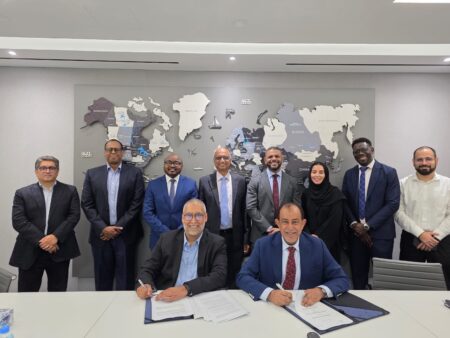
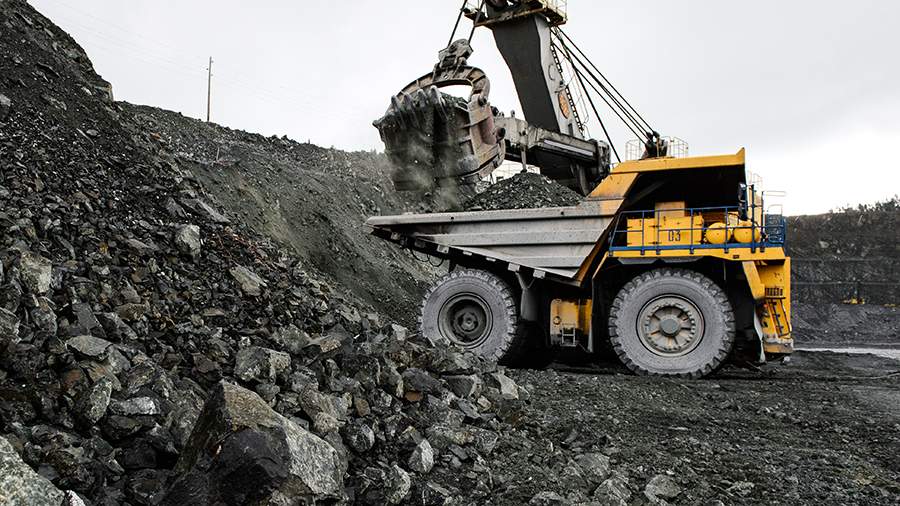
According to Deutschland, German companies long concentrated only on South Africa, but this is changing. Over the past eight years, the Association of German Chambers of Commerce and Industry (DIHK) has opened not less than five new branch offices. Apart from South Africa, top investment destinations include Nigeria, Ghana, Angola, Tanzania, and Mozambique.
Alongside their primary business, German companies are also involved in numerous initiatives to support the African economy and combat poverty. Germany’s Mechanical Engineering Industry Association (VDMA) has founded the “Skilled Workers for Africa” initiative in Botswana, Kenya, and Nigeria. Germany’s successful dual vocational training model serves as an example in Africa. At the same time, Germans benefit from collaboration with local partners, who enable them to access new markets. Local shareholders are essential in some countries.
To strengthen their cross-continental network and promote a value and interest-based exchange, Konrad-Adenauer-Stiftung (KAS) and the Hanns-Seidel-Stiftung (HSS) supported by the Africa CDU/CSU group in the German Bundestag, held a conference in May 2022.
The EU and Kenya bilateral relationship in 2022 continues to thrive with the regions currently…

The African Diaspora Network (ADN) has been instrumental in not only offering a platform for…
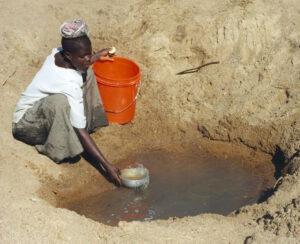
In the wake of the ongoing devastating drought that continues to ravage the Horn of…
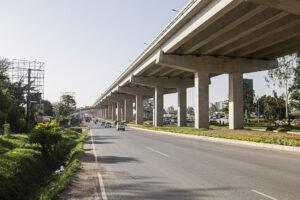
Most African countries lag behind the rest of the world in the coverage of key infrastructure classes including energy, road and rail transportation, together with water infrastructure. Development of Africa’s infrastructure has been met by colossal roadblocks, which have largely stemmed from the endemic systemic corruption that continues to ail the continent, making it one of the biggest hurdles to development. Consequently, this has made attracting foreign investment a nightmare.
This further affirms the description by McKinsey and Company that the continent faces an infrastructure paradox whereby Africa’s track record in moving projects to financial close is poor. Despite the high demand for projects, sufficient supply of capital and investors, coupled with voluminous potential projects there is insufficient investment in infrastructure projects within the region.
Presently, more than two-thirds of the global population without access to electricity is in Sub-Saharan Africa, which is an equivalence of 600 million people. For instance, in Mali, the average person uses less electricity in a year overall, than a Londoner uses to just power their tea kettle. In addition, with the population bulge, forecasts reveal that Africa’s demand for electricity will quadruple between 2010 and 2040.
Zimplats Holdings is highly profitable. The Australian Stock Exchange (ASX) listed company boasts a market…