

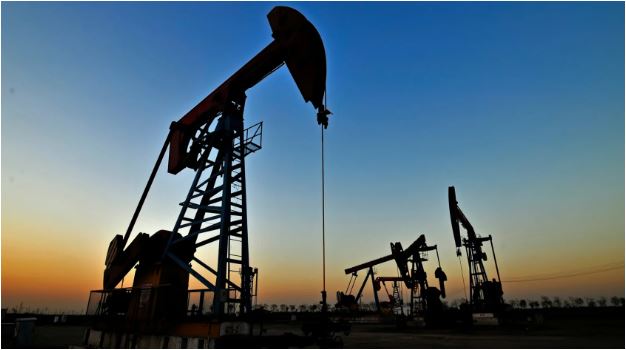
The contracts were a long time coming. In June 2026, Libya’s National Oil Corporation signed…
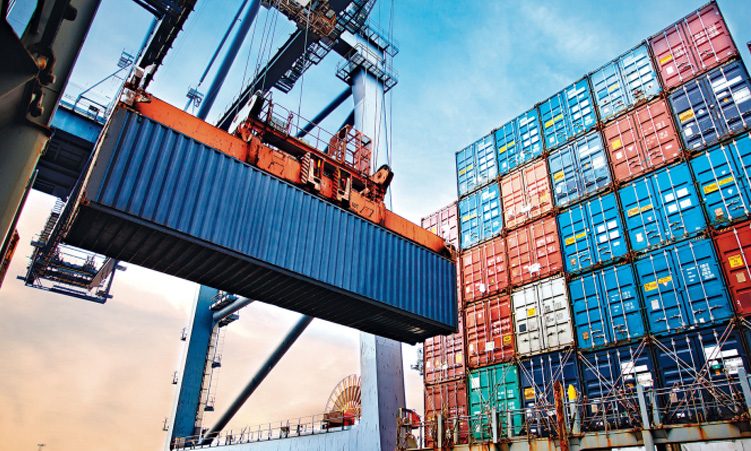
Businesses are expanding across borders, new trade corridors are emerging, and regional ambition remains strong,…


The contracts were a long time coming. In June 2026, Libya’s National Oil Corporation signed…
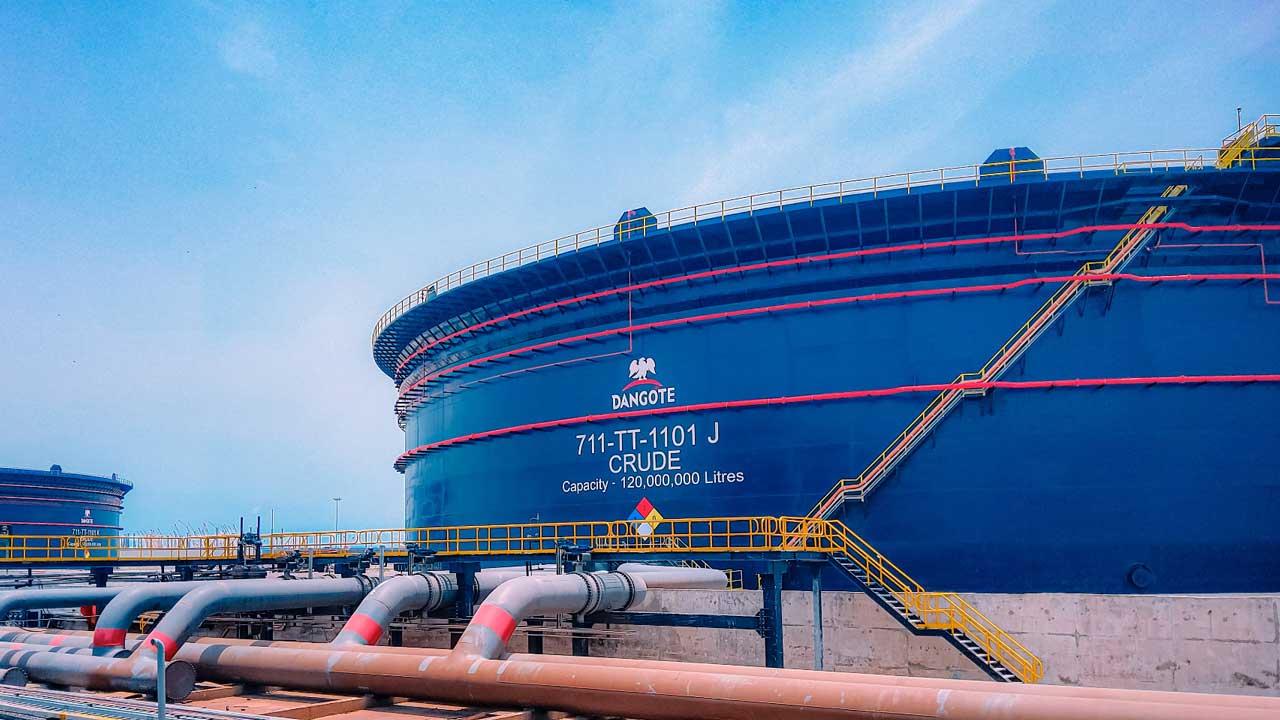
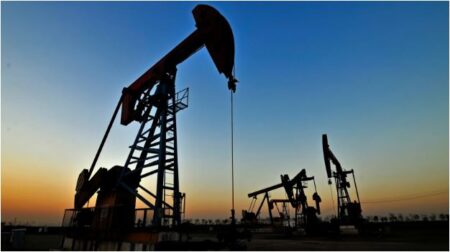
The contracts were a long time coming. In June 2026, Libya’s National Oil Corporation signed production-sharing agreements on three exploration blocks, the culmination of a licensing round that had put 22 blocks on offer. The signatories included Eni, QatarEnergy, Repsol, Hungary’s MOL, and Turkey’s state-owned…








The contracts were a long time coming. In June 2026, Libya’s National…
Featured
Kenya-DRC and Tanzania-DRC Corridors have been identified as the key links that…




Industry & Trade
Zhu Ruowan, the Editor, CGTN Global Business, argues that China’s new investment…

The contracts were a long time coming. In June 2026, Libya’s National Oil Corporation signed production-sharing agreements on three exploration blocks, the culmination of…









Editor's Picks
Looks like Kenya is in for a tough run in the coming financial year or maybe even for a longer span. Kenya needs to borrow to meet its budgetary needs. The International Monetary Fund (IMF) is willing to lend but wants structural and governance reforms for Kenyan state-owned enterprises. How did Kenya get into this tough spot? Officials blame it on Covid-19 and the global slowed-down economy that resulted from the pandemic. Granted, economies took a hit from the pandemic but despite that fact in mind, reason still begs to understand what of the IMF loans that were issued specifically to help countries muzzle down the negative effects of the pandemic?
Notably, at the onset of the pandemic in March 2020, Kenya received a whopping $739 million loan from the IMF. The money was specifically meant to help cushion the Kenyan economy from the adverse effects of the Covid-19 pandemic. Now the IMF says Kenya is being lax.



Industry & trade

Digital development is attracting new Foreign Direct Investment (FDI) to Africa. This…
Money Deals

Paris-based Kulipa’s seed round co-led by Flourish Ventures and 1kx will expand…
Investing
Businesses are expanding across borders, new trade corridors are emerging, and regional…