
Trending
- VALR sets sights on East Africa as blockchain moves deeper into Africa’s financial system
- The cost of the data gap: Why Kenya’s lenders can’t afford to miss the full picture
- Tanzania takes EAC labour migration helm as regional rules face overhaul
- 2026 is turning out as a defining year in geopolitics, but for whom?
- Saudi Arabia and Tanzania pledge to deepen bilateral trade ties
- Tanzania rewrites its digital investment playbook
- Ethical sourcing boosting demand for Tanzania organic cotton
- DRC deploys 70,000 Ebola vaccine doses in high-stakes trial against deadly Bundibugyo strain


Browsing: Total
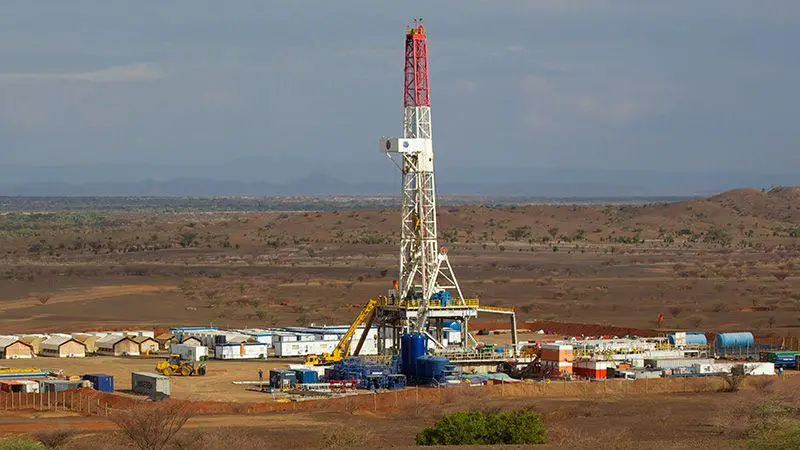
Tullow’s 2023 operating revenue surpasses expectations with strengthened Group financial position through a cut in debt. British firm has secured…
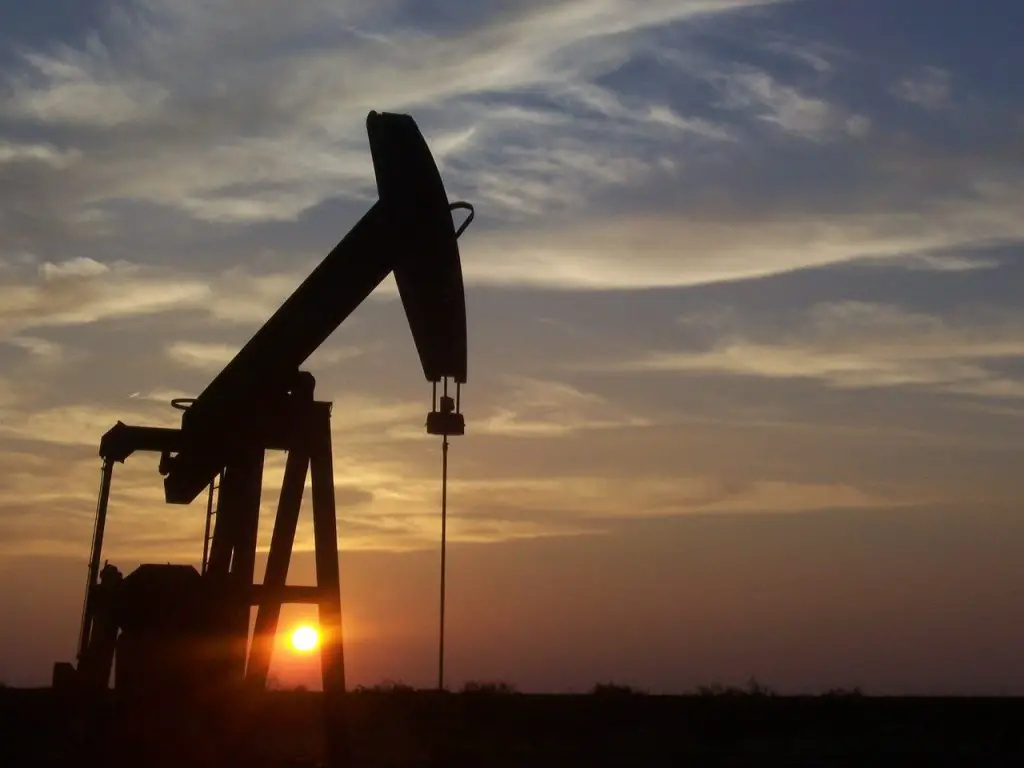
The EACOP is a 1,443km pipeline that is been constructed at a value of 3.5 Billion USD. These funds are been directly injected into the economies of Uganda and Tanzania effectively increasing their FDI by over 60 % during the construction phase alone.
The magnanimous project is been constructed and operated through a shareholding approach among several stakeholders including the government of Uganda through the Uganda National Oil Company (UNOC), the government of Tanzania through the Tanzanian Petroleum Development Corporation (TPDC), France’s Totalenergies and China’s CNOOC.
It is expected that through the East African Crude Oil Pipeline, the region’s East Africa’s oil potential. It will effectively attract investors and companies to explore the region’s oil potential. Further still, as new infrastructure projects commence in line with the pipeline, it will greatly contribute to the enhancement of the central corridor between Uganda and Tanzania.
As would be expected, Total rebutted the claims. Its first move was to make public the related project social and environmental studies and issue a statement in which it pledged transparency.
The company admits that; “The projects for the development of the oil and gas resources of the Lake Albert region and the cross-border pipeline are situated in a sensitive social and environmental context that requires special measures for the environment and the rights of the local communities.”
In a follow-up statement, the investors maintained that; “All the partners are committed to implementing these projects in an exemplary manner and taking into highest consideration the biodiversity and environmental stakes as well as the local communities’ rights and within the stringent environmental and social performance standards of the International Finance Corporation.”
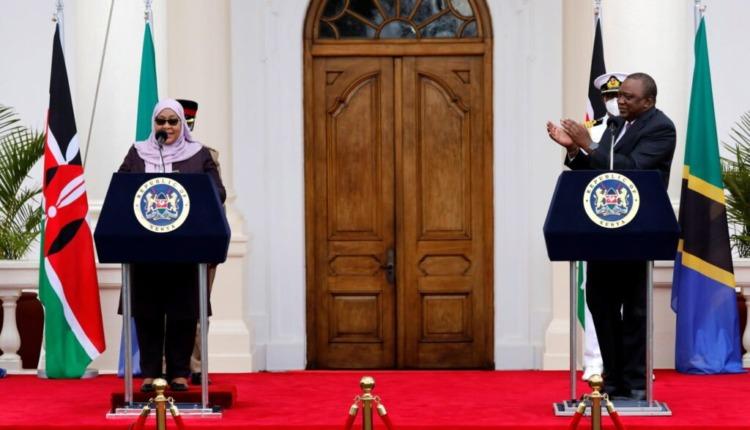
Within her first two months in the executive office. With Uganda, President Samia Suluhu Hassan and counterpart Yoweri Museveni inked…

It is a sad day for Africa and Mozambique as Total SE the French energy company seal its $20 billion…
Mozambique—another African country endowed with plenty of natural gas reserves holding 100 trillion cubic feet (Tcf), has suffered another blow…
The oil and gas industry in Africa is yet another profitable sector that can transform the energy and revenue generation of gas-endowed nations and contribute greatly to their economic development.
According to the global network firm PriceWaterhouseCoopers (PwC), by the end of 2017, Africa had nearly 487.8 trillion cubic feet (Tcf) of proven gas reserves, comprising 7.1 per cent of global proven reserves.
Oil and gas projects are very complex due to a variety of challenges that need to be overcome. Risk management…

The government of Uganda made a deal with Total that will guide the involvement of Uganda National Oil Company (UNOC)…
As the Mozambique LNG plant nears US$15B finance – making it the biggest private investment in Africa – two main…