

Trending
- VALR sets sights on East Africa as blockchain moves deeper into Africa’s financial system
- The cost of the data gap: Why Kenya’s lenders can’t afford to miss the full picture
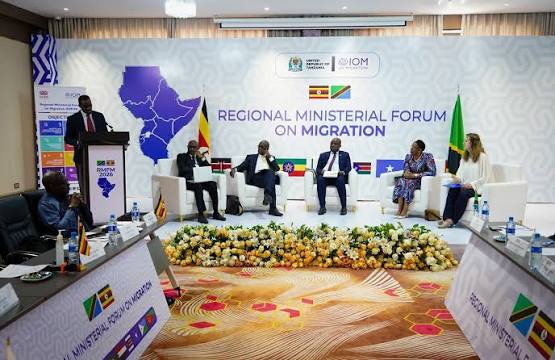
- Tanzania takes EAC labour migration helm as regional rules face overhaul
- 2026 is turning out as a defining year in geopolitics, but for whom?
- Saudi Arabia and Tanzania pledge to deepen bilateral trade ties
- Tanzania rewrites its digital investment playbook
- Ethical sourcing boosting demand for Tanzania organic cotton
- DRC deploys 70,000 Ebola vaccine doses in high-stakes trial against deadly Bundibugyo strain


Browsing: Trade
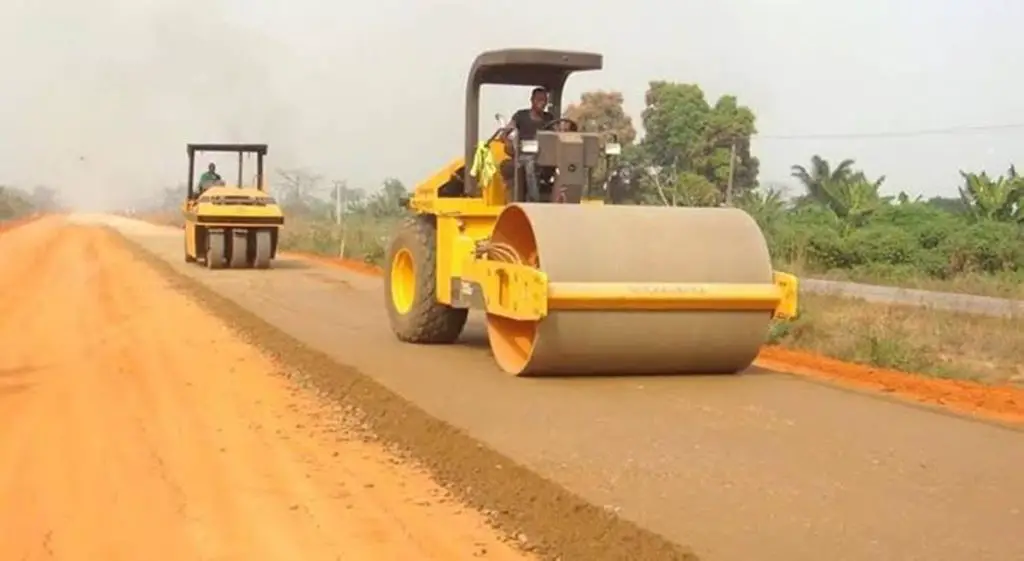
Infrastructure development continues to be a vital driver of foreign direct investment (FDI) since logistics are so necessary for global business development, mainly e-commerce, which is now a significant generator of income and jobs at home and abroad.
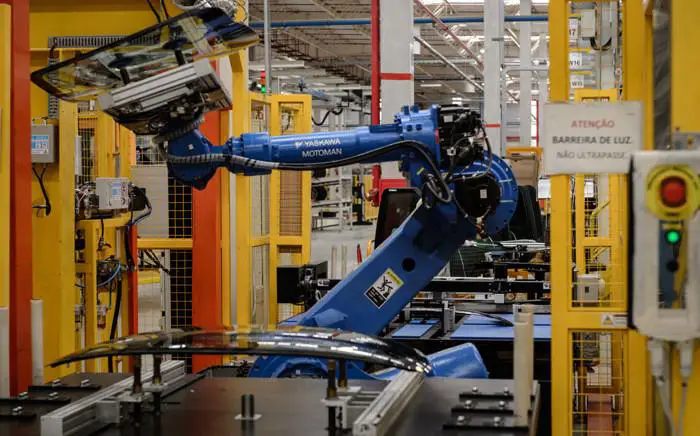
The widespread adoption of information and communication technology (ICT) by manufacturing companies the world-over is driving competition and permanently disrupting…
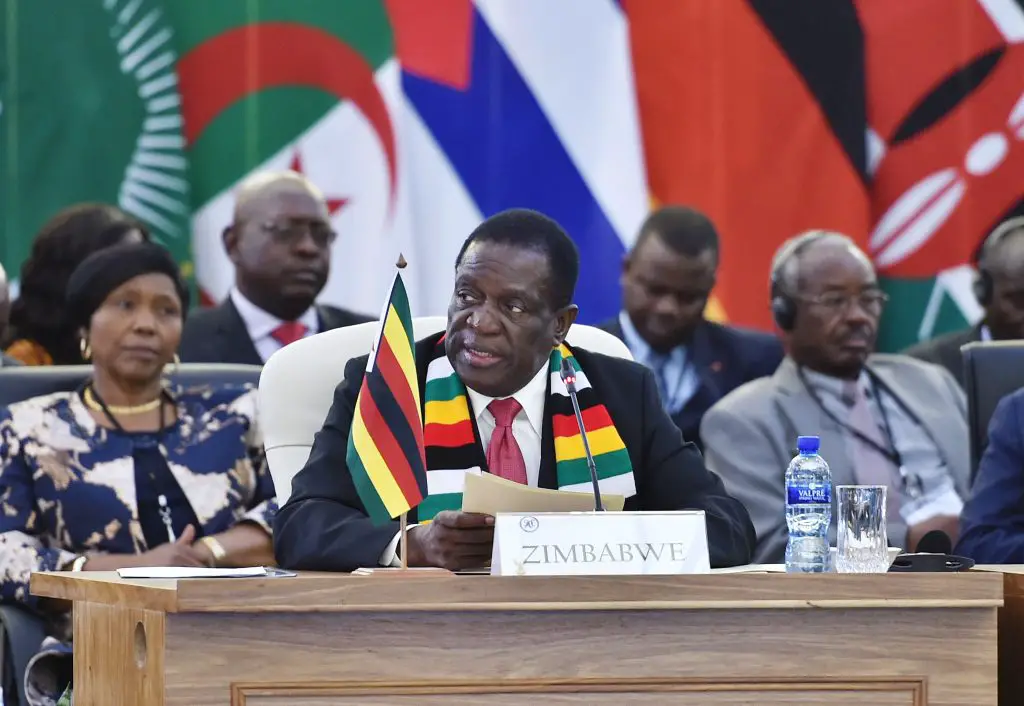
The movement of exchange rates on the parallel market has been caused by the government itself. Firstly, the government introduced a currency that economic agents have no confidence in because it did not have the macroeconomic fundamentals to give it credence. There was no parallel market for foreign currency during the years that the country made use of a basket of currencies.
The parallel market only emerged when the government introduced a surrogate currency called the bond note which was said to be at par with the United States dollar. No sooner than the surrogate currency had been introduced that the parallel market emerged, and United States dollars started trading at a premium.
Secondly, the government reportedly purchases foreign exchange on the parallel market. Through the central bank, the government issues new currency and then purchases foreign currency on the parallel market and drives up the exchange rate. It has been documented and widely reported that this is taking place on a grand scale, that the central bank is creating money supply and using it to purchase foreign exchange.
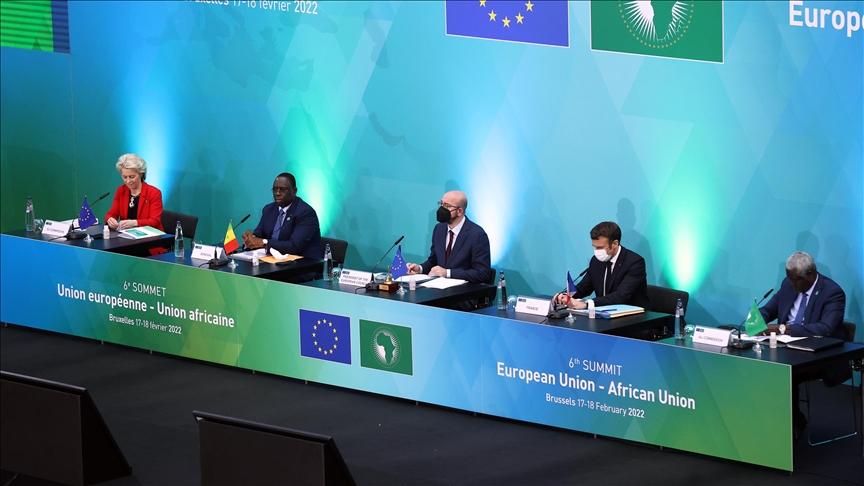
The European Union (EU) and Nigeria have enjoyed robust trade and bilateral relations since the formulation of this lucrative partnership,…
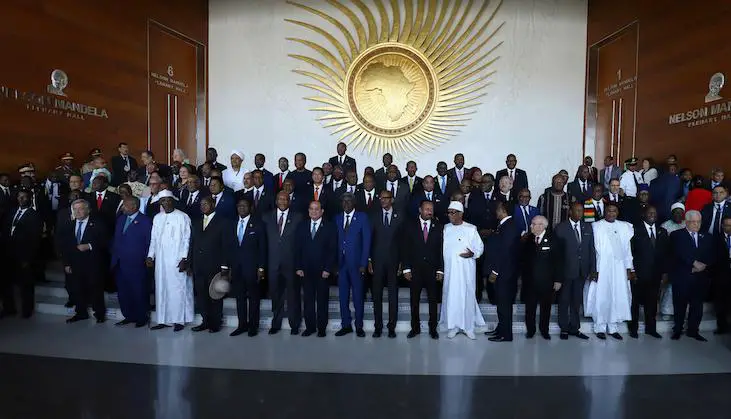
Africa’s role in the world economy derives from its economic importance to the rest of the world in international trade and as a destination for international investment. Africa has recently become home to the largest free trade area in the world, both by area and by the number of countries.
As economies have been hard hit by the Covid-19 pandemic, the Africa Continental Free Trade Area (AfCFTA) holds economic promise for the continent. The AfCFTA comprises 55 countries with a population of 1.3 billion and combined GDP of about $3.4 trillion. Business leaders and observers regard economic and regional integration as essential for accelerating Africa’s manufacturing, e-commerce, and digitization to reduce an over-reliance on imports, especially from China.
However, there is still much more to do as major components of the agreement still must be negotiated, between many countries and regional economic communities. Moreover, according to the IMF, removing non-tariff barriers could be up to four times more effective in boosting trade than tariff reductions.
Long gone are the days you hear of Africa and envision mud huts and malnourished babies. Well, maybe long-gone is…
Kenya has announced plans to revive small industries across the country, in a bid to spur value addition and market…
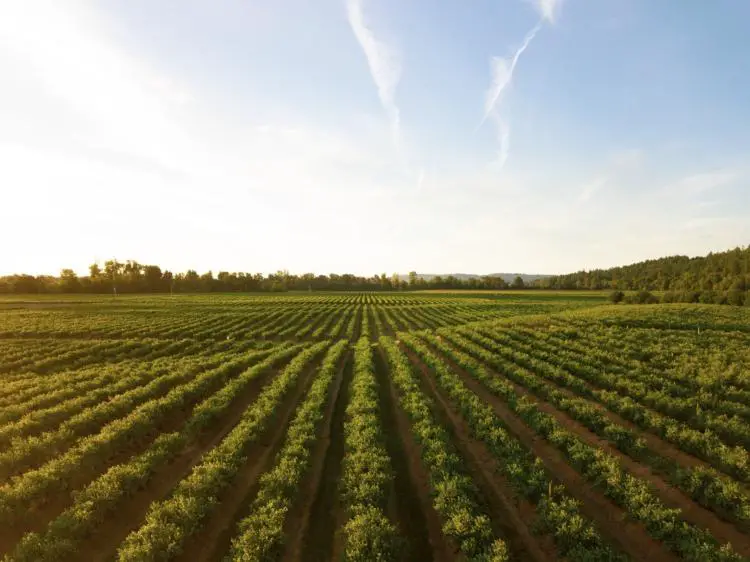
Data by the bloc reveals that the sector provides livelihoods for about 80 per cent of the region’s workers, and accounts for about 65 per cent of foreign exchange earnings.
The continent, which COMESA Secretary General Chileshe Kapwepwe said last month has the potential to feed its self and export to the rest of the world, has remained a net food importer for the last 15 years.
Enjoying some of the world’s highest annual economic growth rates, and by the measure of the amount of infrastructures works, the East African Community (EAC) is one of the world’s fastest-growing regional trade blocs.
East Africa is undertaking some of the world’s grandest infrastructure works yet, ranging from fast-speed electric train railways and single cable bridges to imposing dams and oil and gas pipelines as well as multinational road networks.
It is just as well because trade on the continent is growing exponentially and is bound to grow even faster with the signing of the continent-wide free trade pact.
Concerns about the pandemic especially with new fast spreading mutations, heightened political activity and uncertainty around the shape of business and economic recovery continues weighing heavily on risk asset pricing in the local market.
The distribution of vaccines is off to a slow start especially in the developed countries while locally, news flow indicate vaccines will be available later this month than as previously indicated.