

Trending
- VALR sets sights on East Africa as blockchain moves deeper into Africa’s financial system
- The cost of the data gap: Why Kenya’s lenders can’t afford to miss the full picture
- Tanzania takes EAC labour migration helm as regional rules face overhaul
- 2026 is turning out as a defining year in geopolitics, but for whom?
- Saudi Arabia and Tanzania pledge to deepen bilateral trade ties
- Tanzania rewrites its digital investment playbook
- Ethical sourcing boosting demand for Tanzania organic cotton
- DRC deploys 70,000 Ebola vaccine doses in high-stakes trial against deadly Bundibugyo strain


Browsing: Trade
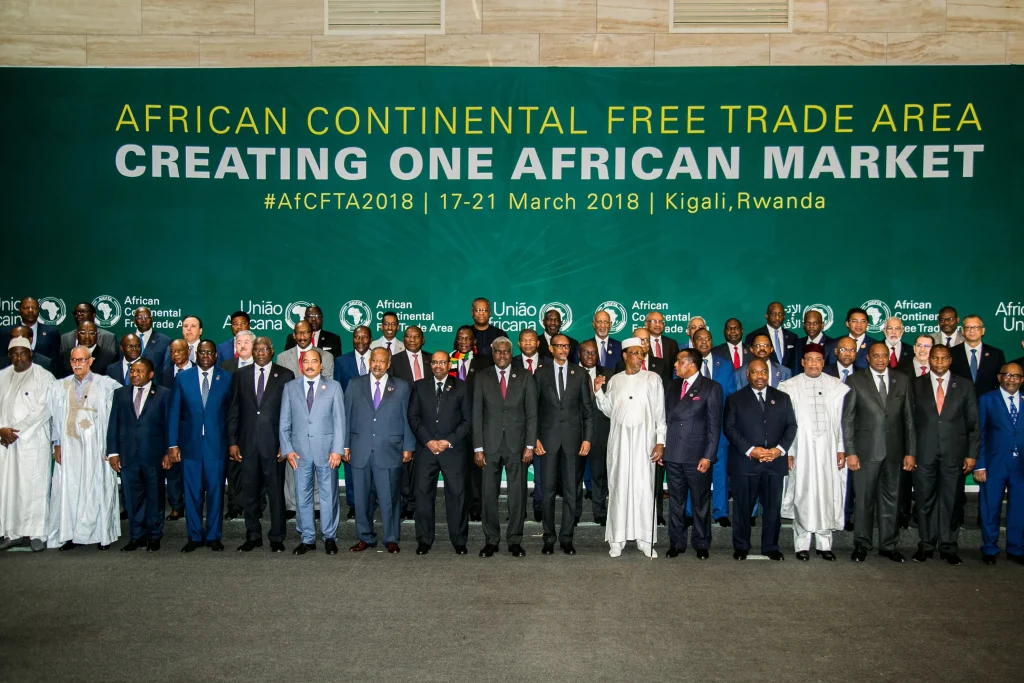
It is critical to strengthen a professional, independent supervision secretariat to make the AfCFTA agreement’s promise a reality. A strong secretariat can assist states in developing strong domestic institutions to administer, monitor, and enforce the AfCFTA. The moment for change has arrived. The conventional development models have failed Africa. The AfCFTA, on the other hand, signifies that Africa is open for business.
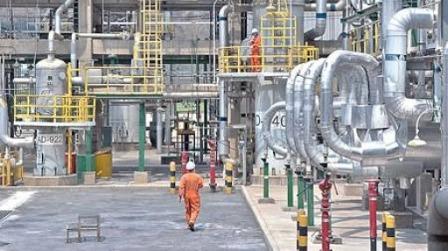
President of Dangote Group, Aliko Dangote in his speech described the new plant as a game changer, as it can make Nigeria self-sufficient in fertilizer production, with spare capacity to export to other markets in Africa and the rest of the world.
While Dangote’s initial export targets were primarily Africa, current market realities mean there is increasing demand from outside the continent. Orders have come from far-flung places in the US, Brazil, Mexico, India, and the EU according to an article by African Business published on May 5, 2022.
According to the World Bank, the proximity of the new fertilizer plant offers a critical window of opportunity for Benin policymakers and the private sector to engage their Nigerian counterparts within the frameworks of the Economic Community of African States (ECOWAS), the African Continental Free Trade Agreement (AfCFTA) and other bilateral agreements to source fertilizer inputs for its farming population to increase food production and meet increasing regional demand for food products. This will make it easier for African countries to improve food production.
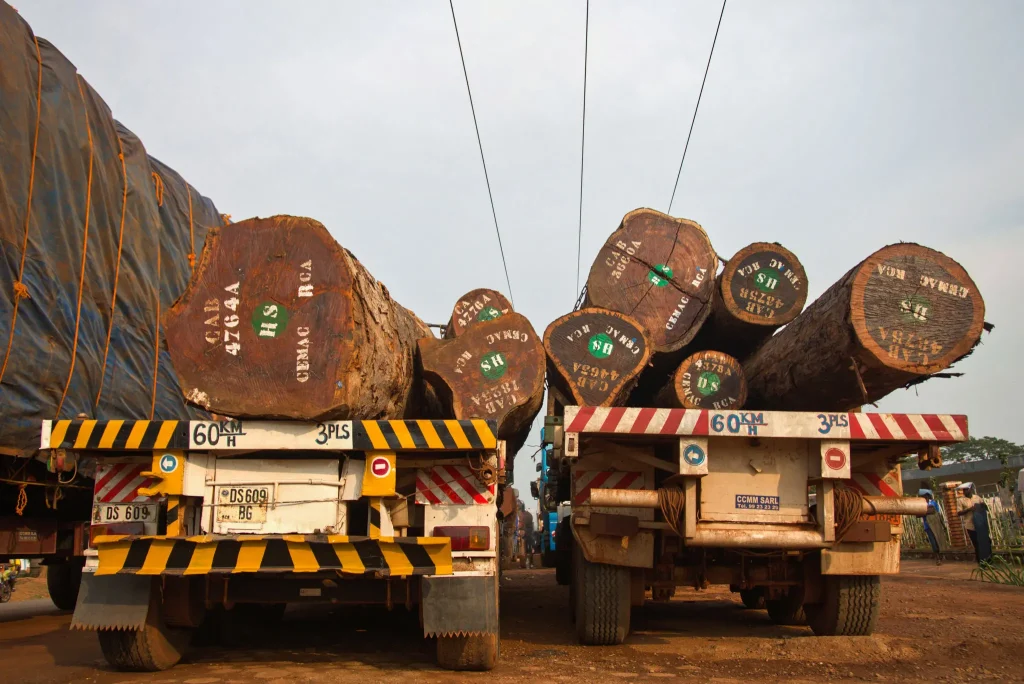
The Central African Republic was the 186th largest exporter in the world in 2020 with a total export value of US$127 million. The country’s exports decreased by US$26.1 million over the past five reported years, from US$153 million in 2015 to US$127 million in 2020.
Rough wood which contributed US$51.9 million in export earnings, gold (US$34.7 million), diamonds (US$14.7 million), sawn wood (US$9.55 million) and refined copper (US$6.66 million) are the most recent export leaders. China (US$50.8 million), the United Arab Emirates (US$37.3 million), Italy (US$12.2 million), Belgium (US$6.84 million), and France (US$4.5 million) are the Central African Republic’s top export markets.
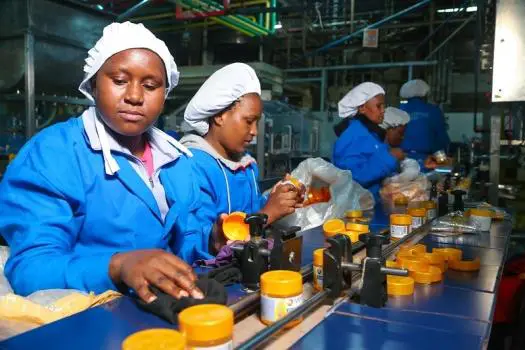
The AfCFTA Agreement has been signed by 54 African nations thus far. Among them, 46 tariff proposals have been filed, including one by the Customs Union. Furthermore, 29 tariff proposals are technically validated for trade.
Under the Rules of Origin discussions, 87.7% of import tariffs have been settled, while phase two consultations on Investment, Intellectual Property Rights, Competition Policy, Women and Youth in Trade, and Digital Trade are underway.
The African Continental Free Trade Area (AfCFTA) Secretariat has launched an online hub to ease trade on the African continent…
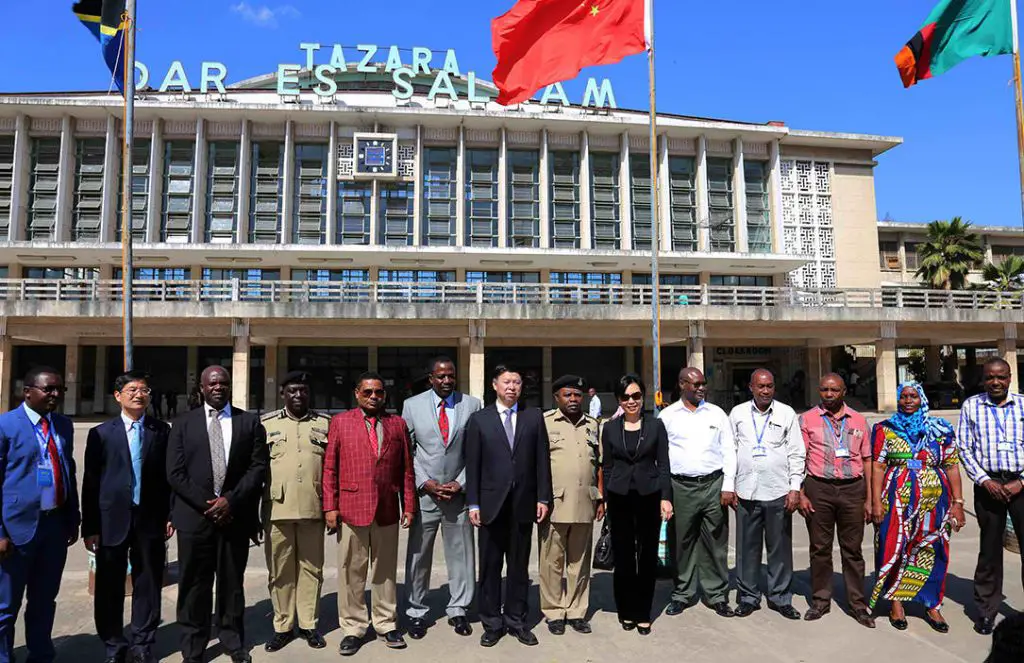
ZAMBIA and Tanzania last week agreed to revamp and recapitalize the TAZARA railway and expand the TAZAMA pipeline following a change in objectives from the transportation of crude oil to finished products.
Tanzanian President Samia Suluhu Hassan said the agreement to revive TAZARA was reached when she held talks with visiting Zambian President Hakainde Hichilema at State House in the commercial capital Dar es Salaam.
According to Zambia Daily Mail, TAZARA was constructed as a turnkey project between 1970 and 1975 through an interest-free loan from China, with commercial operations starting in July 1976, covering 1,860 kilometres from Dar es Salaam in Tanzania to New Kapiri Mposhi in Zambia.
President Hassan added that the two leaders have also agreed to work closely in promoting trade and investment through the revival and renovation of key joint post-independence infrastructure projects that were built to link the two nations, including the Tanzania-Zambia Crude Oil Pipeline (TAZAMA).
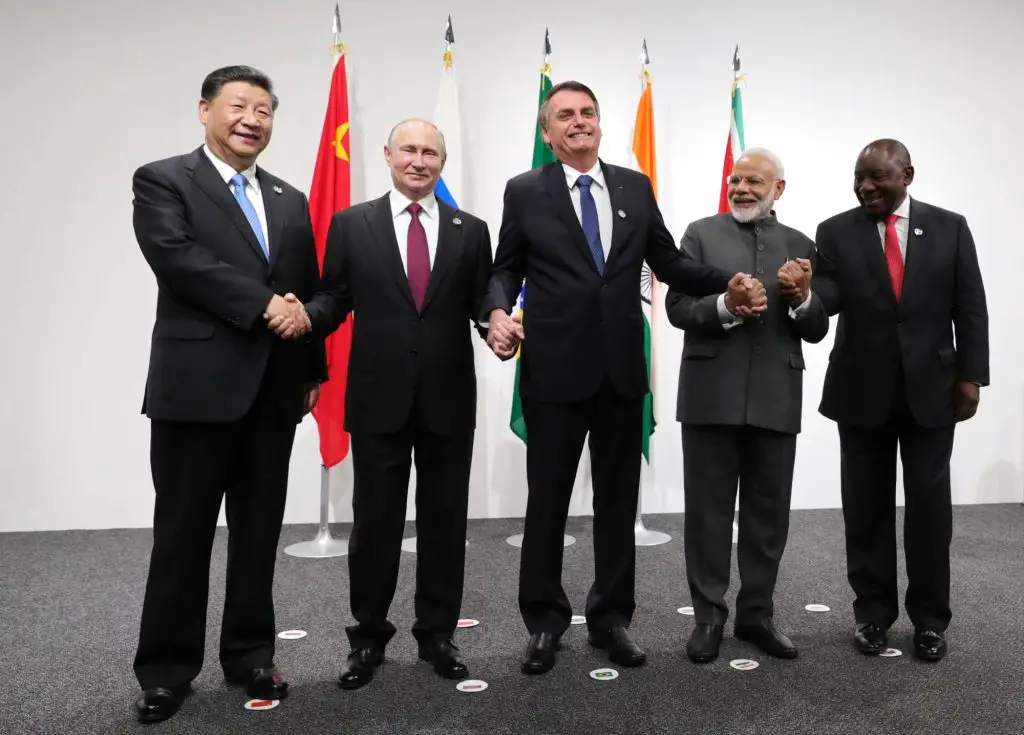
When the United Nations General Assembly voted overwhelmingly on March 2 to condemn Russia’s invasion of Ukraine, African countries accounted…
China’s GDP is central to the global economy and especially in Africa The Asian country’s economy is integrated with nearly…

The practical implementation of the AfCFTA, the expanding middle class, the evolving consumer market, enhanced use of financial technology and services, and the efficiency of the vibrant private sector will all be enablers of African export diversification and long-term economic growth.

In September last year, the government started making quarterly token payments of $100,000 to each of the 16 Paris Club creditors as it sought ways to extinguish the mounting debt.
As of the end of May, Zimbabwe had made $8 million in token payments to multilateral banks and $4.8 million to the Paris Club creditors.
The article added that Zimbabwe is already defaulting on active loans from China, which is affecting the disbursement of funds for ongoing projects, the debt management office said in the report.