

Trending
- Africa’s gaming market set to quadruple to $4 billion, defying global slowdown
- Tanzania throws its bond market wide open to the global investors
- VALR sets sights on East Africa as blockchain moves deeper into Africa’s financial system
- The cost of the data gap: Why Kenya’s lenders can’t afford to miss the full picture
- Tanzania takes EAC labour migration helm as regional rules face overhaul
- 2026 is turning out as a defining year in geopolitics, but for whom?
- Saudi Arabia and Tanzania pledge to deepen bilateral trade ties
- Tanzania rewrites its digital investment playbook


Browsing: Ukraine
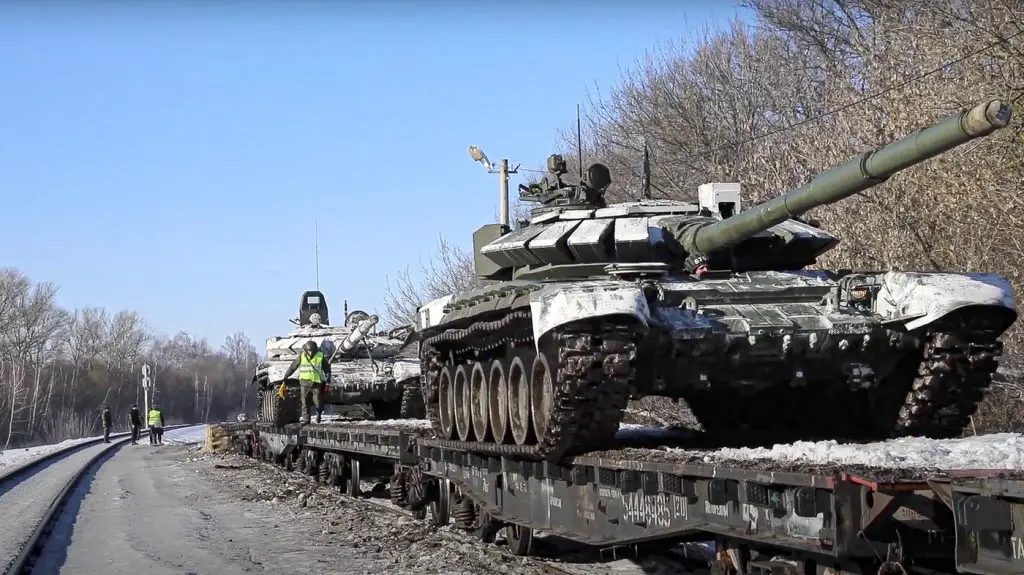
Every African region has felt the effects of Russia’s invasion of Ukraine, with West Africa also bearing the burden of…
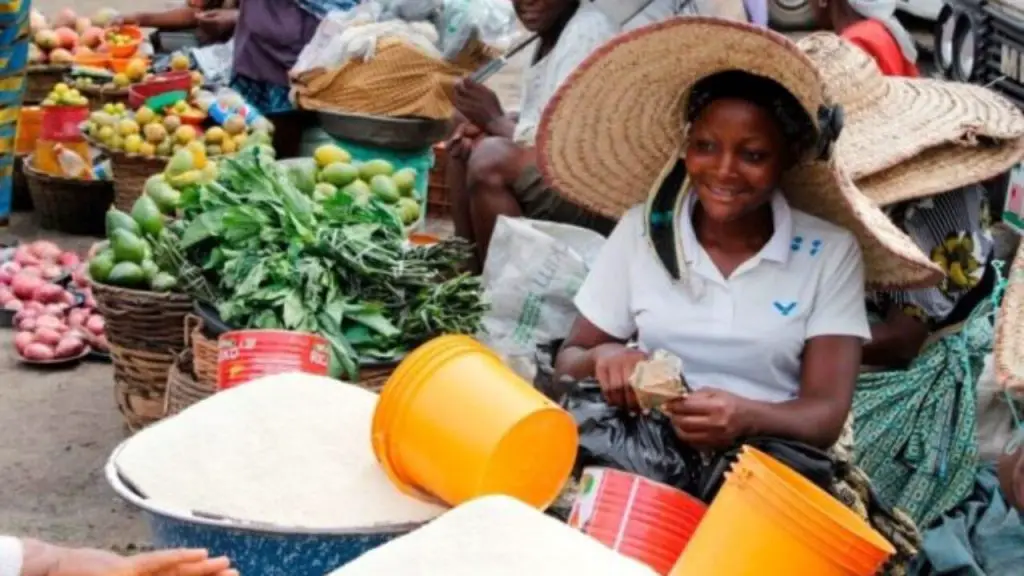
Rising costs have remained a critical issue in the aftermath of the outbreak. Data from the World Bank/NBS Nigeria – COVID-19 National Longitudinal Phone Survey 2020 reveals that food prices rose rapidly following the pandemic. In March and April, basic food commodity prices increased by 17.2 per cent and 18.37 per cent, respectively. According to the National Bureau of Statistics (NBS), the rise remains the highest in two years.
Recent findings based on comprehensive and long-term monthly food price data have revealed considerable price rises for all chosen food categories during the pandemic. Imported rice and wheat costs, for example, have climbed by 41% and 21%, respectively.
Wheat prices surged by 21% nationally, with considerable increases in price dispersion across markets when the epidemic began, and prices continue to grow.
Wheat is the main component of bread and other products such as noodles, pasta, semolina, and other Nigerian pantry staples. The consumption of these items is higher in cities due to easier market access than in rural regions. Nevertheless, bread remains a major staple throughout the country.
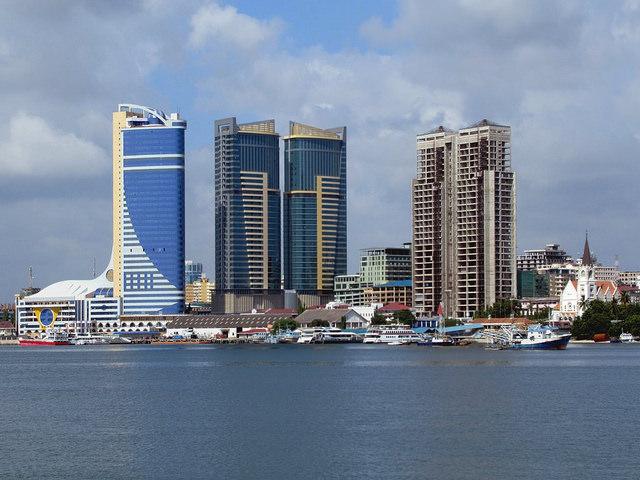
Further, the IMF argued that the ECF arrangement for Tanzania supports government priorities, strengthening fiscal space for much-needed social spending and high-yield public investment, resuming and advancing the authorities’ structural reform agenda and strengthening financial deepening and stability.
Moreover, the IMF statement noted that “the ECF arrangement is centred on supporting the economic recovery from the scarring effects of Covid-19 and coping with spillovers from the war in Ukraine; preserving macroeconomic stability, and advancing the structural reform agenda toward sustainable and inclusive growth.”
On a broader scale, the IMF’s financial support goes after levitating Tanzania’s essential priorities.
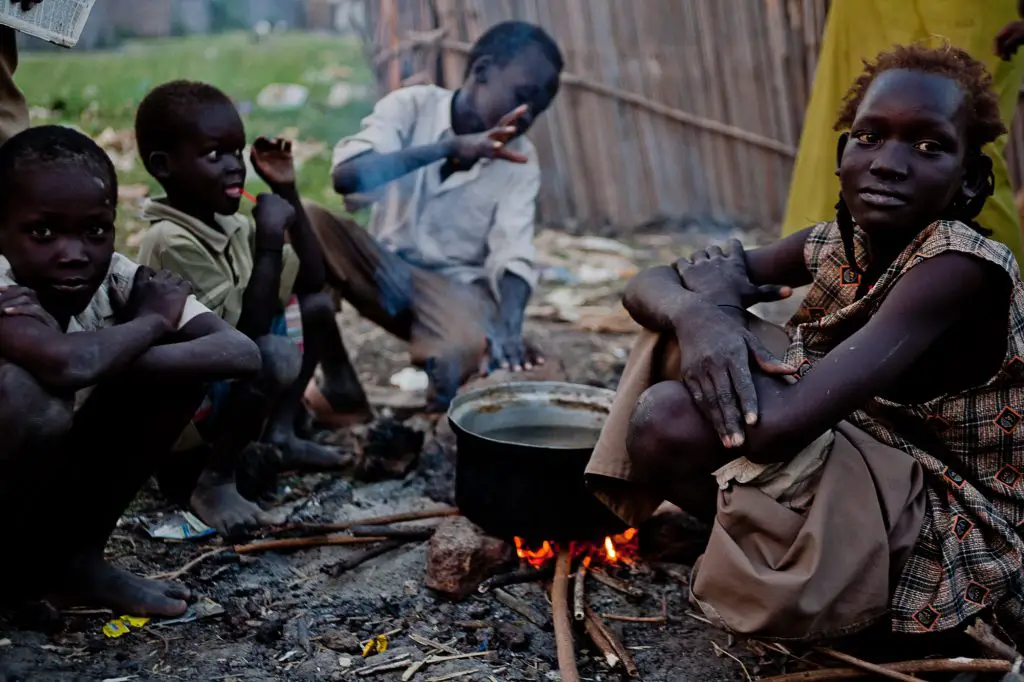
AfDB aims to assist 40 million farmers in raising their production of heat-resistant wheat varieties, soybeans, and rice, among other…
The war in Ukraine has had intended and unintended casualties in and around Ukraine and world over. The Russo-Ukrainian has…
The Ukraine invasion by Russia and the resulting conflict has created an economic vortex for the whole world. Reports state…
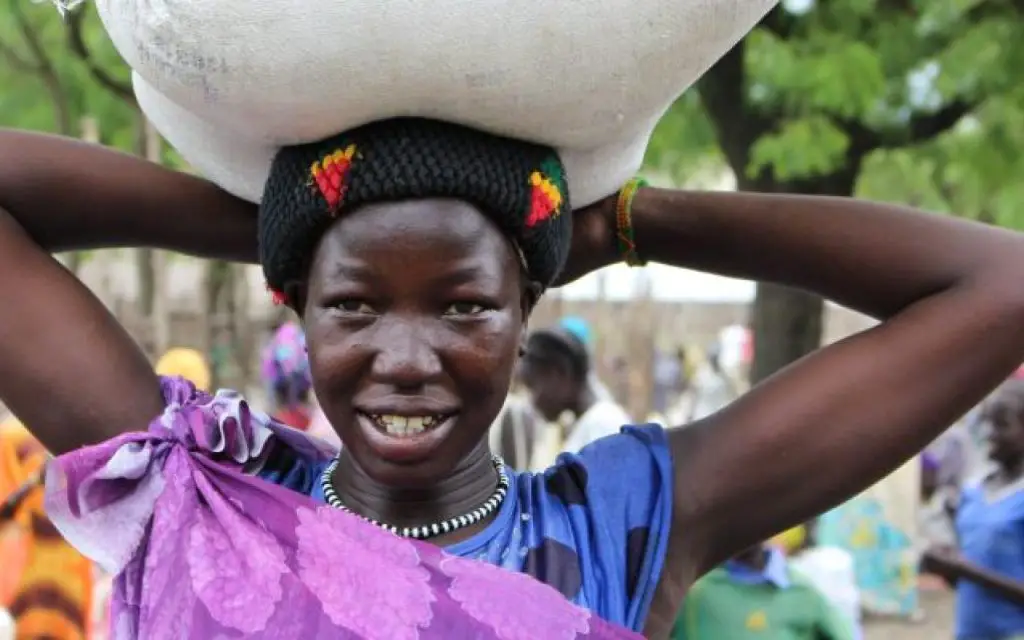
The food security situation is critical and demands international attention–which is lagging. According to Africa News, at least 400,000 tonnes of wheat won’t be sent to Sudan by the USA as promised in 2022.
The devastating impacts of civil conflicts, insecurity, drought have crippled Sudan’s food systems. The latter is responsible for displacing at least 1.9 million people across Sudan (UN).
The recent situation report by Reliefweb on Sudan food security reinforces the current trend of concern.
According to the report, displacement scenarios observed due to political instability affect agricultural operations significantly impacts cereal and non-cereal food prices.
The Presidential Council for Africa (PCA), founded by President Emmanuel Macron in 2017, is driving this project. Its coordinator, Wilfrid Lauriano do Rego, told RFI that each student’s case will be examined separately.
“Each student presents a different case depending on whether they would like to continue studying in France or not and whether French universities can take them. And we also need to liaise with the French authorities to make this project feasible,” he said.
The initiative is not limited to francophone students but is open to anglophone students too, depending on how fluent they are in French. The project concerns all university courses but may be limited to what is on offer within the French universities participating in this initiative.
“It will also depend on what kind, of course, they are following and the decisions of the French universities giving these courses on the matter,” he said.
Three hundred African students have, so far, enrolled in the PCA’s initiative. Lauriano do Rego said that he doesn’t know, at present, if they can accommodate more students as it depends on the student’s achievements.
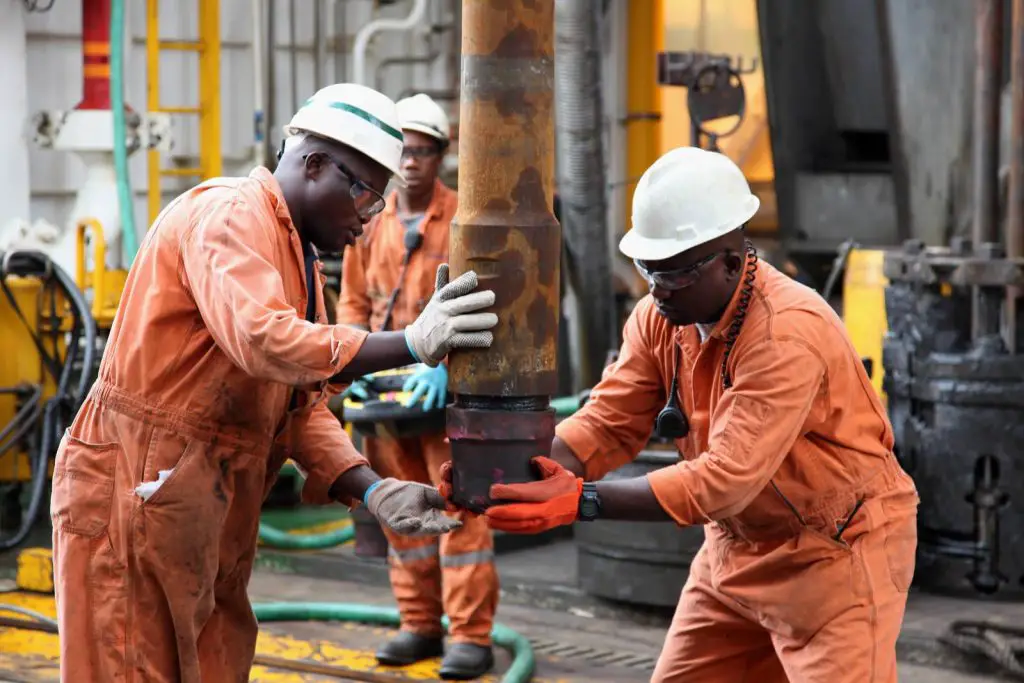
As a gigantic energy superpower, Russia’s foreign direct investment (FDI) accounts for less than 1 per cent of Africa’s total FDI.
However, African Business argued that, with Russia being a small trading partner to Africa compared to the United States and China, the impact on trade would be marginal—yet few Africa developing economies such as Uganda will be more exposed.
Further, United Nations Conference on Trade and Development (UNCTAD) data show that Russia accounts for 2 to 3 per cent of Africa’s trade with the world—most of it is exports.
“Russia also accounts for 2 per cent of the world’s exports to Africa, and only 0.5 per cent imports from the continent” African Business.
“Both Angola and Mozambique have a very limited level of trade with Russia and Ukraine; Angola imports wheat and yeast from Russia, while Mozambique imports a significant amount of wheat and a small amount of refined oil from Russia,” Oxford Economics Africa analyst who follows these two African economies told Mozambique News Agency.
“It appears that, at least for now, Angola is generally benefiting from higher oil and gas prices, which are partially driven by the conflict,” Gerrit van Rooyen said in remarks from Paarl, South Africa. Higher oil prices are positive for government revenues,” the analyst added. If the rise is sustained, “this could increase investment in Angola and lower debt levels faster than previously anticipated.”
“If gas prices remain high due to the conflict, this will be positive for investments in Mozambique’s liquefied natural gas [LNG],” his analysis continues, since “the profits from the natural gas in the Rovuma basin could be greater than the risk of armed extremist insurgency in the region.”