



As world markets watch with bated breath the ripples of the U.S.-Israel conflict in Iran, Africa, a continent already grappling with fragile economies, braces for impact. A sharp rise in fuel prices, disruption in shipping routes, and heightened geopolitical tensions could exacerbate existing vulnerabilities.
Across the Horn of Africa, the Sahel, and North Africa, spikes in energy and food costs are putting pressure on thin budgets. Additionally, the risk of arms flows threatens to worsen local conflicts. These shocks amid existing fragilities such as joblessness among the youth, resource competitions, and weak institutions, offer a potent mix that could destabilise fragile peace processes.
The African Union, which has for years called for “African solutions to African problems,” finds itself navigating an increasingly complex environment where external crises impact domestic stability.
Ambassador Frederic Gateretse-Ngoga, Senior Advisor on International Partnerships, the AU Border Programme, and Regional Security Mechanisms at the African Union Commission (AU), is at the heart of these efforts. In an exclusive interview with The Exchange, Ambassador Gateretse-Ngoga examines the economic shocks, security risks, and diplomatic challenges facing Africa, while outlining the AU’s response and forward-looking recommendations:-
Q: Ambassador, how would you characterize the overall impact of the U.S.-Israel war on Iran and the roiling crisis across the Middle East on peace and security in Africa so far?
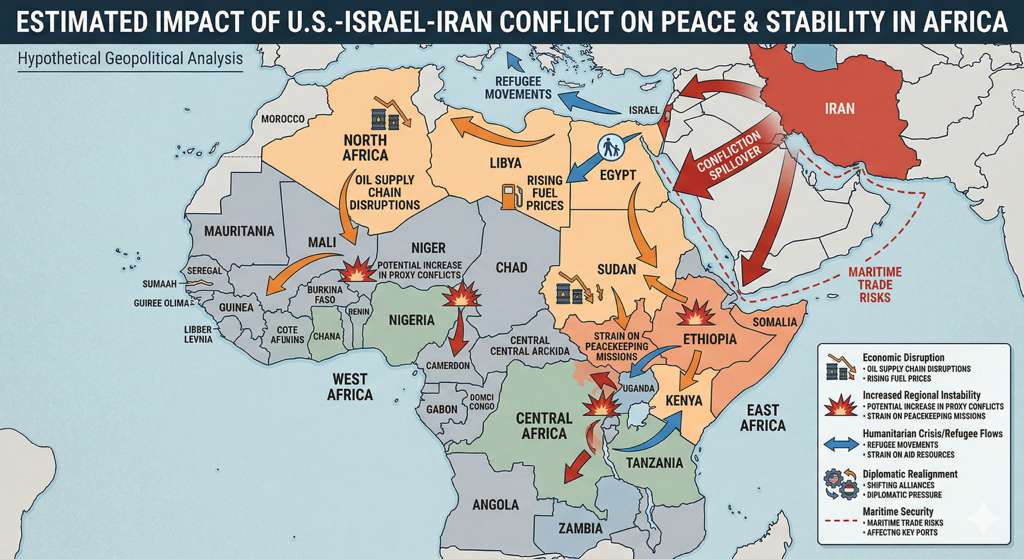
Thank you. I would characterize the impact as indirect but increasingly consequential for Africa’s peace and security. First, we are seeing economic shockwaves. Rising fuel, food, and fertilizer prices are putting pressure on already fragile economies. And in many African contexts, economic stress can quickly translate into social unrest and political instability.
Second, there is a maritime security dimension. Disruptions in key corridors like the Red Sea and the Strait of Hormuz are affecting trade flows, supply chains, and food security—especially for countries in the Horn of Africa. Third, the crisis risks amplifying existing conflicts. In regions such as the Sahel or Somalia, external tensions can fuel proxy dynamics or embolden armed groups, making already complex conflicts even harder to resolve.
Finally, there is a geopolitical effect. As global and regional powers recalibrate, Africa risks becoming an arena for competing influences, which can complicate diplomacy and weaken coordinated responses. So, while Africa is not a direct theatre of this war, the conflict is clearly acting as a risk multiplier—intensifying existing vulnerabilities and, over time, potentially undermining stability across several regions.
Q: Which specific regions or countries in Africa is the AU most concerned about in terms of potential spillover effects from the Middle East conflict, and why?
The African Union is particularly concerned about three zones. First, the Horn of Africa—countries like Somalia and Sudan—because of their proximity to the Red Sea and existing conflicts. Second, the Sahel, including Mali and Niger, where extremist groups could exploit global distractions. And third, North Africa, especially Egypt and Libya, given their geographic and political proximity to the Middle East. The key point is this: the greatest risk is not direct spillover, but where external shocks meet internal fragility—and that’s where instability can escalate quickly.
Q: How has the war affected energy security and oil prices in Africa, and what are the knock-on effects on food security and social stability in oil-importing countries?
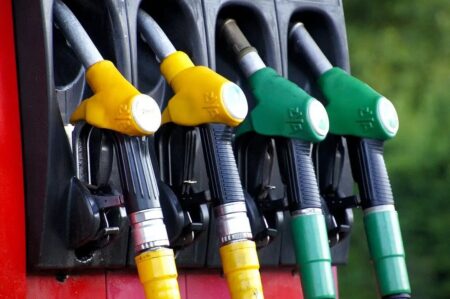
The impact is immediate and very tangible. As tensions affect routes like the Strait of Hormuz, global oil prices rise—and most African countries, being oil importers, feel that shock at the pump. That drives up transport and food prices, while higher fertilizer costs reduce agricultural output.
The result is growing pressure on food security. And, we know the pattern: when food and fuel prices rise sharply, it can quickly translate into public frustration and social instability. So this is not just an energy issue—it’s a direct stability concern for many African states.
Q: What is the current status of African diplomatic efforts to prevent the Middle East conflict from further destabilizing the continent?
African diplomatic efforts are active but largely preventive and normative rather than coercive. At the continental level, the African Union has consistently called for immediate de-escalation, restraint, and a return to dialogue, stressing respect for international law and warning of the conflict’s global and African repercussions.
We’ve also seen African engagement with broader international initiatives—for example, the AU welcoming emerging ceasefire efforts and supporting multilateral diplomacy to contain the crisis. At the same time, individual African states are pursuing bilateral diplomacy and balanced positioning, avoiding alignment while calling for peaceful resolution—essentially trying to shield the continent from geopolitical polarization.
However, the reality is that Africa’s influence remains limited in shaping the core dynamics of the conflict. So the focus has been on advocacy, coordination, and mitigation—rather than direct mediation. In short: Africa is diplomatically engaged, pushing for de-escalation—but its role is more about preventing spillover than determining outcomes.
Q: Has the conflict affected the AU’s ongoing peace operations or mediation efforts in places like Sudan, Somalia, or the Great Lakes region?
Yes—indirectly but meaningfully. In places like Sudan, Somalia, and parts of the Great Lakes region, the conflict has complicated peace efforts rather than halted them. First, it is diverting international attention and resources, which can slow mediation momentum and reduce diplomatic bandwidth.
Second, rising global costs are affecting peace operations and humanitarian logistics, making already stretched missions more expensive to sustain. And third, there is a risk of greater external interference or shifting alliances, which can complicate negotiations on the ground. So, the impact is not direct disruption—but added pressure on already fragile and complex peace processes.
Q: What are the biggest economic and humanitarian risks Africa faces if the US-Israel-Iran conflict prolongs or escalates further?
Yes—indirectly but meaningfully. In places like Sudan, Somalia, and parts of the Great Lakes region, the conflict has complicated peace efforts rather than halted them. First, it is diverting international attention and resources, which can slow mediation momentum and reduce diplomatic bandwidth.
Second, rising global costs are affecting peace operations and humanitarian logistics, making already stretched missions more expensive to sustain. And third, there is a risk of greater external interference or shifting alliances, which can complicate negotiations on the ground. So, the impact is not direct disruption—but added pressure on already fragile and complex peace processes.
Q: Ambassador, what are the biggest economic and humanitarian risks Africa faces if the US-Israel-Iran conflict prolongs or escalates further?
The biggest risks are economic shock translating into humanitarian crisis. First, on the economic side, prolonged conflict is driving sustained high energy prices and inflation. For Africa—especially oil-importing countries—this means weaker currencies, rising debt, and slower growth. Second, the food security risk is severe. Higher fuel and fertilizer costs are already pushing up food prices and could disrupt agricultural production.
Globally, millions more people could fall into acute hunger if the conflict continues. Third, there is a humanitarian strain. Aid operations become more expensive, supply chains are disrupted, and governments have less fiscal space to respond. So, the real danger is a cascade: prolonged conflict drives energy and food shocks, those shocks deepen poverty and hunger, and that, in turn, increases the risk of social unrest and instability across vulnerable African states.
Q: What specific policy recommendations would you give to African governments and the AU to mitigate the negative impacts of this conflict on the continent?
To mitigate the impacts, African governments and the AU should focus on three complementary approaches. First, economic resilience. Governments should diversify energy sources, manage strategic fuel reserves, and support farmers with subsidies or alternative fertilizers to protect food security. Regional coordination on trade and supply chains is also critical. Second, strengthen peace and security mechanisms.
The AU and member states should maintain robust peace operations, monitor extremist and proxy activity closely, and coordinate early-warning systems to prevent local conflicts from being amplified by global shocks. Third, diplomatic engagement. Africa should continue advocating for de-escalation in the Middle East, participate in multilateral dialogue, and maintain a balanced stance to prevent the continent from being drawn into geopolitical rivalries. In short: build economic buffers, protect fragile peace processes, and use proactive diplomacy—these are the levers Africa must pull to shield itself from spillover effects.
Q: Looking ahead to the next 12–18 months, what is the most likely scenario for peace and conflict dynamics in Africa in relation to developments in the Middle East?
Looking ahead, the most likely scenario is indirect but heightened pressure on African peace and security. If the Middle East conflict prolongs or escalates, Africa is unlikely to see direct military spillover—but we can expect rising economic stress, food insecurity, and social tensions, especially in fragile states. Regions like the Horn of Africa, the Sahel, and parts of North Africa will remain most vulnerable, as ongoing local conflicts could be amplified by external shocks or shifting proxy dynamics. Diplomatically, the AU and African states will likely continue preventive engagement, advocating for de-escalation while seeking to shield peace operations and fragile economies from disruption. So, the coming 12–18 months will likely see Africa navigating a period of intensified vulnerability, where internal fragilities intersect with global instability, rather than new conflicts erupting outright.
Read also: How the Middle East conflict is squeezing currencies in Africa
Q: What message would you like to send to African leaders, citizens, and international partners regarding the need for resilience in the face of this external shock?
My message is simple but urgent: Africa must prepare, adapt, and stay united. To African leaders: prioritize economic resilience, food security, and peacekeeping, and ensure that global shocks don’t derail domestic stability. To citizens: remain vigilant but calm; understand that rising prices and uncertainty are linked to distant conflicts, and collective action and social cohesion matter more than ever. To international partners: Africa needs support in sustaining humanitarian operations, protecting trade routes, and strengthening peace mechanisms—not just attention after crises occur. Ultimately, resilience is our best defense: by building strong institutions, safeguarding livelihoods, and maintaining peace, Africa can weather external shocks without letting them spiral into instability.