


- Nairobi Declaration sounds bold, but financing and implementation plan coming out of the Africa Forward summit remain missing.
- France, which has been chased out of West Africa, is undertaking a ‘strategic autonomy’ pitch on the continent through economies in East Africa.
- Can France realistically do anything different than what has been experienced in West Africa in the past decades? We analyse.
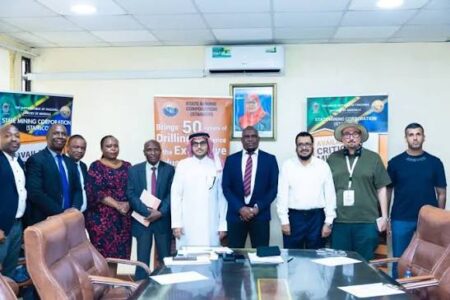
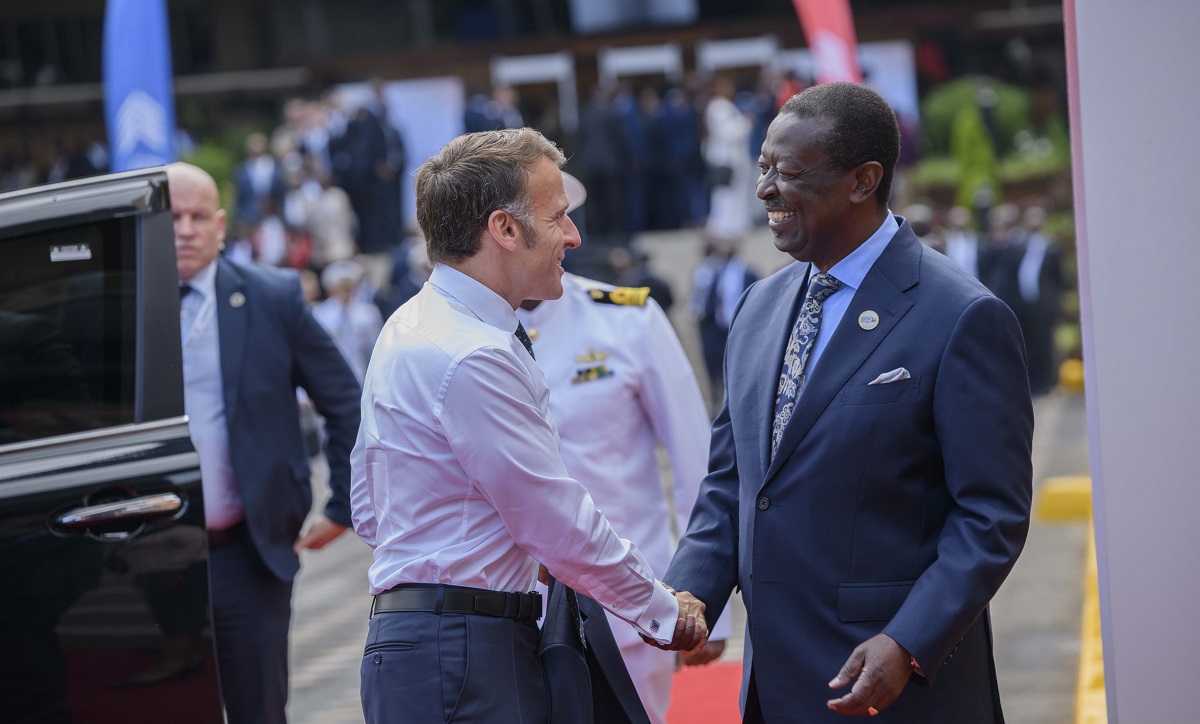
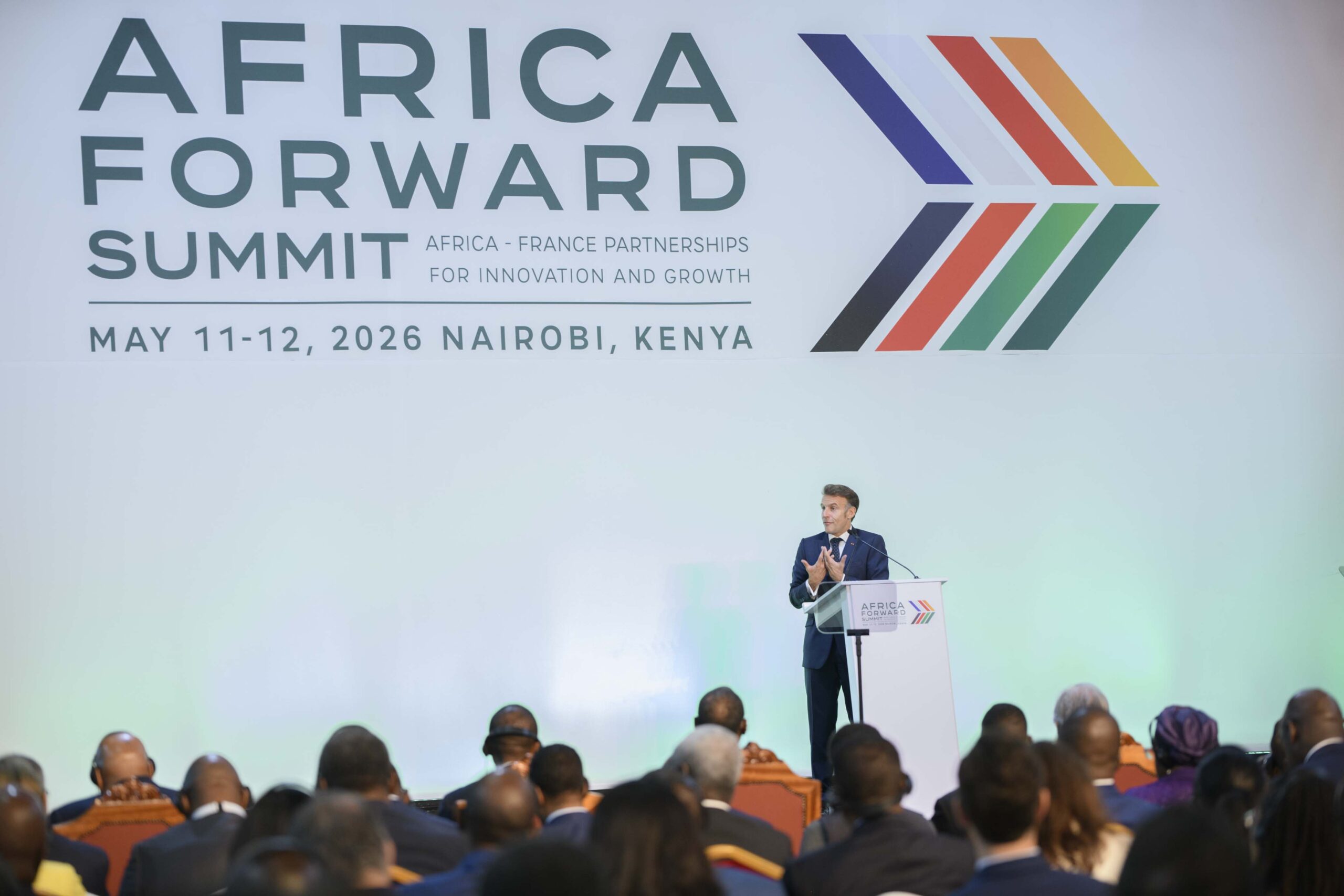
After expulsion from several West African states, France has gone to East Africa and committed to develop Africa’s capacity to add value to their critical minerals, among several other ‘partnership’ pledges. Commitment to the same was made by French President Emmanuel Macron at the just ended 2026 Africa Forward Summit hosted in Kenya’s capital Nairobi.
President Macron, hosted by Kenya’s President William Ruto, witnessed launch of The Nairobi Declaration in which value addition to critical minerals is the top agenda of at least six other priority areas.
Despite failing relations in West Africa, President Macron told delegates in East Africa’s largest economy that France views Africa as “…a future partner for production, innovation, and investment.”
He went on to highlight France’s commitment to support local value addition of Africa’s critical minerals and co-investment in key sectors.
President Macron was emphatic in his address insisting that France is looking to move beyond “…traditional aid and diplomatic ties” to create what he described as “a mutually beneficial pact.”
Even though he did not directly mention France’s tensions in West Africa, after it’s military was expelled from a handful of countries, President Macron said France supports Africa’s ‘strategic autonomy’ as the foundation of future Africa-France relations.
Kenya’s President Ruto welcomed France’s commitment as a necessary and vital element to creating sustainable economic bonds that go beyond traditional aid and diplomatic ties.
Diplomats at the Africa Forward Summit also deliberated migration as a vital component of growing both trade and bilateral relations between France and Africa.
President Macron was keen to emphasize the need to redefine France-Africa diplomatic ties in the face of dramatic changes in the global geopolitical landscape.
He said The Nairobi Declaration and its seven major development points is a guide to ‘the next phase of France-Africa economic cooperation and investment.’
With critical minerals at the top, the summit also shown it’s spotlight on industrialisation particularly in healthcare manufacturing and regional value chains.
Others are, renewable energy, artificial intelligence, agriculture, as well as maritime trade, and regional security.
The summit and the sought after renewed France-Africa partnership is evidence of the growing global competition for Africa’s resources, especially given the spiking demand for critical minerals.
In this regard, The Nairobi Declaration places emphasis on how Africa should seize the opportunity and reposition itself favourably in the new emerging global economy dynamics.
The document articulates need for co-investment, local value addition, strategic autonomy, and private-sector mobilisation as the pillars of future Africa-France relations.
However, important gaps remain around financing, implementation and inclusion of African producers in emerging global mineral frameworks.
Notably, the summit and the resolutions in The Nairobi Declaration build on previous agreements including the Financing of African Economies meeting that was held in Paris in 2021, which was then followed by the New Global Financing Pact that was agreed upon in Paris in 2023 and subsequently the European Union-African Union Summit that was convened last year in Luanda.
Also Read: Africa’s coastline evolves into the world’s new shipping corridor. Can this be sustainable?
Read also: Sahel region evolves into ‘ground zero’ for the world’s most brutal terrorist activities
7 key points of the Africa Forward Summit
Above all else, value addition to critical minerals and set up of regional manufacturing hubs was prioritized at the summit. The Nairobi Declaration stresses the intricate importance of Africa maintaining sovereignty over it’s natural resources as well as expanding local beneficiation, and value addition of mineral extracts.
The document says France is willing to back the “Made in Africa” manufacturing agenda that will reduce the current dependent economic models.
Secondly, France has committed to backing Africa’s energy transition efforts with emphasis on renewable energy and green industrialisation.
In a press release shared in the wake of the summit, expert review of the document says; “Energy transition featured prominently throughout the declaration, with African leaders and France committing to investments in renewable power, low-carbon systems, hydropower, geothermal projects, green hydrogen, waste-to-energy facilities, and nuclear energy development.”
The review goes on to point out that African leaders at the summit committed to setting up of local value chains for clean energy.
This commitment is inline with articulated ambitions to move from export of raw materials to value addition as a pillar to industrializing the continent.
“Governments pledged to support local manufacturing, technology transfer, and workforce training tied to green industries,” details the media communique.
African leaders also called for independence in creating and managing artificial intelligence technologies along with digital infrastructure.
“The declaration called for public and private investment in broadband networks, regional data centres, cloud infrastructure, compute capacity, and trusted data systems,” the press statement reveals.
According to the communique, Africa wants some level of digital sovereignty that includes African ownership of data centers and AI systems.
The leaders would like support for African language models of AI systems on one hand and on the other hand, to have locally developed datasets.
“This emphasis reflects growing concern among policymakers that Africa risks becoming dependent on foreign-controlled digital infrastructure during the global AI race,” details the report.
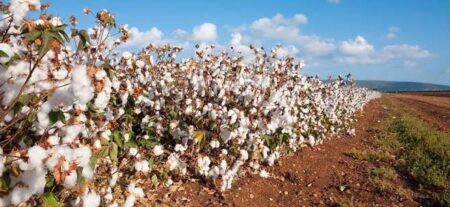
Another main stay of the Nairobi Declaration is to have agriculture serve not only for food security but rather, “…as a pathway toward industrialisation and export diversification.”
The document calls for investments in agro-processing, cold-chain logistics and fertiliser supply systems as feasible approaches towards the industrialisation agenda and a driver for the development of the African Continental Free Trade Area (AfCFTA).
In this regard, France committed to supporting youth-focused agricultural financing, agri-fintech tools, and rural industrial development.
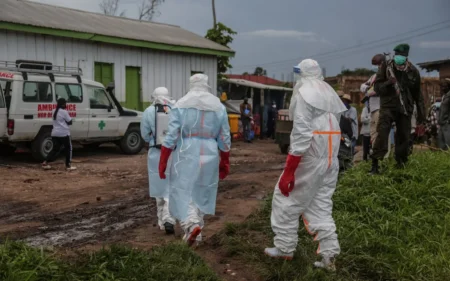
Under the banner of industrialization, The Nairobi Declaration calls for capacity building and financing for vaccine manufacturing and general pharmaceutical production.
“The summit declaration placed strong emphasis on health sovereignty…the COVID-19 pandemic exposed Africa’s dependence on imported vaccines, medicines, and diagnostics,” the media report expounds.
To this end, France pledged support for regional manufacturing of vaccines, pharmaceuticals and capacity building for medical technologies.
The Nairobi Declaration further identifies Africa’s blue economy development endeavor for creating green jobs, strengthening climate resilience, and promoting food security.
Delegates agreed on investment in maritime infrastructure, building coastal economies, establishing laws to enforce use of renewable marine energy as well as shipping decarbonisation, and promoting blue carbon ecosystems.
In developing sustainable maritime economic ecosystems, France agreed to support anti-piracy initiatives, curbing illegal fishing, and stopping trafficking, and overall promotion of maritime security on African seas.
The Natural Resources Observance Institute acknowledges the achievements of the Africa Forward Summit sating; “The Nairobi Declaration shows growing recognition that African countries should have a bigger say in how mineral value chains are developed.”
That been said, the institute concludes that gaps remain; “However, important gaps remain around financing, implementation and inclusion of African producers in emerging global mineral frameworks.”
Read also: How Burkina Faso Mining Revenues are Reshaping the Sahel’s Economic Battlefield
France expelled from handful of African countries
Going back almost half a decade, beginning in 2022, France was began to withdraw military troops from several West African nations following decades of military presence and interventions. Mali, Burkina Faso, Niger, and Chad all unilaterally terminated their defense agreements, while the Central African Republic, Ivory Coast, and Senegal requested their withdrawal. The withdrawal coincided with increasing opposition to French military intervention in the Islamist insurgency in the Sahel, as well as numerous military coups either with French support or with French participation, particularly in the “Coup Belt“.
Mali & Burkina Faso: Following political overthrows, military governments in Mali and Burkina Faso demanded the total withdrawal of French forces, ending counterterrorism partnerships and closing French military bases.
Niger: After a military takeover, Niger revoked its defense agreements with France, leading to the expulsion of the French ambassador and the complete withdrawal of all French military forces.
Chad & Ivory Coast: Long-standing partners, including Chad, abruptly canceled defense pacts with France, while Ivory Coast officially handed over its last French military base to its own national army.
Senegal: The newly elected Senegalese government demanded the closure of foreign military bases, resulting in the peaceful transfer of key French facilities to the Senegalese armed forces, officially ending France’s continuous military presence in the country.